Before you set out on your 10-day Annapurna Base Camp Trek, it’s crucial to have an idea of what to expect in terms of altitude, logistics, and overall experience.
To give you a detailed idea of how high the Annapurna Base Camp is, how to reach ABC, and the best time of the year to embark on the journey, below is some of the information.
How High is Annapurna Base Camp?
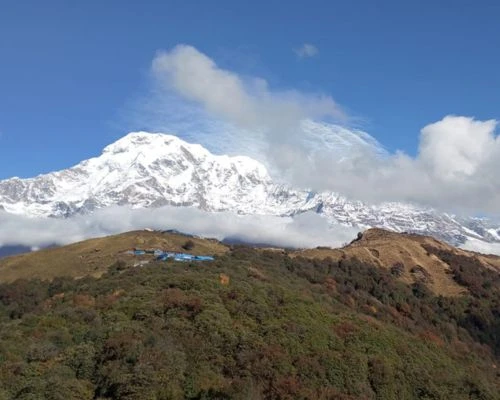
Annapurna Base Camp sits at 4,130 meters (13,549 ft) inside the spectacular natural amphitheater known as the Annapurna Sanctuary. The trek gradually gains altitude, allowing your body to acclimatize comfortably.
How to Reach Annapurna Base Camp
The classic route begins with a drive or flight to Pokhara, followed by a trek through Ghandruk, Chhomrong, Bamboo, Deurali, and Machhapuchhre Base Camp (MBC) before arriving at ABC.
This route is popular for its scenic variety, safe elevation profile, and well-established teahouses.
When is the best time to trek to Annapurna Base Camp?
Choosing the right season is crucial for you to have the best Himalayan experience. Although it’s possible to trek to Annapurna Base Camp throughout the year, the absolute best times are spring (March to May) and autumn (September to November).
Durin spring, the weather is mild and skies are usually clear, offering stunning views of Annapurna I, Machhapuchhre, and surrounding peaks. The daytime temperature ranges from 10°C to 20°C in the lower altitudes, while higher altitudes near base camp can drop close to -5°C to 5°C at night.
Another highlight of trekking in spring is the vibrant bloom of rhododendrons and wildflowers all along the trail.
Autumn is another perfect time for the Annapurna trek to base camp. With crisp, stable weather, clear mountain vistas, and excellent visibility for photography, the daytime temperatures are pleasant, ranging from 10°C to 18°C, with cooler nights at higher altitudes. Plus, autumn coincides with Nepal’s biggest festivals like Dashain and Tihar, offering you a unique cultural experience.
If you are planning to embark on our 10 days Annapurna Base Camp trek in winter or monsoon, we can totally do that too. However, there are a few things to keep in mind.
In winter (December to February), temperatures can drop to -10°C or lower near base camp, and heavy snow can occasionally block trails. In the monsoon season (June to August), the rain can cause slippery trails, leeches, and occasional landslides, and views are often obscured by clouds.
Whether you prefer the vibrant flowers of spring, the festive spirit and clear skies of autumn, the quiet snowscapes of winter, or the vivid greenery of the monsoon, we customize the Annapurna Base Camp trek itinerary to match your time and interests.
Book the trip now and contact us anytime for personalized advice on the best time to trek to Annapurna Base Camp based on your comfort level and preferred experiences.
How difficult is the Annapurna Base Camp Trek Itinerary?
Our Nepal Annapurna Base Camp Trek is rated easy to moderate, making it one of the most accessible high-altitude treks in Nepal.
It is considerably less strenuous than the Everest Base Camp Trek or the Annapurna Circuit, but it still requires 5–6 hours of walking per day on forest trails, stone staircases, and a mix of uphill and downhill terrain.
Most trekkers complete the journey comfortably. However, some may find the altitude challenging as the highest point—Annapurna Base Camp at 4,130 m (13,550 ft)—has thinner air and colder temperatures. With proper pacing and the support of our trained guides, anyone with basic fitness can successfully complete this 10-day ABC itinerary.
Elevation Profile and Terrain on trek
Unlike treks with a constant ascent, the Annapurna Base Camp trail features frequent dips and climbs, giving your body time to adjust while offering continually changing scenery.
- The trek starts at 800–1,000 meters in Pokhara.
- By Chhomrong (2,170 m), you’ll feel cooler air and encounter long stone staircases.
- From Deurali to Machhapuchhre Base Camp (3,700 m), the trail becomes steeper and the air thinner.
- The final push to ABC (4,130 m) leads into the Annapurna Sanctuary—an amphitheater surrounded by massive peaks in all directions.
The landscape transforms from lush subtropical forests and bamboo groves to rocky river valleys, glacial moraines, and snow-covered alpine meadows.
During winter, trails may be icy; during monsoon, they may be wet and slippery, requiring careful steps.
Our 10-day itinerary is designed to give you safe altitude gain, proper rest, and enough time to navigate the changing terrain.
Can Beginners Do the Annapurna Base Camp Trek?
Yes! The 10-day ABC Trek is suitable for beginners with a basic level of fitness and proper preparation. The trek is moderate in difficulty, with daily walks averaging 5–6 hours, sometimes on stone staircases and varying terrain.
Beginners should consider some pre-training, including cardio, stair climbing, or weekend hikes, to prepare their body and mind. For those seeking a slightly easier trekking experience with similar scenic views, options like the Poonhill Trek or Mardi Himal Trek are great alternatives.
With Himalayan Recreation, beginners benefit from experienced guides who carefully pace the trek, monitor daily health, and adjust the itinerary to your comfort level for a safe and enjoyable journey.
How Himalayan Recreation Support for Different Fitness Levels on trek?
We believe that the Hike to Annapurna Base Camp is an experience that anyone must try, whether you are an avid hiker or a first-time trekker.
We have designed our services to accommodate trekkers of all fitness levels, with safety and enjoyment for everyone.
Our customized itineraries are suited to your interests and pace. In case you are super fit and would like to have a faster trek, for example, we have shorter itineraries like the Short ABC Hike 5 Days.
For those who would like to take it easy, we divide the distance into more days, reduce daily walking hours, and allow plenty of time to rest and acclimatize.
Our guides are trained in altitude sickness prevention, first aid, and emergency evacuation procedures. They monitor your health daily and alter plans if required.
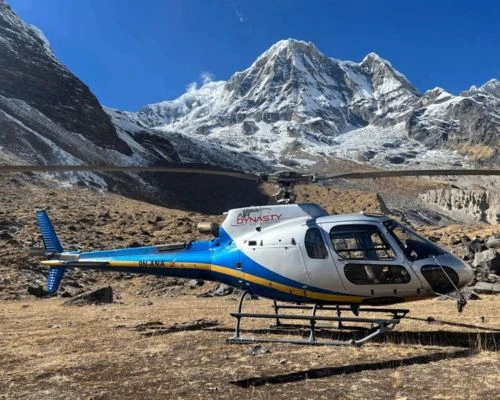
If anyone feels unwell, we can arrange extra rest days or even a helicopter evacuation as a final option. Your safety is our top priority.
How to Prepare for a Safe and Successful Annapurna Base Camp Trekking?
Planning is the secret to turning your Annapurna Base Camp trek Nepal into a lifetime experience. Conditioning your body and mind is necessary to remain safe and enjoy every second on the trail.
Start by properly researching the trail. Learn the Nepal Annapurna Base Camp trek elevation profile, weather, and distances per day. Understand potential hazards like altitude sickness so that you can make informed decisions and be aware of early warning signs.
At Himalayan Recreation, we provide you with extensive briefings and personalized advice before your trek so that you know what to expect. Another important factor is understanding your physical ability and taking the journey at your own pace.
Finally, trekking with an experienced local operator like Himalayan Recreation plays a crucial part in preparing for your adventure tour ahead.
How Can I Get Fit for the ABC Hike?
Our 10 days ABC Hike isn't an achievement for competitive athletes, but you'll need to be healthy enough to withstand days of trekking, ascending steep slopes, and thinner air at high altitude.
To have a comfortable and easy journey, you can start building your cardiovascular endurance. As the trek involves many stone staircases, stair climbing or a stair machine is excellent training.
Condition the leg, core, and back muscles to prepare for the ups and downs of the trail, as well as backpacking. Squats, lunges, step-ups, and planks are all excellent exercises for trekking preparation.
Also, don’t overlook practice hikes. Spend weekends carrying a loaded backpack on hilly or uneven terrain to simulate real trekking conditions. This helps toughen your muscles, test your gear, and build confidence in handling varied surfaces similar to the Annapurna Base Camp trek terrain.
We’re happy to provide personalized fitness guidance. If you are an experienced trekker or a newbie, we can help you gauge your fitness level and recommend practical training suggestions.
What essential gear should I pack Nepal trek to Annapurna Base Camp?
It is crucial for a safe, comfortable, and successful Nepal trek to Annapurna Base Camp.
At Himalayan Recreation, we maintain a maximum luggage limit of 12 kg per person for your porter to carry. Two trekkers share one porter, so we help balance the weight fairly.
Further, we provide you with a duffel bag, high-quality sleeping bag free of charge for use during your trek. Below is the detailed packing list for your reference:
- Clothing: -Baselayer -Insulation layer -Third layer
- General Trekking gear -Trekking trousers and shirts -Trekking shorts -Waterproof shell jacket and trousers -Underwear
- Headwear -Hat -Beanie -Neck gaiter
- Handwear and Footwear -Inner Gloves -Outer insulated gloves -Hiking boots -Trekking shoes/sandals -Hiking socks -Warm thermal socks -Gaiters
- Bag and backpackers -Duffel bag -Backpack -Day back -Raincover -Drybag
- Sleeping gear -Sleeping bag -Liner -Earplugs
- Poles and Headgear -Trekking poles -Sunglasses and headlights
- Important accessories -Water bottle/Hydration bladder -Towel -Pee funnel -Lock -Waterproof bag
- Extra accessories -Camera -Portable charger, books, cards, passport, money
- Medications and Toiletries: Water purification tablet, Isotonic powder, Diamox, Common Medications, First aid kit, Sunscreen, Baby wipes, Toiletries, Plasters, Oximeter, Hand Sanitizer
Anything unnecessary for the trail, like city clothes, extra luggage, or valuables, can be safely stored at your Kathmandu hotel or Himalayan Recreation office at no extra cost.
Do I Need Travel Insurance for Hike and What Should It Cover?
Yes, Travel Insurance is one of the essential elements when embarking on any trip in the Himalayas.
Although our Annapurna Base Camp trip is a moderate-grade trek, it still includes walking on rugged terrain with potential altitude sickness and other unpredictable possibilities. Thus, having travel insurance is a non-negotiable factor.
In selecting travel insurance for the trek to Annapurna Base Camp, ensure your policy has:
- Helicopter evacuation coverage up to 4000 meters
- Accident and illness coverage
If you're unsure, we’re happy to guide you on the best providers for the Nepal Annapurna Base Camp Hike.
What is Trekking Safety & Altitude Sickness Management During the Hiking?
Understanding altitude and safety is essential before beginning your Annapurna Base Camp Trek. Our routes, pacing, and expert guidance are all designed to keep you comfortable and safe throughout the journey.
What Is AMS and What Are the Symptoms?
Acute Mountain Sickness (AMS) occurs when the body struggles to adjust to lower oxygen levels at higher altitudes. Anyone can experience AMS, even experienced trekkers.
Typical symptoms include:
- Headache
- Dizziness or lightheadedness
- Loss of appetite
- Nausea or vomiting
- Shortness of breath at rest
- Disturbed sleep
If you notice symptoms during your ABC trekking, do not ascend further. Inform your guide immediately. Our guides are trained to monitor AMS and take action quickly when needed.
How Himalayan Recreation Keeps You Safe During the ABC Trekking?
Your safety is our top priority. All our guides are licensed, highly experienced, and trained in high-altitude first aid.
Here’s how we keep you safe:
- Well-paced itinerary: We ascend gradually to reduce AMS risk.
- Daily health checks: Guides monitor oxygen levels and overall condition.
- Responsive adjustments: If needed, we change your pace or schedule.
- Reliable communication: Guides carry communication devices for emergencies.
- Experienced leadership: Our ABC trekking experts have led thousands of trekkers safely.
What Happens in an Emergency or if Evacuation Is Needed during the trekking?
Even with careful planning, sometimes emergencies do happen during the trek. For such situations, our guides carry a comprehensive first-aid kit and are well trained to treat AMS or other symptoms of illness on the trail.
In the event of evacuation, Himalayan Recreation can arrange a helicopter rescue to anywhere on the Annapurna Base Camp trekking route to bring you prompt medical attention in Kathmandu. This is why you need to secure travel insurance, as without insurance, emergency evacuation would cost a hefty amount.
Do I need a guide and a porter for the Annapurna Base Camp Trekking?
Yes, it is strongly recommended to have a guide and porter for the trek to the Annapurna Base Camp.
Although well-marked, traveling alone on the route may be challenging, especially at higher altitudes or during erratic weather conditions. A trained guide provides safety, provides valuable commentary on culture and the natural world, and manages logistics like accommodation and permits.
Having a porter allows you to bring only a daypack, keeping your trek much simpler and less likely to make you tired or injured. Your porter will carry up to 12 kg of your load (per two trekkers), so you can spend more time enjoying the experience, scenery, and camera taking instead of the pack on your back.
When you book your Annapurna Base Camp Trek Nepal with Himalayan Recreation, you are equipped with guides who have experience, are licensed, and possess high-altitude first aid training for a secure and memorable trek.
Do I Have to Give Tips to the Guide and Porter?
Tipping is not mandatory but is a thoughtful way to appreciate the hard work of guides and porters. Trekkers usually tip 10–15% of the total trip cost, depending on service satisfaction.
How Do You Get Around? Transport Tips Every Trekker Needs to Know
For your Annapurna Base Camp Trek, we arrange convenient and secure modes of transport to provide a smooth ride for you all along. There are two ways you can go around, as mentioned earlier: By bus and by plane at an extra cost
By Bus/sharing jeep: The most common way of getting to the beginning point of the trek is by tourist bus or shared jeep from Kathmandu to Pokhara, with a scenic drive through Nepal's beautiful countryside. From Pokhara, you will take private transportation that brings you closer to the trailhead.
Flight option: If you would rather save time or appreciate stunning scenery from the air, you can opt for a flight between Pokhara and Kathmandu. Flights are approximately 20 minutes long and cost approximately USD 110 per person one way, which is a fast choice for trekkers who are short on time.
Both options are safe and organized by our team.
What a Typical Day Looks Like
Your trekking day begins with breakfast and scenic views. Expect 5–6 hours of walking through beautiful landscapes and villages. Lunch is taken at a teahouse along the route. Evenings include dinner, relaxation, and preparation for the next day’s adventure.
Every day brings new experiences and Himalayan views.
How is Accommodation during the Annapurna Base Camp Trekking Holiday?
On our Annapurna Base Camp Trek package, you’ll spend five nights in comfortable lodges or hotels, mostly in twin-sharing rooms. At popular stops like Chomrong, and Jhinu Danda, many lodges offer private bathrooms with hot showers for added comfort.
In higher or more remote places such as Himalayan, ABC, and Bamboo, you’ll stay in standard rooms with shared facilities, which are clean and cozy but more basic due to the altitude and remoteness.
At the beginning and end of your adventure, you’ll enjoy four nights in three-star hotels in Pokhara and Kathmandu, where you’ll have modern comforts like 24-hour hot water, television, and laundry services perfect for relaxing after your trek.
Charging Facilities
Most tea houses have electricity (solar or generator) where mobile phones, cameras, and power banks may be charged for a small fee (USD 2–3 per item). We suggest you bring a portable power bank, especially to high altitudes where electricity is limited.
For more advanced facilities during the trek, you can choose to do our Luxury Annapurna Base Camp trek that includes luxurious accommodation and facilities while still offering you the adventure of hiking to the Annapurna Base Camp.
What to Expect Your Food on the Annapurna Base Camp Trek?
Your 10 days Annapurna Base Camp Trekking Package includes three full meals a day, breakfast, lunch, and dinner that are designed to sustain you during your trek.
The package include three cup of tea, you can have tea with each meal for warmth and to keep you hydrated. Although you will be provided with a variety of foods, vegetarian food is strongly recommended for better digestion and cleanliness in high altitudes. however how ABC trek packages does not include the drinking water, but we can provde you water purification tablets and our guie will help you to fill the water bottel as pr your requrimetns.
Below are the food options you will get for your breakfast, lunch, and dinner:
Breakfast
- Tibetan bread with honey or jam
- Porridge
- Pancakes or cornflakes
- Toast with eggs (fried, boiled, scrambled, or omelet)
- Chapati with honey
- Tea or coffee
Lunch
- Dal Bhat (Nepal’s traditional rice, lentils, and vegetables)
- Fried noodles or pasta
- Sherpa stew (thukpa)
- Fried rice with eggs or vegetables
- A hot cup of tea
Dinner
- Dal Bhat
- Vegetable momos (dumplings)
- Soups (garlic, vegetable, noodle)
- Pizza (simple varieties in larger villages)
- Pasta dishes
- A hot cup of tea
All food is freshly prepared and filling, providing you with the energy needed on our Nepal Annapurna Base Camp trek. Remember that food choices slowly reduce as you ascend higher in elevation.
we recommend carrying purification methods to save money and reduce plastic waste. You can also get boiled water at the lodges you stay at an extra cost if you prefer hot water.
Extra Expenses during the Annapurna Base Camp trekking
Our Annapurna Base Camp trek package covers almost everything you need during the journey. However, it is important to have some extra cash with you.
Extra expenses can go on hot showers, which cost USD 2-3 extra, charging your electronics, and wifi access. Apart from that, if you want some extra snacks, soft drinks, or want to buy souvenirs, then extra expenses are required.
So, we always recommend carrying some extra cash in Nepali rupees.
ABC Trekking Permits and Entry Eequirements
We handel all the required permits for your 10 days Annapurna Base Camp Tour, you’ll need two key permits:
- Annapurna Conservation Area Permit (ACAP): It costs approximately USD 30 per person for foreign nationals and USD 10 per person for SAARC nationals.
- Trekkers’ Information Management System (TIMS) Card: It costs approximately USD 20 per person for foreign nationals and USD 10 per person for SAARC nationals.
Both of these permits are included in the cost of your trek package when you travel with us. Your guide will carry and handle your permits during the trek, doing all the checks along the way at various security posts.
How to Book the Annapurna Base Camp Trek Holiday for 2026 and 2027?
Booking your Annapurna Base Camp Trek holiday with us is simple, secure, and tailored to your needs.
No matter the kind of trip you choose from a private trek, customization of dates, or one of our guaranteed group treks, we’ve made the process hassle-free and simple.
As a fully licensed operator registered with TAAN, NMA, and Nepal’s Department of Tourism, you can book your 10 days Annapurna Base Camp journey with us with complete confidence.
- Step 1 Choose Your Trekking Dates: Decide your preferred trekking dates, free to choose your travel date
- Step 2 Contact Us to Confirm Availability: Reach out to Himalayan Recreation via our website or WhatsApp to check trek availability and ask any questions you may have.
- Step 3: Reserve Your Spot: Once you confirm your trek, we’ll send you the booking form. You’ll need to fill in your details and passport copy.
- Step 4: Make a Deposit: A small advance payment (usually 20% of the total cost) is required to secure your spot. This can be paid via bank transfer, credit card, or online payment gateway.
- Step 5: Receive Booking Confirmation: After receiving your deposit, we’ll send you a confirmed itinerary, invoice, and essential trekking information to help you prepare.
- Last-Minute Booking: Available with 100% payment required at least 24 hours before departure, subject to availability.
If you find any confusion at the time of booking your dream holiday to Annapuran base camp in Nepal. Please fell free to reach outus anytime, our local ABC trek experts are avaiable 24 hours on your services.