When is the Best Time to Trek to Kanchenjunga North Base Camp?
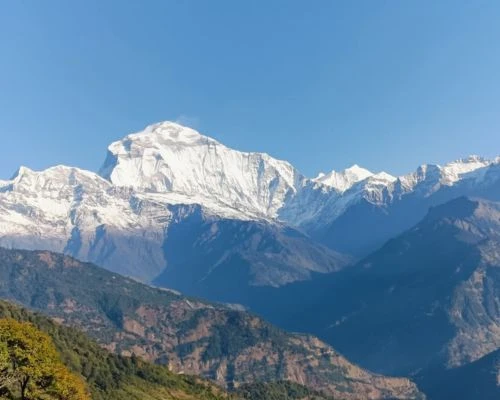
It is best to undertake the Kanchenjunga North Base Camp Trekking during spring, between March and May, or during the autumn between September and November. During spring, forests of rhododendrons lining the trail break into fiery reds and pinks, creating magnificent scenic vistas. The clear skies during these months offer uninterrupted vistas of Kanchenjunga and the surrounding Himalayan peaks.
Autumn provides equally spectacular views, with crisp, stable weather and a reduction in cloud cover. The trails are also dry and safe, hence more comfortable for trekking and just perfect for photography. Both spring and autumn offer pleasant temperatures for walking during the day while still being cool enough at night to enjoy the high-altitude environment.
Heavy snowfalls and frigid temperatures hit during the winter months, especially above Khambachen and Lhonak, while the slipperiness of the trails and cloud obscuration may occur during the monsoon season, usually from June to August. Therefore, winter and monsoon are not the best times for the trek. We highly recommend that you plan for the trek in spring or autumn, which will ensure your safety and the most rewarding visual experience of this remote region.
What kind of Accommodation is available during the Kanchenjunga North Trek?
Accommodations during the Kanchenjunga North Base Camp Trek are mostly in local teahouses, where you can enjoy comfortable and convenient stays. These teahouses are family-run businesses that offer warm hospitality, hot meals, and cozy rooms to trekkers.
Private or shared rooms, blankets, and basic hygiene facilities are provided along the trek by tea houses in villages including Sekathum, Amjilosa, Gyabla, Ghunsa, Khambachen, and Lhonak. While the rooms are simple, they are clean and safe, with the rest and comfort needed after long days of trekking.
Facilities are more basic in the high-altitude settlements of Lhonak and Khambachen, but teahouses make sure warm meals are served with hot drinks to make the stay manageable and pleasant. Wifi and data connection are limited, and hot showers might be available in some places for an extra charge.
In Kathmandu and other lower altitude towns, you will be staying in a three-star hotel with all the needed amenities available.
What kind of Food & Drinking Water are available on the route?
Our Kanchenjunga North Base Camp Trek package is designed to include three meals each day: breakfast, lunch, and dinner. You will get to eat traditionally prepared Nepalese food along with high-energy meals and local specialties that are nutritious and delicious.
Breakfast usually consists of porridge, eggs, bread, tea, or coffee to energize for the day. Lunch usually consists of rice, noodles, vegetables, soups, and sometimes meat dishes from the region. Dinner is hearty, often with dal bhat, soups, and seasonal vegetables that provide the necessary calories during high-altitude trekking.
Most tea houses have clean water available, but purification using tablets or a filter is highly recommended for safety. Herbal teas, coffee, and hot drinks are very readily available and are particularly good for hydration at altitude.
What transportation is included in the Kanchenjunga North trek?
The Kanchenjunga North Base Camp Trek starts with a flight from Kathmandu to Bhadrapur. This flight over the eastern Himalayan foothills gives you a unique view of the river systems, hills, and farmlands that create this wild area.
From Bhadrapur, you then take a long but scenic jeep drive to Taplejung. Driving through tea gardens, small villages, and rolling hills, the road gives a first glimpse of the rural communities and landscapes you cross during the trek.
Once trekking begins, transportation is by foot, and on route, it winds through forests, rivers, and alpine meadows. At the end of the trek, road transfers take you from Sekathum to Kanyam in Ilam and then onward to Bhadrapur to catch your flight back to Kathmandu. Logistics, from airport pickups and domestic flights to road transfers, are handled with utmost care by Himalayan Recreation Treks to make your trip hassle-free and enjoyable.
How Difficult is the Kanchenjunga North Base Camp trek?
Kanchenjunga North Base Camp Trek is a demanding high-altitude trek that requires good fitness, stamina, and previous trekking experience. The trail is basically well-marked, but parts like Ghunsa to Khambachen and further up to Lhonak are steep, rocky, and sometimes covered with snow, needing careful footing and endurance.
Daily trekking distances are moderate, usually around 9–12 kilometers per day, but on longer days, such as the descent, distances exceed 20 kilometers. Adding to the physical demands, trekking is done at high altitudes, with heights over 5,100 meters at Pang Pema. Properly scheduled acclimatization days, like the one at Khambachen, are built into the schedule to minimize the effects of altitude sickness and enable trekkers to adapt in safety.
Difficult as it can be, this trek rewards the adventurer with marvelous alpine landscapes, glacial valleys, and an up-close view of Kanchenjunga's north face. It is ideal for experienced trekkers who are eager to explore a remote and pristine part of Nepal, combining adventure, culture, and nature in one unforgettable journey.
What is Altitude Sickness, and what are the chances of getting it in the Kanchenjunga North trek?
High altitude on the Kanchenjunga North trek, like the one to Lhonak and Pang Pema, exposes you to thinner air, meaning altitude sickness might occur. Altitude sickness happens when your body fails to adjust to the increasing altitude. Symptoms are a headache, nausea, fatigue, and shortness of breath.
Proper acclimatization days, such as the resting schedule in Khambachen, are crucial for allowing your body to get used to the increasing height. Minimizing risks of altitude problems involves drinking plenty of water, comfortable walking, and avoiding alcohol or heavy meals.
Our guides at Himalayan Recreation are trained in high-altitude safety, and they are always equipped with first-aid kits, oxygen cylinders, and emergency communication equipment. They will be continuously monitoring altitude sickness and can also modify the itinerary if necessary to assure safety.
How to Prepare for the Trek to Kanchenjunga North Base Camp?
Preparation is the key to a successful Kanchenjunga North Base Camp Trek. As physical fitness is crucial, daily cardio exercises, long walks with a weighted backpack, and stair climbing can help you build strength and stamina for high-altitude trekking.
The practice of basic trekking techniques, such as the use of poles and pacing, will also enhance comfort and efficiency on the trail. Mental preparation is equally important, as the trek involves long days, remote villages, and unpredictable weather.
Knowing what to expect-including altitude variations and modest accommodations, helps to embrace the journey. Before embarking, make sure that all documents, travel insurance, and emergency contacts are up-to-date.
What to pack for the Kanchenjunga North Trek?
Packing smart will be one of the main keys to success on the Kanchenjunga North Base Camp Trek, as this trail involves both moderate and high-altitude conditions. Essential equipment includes a strong backpack, layered clothes, insulated jackets, waterproof jackets, trekking boots, and warm socks to protect against cold, wind, and occasional rain. Accessories like hats, gloves, and sunglasses help with protection from sun exposure and high-altitude chill.
Safety and comfort are enhanced with trekking poles, reusable water bottles, water purification tablets, and personal first-aid kits. Other items include a headlamp, personal toiletries, and extra snacks to restore energy levels during and after the hike.
Although some items can be rented locally, carrying your own gear ensures comfort and hygiene. We also provide you with trekking poles, a sleeping bag, and a duffel bag if you need. Any extra luggage can be stored at our office in Kathmandu or at your hotel.
What permits are required for the Kanchenjunga North trek?
To trek to Kanchenjunga North Base Camp, you need three permits, which are:
- Restricted Area Permit (RAP): As the Kanchenjunga region is classified as a restricted zone, you require a RAP, which costs around USD 20 per person per week for the first four weeks, and it increases after that.
- Kanchenjunga Conservation Area Permit (KCAP): This is to enter the conservation area. This costs NPR 2,000 for foreign trekkers, and it is cheaper for trekkers from SAARC countries.
- TIMS card: This costs around USD 20 per person.
You do not have to worry about issuing and arranging these permits, as everything will be taken care of by your guide.
How much will the Kanchenjunga North Base Camp Trek cost for 2026 and 27?
Our trek to Kanchenjunga North Base Camp costs start from USD 2899 for the 2026/27 season. The cost further varies based on the number of trekkers in the group, any customization you make, or other side trips. Check the table below for the detailed cost based on the number of people:
No of people | Cost per person |
1 | USD 3599 |
2-4 | USD 3299 |
5-7 | USD 3099 |
7+ | USD 2899 |
Our package cost includes accommodation, all meals during the trek, professional guides and porters, all the necessary permits, transportation, flight, and all other logistics. You can trek worry-free while booking the trek with us, as everything will be handled by us.
For any changes in the itinerary or customization, you can reach out to us directly via email or WhatsApp.
How to Book the Kanchenjunga North Base Camp Trek with Himalayan Recreation?
Booking with us involves a simple procedure that is meant to provide hassle-free experiences right from the beginning. You can start by visiting our official website or contacting us through any other means, like email or WhatsApp.
After confirming that your preferred dates are available, you will have to submit all the necessary documents, and a deposit is required to confirm the reservation so that we can pay in advance for flights, hotels, and trekking permits. All the necessary permits, TIMS cards, and national park fees are handled by our team so that you may fully focus on the preparation of the adventure.
Pre-trek briefing will be given before the trek to discuss packing, safety, and acclimatization. Payment and final preparations can be made either online or in our offices in Kathmandu before departure.



 3 reviews