How to Reach the Everest Base Camp without the Lukla Flight?
The highlight of this package is that you will not be flying into Lukla. Instead, your Everest Base Camp Trek without Lukla Flight begins with an overland jeep drive. You will travel from Kathmandu (1,400 m) to Thamdanda (2,326 m) on Day 2 of the itinerary, a 10–12 hour drive along winding mountain roads, hillside villages, and river valleys.
This jeep journey is a unique cultural experience as you wind your way through rural Nepal before you reach the trail. Your trek then begins from Thamdanda, following the classic Khumbu trails to Everest Base Camp and Kala Patthar. All transportation to the Trek Everest Base Camp by road is included in your package and will be handled by Himalayan Recreation.
When Is the Best Time to Trek to Everest Base Camp by Road?
The best time for the Everest Base Camp Trek without the Lukla Flight is during spring (March–May) and autumn (September–November).
- Spring (March–May): The weather is mild, the skies are generally clear, and rhododendrons bloom across the trails, painting the forests with red and pink. This is also one of the best times to enjoy long daylight hours for trekking.
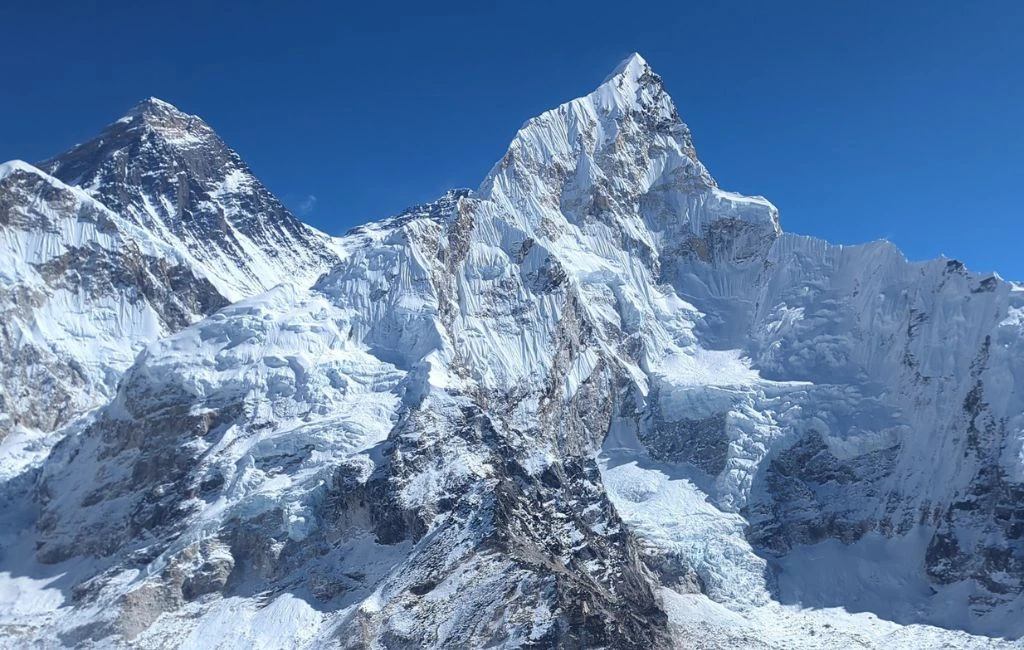
- Autumn (September–November): After the monsoon rains, the air is crisp and clean, offering some of the clearest mountain views of Everest, Lhotse, and Ama Dablam. This is peak trekking season, so trails may be busier, but the views are unbeatable.
While trekking is possible in winter (December–February), expect freezing nights and possible snow-blocked passes. Monsoon season (June–August) brings heavy rain, muddy trails, and leeches in lower altitudes, making it less favorable. If you are planning your Everest Base Camp Trek by road in 2026/2027, we highly recommend either spring or autumn for the best experience.
Where Do You Stay During the Everest Base Camp Trek Without a Flight?
Accommodation along the Everest Base Camp Trek by Jeep Drive is in local tea houses, which are simple but cozy mountain lodges run by Sherpa families.
Rooms usually come with twin-sharing beds, minimal bedding, and thick blankets, but we strongly recommend bringing a sleeping bag rated to -10°C for comfort in colder months. The rooms are not heated, and the bathrooms are generally shared.
Electricity is available for charging devices at an extra cost, and Wi-Fi can be found in larger villages such as Lukla, Phakding, and Namche Bazaar, though it becomes less reliable at higher altitudes.
What Food Can You Expect on the Everest Base Camp Trek by Road?
One of the highlights of the Trek without Lukla Flight is the chance to enjoy fresh, warm, and hearty meals along the trail. Most tea houses serve traditional Nepali Dal Bhat (steamed rice, lentils, and seasonal vegetables), which is both filling and energizing for trekkers.
You’ll also find Tibetan-style noodle soups, fried rice, pasta, potatoes, dumplings (momos), and porridge to keep your energy levels up during long days of hiking. Breakfast often includes eggs, bread, tea, or coffee, with some tea houses offering pancakes, chapati, or oats for variety.
Food is simple but wholesome, designed to give you strength at high altitudes. Western-style options may be available in larger villages like Namche Bazaar, but local meals remain the healthiest and most authentic choice.
How Do You Stay Hydrated During the Trek to Everest Base Camp by Road?
Drinking safe water is essential for the Everest Base Camp Trek by Road. Most tea houses provide boiled water for an additional charge, which is the most reliable option. Bottled water is also sold in villages along the way, but to avoid the use of plastics, this option is the least recommended.
To minimize costs and protect the environment, we recommend carrying a refillable water bottle and purification tablets or a portable water filter. This way, you’ll always have access to safe drinking water without contributing to plastic waste.
How Difficult Is the Everest Base Camp Trek Without the Lukla Flight?
The Everest Base Camp Trek by Road is considered a moderate to challenging journey depending on your fitness level. You will be trekking between 5 and 8 hours a day, with gradual uphill climbs, steep descents, and high-altitude trails above 5,000 meters.
The road journey to Thamdanda provides a gentler acclimatization compared to the flight route, making it more manageable for trekkers who want to avoid sudden altitude gain.
This trek is suitable for active hikers who are reasonably fit and can commit to daily walking. Previous trekking experience is helpful but not compulsory, as our itinerary is designed to provide enough acclimatization days. With good preparation, you can complete the trek successfully.
Should you be worried about altitude sickness during the Everest Base Camp by Road?
The Everest Base Camp by road without the Lukla flight does expose the body to elevated altitudes that pose the possibility of altitude sickness. Once you are above 3,000 m, there's a very large chance of contracting Acute Mountain Sickness (AMS).
Some of the symptoms you should be aware of are headache, nausea, dizziness, and loss of appetite. There are two acclimatization days planned in our itinerary at Namche and Dingboche for your body to get accustomed.
To ensure that you do not have altitude sickness, make sure to trek slowly, drink lots of water, and abstain from alcohol. If you notice any of the symptoms, even if they are mild, let your guide know.
How to Prepare for the Everest Base Camp Trek by Road?
The Everest Base Camp Trek by Road is a 16 days adventure that demands both physical stamina and mental readiness. Unlike the standard route that starts with a flight to Lukla, this package begins with a rugged jeep drive from Kathmandu to Thamdanda.
This means you’ll experience a gradual altitude gain, but the long trekking days stay the same. Before departing, we recommend that you condition your fitness with cardio, trekking, and weight training. Walking with a backpack for extended periods of time is ideal training. Mental preparation is also required, as the Everest Base Camp Trek via Jeep Drive is rugged and adventurous, with basic lodging along the way.
You don't need professional mountaineering skills, but a positive attitude and adaptability are necessary.
Packing List for Everest Base Camp Trek by Jeep Drive
Smart packing is the key to a successful Everest Base Camp trek without a flight. With the trek ranging in altitudes from 1,400 m in Kathmandu to 5,555 m at Kala Patthar, layering is the method of staying comfortable.
- Moisture-wicking thermal tops and bottoms as a base layer
- Insulating fleece or down jacket
- Waterproof and windproof outer shell jacket & pants
- Trekking pants and quick-dry shirts
- Warm hat, gloves, and scarf
- Sturdy trekking boots and spare socks
- Sleeping bag (rated to -15°C for high altitude nights)
- Trekking poles for steep ascents/descents
- Reusable water bottle and purification tablets
- Sunglasses with UV protection and sunscreen
- Headlamp with extra batteries
- Personal first-aid kit and prescribed medicines
- Power bank for charging devices
- Lightweight backpack (30–40 L) for daily essentials
Travel light, but don’t compromise on warmth and safety. If you’re missing gear, Kathmandu and Namche Bazaar both have shops for rentals and purchases. Further, we provide our trekkers with sleeping bags, duffel bags, and trekking poles in case you do not already have them.
What are the permits required for the EBC trek by road?
Every trekker trekking to Everest Base Camp must obtain the necessary permits. For the Everest Trek by Road, you’ll need:
- TIMS Card (Trekkers’ Information Management System) – Tracks trekkers for safety.
- Sagarmatha National Park Entry Permit – Required to enter the Everest region’s protected area.
- Local Khumbu Pasang Lhamu Rural Municipality Permit – Supports local development and community projects.
We manage all these permits as part of your trek package when you book with us. You don't need to worry about standing in line or filling out paperwork; we do this for you, so you can simply enjoy the adventure.
How much does the Everest Base Camp Trek by Road cost for 2026/2027?
The Everest Base Camp Trek by Road cost of our package for 2026/2027 ranges from USD 1499 to USD 1799 per person, depending on group size, personalization, and service selected.
As our package is all-inclusive, the cost includes all the road transfers from Kathmandu to Tham Danda and back, complete trekking service (guide, porter, accommodation, meals), trekking permits, and government fees.
Check the table below for the cost according to the number of trekkers in the group:
No of trekkers | Cost per person |
1 | USD 1799 |
2-4 | USD 1599 |
5-7 | USD 1499 |
7+ | USD 1399 |
How to Book the Everest Base Camp Trek by Road for 2026/2027?
It is simple and trouble-free to book your Everest Base Camp Trek by Road with us for the 2026/2027 season. Whether you're traveling solo, with friends, or in a group, we'll tailor the package to your travel preferences and needs.
To get started, you can fill out our online inquiry form or contact us directly. We confirm your dates, and a 20% deposit is needed to be paid to book your place, with the remaining payable before the start of the trek in Kathmandu.
To provide additional flexibility, you can reschedule the date of the trip if your travel plans change. To know more about customization, you can directly contact us via Email and WhatsApp.



 42 reviews
