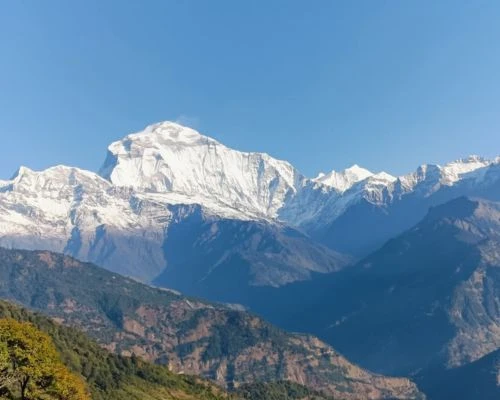
What is the Best Time to Trek to Kanchenjunga South Base Camp?
The best seasons for the Kanchenjunga South Base Camp Trekking include autumn from September to November and spring from March to May. During these months, the weather is usually stable, the skies are clear, and the mountain views are at their best. It's ideal for photography and high-altitude trekking.
Off-season trekking may be possible either in winter or during the monsoon, but snowfall, landslides, or poor availability of lodges will be a challenge. For trekkers planning the 2026/2027 expedition, autumn is normally preferred, with the best trail conditions, better visibility, and moderately warm temperatures.
Spring is the time for rhododendrons to bloom and lush landscapes to emerge, creating a visually stunning experience. If you are in confusion about when to book your trip, reach out to us, and our team will help you plan according to the weather patterns and also to your comfort.
What kind of accommodation is available on the Kanchenjunga South Base Camp Trek?
Accommodation on the Short Kanchenjunga Trek is carefully selected to provide maximum comfort without compromising the remote adventure experience. Throughout the trek, you will stay in local lodges and teahouses that have private rooms with bedding, clean bathrooms, and cozy communal dining areas.
In some of the more remote high-altitude villages, facilities may be basic but are always clean, safe, and well-organized. The lodges are strategically positioned so that there is enough time to rest and acclimate properly, allowing you to enjoy sunset views, snow-capped mountains, and high-altitude valleys after a long day of trekking.
Most of the teahouses along the way offer charging facilities, wifi, and hot showers at an extra charge. At the higher altitude, however, the connection is limited, and so are the facilities.
What are the options for food and drinking water on the trek?
On the trek to Kanchenjunga South Base Camp, Himalayan Recreation makes sure the meals are nutritionally balanced and high-energy enough to deal with high elevation, and also hygienic. The menu on offer is a selection of Nepali cuisine, together with recognizable Continental food along the route.
Your breakfast will normally consist of oatmeal porridge, egg, bread, and tea/coffee. The meal for lunch and dinner will include rice, noodles, lentil soup (dal bhat), fresh vegetables, and protein such as egg or chicken, depending on availability. You can also get options of dumplings, fried rice, and noodle soup at some of the teahouses in lower altitudes.
While most of the lodges provide safe drinking water, carrying purification tablets or a personal filter bottle is recommended for added safety, especially in higher altitude areas where the sources may not be fully treated. Hydration is key to avoiding altitude-related issues, and your guides make sure that you have access to safe drinking water throughout the trek.
How is transportation managed for the trek?
The transportation for this trek includes airport pickups, flights, private vehicles for road transfers, and jeeps where required. You first fly from Kathmandu to Bhadrapur, from where a short drive leads you to Ilam. You will then have another day of driving to Taplejung, which is the beginning point of your trek.
Once you complete the trek, you will have a short drive to Phidim from your trekking ending point, Ranipul. A drive from Phidim to Bhadrapur and a flight from there brings you back to Kathmandu.
All the transportation from road to air on this 13 days itinerary is included in our package, so you do not have to worry about any of these logistics.
What is the difficulty level of the trek to Kanchenjunga South Base Camp?
The Kanchenjunga South Base Camp falls into the category of a moderate to challenging trek due to its remoteness, high altitude, and long trekking hours per day. You will be going through narrow trails, steep ascents and descents, river crossings, and high mountain passes throughout the trek.
Some days require 6-8 hours of walking, whereas acclimatization days allow for shorter walks and exploration. This is an ideal trek for people who have considerable physical fitness and are experienced trekkers, although beginners can also try to do this trek with proper planning and an expert guide.
Himalayan Recreation aims to balance adventure alongside safety and comfort during your trek for everyone to fully enjoy the journey without avoidable risks. So we designed our itinerary with safety in mind, and our guides are well-trained for remoteness and emergencies.
What is altitude sickness, and how can it be managed on the Kanchenjunga Trek?
Acute Mountain Sickness (AMS) or altitude sickness, usually develops when the body cannot adjust to high altitudes—ordinarily above 3,000 to 3,500 meters. Symptoms may involve headaches, nausea, fatigue, dizziness, and shortness of breath. On the Kanchenjunga South Base Camp Trek, altitudes reach over 4500 meters, making acclimatization very necessary.
Our guides monitor your symptoms of altitude sickness throughout the trek and make sure everyone is safe. To avoid altitude sickness, make sure you drink plenty of water, walk slowly, and avoid alcohol. In case of emergencies, we are prepared for either descent or helicopter evacuation, so let your guide know immediately if you feel something is wrong.
How to Prepare for the Kanchenjunga South Base Camp Trek?
Preparing for the Kanchenjunga South Base Camp Trekking involves physical fitness, mental preparation, and proper equipment. As the trek is challenging and remote, you should start physical training a few months prior. We recommend regular cardio exercises, hill walking, and climbing stairs to simulate trekking conditions.
Strength training is necessary for the legs, core, and back to help in carrying a daypack through long daily treks. It's also important to acquaint yourself with high-altitude trekking, as this route is really remote, with very limited facilities.
Preparing yourself mentally for long days, uncertain weather, and moderate isolation will ensure you enjoy the trek fully and safely. Himalayan Recreation also provides pre-trek briefings, equipment checks, and guidance on fitness routines so that you're fully prepared for your adventure.
What to Pack for the Kanchenjunga South Base Camp Trek?
Packing wisely is important and ensures a comfortable and safe journey. As this is a remote trail, make sure to pack all the essentials, and you do not have to worry about the weight, as there will be a porter to carry your main backpack. Some of the important things:
- Lightweight Down Jacket
- Thermal base layers
- Trekking boots and sandals
- Sun hat, sunglasses, and SPF50+ sunscreen
- Daypack + fleece layer
- Headlamp with extra batteries
- Personal first-aid/medication and water purification tablets
- Lightweight technical jacket and smart-casual clothing for lodge nights
- Extra batteries for the camera and power bank
- Gloves, beanie, and hat
We also provide you with a duffel bag, a sleeping bag, and trekking poles if you do not already have them. If you want an even more detailed packing list, then you can reach out to us via WhatsApp or email.
What permits are required for the Trek?
As Kanchenjunga is a restricted and protected area, special permits are required for trekking in this region. Trekkers must have:
- The Kanchenjunga Conservation Area Project (KCAP) permit plays a vital role in the protection of the unique ecosystem and aids in providing benefits to the local communities.
- Restricted Area Permit, as Kanchenjunga belongs to the restricted entry zone in Nepal.
Himalayan Recreation will help you with all permit arrangements before your departure, including arranging permits, documentation, and processing fees, which eliminates the possibility of delays or any other inconvenience at the trailhead.
What is the Kanchenjunga South Base Camp Trek cost for 2026/2027?
The cost of our Kanchenjunga South Base Camp Trek depends on the size of the group and the season you choose to trek in. The cost ranges from USD 1899 to USD 2299 per person. Check the table below for the cost per person based on the number of trekkers.
No of people | Cost per person |
1 | USD 2299 |
2-4 | USD 1999 |
5-7 | USD 1949 |
7+ | USD 1899 |
This trek is in a remote region with limited infrastructure, which makes careful planning and guided support essential.
Thus, our package cost includes everything from a licensed English-speaking guide, porter(s) for luggage, all accommodation, meals during the trek (breakfast, lunch, dinner), trekking permits and conservation fees, and airport transfers.
How to Book the Short Kanchenjunga Trek?
Booking this trek is easy and safe with us. Your booking process in simple steps is:
- Go to our Kanchenjunga South Base Camp trek webpage and choose your preferred date.
- Fill out the form and provide all the needed documents.
- Pay the 20% deposit to confirm your booking.
You will then receive the confirmation email from us. You can also alternatively reach out to us via email if you want a customized itinerary. For payment, we accept verified safe payment portals. The rest of the amount can be paid once you are in Nepal.
Further, if your plans change, then our cancellation policy is highly flexible, with the facility to postpone the dates or refund money, depending on the time of cancellation, giving you complete peace of mind when booking your adventure.



 3 reviews