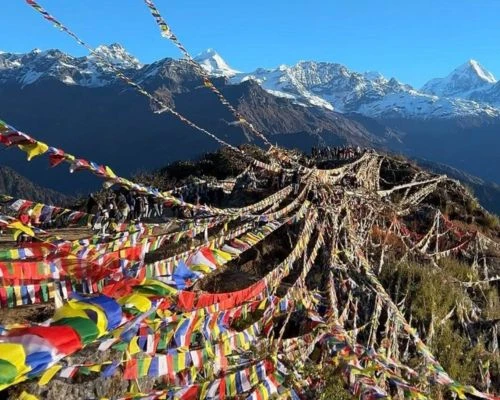
Tamang Heritage & Langtang Valley Trek – 12 Days Cultural Himalayan Journey

355+ Reviews in TripAdvisor34+ Reviews in Google
Tamang Heritage and Langtang Trek

The Tamang Heritage and Langtang Valley Trek is a journey that combines mountain scenery with authentic cultural encounters within the heart of Nepal's Himalayas.

Winding its way through ancient Tamang settlements, sacred monasteries, alpine valleys, and breathtaking views of Langtang Lirung, this route offers you peace and an authentic glimpse into the Tamang community's lifestyle.

Himalayan Recreation is now offering you the perfectly designed 12 days itinerary of the Tamang Heritage Langtang Trek at the best value for the year 2026/2027.

At a Glance
  • Duration12 Days
  • Difficulty Level Moderate
  • Max Altitude 4984m (Tserko Ri)
  • Group Size Up to 10 Hikers
  • Starts Kathmandu
  • Ends Kathmandu
  • Meals Full Board meals on trek
  • Accommodation Tea House Accommodation on trek
  • Best Season Autumn & Spring
Highlights
  • Explore the traditional Tamang villages and witness an ancient Tibetan-influenced culture.
  • Get stunning views of Langtang Lirung, Ganesh Himal & peaks near the Tibetan border.
  • Soak in natural hot springs at Tatopani.
  • Visit ancient monasteries and experience the real Himalayan lifestyle.
  • Trek through Langtang National Park, home to red pandas and other rare wildlife.
  • Enjoy homestays, local cuisine & cultural interactions.

Trip Overview

The Tamang Heritage and Langtang Valley Trek in Nepal is one of those few Himalayan treks that contain both cultural immersion and mountain scenery. Lying closer to the Tibetan border, this trek allows exploration into the lifestyles, traditions, and warm hospitality of the Tamangs, an ethnic group with deep roots in Tibetan culture.

From day one onward, you will encounter fluttering prayer flags across mountain winds, carved wooden houses, ancient Buddhist monasteries, and smiling locals welcoming you into their world.

This trek lies north of Kathmandu in the famous Langtang National Park, where trekkers walk among the forests of pine, oak, and rhododendron. Gradually, the trail rises to catch the sunrise over the picturesque alpine valley of Langtang, encircled by peaks like Langtang Lirung (7,234 m) and Ganesh Himal.

The journey begins from Tamang villages like Gatlang and then afterwards leads you to the famous Kyanjin Gompa, the highest settlement of the region, rich in culture and nature. The highest point of the journey is Tserko Ri, situated at an altitude of 5033 m.

Further, this 12 days itinerary also encompasses natural hot springs at Tatopani, where you get to relax and serenade. The ideal combination of rural life and mountain landscape is what makes this Langtang Valley and Tamang Heritage trek stand out from others.

Our Tamang Heritage Langtang Valley Trek Package for 2026/2027 is carefully designed to provide a balanced pace, proper acclimatization, and the chance to actually connect with locals.

Most tea houses along the trail are basic but clean, with homestay-style accommodation, whereby local families serve freshly cooked meals like dhindo, buckwheat roti, churpi, and yak butter tea, with homemade pickles.

Our 12 Days Itinerary also includes airport transfers, trekking permits, transportation from Kathmandu to Syabrubesi, comfortable accommodation, and experienced guides who know every village story to make your journey easier.

If you wish to extend your trek further, then you can also check out our Gosaikunda Lake trek, which lies in the same region. Book your Langtang Valley Tamang Heritage Trek with us and get the authentic experience of trekking in Nepal.

Why Choose the Tamang Heritage & Langtang Valley Trek?

Tamang Heritage and Langtang Valley Trekking is ideal for trekkers searching for a true blend of culture, nature, and quiet mountain trails away from mass tourism.

Contrary to the popular routes like the Everest region, this trek takes you into the Indigenous Tamang settlements filled with wooden houses, prayer flags above rooftops, stone-built monasteries, and locals greeting you with a warm smile.

It is also ideal for those who want spectacular views of the Himalayas without extreme altitude challenges. You can see Langtang Lirung, Ganesh Himal, and the peaks beyond the Tibetan border throughout your journey, making it a paradise for photographers and nature lovers.

If you’re seeking a trek that feels meaningful and immersive, yet still manageable, the Tamang Heritage and Langtang Valley Trek Package for 2026/2027 may just be what you are looking for.

Why Choose Himalayan Recreation for This Trek?

We have over a decade of experience in managing treks in the Langtang region, which allows us to offer you authentic, locally connected trekking experiences with our local guides who get every cultural nuance of the trek.

Our Tamang Heritage & Langtang Valley Trek Package includes all transportation, trekking permits, basic accommodations, meals during the trek, experienced guides, and assistance right from Kathmandu to your final departure. We make sure safety, local benefits, and responsible trekking practices are taken into consideration.

Our team can also arrange for customized itineraries, homestay experiences, porter assistance, backpack rentals, and the preparation of trekking gear, depending on your request.

How Much Does the Tamang Heritage & Langtang Valley Trek Cost for 2026/2027?

The Tamang Heritage and Langtang Valley Trekcost generally ranges from USD 799 to USD 1099 per person for 12 days, depending on group size and season. The package price includes trekking permits, a TIMS card, transportation, a professional guide, porter service, meals during the trek, accommodation in local teahouses, and airport transfers in Kathmandu. Check the table below for the cost per person based on the group size:

No of people

Cost per person

1

USD 1099

2-4

USD 999

5-7

USD 899

7+

USD 799

Booking a private or small-group package offers more flexibility in terms of pace and comfort level, as well as options to adjust the itinerary. We also arrange customized treks, which may include an added homestay experience, an extended trek to Gosaikunda Lake, or a Kathmandu sightseeing tour.

Outline Itinerary

  • Day 01: Drive from Kathmandu to Syabrubesi (1,503m) 1,503m
  • Day 02: Trek from Syabrubesi to Gatlang (2,238m) – 4 to 5 hours 2,238m
  • Day 03: Trek from Gatlang to Tatopani (2,610m) - 4 to 5 hours 2,610m
  • Day 04: Trek from Tatopani to Nagthali (3,165m) - 4 to 5 hours 3,165m
  • Day 05: Trek from Nagthali to Briddim (2,240m) - 4 to 5 hours 2,240m
  • Day 06: Trek from Briddim to Lama Hotel (2,470m) - 5 to 6 hours 2,470m
  • Day 07: Trek from Lama Hotel to Langtang Village (3,430m) - 6 to 7 hours 3,430m
  • Day 08: Trek from Langtang Village to Kyanjin Gompa (3,870 m) 3,870 m
  • Day 09: Acclimatization Day, Hike to Cherko Ri (3,870m) 3,870m
  • Day 10: Trek Back to Lama Hotel - 6 to 7 hours
  • Day 11: Trek Back to Syabrubesi from Lama Hotel - 3 to 4 hours 1503 m
  • Day 12: Drive from Syabrubesi to Kathmandu 1400m

Cost Details

Cost Includes
  • Required airport pick-up and drop-off for your international arrival and departure.
  • Clean and cozy tea house/lodge accommodation during the entire trek on a twin-sharing basis.
  • Three meals a day: Breakfast, Lunch, and Dinner
  • Tea or coffee is served with meals.
  • All guide expenses are covered: salary, meals, accommodation, equipment, and insurance.
  • One porter for every two trekkers (porter carries 20–25 kg total).
  • Required Trek Permits
  • Local bus from Kathmandu to Gatlang & Sabrubesi to Kathmandu
  • A down sleeping bag to use on the trek
  • water purification tablets as requred for safe drinking water.
  • A basic first aid kit is available during the trek.
  • Trekking map & Himalayan Recreation souvenir Cap
  • All government taxes, service charges, and VAT included.
Cost Excludes
  • International airfare to/from Nepal.
  • The visa fee is payable upon arrival at Kathmandu Airport.
  • Insurance covering emergency evacuation and medical treatment (mandatory).
  • Snacks, mineral water, soft drinks, alcoholic beverages
  • Wi-Fi, hot showers, battery charging
  • Any services not included in the standard package
  • Meals & Hotels in Kathmandu
  • Private Jeep transportation (available on request)
  • Gratuities for guide and porter (customary and appreciated).

Itinerary

Day 01:Drive from Kathmandu to Syabrubesi (1,503m)

Our trek itinerary begins with a drive from Kathmandu via mountain roads that gradually reveal breathtaking views of terraced hills, rivers, and traditional Nepalese settlements. As the drive cuts through Trishuli Bazaar and Dhunche, the freshness of the air increases and the temperature cools down, gradually introducing us to the Himalayan ambiance.

In the late afternoon, we reach Syabrubesi at 1,503 m, which is the gateway to the Tamang Heritage and Langtang Valley trekking route. The small town consists of Tibetan-influenced architecture, friendly locals, and a relaxed mountain atmosphere.

  • Max Altitude:1,503m
  • Time:6 to 7 hours
  • Accommodation:Tea House
  • Meals:Breakfast, Lunch & Dinner

Day 02:Trek from Syabrubesi to Gatlang (2,238m) – 4 to 5 hours

Today, we start trekking officially as we gradually ascend towards Gatlang (2,238 m). The trail offers great views of the Ganesh Himal and Langtang Himal ranges while we pass by small villages, forests, and open meadows. Along the route, we meet local herders and villagers who are always ready to greet the trekkers with a warm “Namaste.” This is where you first begin to feel the cultural essence of the trek.

Gatlang is a traditional Tamang village where we will visit a local monastery to know more about the Tamang history, which is deeply rooted in Tibetan Buddhism. This day introduces us to the unique charm of remote Himalayan life and sets a strong cultural tone for the rest of the trek.

  • Max Altitude:2,238m
  • Time:4 to 5 hours
  • Accommodation:Tea House
  • Meals:Breakfast, Lunch & Dinner

Day 03:Trek from Gatlang to Tatopani (2,610m) - 4 to 5 hours

Today we continue our trek with a pleasant walk toward Tatopani via a scenic trail through farmlands and scattered hamlets. The walk is peaceful and moderately paced to give ample time to enjoy nature and interact with locals. The trail climbs upwards slowly, allowing our bodies to adjust to the altitude while giving us glimpses of peaks at a distance.

Upon arrival in Tatopani, we can relax in natural hot springs, one of the major highlights of this trek. In Nepali, the name Tatopani means "hot water," and many trekkers find this a great opportunity to relax and soothe their tired muscles. Locals believe these waters have healing properties, making this a perfect refreshment before we gain further altitude.

  • Max Altitude:2,610m
  • Time:4 to 5 hours
  • Accommodation:Tea House
  • Meals:Breakfast, Lunch & Dinner

Day 04:Trek from Tatopani to Nagthali (3,165m) - 4 to 5 hours

After breakfast, we ascend to Nagthali today, which is one of the best viewpoints of the whole Tamang Heritage Langtang Valley trek. The trail ascends through rhododendron forests and tranquil yak pastures. As we gain altitude, the views open up dramatically, showcasing snow-capped peaks like Langtang Lirung, Ganesh Himal, and even Tibetan peaks on the horizon. After walking for around 5 hours, we arrive in Nagthali.

Nagthali is a high, open pasture once used as a meditation retreat by Buddhist monks. Today, it serves as a perfect spot to enjoy panoramic mountain views and quiet mountain air. Once we arrive there, we settle into a local lodge and enjoy a warm meal while taking in one of the finest Himalayan sunsets of the trek.

  • Max Altitude:3,165m
  • Time:4 to 5 hours
  • Accommodation:Tea House
  • Meals:Breakfast, Lunch & Dinner

Day 05:Trek from Nagthali to Briddim (2,240m) - 4 to 5 hours

Today, we descend into another culturally rich Tamang settlement known as Briddim, situated near the Tibetan border at an elevation of 2,240 meters. This trail goes through the beautiful forests and small villages where wooden houses, prayer walls, and monasteries represent the living heritage of this area. As we trek, we begin to see hints of Tibetan influence more strongly, especially in architecture, food, and language. The walk is relatively easy today, with a comfortable descent giving our bodies some relief after the previous uphill days.

Briddim is renowned for offering community-based homestay experiences, a great opportunity to stay with the locals and observe their way of life closely. We will be accommodated in a traditional Tamang house, enjoy homemade food, and have the opportunity to observe cultural performances if offered.

  • Max Altitude:2,240m
  • Time:4 to 5 hours
  • Accommodation:Tea House
  • Meals:Breakfast, Lunch & Dinner

Day 06:Trek from Briddim to Lama Hotel (2,470m) - 5 to 6 hours

Today is a day of transition, as we cross completely out of the Tamang Heritage Trek and head to the Langtang Valley Trek trail. From Briddim, we start off by walking through the dense forests of pine, oak, and rhododendron trees. The riverside sounds and occasional chirping of birds create a quiet rhythm for the day. As we tread the trail beside the Langtang Khola, we can hear the roaring river leading us to the Himalayas.

By afternoon, we reach Lama Hotel, standing at 2,470m, a scenic stop deep within the valley. It has a more remote and Himalayan atmosphere than the villages passed thus far. Teahouses are cozy, and the hospitality by locals is heartwarming. This stop is important, both as a rest point and as the gateway to Langtang National Park.

  • Max Altitude:2,470m
  • Time:5 to 6 hours
  • Accommodation:Tea House
  • Meals:Breakfast, Lunch & Dinner

Day 07:Trek from Lama Hotel to Langtang Village (3,430m) - 6 to 7 hours

Today, we ascend dramatically and make our way through a shift in the landscape. Continuing along the Langtang Valley Trek, high pastures begin to open up as the forest breaks apart, leading us to wider mountain views. The trail offers glimpses of the towering peak of Langtang Lirung at 7,227 meters. Along the way, we pass several yak herders and small tea houses, ideal for short stops and refreshments. The hike is consistent and somewhat harder today, as the thinning air gradually affects our breathing.

By early evening, we reach Langtang Village at 3,430 meters, a settlement that was badly affected during the 2015 earthquake and has since then been rebuilt in a resilient and strong manner.

  • Max Altitude:3,430m
  • Time:6 to 7 hours
  • Accommodation:Tea House
  • Meals:Breakfast, Lunch & Dinner

Day 08:Trek from Langtang Village to Kyanjin Gompa (3,870 m)

Today's walk, though short, is immensely rewarding. As the trail progresses further into the Himalayan wilderness, the valley opens up, and the mountains seem nearer than ever. We go through yak pastures, fields for grazing animals, and cultural chortens with fluttering prayer wheels. The altitude is somewhat felt; however, with the serene and holy atmosphere found around the Langtang area, every step becomes special. This is one of the best stretches on the Langtang Valley Trek, often referred to as "walking into the heart of the Himalayas."

We arrive at Kyanjin Gompa, situated at an altitude of 3,870 m, which is both a spiritual and scenic highlight of the journey. The village lies just below the towering peaks. We can visit the ancient monastery and the local cheese factory and explore the wide valley views. It is the right place to acclimatize before tomorrow's hike to Cherko Ri.

  • Max Altitude:3,870 m
  • Time:3 to 4 hours
  • Accommodation:Tea House
  • Meals:Breakfast, Lunch & Dinner

Day 09:Acclimatization Day, Hike to Cherko Ri (3,870m)

Today is one of the most rewarding days of the trek as we take an unforgettable hike to Cherko Ri, one of the best viewpoints in the region. Starting early, the trail begins climbing steadily above Kyanjin Gompa, offering sweeping views of snowcapped giants such as Langtang Lirung, Dorje Lakpa, and Langshisha Ri. This day is crucial for acclimatization, helping our bodies adjust to the high altitude while giving us incredible scenery and a clear sense of Himalayan grandeur.

Reaching the top of Cherko Ri is truly a serene moment as you are surrounded by ranges of mountains all around. After spending time at the viewpoint, we head safely back down to Kyanjin Gompa for hot food and rest. This is a great day for taking pictures, relaxing, and immersing in the culture, nature, and peaceful rhythms of high-altitude Himalayan life.

  • Max Altitude:3,870m
  • Time:6 to 7 hours
  • Accommodation:Tea House
  • Meals:Breakfast, Lunch & Dinner

Day 10:Trek Back to Lama Hotel - 6 to 7 hours

Today, we reverse the process, starting to head downhill from these high alpine landscapes back into the forested sections of Langtang Valley. Every step feels lighter now as we drop altitude and oxygen increases in our blood. Again, the landscape changes to green hills, riverbanks, and rhododendron forests that are truly beautiful during springtime.

We will reach Lama Hotel at 2,470 m by late afternoon and stay in our teahouse overnight. Although this is a stopover visited before, it feels different on the way back down, more serene and soothing after what we have accomplished.

  • Time:6 to 7 hours
  • Accommodation:Tea House
  • Meals:Breakfast, Lunch & Dinner

Day 11:Trek Back to Syabrubesi from Lama Hotel - 3 to 4 hours

On the last day of the trek, we head to Syabrubesi, following the familiar trails through forested valleys and quiet villages, reminding us of the rich Tamang culture experienced previously. The walk is easy yet nostalgic while bidding farewell to the mountains. Once we reach Syabrubesi, you have plenty of time to rest, roam around, and have fun with other fellow trekkers.

  • Max Altitude:1503 m
  • Time:3-4 hours
  • Accommodation:Tea House
  • Meals:Breakfast, Lunch & Dinner

Day 12:Drive from Syabrubesi to Kathmandu

Today, we take our private vehicle for the drive back to Kathmandu via the scenic route to end our 12 days adventure in the Langtang and Tamang Heritage region. After 6 to 7 hours of scenic drive, we will arrive in Kathmandu. Once you arrive in Kathmandu, you will be escorted to the hotel, where you can take much-needed rest. In the evening, you can go for some souvenir shopping around the Thamel area.

  • Max Altitude:1400m
  • Time:6 to 7 hours
  • Meals:Breakfast, Lunch & Dinner

Not the right fit? Customize this itinerary or services to match your needs and budget—just contact us!

Tamang Heritage & Langtang Valley Trek – 12 Days Cultural Himalayan Journey FAQs

  • In total, our itinerary takes 12 days, including arrival and departure from Kathmandu. It covers both cultural exploration in the Tamang villages and scenic hiking through Langtang Valley.

  • The trek starts from Kathmandu, followed by a drive to Syabrubesi (1,503m); this is the gateway for both the Tamang Heritage Trek and Langtang Valley Trek. Our packages also include airport pickup and drop-off.

  • This is considered a moderate trek. Daily walks vary from 3-12 miles (gradual ascents to places like Langtang Village at 3,430 meters and Kyanjin Gompa at 3,870 meters), which is for moderately fit travelers who have some basic trekking experience.

  • The trek does not require any technical experience, but it does require basic fitness and stamina. You should feel comfortable walking 4–7 hours daily over uneven trails, carrying a light backpack, and making gradual altitude gains.

  • The best trekking seasons are spring (March–May) for rhododendron blooms and autumn (September–November) for clear skies and panoramic mountain views. Winter is cold, and the monsoon is generally not recommended.

  • Yes, a guide is highly recommended for cultural insights, safety, and navigation. While it's optional, hiring a porter can also be convenient for carrying heavy backpacks.

  • Yes, the trek is safe for solo trekkers with professional guides. Accommodations, good meals, and well-traveled trails make the Tamang and Langtang regions secure, even for first-time trekkers in Nepal.

  • The highest point is Kyanjin Gompa (3,870m) and Cherko Ri (optional). It requires moderate fitness and acclimatization. Gradual ascent over days reduces the risk of altitude sickness, but you have to be in good physical condition with the ability to walk 4-5 hours each day.

  • Acclimatize slowly, drink plenty of water, avoid alcohol, and walk at a steady pace to avoid altitude sickness. Our guides monitor symptoms and carry oxygen cylinders. Most trekkers do fine with planned rest days.

  • The trek is accessible to children over 12 years old and to healthy older adults if they are moderately fit. Proper pacing, rest, and accommodations make it accessible.

  • The longest day of trekking is up to 11–12 miles (18–20 km), usually during the return from Kyanjin Gompa to Lama Hotel. It takes 6–7 hours with beautiful valley views to keep the trek enjoyable.

  • The mobile network coverage is limited in remote villages, though some teahouses provide Wi-Fi for a small fee. Kathmandu and Syabrubesi have stable connections.

  • Most teahouses have charging facilities, but be prepared for a small fee. Bring a power bank for those days when there is no electricity, mostly at higher altitudes.

  • Yes, comprehensive travel insurance that includes trekking to 4,000m, medical, and emergency evacuation by helicopter is mandatory for trekking at high altitudes.

  • Yes, the trek provides authentic Tamang cultural immersion as it visits monasteries, homestays, and villages along the route. You'll be able to witness traditional architecture, dances, and local cuisine.

  • Yes, but higher altitudes are cold and snowy. Lower parts are quite doable, but winter trekking involves additional warm gear and care on ice and snow-trails. So, if you want to trek in winter, extra preparedness and carefulness are required.

  • Yes, our trekking packages are flexible. Depending on preference and fitness, you can add extra rest days or cultural visits along the route. You can also combine the train with other routes in the same region.

  • Yes, responsible trekking is emphasized in our packages. Staying in local teahouses, carrying reusable water bottles, avoiding plastic, and respecting the local culture ensure that the Tamang Heritage and Langtang Valley Trek is a sustainable one.

Know Before You Go

What is the Best Season for the Tamang Heritage & Langtang Valley Trek?

Tamang Heritage and Langtang Valley Trekking are best done during spring, from March to May, and autumn, from September to November. These months have clear weather, blue skies, and the best mountain views.

Spring fills the trails with colored rhododendron blooms, while autumn offers cool air and excellent visibility of the Himalayan peaks, including Langtang Lirung, Ganesh Himal, and Shishapangma.

You can also embark on the journey during winter, from December to February, but it is colder, especially at the highest altitudes, including Kyanjin Gompa and Cherko Ri. Some of the trails may also be snow-covered. Generally, the monsoon months, from June to August, are not preferred due to heavy rainfall, slippery trails, leeches, and a risk of landslides. Thus, planning your trek within the recommended time of the year ensures your safety and the best Himalayan scenery.

What kind of accommodation is available on the Tamang Heritage and Langtang Valley trek?

Accommodation during the trek toTamang Heritage and Langtang Valley is mainly in teahouses and Tamang homestays. Accommodations on this trail are very simple, yet comfy, offering basic rooms with twin beds, blankets, and shared bathrooms.

Though the facilities are basic and by no means luxurious, they offer true Nepalese hospitality, warmth, and cultural interaction, particularly through the Tamang Heritage part of the route. Many homestay nights include local food, cultural dances, and interaction with village families.

The teahouses become a little more developed towards Langtang Valley and Kyanjin Gompa, offering hot meals, charging facilities, and dining halls that may be heated. Hot showers, Wi-Fi, and charging may be available for a small extra charge. During the peak months of trekking, spring and autumn, it will be better to book in advance for the assurance of better rooms.

Food and Drinking Water Facilities on Trek?

During the trek, you will get three meals a day, breakfast, lunch, and dinner with numerous options that include local as well as international food. Dal Bhat is the most common and recommended meal, and this is a healthy diet containing rice, lentils, vegetables, pickle, and curry; it gives energy for a long time.

Other options may be noodles, soups, omelets, potatoes, pasta, and chapati for lunch and dinner. In the more developed villages of the Langtang trail, you will be able to get some other dishes like pizza, dumplings, and burgers. For breakfast, the usual options include bread, Tibetan bread, egg, porridge, chapati, and oatmeal.

There is drinking water available all along the Tamang Heritage Langtang Valley Trek, but bottled water is not at all eco-friendly, and it gets quite expensive. Instead, we do recommend refilling water at the teahouses, using either purification tablets or filtration bottles. Most of the lodges, especially at higher altitudes, have hot water available for refilling your bottle for a small fee.

How difficult is the Tamang Heritage Langtang Valley trek?

The Tamang Heritage and Langtang Valley Trek is graded as a moderate trek. This is because you need to walk 3-12 miles every day with some gradual ascents and steep stretches while approaching Nagthali, Kyanjin Gompa, and Cherko Ri.

Although the trek doesn't require technical climbing experience, prior basic trekking experience and good physical fitness are necessary to make this trip comfortable. With good acclimatization en route, you should also be aware of challenges such as thin air, rocky trails, and long days on foot.

Our guides will carefully monitor and regulate the pace of the trek to ensure safety while leaving ample time for photographs, rest stops, and acclimatization along the way. Proper preparation, a steady pace, and a positive attitude make this trek both rewarding and accessible for most healthy travelers.

Is there a chance of getting Altitude Sickness during the Trek?

Although this route is moderate, it still takes you to an altitude above 4000 m. So, some trekkers may experience mild altitude sickness at higher points like Langtang Village (3,430m), Kyanjin Gompa (3,870 m), and Tsergo Ri (5033 m). Altitude sickness occurs when your body is unable to adjust to the changing altitude.

Symptoms can include headache, nausea, dizziness, and shortness of breath. It is important to walk at a comfortable pace, drink plenty of water, and avoid alcohol. Our guides are trained in high-altitude safety and carry oxygen cylinders and first-aid kits.

If symptoms persist, they will advise going down immediately. Most trekkers acclimatize well, especially with planned rest and gradual ascent. Being aware of this, listening to your body, and following professional guidance enables you to have a safe and enjoyable trek.

How to prepare for the Tamang Heritage & Langtang Valley Trek?

To make this trek enjoyable and safe, preparation is very important. Begin at least 6–8 weeks before your departure by spending time on cardio exercises such as jogging, cycling, or stair climbing.

Strength training of the legs, back, and core muscles will help with steep ascents and long days carrying your backpacks. When possible, practice trekking with a weighted backpack on local trails to simulate what it will actually be like.

In addition, mental preparation is also a key factor, as the trek combines cultural immersion with moderate physical challenges. Reading about the Tamang culture, Buddhist practices, and Himalayan geography will enrich your experience.

What permits are required for the trek?

You need two permits to complete the Langtang Valley and Tamang Heritage trek, which are:

  • TIMS card (Trekkers’ Information Management System)
  • Langtang National Park entry permit

Both permits are included in your package and will be arranged and taken care of by your guide, so you do not have to worry about any parts of the logistics.

What to pack for the Langtang Valley Tamang Heritage trek?

Packing smart is essential for comfort, safety, and enjoyment during the Tamang Heritage and Langtang Valley Trek. Trekking equipment consists of:

  • Moisture-wicking t-shirts (3–4)
  • Warm fleece jacket or windstopper
  • Down jacket for cold mornings and evenings
  • Trekking trousers (2 pairs)
  • Thermal base layers (top & bottom)
  • Waterproof and windproof jacket & pants
  • Warm woolen hat, sun cap, & buff/scarf
  • High-quality trekking boots
  • Lightweight sandals or camp shoes
  • Gloves
  • Personal medication
  • 40–50L trekking backpack with rain cover
  • 10–15L daypack for essentials
  • Refillable water bottles
  • Trekking poles
  • Power bank
  • Toiletries

How to book the Tamang Heritage & Langtang Valley Trek with Himalayan Recreation?

Booking your Tamang Heritage and Langtang Valley Trek is relatively easy, and we recommend that you do so well in advance, especially for peak trekking seasons, which include spring and autumn.

You can directly book through our website or reach out to us via email. To book, you will have to provide all the required documents first, once you choose your preferred date. After that, a 20% deposit is required to confirm the booking. The rest of the amount can be paid once you are in Nepal. After confirming your booking, you’ll receive a detailed itinerary, packing list, and travel tips.

Similar TripsYou may also like

Book NowPrice fromUS$899
Planning a Trip?

Speak to a specialist to start planning tailor-made holiday.