

-1.webp)

The reason why theAnnapurna Region is the most popular destination is due to the simple fact that it has the most diverse trekking opportunities in Nepal. Inside the Annapurna Conservation Area, trekkers experience changes in climate from the subtropical forest to the alpine desert, passing by gorgeous Gurung villages and ferocious mountain passes during the trek. There are short car rides from Pokhara, plenty of hiking options for trekkers of different fitness levels, and stunning views of the world's highest mountain peaks nearby. As a result, it is easy to understand why trekking in Annapurna is the most visited trekking destination in Nepal.
Why Is the Annapurna Region So Popular?
The Annapurna region offers everything trekkers expect from the Himalayas without compromise. In contrast, most regions typically require trekkers to make choices among the majesty of mountains, ease of planning and operations, richness of human cultures, and diversity of trekking routes. The Annapurna region, however, provides all these aspects in one place.
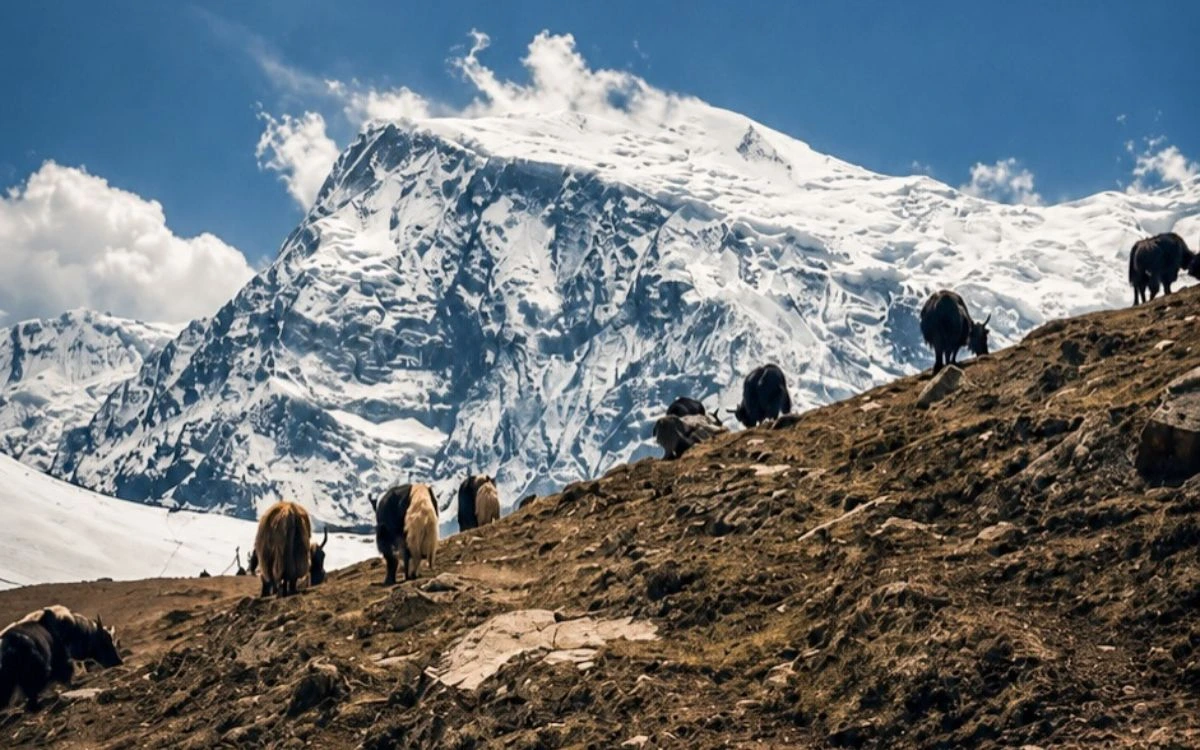
- Land of rich and varied landscapes — from picturesque rice terraces and amazing forests of rhododendrons to stunning glacial valleys and beautiful high deserts.
- Proximity to Pokhara — most treks start after a short drive from Pokhara, and there is no need to waste time and money on flights.
- Variety of trekking itineraries — whether you want to spend only a couple of days hiking or three weeks trekking, you can always stay in one conservation area.
- People living in the mountains — the Gurung, Magar, and Thakali cultures can be experienced on the trails.
- All types of tourists can find appropriate treks — families, beginners, and experienced trekkers will all find something that fits their abilities and preferences.
The explanation is simple — the combination of the four aspects mentioned above is the real reason for the success of trekking in the Annapurna region over trekking in the other regions of Nepal.
What Makes Annapurna Trekking So Special?
Spectacular Annapurna Mountain Views
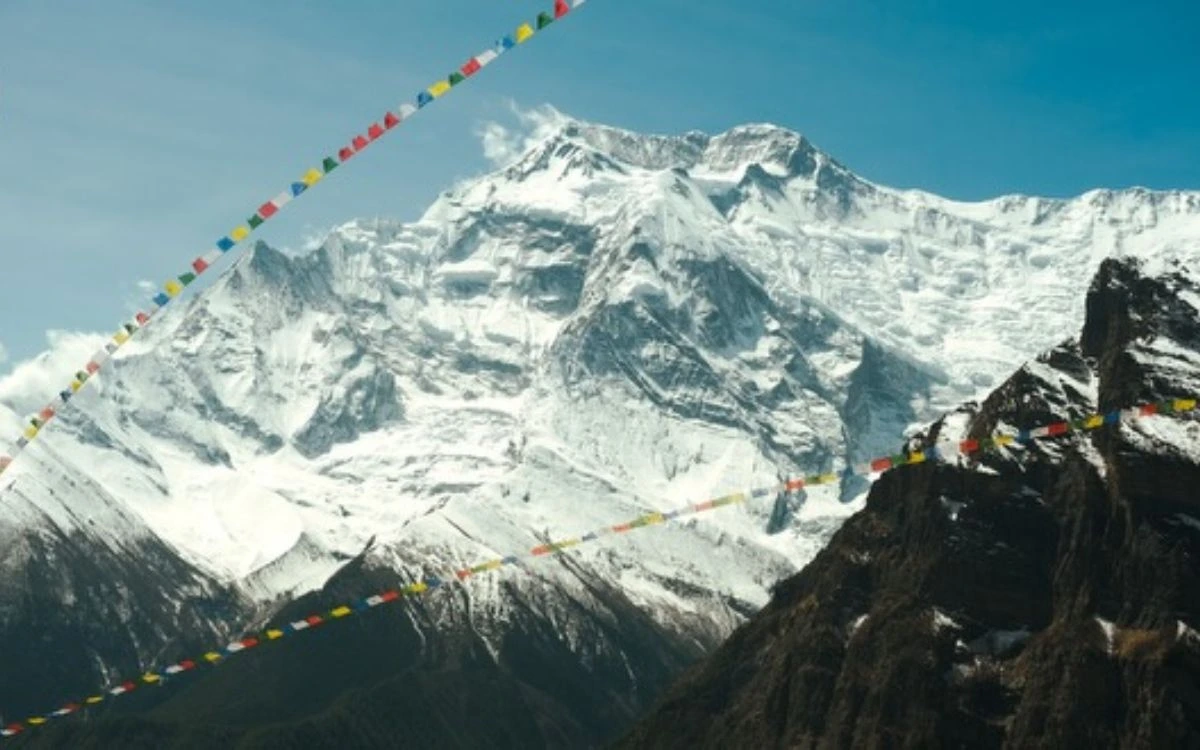
The Annapurna region hosts the tenth-highest mountain in the world, Annapurna I, which measures 8,091 meters in height, and also the holy and unconquered Machapuchare (Fishtail) mountain, along with impressive landscapes towards Dhaulagiri. What makes Annapurna trekking unique is that trekkers come incredibly close to the peaks. When taking an Annapurna Base Camp trekking trip, trekkers do not just see the peaks from a distance but actually have them right above their heads. It is very rare to find such a large mountain at such a short distance, which makes the area popular among healthy travelers.
Diverse Landscapes in the Annapurna Region
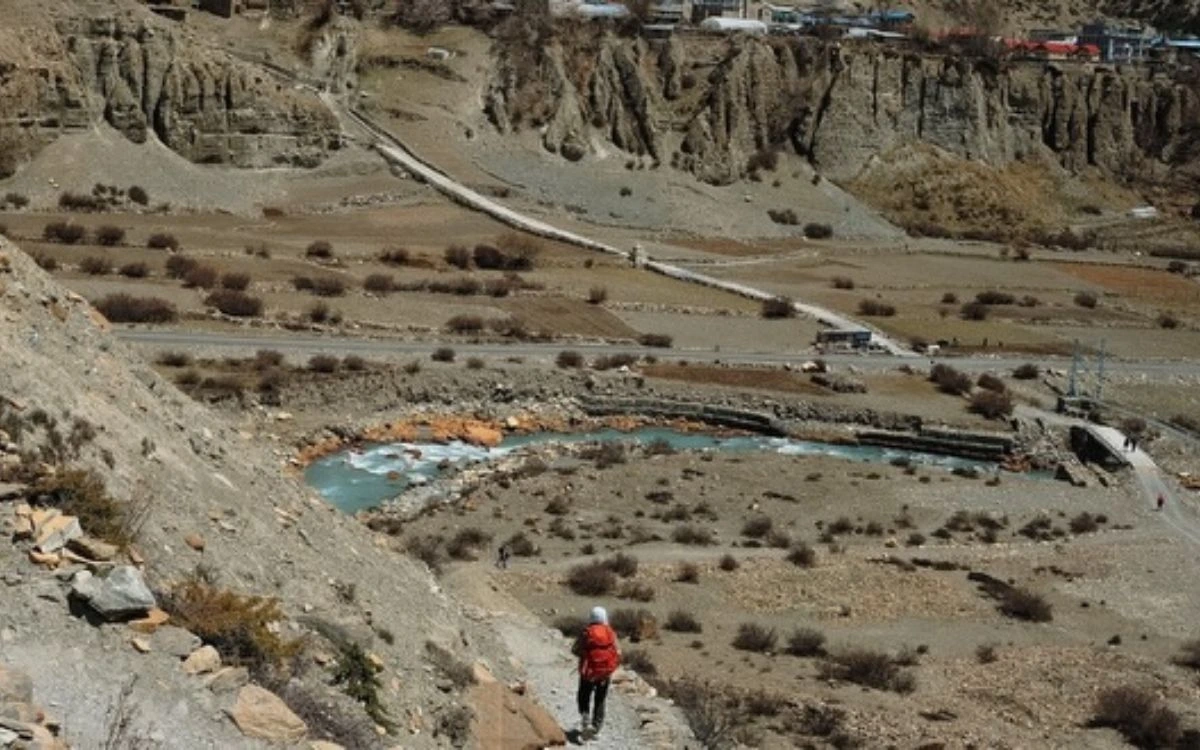
There are few trekking regions anywhere that can change environments so remarkably in such a relatively short distance. Lower paths navigate through the lush rainforest, water drops, and terraced fields, then rise into the coniferous and rhododendron forests, finally giving way to alpine lands and glacial moraine in close proximity to the main passes. In the Mustang area, the landscape transforms again into dry, windy trans-Himalayan landscapes that resemble more of a Tibetan vista than that of lowland Nepal. The Nepalese tourism board has specifically noted that the transition from tropical forests to trans-Himalayan terrain qualifies this region among the unique features of the area.
Rich Local Culture and Mountain Villages
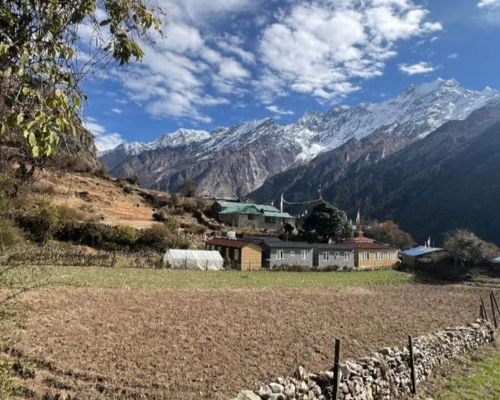
Annapurna trekking is not limited to trekking up the mountain trails. The trek provides travelers with the opportunity to visit diverse villages from ethnic groups such as the Gurung, Magar, and Thakali, which have their own languages, architecture, and traditions. The Gurung villages of Ghandruk and Chhomrong are famous for their Buddhist monasteries and stone houses, and the Thakali villages along the Kali Gandaki valley offer travelers distinct food made using their own ancient methods of trade with Tibet. Instead of just gaining insight into Nepali culture, the Annapurna trek offers the opportunity to directly experience the various mountain cultures of different groups of people.
Best Annapurna Treks for Adventure Travelers
Annapurna Circuit Trek
The Annapurna Circuit Trek is known for being one of the classic long-distance trekking routes. The trek takes you around the Annapurna massif, passing subtropical lowland areas, terraced villages, and high-altitude deserts, and crosses Thorong La Pass (5,416 m), one of Nepal's highest trekking passes. Very few routes have such drastic changes in scenery, culture, and altitude along a single trek, which explains why the Annapurna Circuit Trek is one of the most popular and most booked trekking options in the country.
Annapurna Base Camp Trek
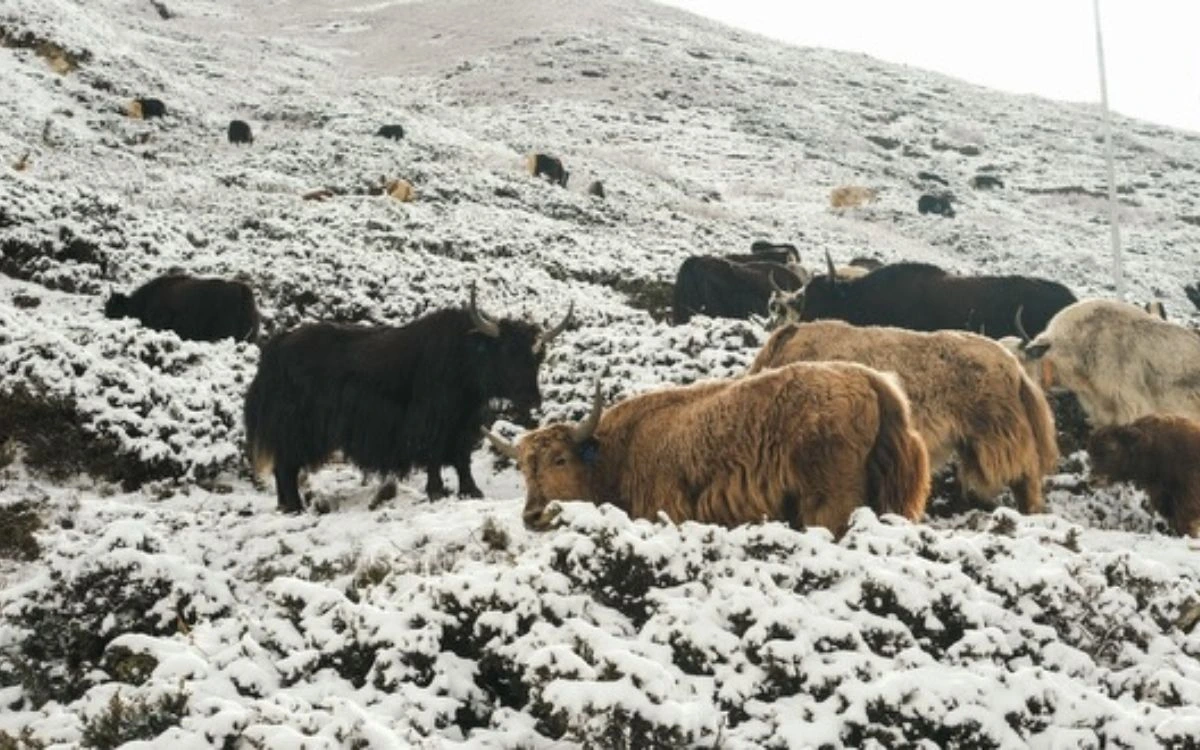
The Annapurna Base Camp Trek takes a different approach: instead of circling the range, it walks straight into it. The trail climbs through forest and yak pasture into the Annapurna Sanctuary, a natural amphitheater surrounded on nearly every side by 7,000- and 8,000-meter peaks. Reaching Annapurna Base Camp at sunrise, with Annapurna I, Machapuchare, and Hiunchuli rising directly overhead, is one of the most rewarding short-to-moderate treks available anywhere in the Himalayas.
Poon Hill Trek
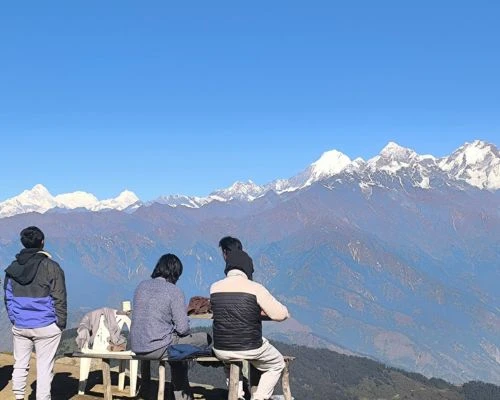
For travelers short on time, the Poon Hill Trek delivers an outsized reward for a relatively small commitment. The climb to Poon Hill's viewpoint at 3,210 meters is famous for its sunrise panorama over Dhaulagiri, Annapurna South, and Machapuchare, making it one of the most photographed views in Nepal. It's typically completed in three to five days, which makes it a natural entry point for first-time trekkers or anyone with a short holiday window.
Mardi Himal Trek
The Mardi Himal Trek has grown quickly in popularity as a quieter alternative to the region's more established routes. It follows a narrow ridge with close-up views of Machapuchare and the southern Annapurna range, and because it sees far fewer trekkers than the Circuit or Base Camp routes, the trail feels noticeably more remote despite its short five-to-seven-day length. For travelers who want serious mountain views without a long commitment or crowded teahouses, Mardi Himal is one of the best options in the region.
Why Annapurna Has Treks for Different Travelers
Short Annapurna Treks
Not every trekker has two or three weeks available, and Annapurna is one of the few regions built around that reality. Routes like the Poon Hill Trek, along with shorter Ghandruk and Australian Camp itineraries, can be completed in two to five days without sacrificing genuine mountain views or cultural contact. These shorter options are often the first Himalayan trek for travelers who later return for longer routes.
Long-Distance Annapurna Treks
For trekkers who want a deeper, multi-week experience, the Annapurna Circuit itinerary can be extended in several directions — adding side trips to Tilicho Lake, the Nar-Phu valley, or the Muktinath pilgrimage site. These extended versions of the Annapurna Circuit itinerary can run from twelve days up to three weeks, giving experienced trekkers far more route flexibility than most single-destination treks elsewhere in Nepal.
Challenging High-Altitude Annapurna Treks
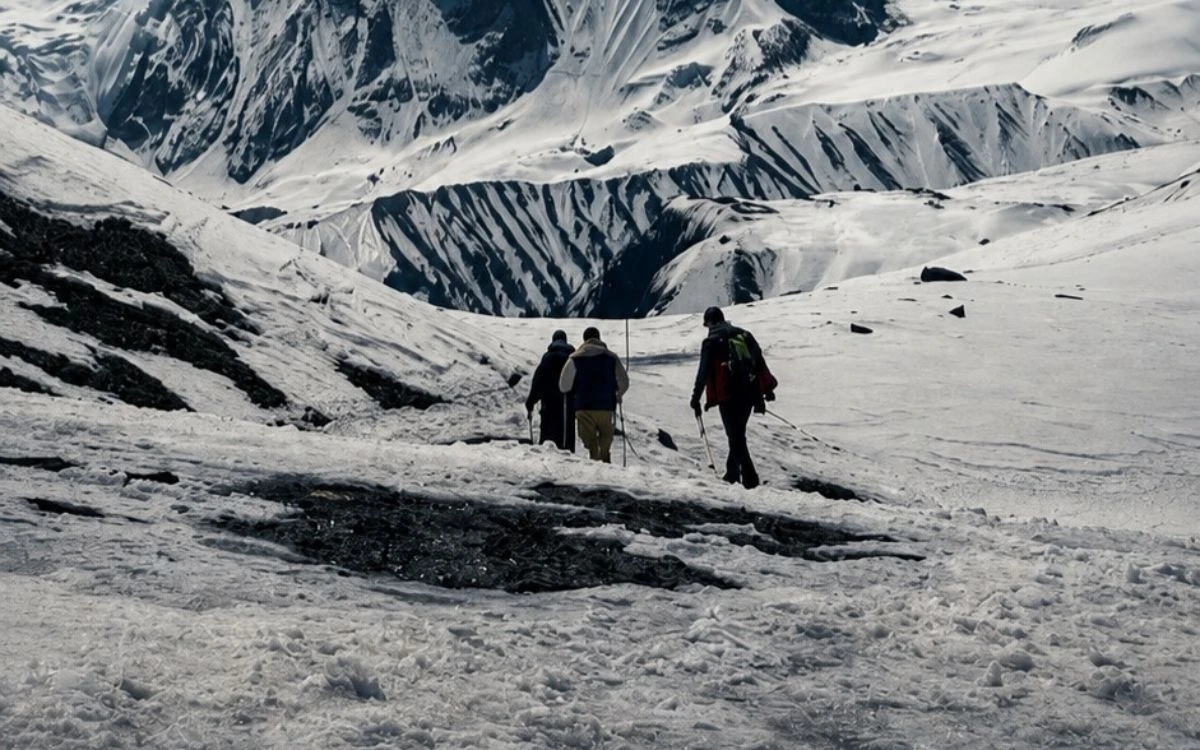
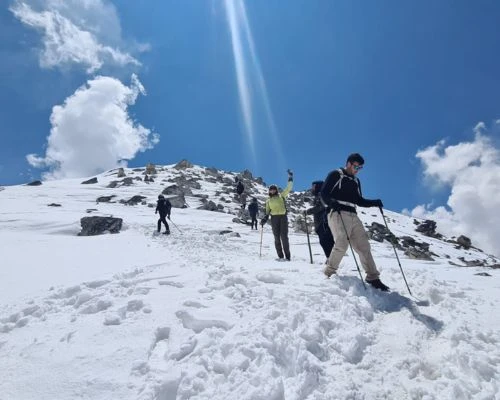
At the demanding end of the spectrum, routes crossing Thorong La Pass or venturing into the restricted Nar-Phu and Upper Mustang areas involve high altitude, long trekking days, and colder, more exposed terrain. These routes require better acclimatization planning and more trekking experience than the shorter circuits. Trekkers looking for a similarly demanding, high-altitude challenge outside the Annapurna region sometimes compare notes with routes like the Manaslu Circuit Trek, which crosses the 5,106-meter Larke La Pass and is often mentioned alongside Annapurna's toughest routes for its remoteness and altitude gain. Not every Annapurna trek is this demanding, though — difficulty varies significantly by route, which is exactly what gives the region its broad appeal.
Is Annapurna Easier to Access Than Other Trekking Regions?
The stunning views are not the only reason for the rise in popularity of Annapurna, as its easy reach is equally important in attracting tourists. Pokhara is the largest and most important city in Nepal that opens the door to the region. One can arrive in Pokhara by either a six-to-seven-hour-long drive or a short aerial trip lasting only 25 minutes from the capital of Nepal, Kathmandu, providing a great advantage over destinations that can be reached only using an unpredictable mountain airstrip. For instance, in the case of the Everest Base Camp Trek, trekkers have to board a plane to get to Lukla, while flights are often postponed for various reasons. The developed road network in Annapurna helps travelers to choose among numerous trailheads and begin their journey from different places. All this makes the logistics easier than in less-developed areas of the country.
Best Time to Trek Annapurna
There isn't a single "best" season for every Annapurna route — conditions vary by altitude, aspect, and which side of the range you're on. That said, most trekkers plan around one of four seasonal windows.
Annapurna Trekking in Spring
March through May brings warming temperatures, blooming rhododendron forests, and generally stable weather, making it one of the two peak seasons for Annapurna trekking.
Annapurna Trekking in Autumn
September through November is widely considered the clearest and most stable period for mountain views, which is why it's the busiest season on routes like the Annapurna Circuit Trek and Annapurna Base Camp Trek.
Trekking Annapurna in Winter
December through February brings cold temperatures and snow at higher elevations, closing some high passes, but lower-altitude routes like Ghandruk or Poon Hill remain accessible and far less crowded.
Trekking Annapurna During the Monsoon
June through August brings rain and cloud cover to most of the region, but the rain-shadow area around Upper Mustang stays comparatively dry, making it one of the few times of year when that specific route is genuinely at its best.
Why Annapurna Region Remains Nepal's Most Popular Trekking Destination
Bringing all of this together, the case for the Annapurna region rests on seven factors rather than any single one:
- Exceptional mountain scenery, including close-range views of Annapurna I and Machapuchare
- A large variety of trekking routes, from short hikes to multi-week circuits
- Different trek durations, so travelers with a weekend or a Langtang Valley Trek–length window elsewhere in Nepal still have an Annapurna equivalent to match their schedule
- An accessible gateway through Pokhara, avoiding dependence on a single mountain airstrip
- Strong cultural experiences across Gurung, Magar, and Thakali communities
- Different difficulty levels, suiting first-time trekkers and seasoned mountaineers alike
- Established trekking infrastructure, including teahouses, lodges, and support services along nearly every route
The numbers back this up. According to 2025 visitor data, the Annapurna Conservation Area recorded 313,549 visitors — considerably ahead of Sagarmatha National Park's 47,524 over the same period. That gap reflects everything above: more route choice, easier access, and a region built to accommodate trekkers of every experience level, not just those chasing one specific summit view.
Frequently Asked Questions About the Annapurna Region
Why is the Annapurna region so popular?
The Annapurna region combines dramatic mountain scenery, a wide range of trekking routes, rich local culture, and easy access from Pokhara — a combination few other trekking regions in Nepal can match in a single trip.
Which is the most popular trek in the Annapurna region?
The Annapurna Circuit Trek and Annapurna Base Camp Trek are the two most popular routes, each drawing tens of thousands of trekkers annually for their distinct mountain scenery and well-established trails.
Is Annapurna better than Everest for trekking?
It depends on priorities. Annapurna generally offers easier road access, more route variety, and lower elevations on its shorter treks, while the Everest region is known for the world's highest peak and its Sherpa culture. Many trekkers choose Annapurna for accessibility and choose Everest for the specific goal of standing near the world's tallest mountain.
What is the best Annapurna trek for beginners?
The Poon Hill Trek and Mardi Himal Trek are both well suited to beginners, offering strong mountain views over a shorter, less demanding itinerary compared to longer high-altitude routes.
How many days do you need for Annapurna trekking?
Annapurna treks range from two to three days for short hikes near Pokhara up to three weeks for extended versions of the Annapurna Circuit itinerary, with most standard routes falling between seven and fourteen days.
What is the best time to trek in the Annapurna region?
Spring (March–May) and autumn (September–November) offer the most stable weather and clearest mountain views, though lower-altitude routes can be trekked in winter, and Upper Mustang is a notable exception during the monsoon.
Conclusion
The Annapurna region's popularity isn't the result of one standout feature — it's the combination of dramatic scenery, route variety, cultural depth, and genuinely easy access that keeps trekkers coming back. Whether you're drawn to the high passes of the Annapurna Circuit, the mountain amphitheater at Annapurna Base Camp, or a shorter route like Poon Hill or Mardi Himal, the region has an itinerary built for your timeline and experience level. Ready to start planning your own Annapurna trek? Get in touch with Himalayan Recreation Treks and Expedition to build an itinerary that matches your schedule and ability.
Other popular trekking destinations

Duration:3 Days based on 7 reviews
based on 7 reviews3 Days Poon Hill Trek
Starting fromUS$199US$299

Duration:7 Daysbased on 9 reviews
based on 9 reviews7 Days Annapurna Base Camp Trek
Starting fromUS$499US$699

Duration:10 Daysbased on 2 reviews
based on 2 reviewsTsum Valley Trek - 10 Days
Starting fromUS$999US$1399Private

Duration:12 Daysbased on 5 reviews
based on 5 reviews12 Days Everest Base Camp Trek
Starting fromUS$1099US$1399
Langtang Ganja La Pass Trek - 14 Days
Starting fromUS$1899US$2199
Manaslu Tsum Valley Trek - 18 Days
Starting fromUS$1699US$1999
Tamang Heritage & Langtang Valley Trek - 12 Days
Starting fromUS$899US$1099


Need Help? Call Us+9779851101413OrChat with us on WhatsApp
-1.webp)
-1.webp)
-1.webp)