The Annapurna Base Camp Trek difficulty level is moderate for a reasonably fit, well-prepared trekker, but it is not an easy walk. The ABC trek needs no technical climbing, yet it asks for several days of steady walking, thousands of stone steps and a climb to 4,130 meters inside the Annapurna Sanctuary. Fitness, altitude sickness risk, trail conditions, weather, and your itinerary all shape how hard it feels.
This blog covers the trekking difficulty level of the Annapurna Base Camp Trek in full. You’ll learn whether the trek suits beginners, how steep stairs, daily walking hours, and changing weather affect your body, and how altitude works, including the warning signs of altitude sickness and how acclimatization helps. It also explains the fitness you need for the trek and a realistic training timeline, how many days the trek takes, and the best season for a more comfortable walk. You’ll find a fair comparison with Everest Base Camp, practical ways to make Himalayan trekking in Nepal easier, and straight answers to common questions, including whether you can trek without a guide.
How Difficult Is the Annapurna Base Camp Trek Overall?
The Annapurna Base Camp trek is moderately difficult. Most healthy people who prepare and follow a sensible itinerary can finish it. Moderate still means hard work: you walk for days, gain significant elevation, and sleep in cold lodges.
ABC trek difficulty comes from endurance, not technical skill. You never need ropes, crampons, or climbing experience. The challenge comes from:
Repeated ascents and descents. The trail climbs and drops through river valleys and ridges, so you gain height, lose it, then gain it again.
Stone staircases. Long flights of steps wear out your thighs on the way up and your knees on the way down.
Daily walking. Most days involve several hours on your feet, day after day.
Altitude. Thinner air makes every step feel harder in the upper sections.
Weather. Rain, cold, and mist can turn a manageable day into a tiring one.
Reasonably fit beginners complete this trek every season. They train beforehand, pack light, walk slowly, and choose an itinerary with enough days for the body to adjust.
Is Annapurna Base Camp Trek Suitable for Beginners?
Yes, for healthy beginners, prepared, and realistic. It is not suitable for anyone who expects a casual stroll, and it is not right for everyone. A first trek in Nepal is a big step up from a day hike, so treat the preparation seriously.
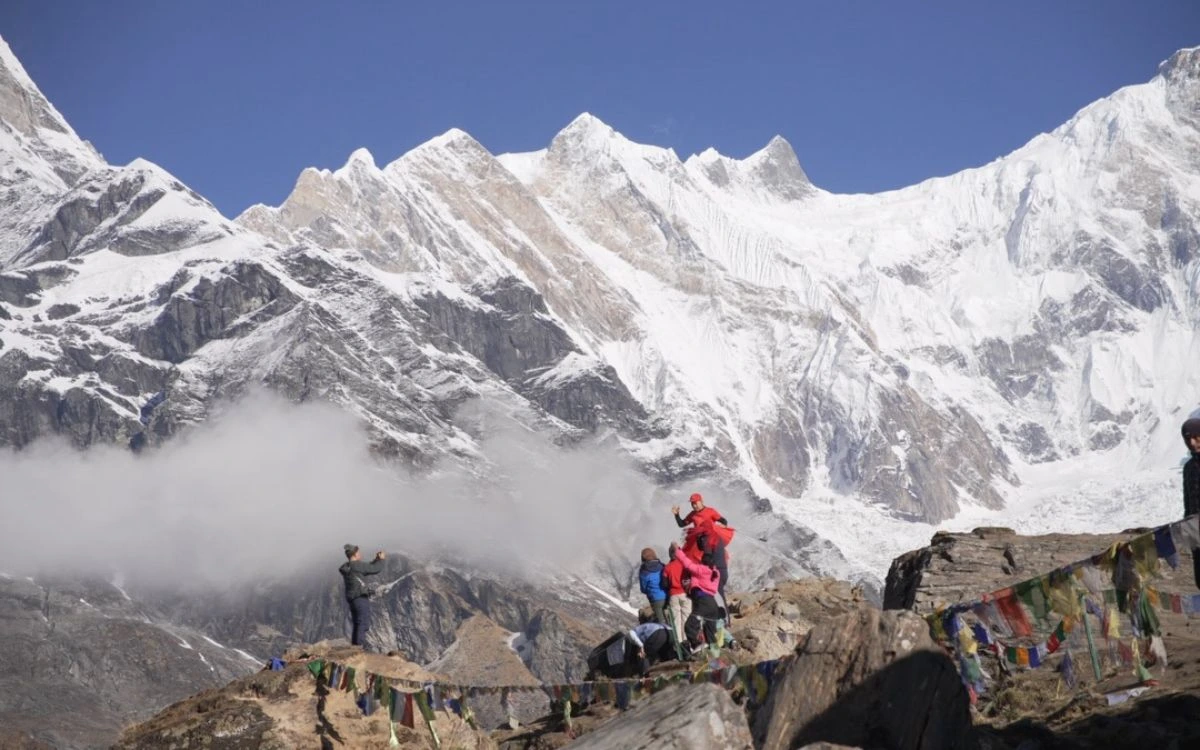
Trekkers at a prayer-flag viewpoint on the Annapurna Base Camp Trek
What Makes It Manageable for First-Time Trekkers?
Annapurna Base Camp for Beginners works because the route has built-in support. Lodges (teahouses) appear every few hours, so you don’t carry a tent or food. A few things make the trek achievable:
Gradual preparation. A few months of regular walking and stair training changes how the trek feels.
A suitable itinerary. More days mean shorter walking stretches and better recovery.
A manageable pace. Slow, steady walking beats fast starts followed by exhaustion.
Experienced guidance. A guide sets the pace, reads the weather, and notices early signs of illness that first-timers often miss.
What Challenges Should Beginners Expect?
Be ready for the following:
Steep staircases that seem to go on for hours, especially on the way up.
Sustained walking day after day, which causes cumulative fatigue.
Altitude effects such as shortness of breath, poor sleep, and headaches.
Cold temperatures at night and in the early morning, especially near the sanctuary.
Changing trail conditions, including wet stones, mud, landslide-damaged sections, and snow.
Don’t expect comfort. Expect basic lodges, shared rooms, cold evenings and tired legs. Most trekkers still rate the experience as worth it.
For many travelers, Trekking in Nepal offers a chance to experience Himalayan landscapes, mountain communities, and diverse trails, and ABC is one of the most popular first-time choices.
Main Factors That Affect Trek Difficulty
Four physical and environmental factors decide how hard the trek feels: the terrain, the daily walking load, the weather, and the altitude. Section 4 covers altitude separately
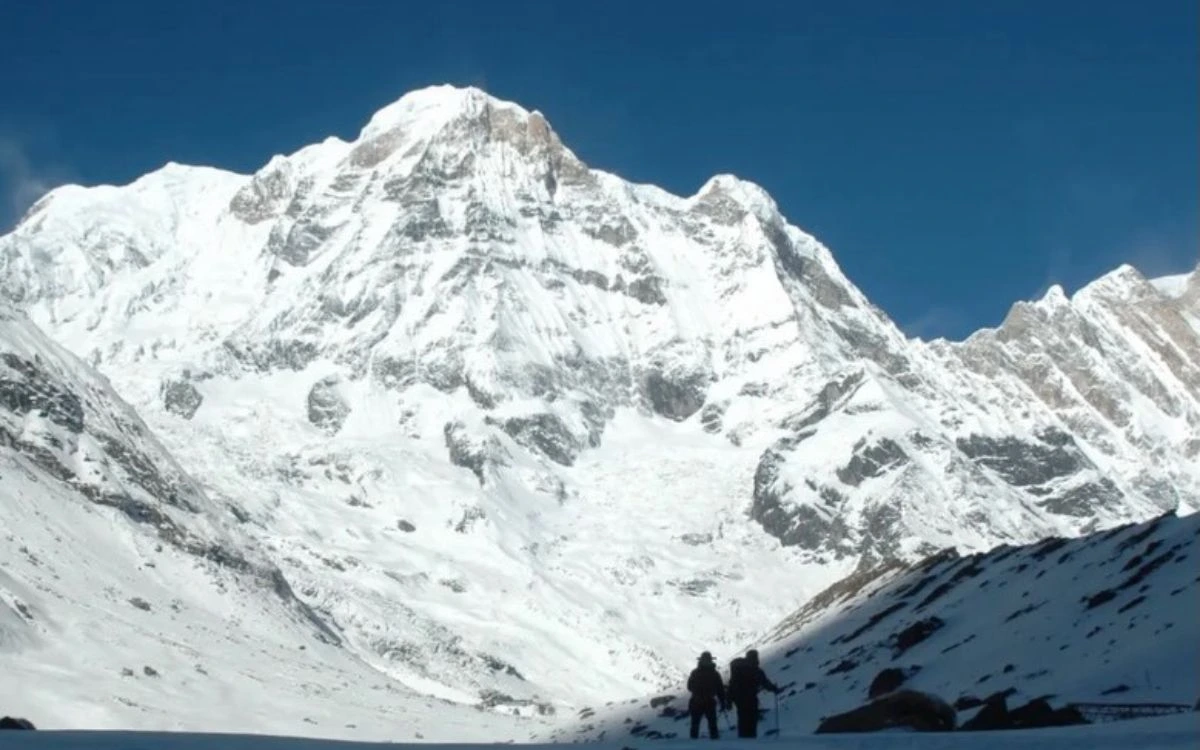
rekkers facing Annapurna South on the ABC trek difficulty route
Steep Stone Staircases and Uneven Trails
The route follows village paths, forest trails and rocky stretches. Much of the climbing happens on stone steps of uneven height. They are hard on the quadriceps going up and on the knees and ankles coming down.
Descents often hurt more than climbs. Tired legs, loose stones, ice, and wet steps raise the risk of slips and strained knees. Trekking poles take some load off the joints, and a slow downhill pace protects them further.
Daily Walking Hours and Trekking Distance
Walking hours vary with your itinerary, your pace, and trail conditions. As a general guide, most days involve about five to six hours of walking, and some sections run longer. Distance matters less than climbing: a short day with a big ascent can feel harder than a longer, flatter one.
Check the day-by-day plan before you book. Compressed schedules put more walking and more height gain into each day.
Weather, Cold, and Changing Trail Conditions
Rain makes stone steps slippery and brings leeches at lower elevations in the wetter months. Cold intensifies with height, and snow can cover the upper trail in winter and early spring. Mist and cloud can hide the views and make navigation harder.
The Annapurna conservation area covers the entire route, and its weather shifts quickly with elevation. You can start a day in warm sunshine in a river valley and finish it in cold wind near the sanctuary. Pack layers and check forecasts with your guide or lodge owners.
How Difficult Is the Altitude on the ABC Trek?
Altitude adds the most uncertainty. The elevation of Annapurna Base Camp is approximately 4,130 meters (13,550 ft). At that height, the air holds noticeably less oxygen, so walking, sleeping,g and even eating feel harder than at sea level.
Most of the route stays below that point, and you reach the top gradually. Still, the last stages of the trek are where altitude starts to matter.
Symptoms and Warning Signs of Altitude Sickness
Anybody, regardless of age, strength, or level of fitness, can experience altitude sickness. Being fit does not protect you from it. Watch for:
Headache
Nausea
Dizziness
Unusual tiredness
Loss of appetite
Mild symptoms can appear as you gain height. If they get worse, tell your guide immediately. Severe or worsening symptoms, including confusion, difficulty walking in a straight line, nausea, or breathlessness at rest, need prompt action. The standard response is to stop climbing and, if symptoms continue or worsen, to descend. Never push on and hope it passes.
Acclimatization, Pacing, and Safe Ascent
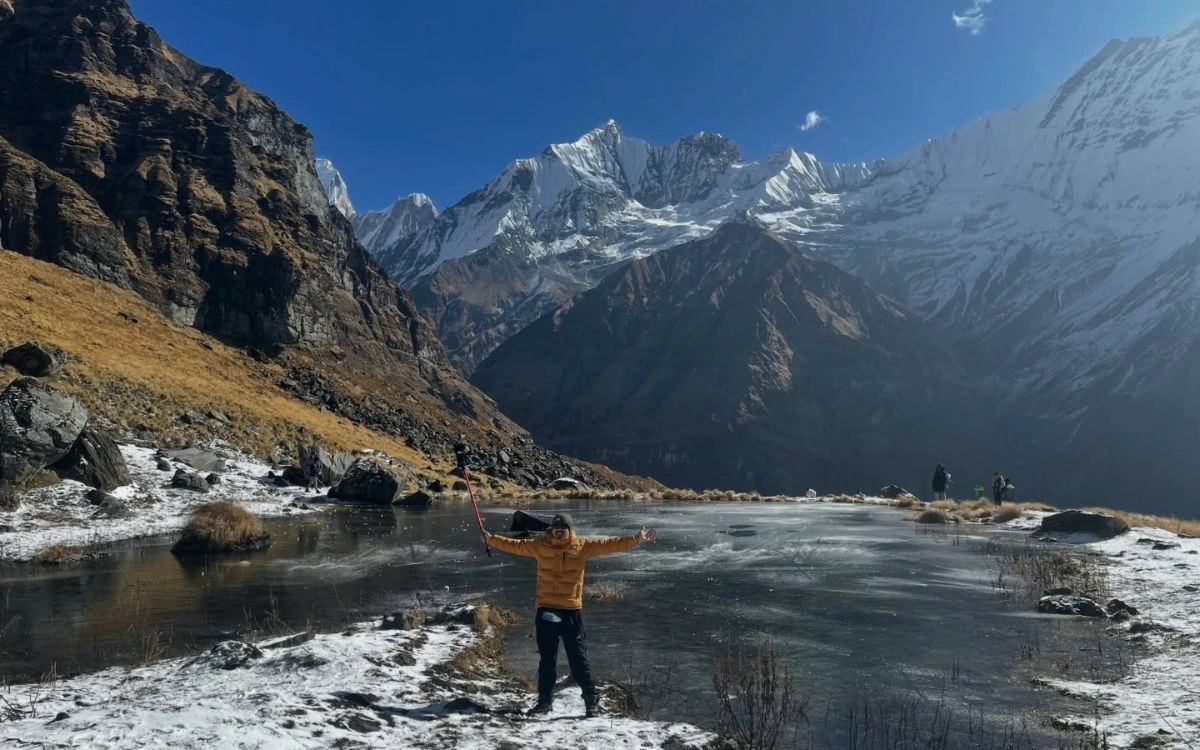
Trekker at a frozen lake near Annapurna Base Camp in cold weather”
Acclimatization is your body’s gradual adjustment to lower oxygen levels. You support it by:
Ascending gradually and not adding extra height in a rush.
Choosing a sensible itinerary with enough days to reach the sanctuary.
Resting properly at night and not skipping recovery.
Drinking enough water. Hydration helps you feel better, but it does not prevent altitude sickness on its own.
Monitoring symptoms honestly, every day.
Following your guide’s safety advice, including when to stop.
Can a Guide Make the Annapurna Base Camp Trek Easier?
An experienced trekking guide can help make the Annapurna Base Camp Trek easier to manage by advising on walking pace, navigating the route, arranging accommodation, and monitoring trail conditions. Guides can also help identify potential altitude-related problems, although they cannot eliminate the risk of altitude sickness.
At Himalayan Recreation, our local guides support you throughout the trek so you can focus on enjoying the journey.
Which Annapurna Base Camp Trek Itinerary Should You Choose?
The right itinerary depends on your available time, fitness level, and trekking experience. Shorter itineraries require careful planning and may involve longer walking days, while longer itineraries can offer a more relaxed pace.
How Fit Do You Need to Be for Annapurna Base Camp?
You need good general fitness, not athlete-level conditioning. You are in the right range if you can walk for many hours every day and climb stairs without difficulty. You don’t need to be a runner or a gym regular, but arriving untrained makes every day harder.
Build your aerobic base with walking, hiking, cycling, swimming, or jogging. Aim for sessions of 45 to 90 minutes, and include longer weekend hikes as the trek approaches. The most focused exercise you can perform is hiking on hills while carrying a heavy daypack.
Walking, Stair Climbing, and Leg Strength
The trail’s staircases call for stair training. Climb stairs or a steep hill regularly, and add strength work for the legs and core, such as squats, lunges, step-ups, and calf raises. Strong legs absorb the downhill load and protect your knees.
A Practical Training Timeline
As a general guideline, start about 8 to 12 weeks before the trek. This is not a universal requirement. People who already walk and exercise regularly may need less, while people starting from low activity may want more time.
Weeks 1-4: regular walks, light stair work, and basic leg strength.
Weeks 5-8: longer hikes, steeper terrain and a loaded daypack.
Weeks 9-12: back-to-back long walking days, practice with your trekking boots, then a lighter final week.
How Many Days Does the ABC Trek Take?
Most Annapurna Base Camp itineraries last between 7 and 12 days from Pokhara, depending on the starting point, the route, and how much recovery time you build in. Himalayan Recreation’s own packages, for example, run for 7 and 10 days. Shorter plans pack the same trail into fewer days, which raises the daily effort
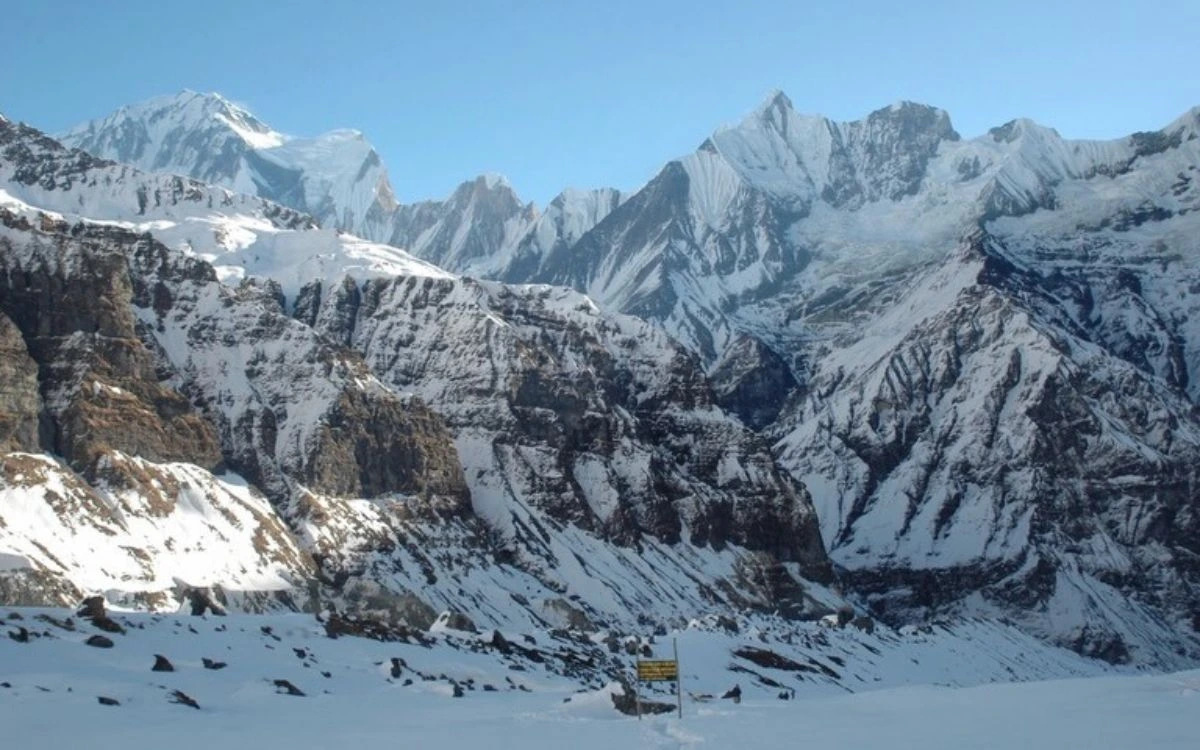
Snow-covered trail near Annapurna Base Camp showing trek difficulty and conditions
Typical Daily Walking Hours
A typical day involves five to six hours of walking, with some stretches shorter and a few longer. Hours vary because the route changes character: forest staircases through the lower valleys, steady climbs through villages in the middle, and slower, higher walking near the sanctuary where altitude slows everyone down. Descent days can also run long because you cover ground faster but tire your knees.
Why a Rushed Itinerary Can Feel Harder
A rushed plan makes the trek harder in several ways:
Long walking days leave little energy at the end.
Limited recovery time lets fatigue accumulate.
Fast height gain raises altitude risk.
There is no spare day if weather or illness interferes.
An extra day on the itinerary costs little and adds a safety margin.
Which Season Is Ideal for a More Comfortable Hike?
Trekking is most popular in the spring (March to May) and fall (September to November). In general, trails are more stable, skies are clearer, and temperatures are manageable. Spring brings rhododendron blooms at lower elevations, and autumn tends to deliver crisp mountain views after the monsoon.
The ideal time to hike to Annapurna Base Camp depends on your preferences. Both seasons draw crowds, so lodges can fill up. Neither season guarantees perfect weather or completely safe trails. Storms and cold mornings still occur.
The off-seasons have their own difficulties:
Monsoon (June to August): heavy rain, slippery steps, leeches, cloud-covered views, and a higher chance of landslides.
Winter (December to February): very cold nights, snow on the upper trail, and snow or avalanche risks that can close sections near the sanctuary.
Annapurna Base Camp vs Everest Base Camp: Which Is Harder?
Neither is harder in every case. It depends on the itinerary and the trekker.
Altitude: Everest Base Camp reaches about 5,364 metres, which is well above ABC at about 4,130 metres. Higher altitude generally increases acclimatization demands.
Itinerary: Everest treks usually run longer, around 12 to 14 days, while ABC fits into about 7 to days12.
Daily demands: ABC has steeper, more continuous staircases per day. Everest has longer, gentler approaches but more days at high elevation.
Terrain: ABC passes through forest and terraced hills before entering the sanctuary. Everest follows high valleys, suspension bridges, and moraine.
Individual fitness and response to altitude: Some people handle height well, others don’t, and this can outweigh route differences.
If you’re comparing routes, the Everest Base Camp Trek is generally the bigger commitment in time, altitude, and cost. ABC is a more compact way into high-altitude Himalayan trekking.
How Can the Trek to Annapurna Base Camp Be Made Easier?
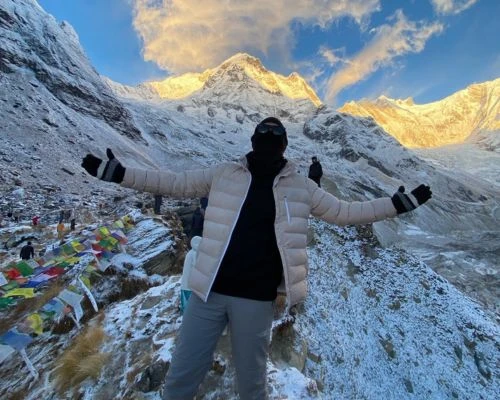
Sunrise alpenglow on Annapurna peaks from Annapurna Base Camp
You can’t remove the effort, but you can reduce the strain.
Pack Light and Choose Suitable Footwear
Carry only what you need for the day and let a porter handle the rest if you hire one. A lighter load saves energy and spares your knees on the descents. Wear well-fitted, broken-in trekking boots with good grip, and bring spare socks. New boots cause blisters, which can ruin a trek.
If you’re deciding between routes later, the Annapurna Circuit Trek is a longer, more demanding option that crosses a high pass, and it suits trekkers with more time and experience.
Walk at a Steady Pace and Take Breaks
Set a pace at which you could still hold a conversation. Stop for tea, snacks and photos, and don’t treat rest as wasted time. Hurrying up the early stairs often means slowing to a crawl later.
For a different kind of challenge, the Langtang Valley Trek offers a shorter trek in another region, with its own altitude and scenery.
Follow Your Guide’s Advice and Monitor Your Health
A good guide knows the trail, the weather patterns, ns and the signs of altitude illness. Tell your guide about headaches, nausea, poor sleep, or sore joints early. Respond promptly to illness and injury, and accept changes to the plan when conditions turn bad.
If you want a shorter, lower-altitude trek first, the Mardi Himal Trek is a popular alternative in the same region.
FAQs
Can a beginner complete the Annapurna Base Camp trek?
Yes, if the beginner is healthy and prepared. Training for several weeks, a sensible itinerary, a steady pace, and experienced guidance give most first-timers a realistic chance of finishing.
Is Annapurna Base Camp harder than Poon Hill?
Yes. The Ghorepani poonhill trek is shorter, usually four to five days, and reaches about 3,210 metres. ABC takes longer, climbs to about 4,130 metres, and involves more cumulative elevation gain, longer walking stretches, es and a greater altitude effect.
Do you need prior trekking experience?
Prior experience helps but isn’t essential. A reasonably fit, well-prepared beginner with a guide and a flexible itinerary can complete the trek. Day hikes and training walks are good preparation.
Is altitude sickness common on the ABC trek?
It is a real risk, but it doesn’t affect everyone. Some trekkers feel only mild symptoms, and others become seriously unwell. The risk is controlled by gradual ascent, rest, honest symptom monitoring, and a readiness to descend.
What is the hardest part of the trek?
It varies by person. Many trekkers find the steep stone staircases and long ascents hardest, while others struggle most with the final altitude stretch or with sore knees on the descent. No single section is hardest for everyone.
Is it possible to hike to Annapurna Base Camp without a guide?
No. A licensed guide is legally required. Since April 1, 2023, Nepal Tourism Board rules ban independent solo trekking in national parks and conservation areas. Annapurna Base Camp lies entirely within the Annapurna Conservation Area, so the rule covers it. You also need the Annapurna Conservation Area Permit (ACAP), and your guide and registered trekking agency arrange the paperwork.
Some travelers report loopholes and inconsistent enforcement, but the safest approach is to hire a licensed guide through a registered trekking agency. It keeps you compliant with the law, avoids being stopped at a checkpoint or facing legal delays, and gives you safety and logistical support in a high-alpine environment.
Conclusion: Is Annapurna Base Camp Worth the Challenge?
The Annapurna Base Camp trek is moderate in difficulty, but it is not easy. The main challenges are fitness, steep terrain, altitude, and changing conditions. With solid preparation, a suitable itinerary, and responsible trekking habits, most healthy trekkers can manage it and come away with an unforgettable Himalayan experience.


-6.webp)


 based on 3 reviews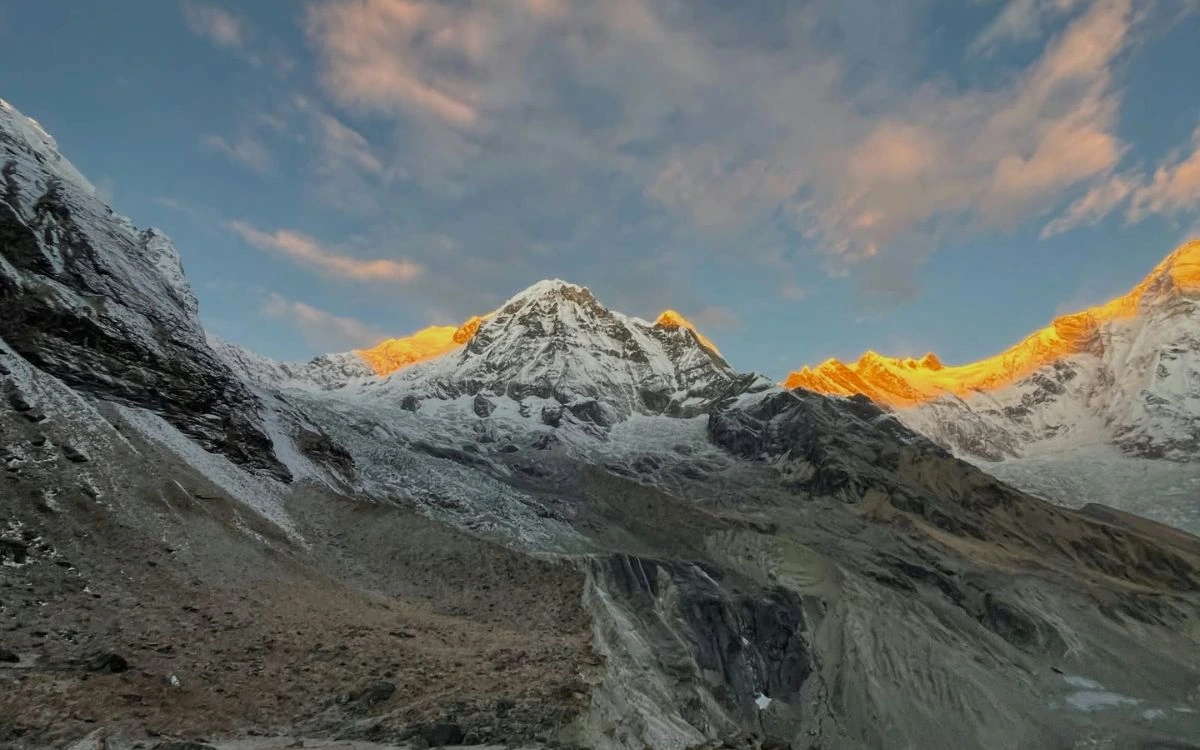


.webp)



-6.webp)
-6.webp)