

-7.webp)

Yes, the Annapurna Base Camp Trek is suitable for beginners with proper preparation, good fitness, gradual acclimatization, and a sensible itinerary. With over a decade of experience guiding trekkers to Annapurna Base Camp since 2015, Himalayan Recreation Treks and Expedition understands what first-time trekkers can expect along the trail. Although the route involves steep stone staircases, long uphill and downhill sections, and changing mountain conditions, it does not require technical climbing skills, ropes, or specialized climbing gear. With experienced guides, proper acclimatization, and attention to safety, beginners can manage these challenges and enjoy the journey to the heart of the Annapurna Sanctuary. If you're looking for your first Himalayan trekking adventure, Annapurna Base Camp can be a rewarding and achievable choice.
Who can complete the ABC trek?
Every season, healthy people of almost all ages may successfully finish this trek. There are teenagers and trekkers older than 60 among people who do so from year to year. Your physical state, speed, and capacity to handle high altitude are what really count.
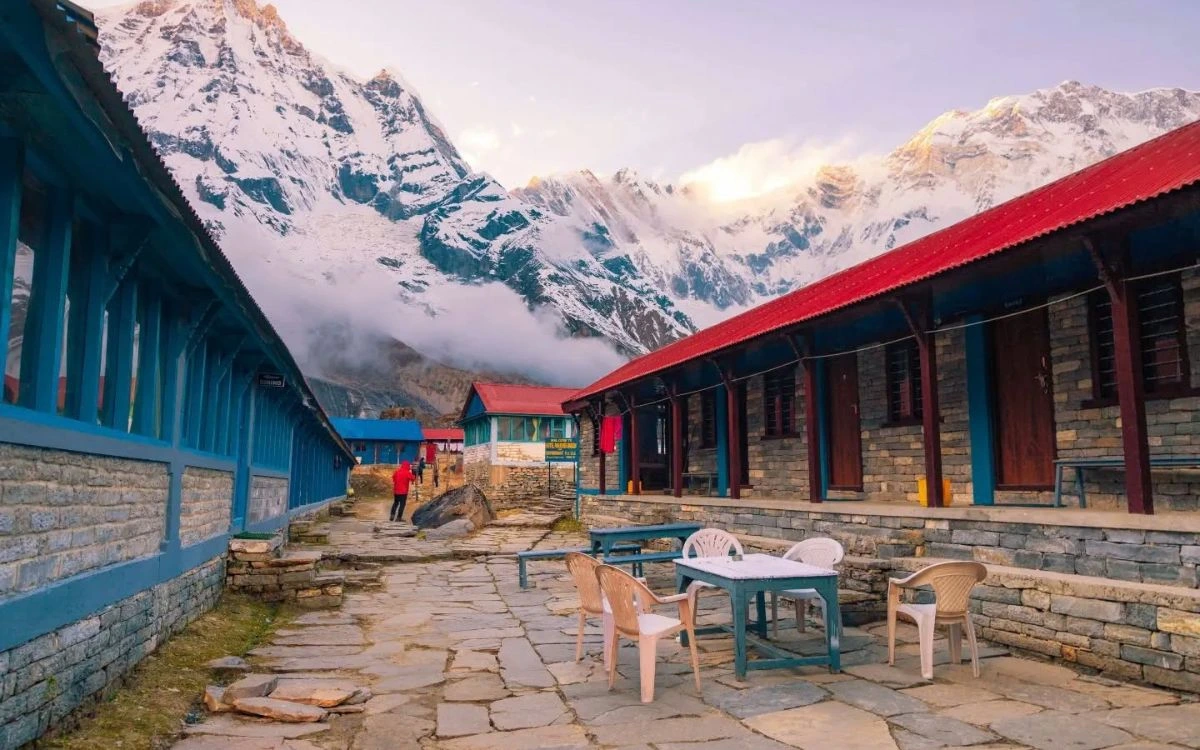
You can likely complete it if you:
- Walk or exercise regularly
- Feel comfortable hiking 5–6 hours with a light daypack
- Take your time instead of racing other trekkers
- Hire a licensed guide and follow their advice
Why Is Trekking So Popular in the Annapurna Region?
The Annapurna region has a huge variety in a small area. You would be surprised to know that in just one week, you would experience subtropical terraces and rhododendron forests to alpine meadows and glaciers. You will also see Gurung villages where the locals have been hosting trekkers for years.
One more reason to visit Pokhara while heading to this region is that it takes only a couple of hours to reach the starting point of the trail. The tea house network is highly developed, and the views of Annapurna South, Hiunchuli, and Machapuchare (Fishtail) are incredible. Many hikers return to do the longer Annapurna Circuit Trek after exploring the Annapurna region.
Do you need previous trekking experience?
No, but some hiking experience helps. If you've done long day hikes at home, you have a good foundation. If you haven't, start training at least two months before you fly.
Beginners often feel more confident after reading up on Trekking in Nepal basics: tea house etiquette, trail rules, and how guides manage pace and safety. A good guide handles logistics so you can focus on walking.
When should beginners reconsider this trek?
Think twice if you:
- Have unmanaged heart, lung, or blood-pressure problems
- Have had serious altitude illness before
- Can't walk uphill for an hour without stopping
- Plan to rush the trek in fewer days than recommended
You don't need to give up on Nepal. Shorter options, such as the Poon Hill route covered later, give you mountain views with far less altitude. And if you dream of something bigger, such as the Everest Three Passes Trek, treat ABC as your training ground first. That route crosses three passes above 5,300 m and demands real high-altitude experience.
How Difficult Is the Annapurna Base Camp Trek?
Most operators, including Himalayan Recreation, rate it moderate. The Annapurna Sanctuary Trekisn't technical, but it is physically demanding because the terrain keeps going up and down.
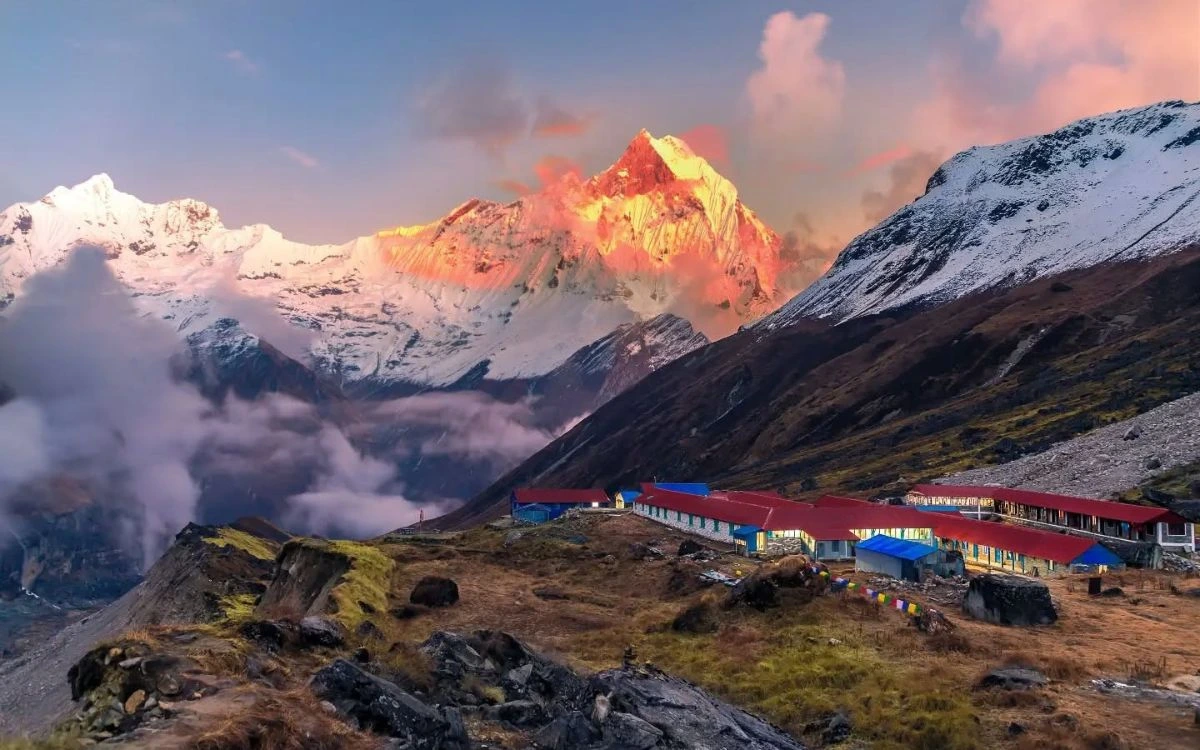
Daily walking hours and distance
On most days, expect to walk about 5-6 hours, and on long days, about 6-7 hours. The entire trek is about 110 km long, which amounts to about 10 km of walking each day. However, the pace may seem slow because the stairs and steep incline use up a lot of time. You usually leave early, take a break for lunch, and reach the tea house by the afternoon.
Steep climbs, stone steps, and descents
The hardest challenge on the trail is the staircase made from stone. Your leg muscles will become exhausted from the uphill walk up to Chhomrong. The downhill stretch will hurt your knees and body as well.
This is where trekking poles come in handy. They relieve your knees of pressure while helping you get through the staircases.
Ama Yangri Trek - 3 Days
Maximum altitude and altitude-related risks
ABC sits at 4,130 m. Machapuchare Base Camp (MBC) sits at 3,700 m. Altitude sickness can affect anyone above roughly 3,000 m, regardless of fitness.
Watch for:
- Persistent headache
- Nausea or loss of appetite
- Dizziness
- Unusual tiredness or poor sleep
Mild symptoms indicate that you need to take rests, stay hydrated, and remain at the same altitude. If there are severe indications like confusion, losing balance, or having difficulty breathing while resting, it indicates that a quick descent is necessary. The hike gets steep directly after Deurali, so go slowly.
The entire route also sits inside the Annapurna Conservation Area, where checkpoints record your passage. That adds a layer of safety, since staff know who is on the trail.
Fitness Requirements for Beginner Trekkers
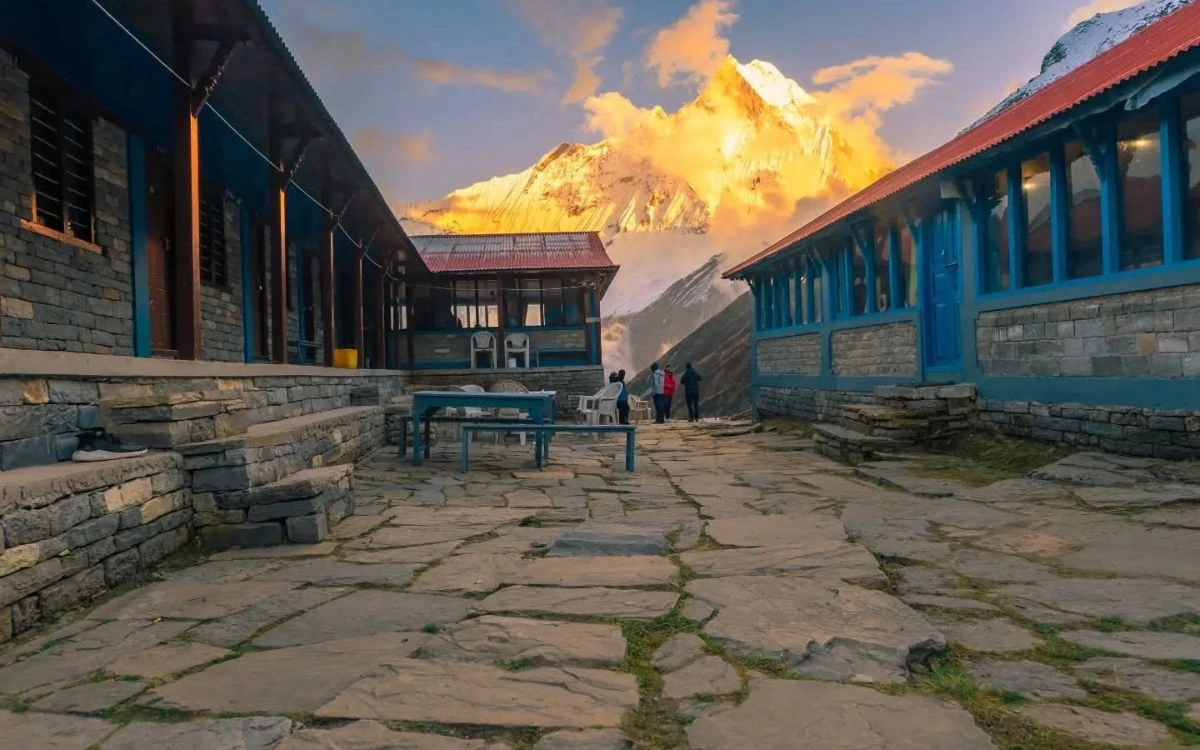
How fit do you need to be?
You need good general fitness, not athletic ability. If you can climb stairs for 30–40 minutes without stopping and hike 5–6 hours on a weekend, you're in good shape.
How to prepare before the trek
Start 8–12 weeks out. Build a mix of:
- Cardio: brisk walking, cycling, swimming, or jogging, 3–4 times a week
- Leg strength: squats, lunges, and step-ups, twice a week
- Stair training:climb stairs or a hill with a loaded backpack
- Back-to-back hikes: a long hike on Saturday and another on Sunday
Break in your boots early. Blisters ruin more trips than altitude does.
How to build walking endurance
Increase your weekend hike by 30–45 minutes every two weeks. Carry 5–6 kg in your pack by the end. Practice walking slowly and steadily, because that's how you'll walk in Nepal.
If you want a warm-up trek first, the shorter Everest View Trek offers Himalayan scenery and a taste of Khumbu culture without the full expedition schedule. It's a useful test of how your body handles 3,000–4,000 m.
How Many Days Do Beginners Need for ABC Trek?
Recommended itinerary duration
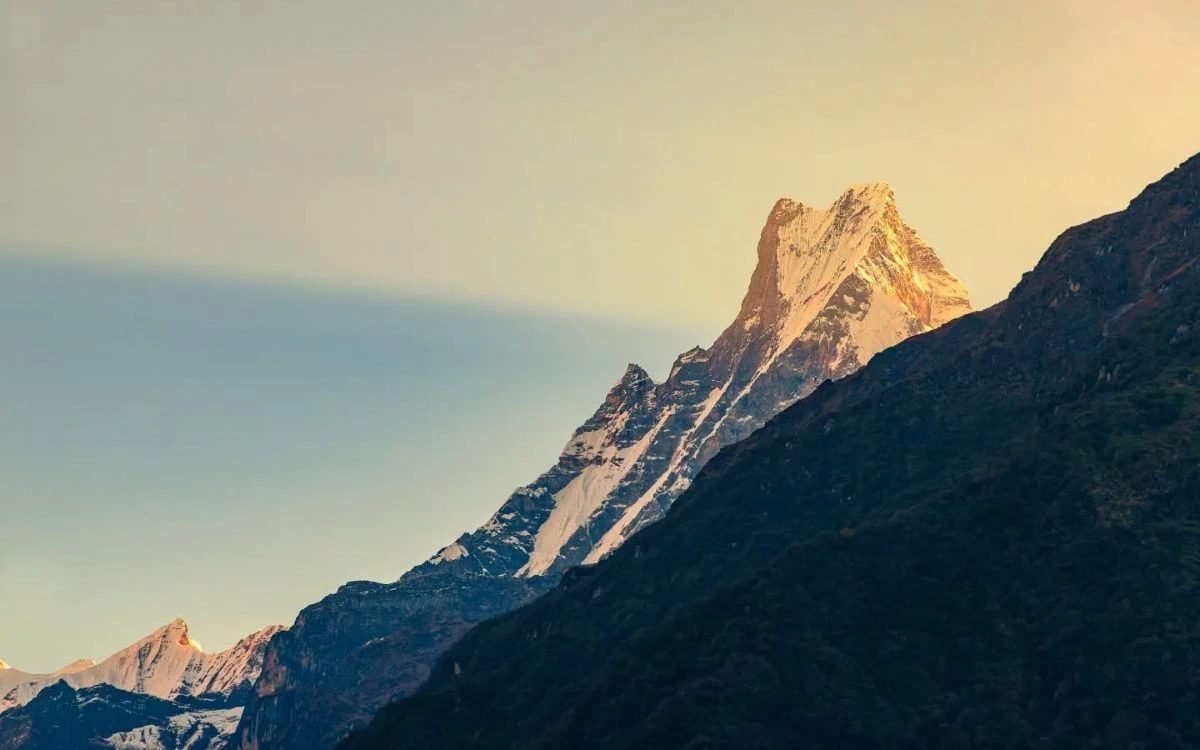
10-day trekking itineraries are often suitable for beginners. The Annapurna Base Camp Trek by Himalayan Recreation begins and ends in Kathmandu, incorporates a two-night stay in Pokhara, and includes six days of hiking, each lasting between 5 and 6 hours.
You can also compress it. The 7 Day Annapurna Base Camp Trek begins and concludes in Pokhara and covers seven days on the trail. The route is ideal for fit hikers with some experience, as it allows for little delays or sluggish acclimation.
Why a rushed itinerary can be harder
Short itineraries require fast elevation gains. The largest single jump occurs on the last ascent from Himalaya (2,900 m) to ABC (4,130 m). If you experience a headache or difficulty sleeping, inform your guide as early as possible and inquire about an extra night. Even a one-day weather delay may ruin an otherwise perfectly arranged schedule. Although additional days may cost a bit more, they will boost your chances of reaching ABC and having a good time there.
Example itinerary for first-time trekkers
The Annapurna Base Camp Trek from Pokhara takes seven days. It passes via Ghandruk and Chhomrong before returning via Jhinu Danda:
Day | Route | Sleeping altitude |
1 | Drive from Pokhara to Nayapul, then trek to Ghandruk. | 1,940 m |
2 | Trek to Chhomrong | 2,170 m |
3 | Trek to the Himalayas via Sinuwa and Dovan | 2,900 m |
4 | Trek to Annapurna Base Camp via Deurali and MBC | 4,130 m |
5 | Descend to Bamboo | 2,310 m |
6 | Trek to Jhinu Danda and soak in the hot springs. | 1,760 m |
7 | Trek to Nayapul, drive back to Pokhara | 820 m |
Your guide may change the route to suit the weather, trail conditions, and how you feel.
What Is the Ideal Time for Beginners to Trek ABC?
Spring and autumn give you the best balance of weather, views, and safety.
Spring (March–May)
Spring brings warm days and blooming rhododendrons across the lower trail. Mornings are usually clear, though afternoon clouds roll in. April is the sweet spot for color.
Autumn (September–November)
Autumn is the most popular season. Skies are crisp, visibility is excellent, and the monsoon dust has settled.
The Annapurna Base Camp Trek in October is especially popular because the weather is stable and the mountain views are at their sharpest. The trade-off is crowds, so book guides and rooms early.
Winter and monsoon considerations
Covers the above trail to Deurali and MBC. Incidents of avalanches also increase, and a few tea houses could be closed. Inexperienced trekkers need to avoid going in peak winter unless approved by a guide.
Rain, leeches, slippery roads, and foggy vistas are common during the monsoon season, which lasts from June to August. Sometimes, landslides may obstruct roads. Most inexperienced trekkers must avoid trekking in this period.
How Much Does Annapurna Base Camp Trek Cost?
The amount charged depends on the duration of the trip, size of the group, and the season. In cases where the tour is extended to 10 days, Himalaya Recreation divides the tourists into camps of 10-19 people, thus charging anything between $899 and $1,099 and so on.
Note:Cost can be variable if you customize your trekking plan according to your preferences.
Guide, porter, permits, accommodation, and meals
A package typically covers:
- Licensed, government-certified guide
- One porter for every two trekkers
- ACAP and TIMS permits
- Tea house rooms and trail meals
- Transport between Pokhara and the trailhead
- Hotels and the Kathmandu–Pokhara bus on the 10-day package
The cost of ACAP permits for foreigners is around NPR 3,00,0 whereas buying a TIMS card costs approximately US$20. The reliable trekking operator buys both permits for you and adds the cost to your payment, thus saving you the hassle of standing in a queue at the permit offices.

 based on 1 reviews
Annapurna Circuit Trek 10 Days
Independent planning versus a guided package
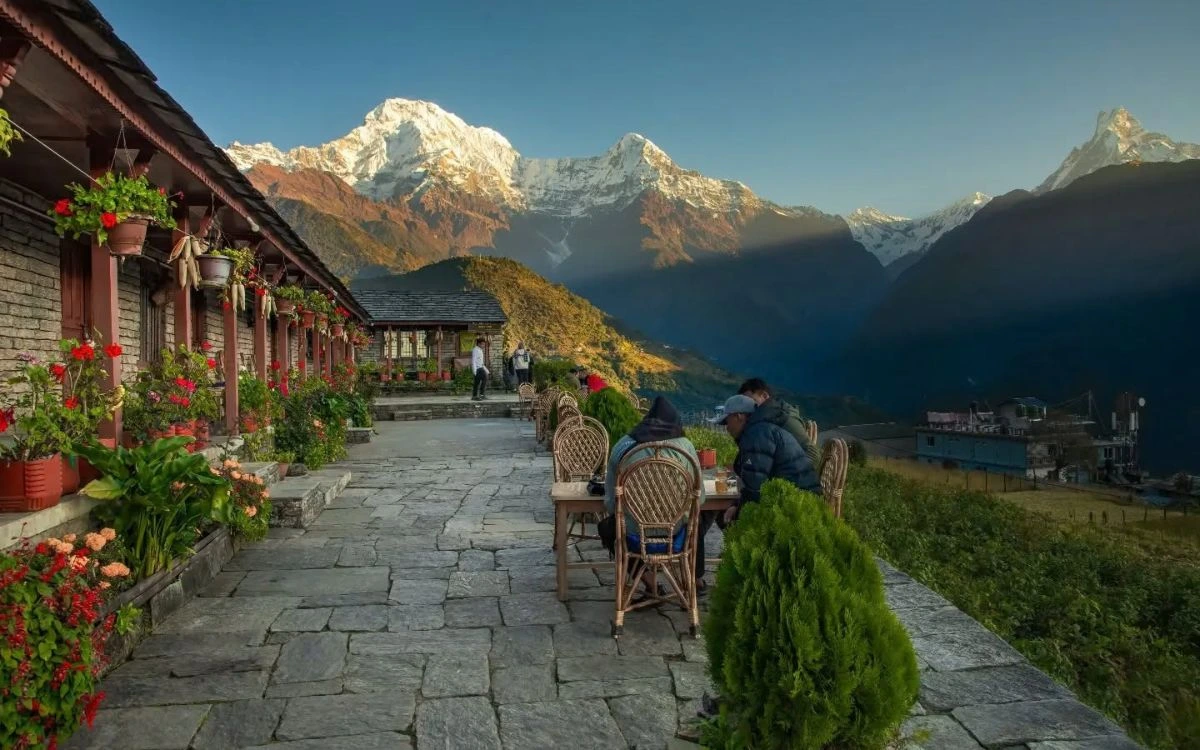
Although going independent may seem to offer a lower price, taking on the worry of getting the necessary permits, doing the bookings, navigating, and making decisions along the way, a guided package would relieve you of such efforts. One significant advantage of hiring a guide is his or her ability to pre-empt altitude sickness. The rules governing independent trekkers will often be altered, so it is wise to check for the most up-to-date information before heading out on your adventure.
Extra expenses and emergency budget
Budget extra cash for:
- Hot showers and phone charging (roughly US$2–3 each) and Wi-Fi
- Snacks, soft drinks, and extra meals not covered by your package
- Tips for your guide and porter (10–15% of the trip cost is a common guideline)
- Gear purchases or rentals in Pokhara
- A buffer for weather delays or an emergency descent
Buy travel insurance that covers trekking to at least 4,500 m and helicopter evacuation. This is non-negotiable.
What Should Beginners Pack for ABC Trek?
Pack light. Your guide or porter carries your main bag, but you carry a daypack every day.
Clothing and footwear
- Broken-in waterproof trekking boots
- Moisture-wicking base layers (2–3 tops)
- Fleece or light insulated jacket
- Down jacket for the upper trail
- Waterproof shell jacket and pants
- Trekking pants and a warm hat
- Sun hat and gloves
- 4–5 pairs of trekking socks
Essential gear and personal items
- Sleeping bag rated for cold nights (often available for rent)
- Trekking poles
- Headlamp with spare batteries
- Reusable water bottle and purification tablets
- Sunscreen, lip balm, and UV sunglasses
- Power bank
- Passport copies and permits
First-aid supplies and altitude safety
- Blister plasters and tape
- Pain relievers and rehydration salts
- Personal medications
- Hand sanitizer
Ask your doctor about altitude medication before you depart. Don't start any drug without medical advice.
Practical Tips for First-Time ABC Trekkers
Walk at a steady pace and take breaks
Slow and steady wins at altitude. Use the "talk test": if you can't chat while walking, slow down. Short rests every hour keep your energy even.
Stay hydrated and eat regularly.
Drink 3–4 liters of water a day. Eat even when your appetite dips, because your body burns more fuel at altitude. Dal bhat is a trekker favorite for good reason.
Choose a suitable itinerary and experienced guide.
The itinerary has to be more relaxed, and a good guide is more important than any gear. Ask the operators about their way of managing acclimatization, emergencies, and group speed. Himalayan Recreation Treks and Expedition has been arranging treks to Annapurna Base Camp since 2015, which allows their guides to have experience with the route, weather conditions, and typical mistakes that beginners can make along the way.

Annapurna Yoga Trek - 13 Days
Know when to stop or descend.
Turning back isn't failure. If symptoms worsen, go down. ABC will still be there next season, and so will you.
Is ABC Trek Better Than Other Beginner Treks in Nepal?
It depends on your time, budget, and appetite for altitude. ABC delivers a true base camp experience in a compact trek, but other routes may suit you better.
ABC Trek vs Ghorepani Poon Hill Trek
Poon Hill Trek lasts for three to five days and has a height of 3,210 meters. It has fewer altitude problems and offers a breathtaking sunrise vista of the Annapurna and Dhaulagiri mountains. This is a good choice for those with a tight timetable. Select Poon Hill for a quick trip instead of ABC if you want to stand in the middle of Annapurna Sanctuary with its high peaks around.
ABC Trek vs Mardi Himal Trek
Mardi Himal is a low and moderately trafficked hiking route that is often overshadowed by its famous neighbor. It has excellent views of Machapuchare from its ridge and ends at the Mardi Himal Base Camp at an elevation of approximately 4,500 m, which makes it higher than ABC. Nonetheless, it is wrong to assume that this hike is simpler than ABC. Although it sees a lower number of visitors, the upper ridge is very narrow and exposed to wind.
If you are seeking a quiet hiking trail with challenging ascents, go for Mardi Himal. ABC should be your choice if you want the traditional experience.
If you want a bit of a different trekking experience suitable for beginner hikers, make sure to check out the Langtang Valley Trek. You will get the chance to immerse yourself in Tamang culture and enjoy views of glaciers by reaching this place by road from Kathmandu.
FAQs
Is it possible for a novice to take on Annapurna Base Camp Trekking?
The answer is affirmative. Many trekkers complete this trek each year. The trek is easy to accomplish if you are equipped with enough fitness, a proper schedule, and a suitable guide on your side who helps you monitor your health.
Is going trekking in ABC more demanding than going to Everest's base camp?
The answer is no. ABC is supposed to be easier than Everest Base Camp Trekking. The route is shorter and lower (the altitude is 4130 meters versus 5364 meters for EBC), and you don’t need a plane in order to reach the point.
Is it feasible for beginners to trek ABC alone?
Some trekkers do it this way. Still, it would be better to employ a licensed guide. The path can be followed by trekkers independently. But a guide is supposed to help a novice navigate the weather conditions, monitor altitude symptoms, and avoid complications.
What is the toughest spot of ABC Trekking?
The toughest spots of the trek are the steep stairs and the ascent to the final point. For instance, the uphill climb towards Chhomrong and the long distance from Deurali to MBC.
Is ABC Trek secure for solo travelers or first-time trekkers?
With the proper preparation, it is reasonably secure. The primary dangers are altitude sickness, treacherous trails, and avalanches during winter and early spring. Therefore, first-time solo trekkers should opt to trek along with a group or hire a guide, procure insurance, and let someone back home know about their itinerary.
Conclusion: Should Beginners Choose ABC Trek?
If you're ready, the answer to this question is yes. The Annapurna Base Camp Trek provides plenty of rewards for novice trekkers, including breathtaking sunrises as well as the excitement of discovering the Annapurna Sanctuary. This trek requires some physical preparation, a good degree of patience, and knowledge about altitude acclimatization.
Just spend a few months training, pick an appropriate itinerary, and go trekking with a skilled guide. Your first trek in this amazing region of the Himalayas can start right now with Himalayan Recreation Treks and Expedition.
 based on 9 reviews
7 Days Annapurna Base Camp Trek
 based on 2 reviews
Tsum Valley Trek - 10 Days
 based on 5 reviews
Manaslu Circuit Trek 14 Days
based on 1 reviewsAnnapurna Circuit Trek 10 Days
Annapurna North Base Camp Trek - 12 Days



-6.webp)
-1.webp)