Discover Sherpa culture and lifestyle in Nepal's Everest region—from Tibetan Buddhist traditions and festivals like Losar and Mani Rimdu to daily life, food, and the Khumbu's mountaineering heritage.
Sherpa culture and lifestyle sit at the heart of Nepal's Everest region, shaping everything from mountain festivals to the warmth travelers feel in every teahouse along the trail. Long before climbers or trekkers arrived, the Sherpa people had built a resilient, spiritually grounded society around these peaks. Rooted in Tibetan Buddhism and shaped by centuries of high-altitude life, Sherpa traditions blend deep religious devotion with practical mountain wisdom. For anyone setting out on Trekking in Nepal, understanding Sherpa heritage adds real meaning to the journey — from the prayer flags over Namche Bazaar to the guides who have made Himalayan mountaineering history. This guide walks through Sherpa origins, beliefs, festivals, daily life, and the challenges facing these communities today.
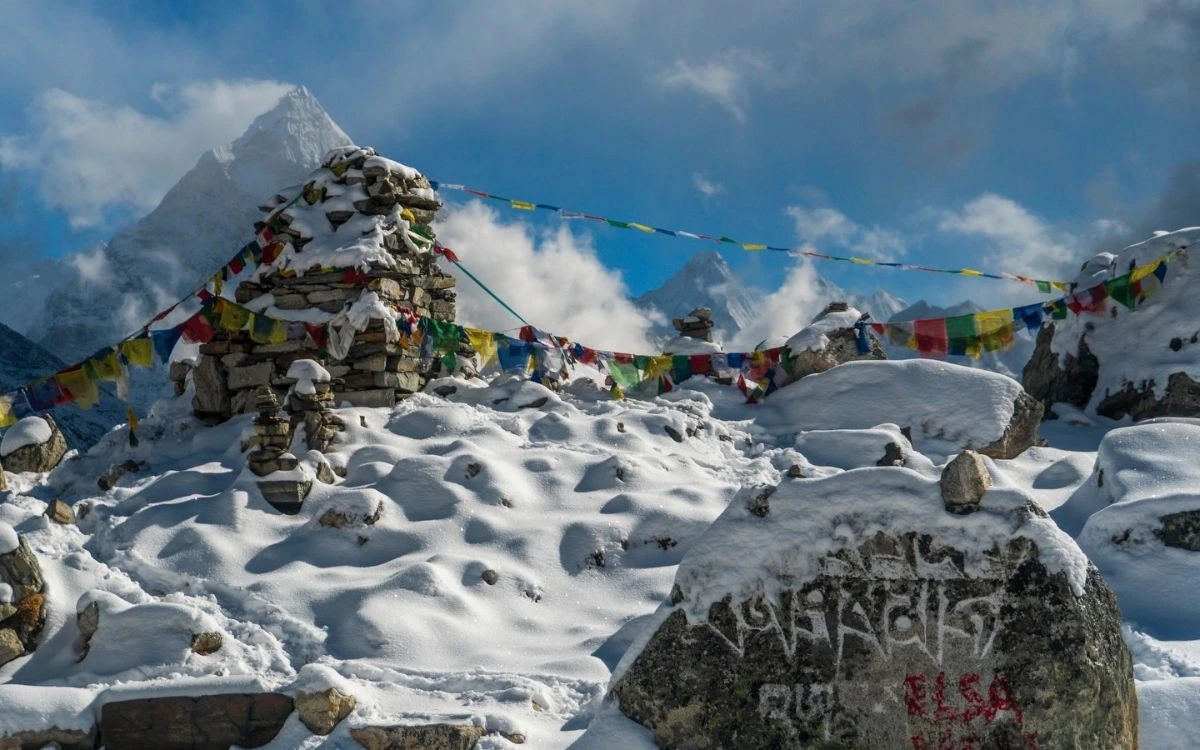
Snow-covered stone chorten with prayer flags in the Everest region
Who Are the Sherpa People of the Everest Region?
The Sherpa people are an indigenous ethnic group native to the Solu-Khumbu region of northeastern Nepal, in the shadow of Mount Everest. Roughly 250,000 Sherpas live in Nepal today, with communities also settled in Helambu, Sikkim, and Darjeeling. Their history, language, and religion trace directly back to Tibet, giving Sherpa society its distinct cultural identity within Nepal's broader ethnic landscape.
Sherpa Origins and History
Sherpa ancestors migrated from the Kham region of eastern Tibet around the 15th century, crossing high Himalayan passes to settle in the valleys below Everest. They brought Tibetan Buddhist practices, farming knowledge, and a language closely related to Tibetan, which they adapted to their new mountain home over the following centuries.
Sherpa Name and Identity
The word "Sherpa" comes from the Tibetan shar-pa, meaning "eastern people," a reference to their migration route from eastern Tibet. Today the name carries a dual meaning: it identifies a specific ethnic group with its own history and customs, while outside Nepal it is often used loosely for any high-altitude mountain guide. Most travelers first encounter genuine Sherpa hospitality while walking the Everest Base Camp Trek, passing through Sherpa villages like Namche Bazaar, Khumjung, and Pangboche along the way.
Sherpa Culture and Traditions
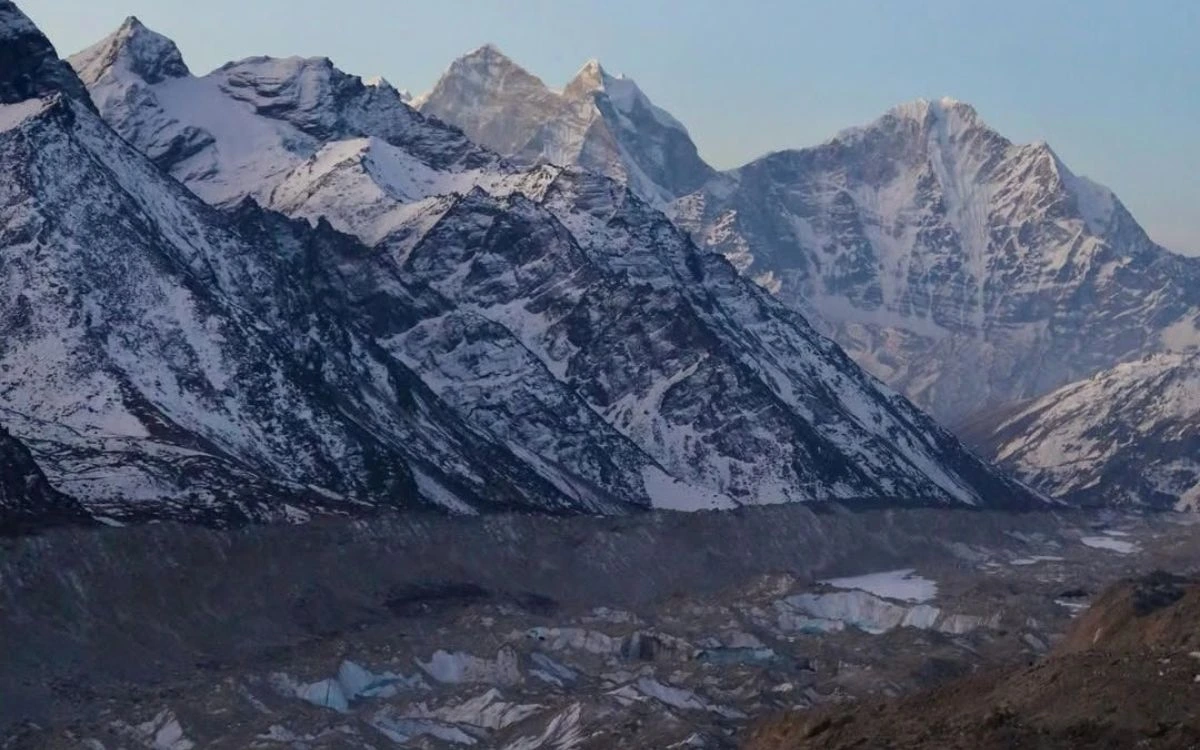
Ama Dablam and Himalayan peaks above the Khumbu glacier valley
Family, Community, and Social Structure
Sherpa society is organized around extended clans, such as Minyag and Thimmi, each with its own lineage and customs. Villages traditionally governed themselves through the nawa system, a form of local leadership and assembly that managed grazing rights, forest use, and community disputes. Respect for elders and strong communal bonds remain central to Sherpa traditions, with decisions often made collectively rather than individually.
Sherpa Social Customs and Gatherings
One distinctive Sherpa custom is yangdzi, a tradition of reciprocal hospitality parties where families take turns hosting neighbors with food, chang (barley beer), and conversation. These gatherings reinforce social ties and are a practical expression of the generosity Sherpa communities are known for. The Sherpa dialect, a variant of Tibetan, continues to be spoken at home even as many Sherpas also speak Nepali and English for trekking and tourism work.
Sherpas practice Nyingma Buddhism, the oldest school of Tibetan Buddhism, woven together with older Bön animist beliefs that predate it in the Himalayas. Village monasteries, known as gompas, anchor religious life, with lamas leading rituals and, in some communities, shamans still called upon for healing and protection ceremonies.
Sacred Mountains, Deities and Animist Traditions
Mountains themselves hold spiritual weight in Sherpa belief. Everest is known as Chomolungma, or "Mother of the World," while Mount Makalu is associated with the deity Shankar. The Khumbu region is regarded as a beyul, a sacred hidden valley offering spiritual protection. This reverence for high peaks extends across Nepal's mountain communities — trekkers on routes like the Manaslu Circuit Trek encounter similar traditions of mountain worship among the ethnic groups living near that peak, a reminder that sacred-mountain belief runs throughout the Himalayas, not just in Khumbu.
Sherpa Festivals and Celebrations
Gyalpo Losar (Sherpa New Year)
Gyalpo Losar, the Sherpa New Year, falls in February or March and is celebrated with family reunions, special foods, and traditional dances. Homes are cleaned and decorated beforehand, and the festival marks a fresh start with prayers for good fortune in the year ahead.
Mani Rimdu and Other Religious Festivals
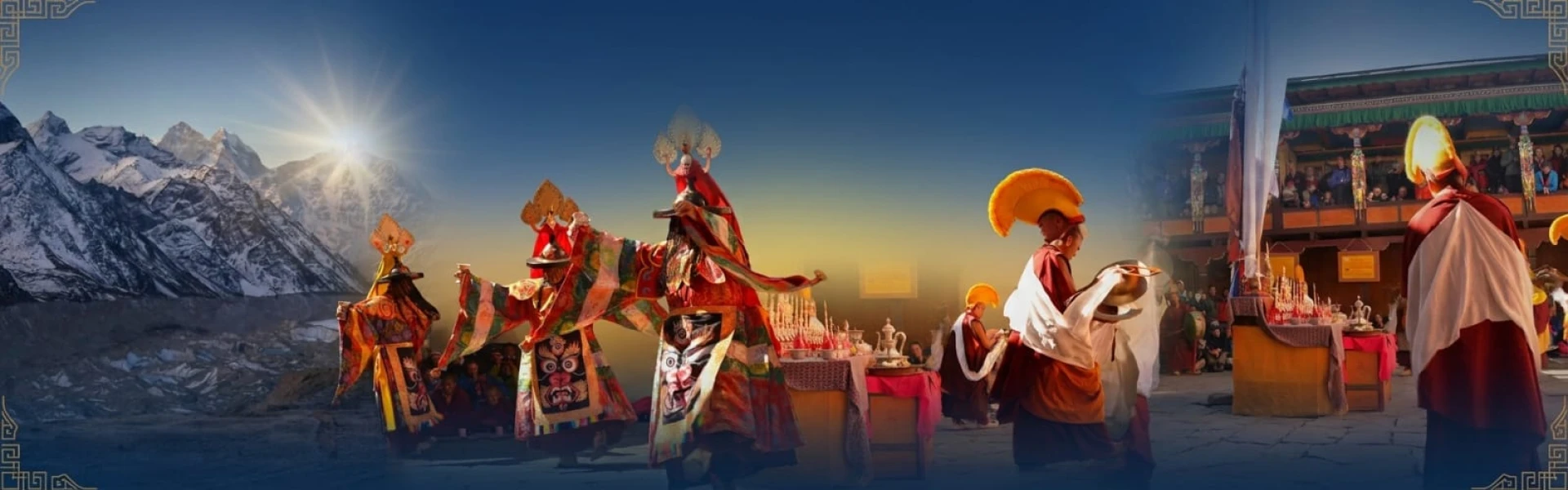
Masked lamas performing sacred dances at Mani Rimdu festival
Mani Rimdu is the most elaborate Sherpa festival, a 19-day monastery celebration held each October or November at Tengboche and Thame monasteries. Monks perform masked dances honoring Padmasambhava, the figure credited with bringing Buddhism to the Himalayas, alongside prayers and communal feasting. Smaller local festivals, including Dumje in Khumjung and Buddha Jayanti, add to the yearly calendar of celebration. Trekkers timing their trip around these events find no shortage of memorable scenes — for photography inspiration, our 12 Most Stunning Photo Spots on the Everest Base Camp Trek covers where to capture both the landscape and these cultural moments respectfully.
Sherpa Lifestyle and Daily Life in Everest Region
Traditional Sherpa Food and Cuisine
Sherpa daily life still centers on subsistence farming and herding, with barley, potatoes, and millet as staple crops alongside yak farming. Traditional cuisine includes dal bhat, tsampa (roasted barley porridge), chhurpi (dried yak cheese), and momos. Butter tea and raksi, a home-brewed grain spirit, offer warmth against the high-altitude cold, while shakpa stew is a common cold-weather comfort dish.
Sherpa Clothing and Housing
Traditional Sherpa clothing reflects the mountain climate: men wear wool chuba robes tied with a sash, while women wear a long dress called a tongkok, paired with a striped apron known as a pangden and a silver buckle called a kyetig. Homes are built from stone and timber, centered around a hearth that provides both heat and a gathering point, with a dedicated shrine room for daily prayer. Lodge architecture along Nepal's trekking trails still reflects these building traditions today — visitors comparing regions often notice the similarities and differences on treks like the Annapurna Base Camp Trek, where stone farmhouses serve a similar dual purpose of home and teahouse.
Hospitality and Community Rituals
Hospitality is not just a courtesy in Sherpa culture — it is a structured social practice, expressed through the yangdzi gatherings mentioned earlier and through village dances that mark seasonal changes and festivals. That same spirit of warmth carries into the tourism lodges of the Khumbu today; the Hotel Everest View is one well-known example of Sherpa-run hospitality at altitude. Travelers wanting a comfortable base for exploring this culture can consider the Everest Base Camp Luxury Trek, which pairs cultural immersion with more comfortable lodging.
Sherpas and Mountaineering in the Everest Region
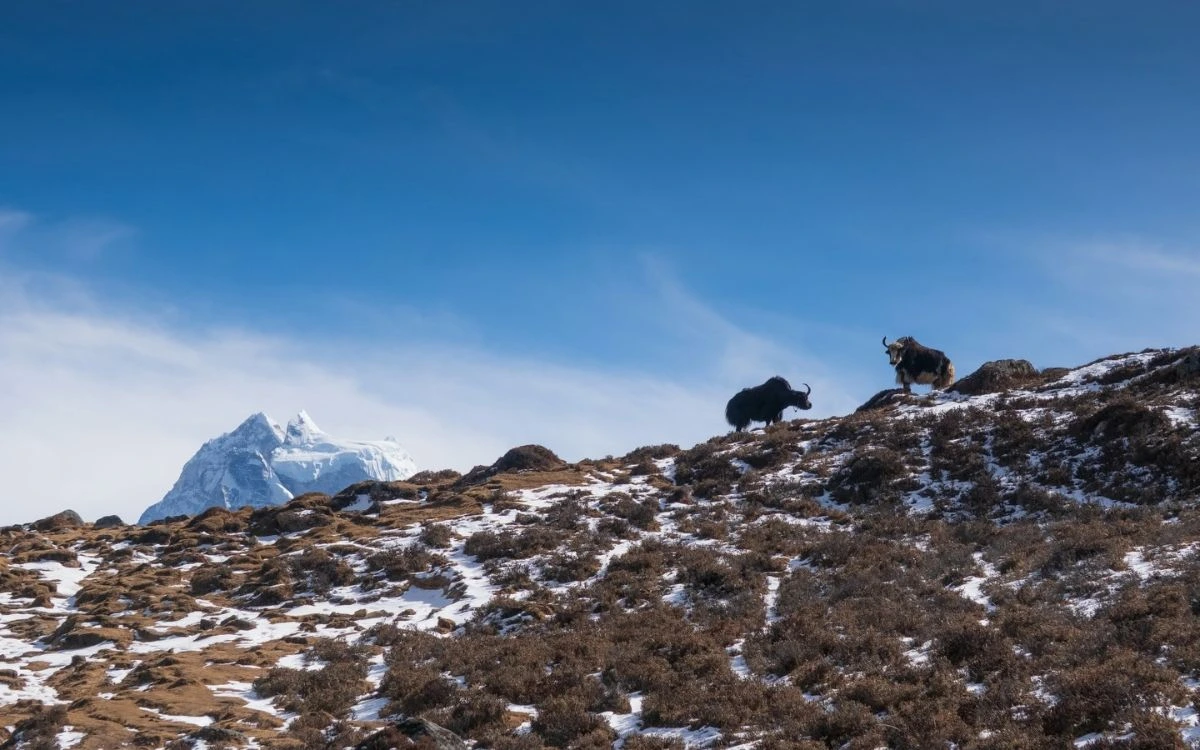
Yaks grazing on a Khumbu hillside with Everest region peaks behind
Sherpas are world-renowned as elite high-altitude guides, rope-fixers, and porters, a role that began with Tenzing Norgay's historic first ascent of Everest alongside Edmund Hillary in 1953. Legendary Sherpa mountaineers such as Apa Sherpa, Kami Rita Sherpa, and Pasang Lhamu Sherpa have since built on that legacy, setting summit records and opening routes for generations of climbers. Physiological adaptations built up over centuries of high-altitude life give Sherpas a genuine endurance advantage on the mountain, and every expedition typically opens with a puja ceremony, a Buddhist blessing seeking safe passage from the mountain deities before climbing begins. Trekkers hoping to walk in this mountaineering history have several route options: the Everest Three Pass Trek and the Everest Gokyo Lake Trek both pass through Sherpa mountaineering villages. If you're deciding between routes, our comparison, Everest Base Camp or Gokyo Lakes, breaks down the trade-offs.
Sherpa Communities and Tourism in Everest
Trekking, Guides, and Local Economy
Tourism has reshaped the Khumbu over the past half-century. Lukla's mountain airport opened the region to trekkers, and Namche Bazaar has grown into a hub of lodges, bakeries, and gear shops largely run by Sherpa entrepreneurs. This same pattern of trekking-driven local economies plays out elsewhere in Nepal — communities along the Langtang Valley Trek, for instance, rebuilt their guesthouse economy after the 2015 earthquake in much the same way Khumbu villages have grown around Everest tourism. Travelers short on time can experience Khumbu culture through the Everest Base Camp Trek with Helicopter Return, which still passes through Sherpa villages on the way up.
Education and Infrastructure in Khumbu
Alongside tourism income, Khumbu has gained boarding schools, health posts, and reliable electricity in its larger villages — improvements largely funded by trekking and mountaineering revenue and by foundations established in Sir Edmund Hillary's name. These changes have raised living standards while creating new questions about how to balance modern development with Sherpa tradition.
Modern Challenges Facing Sherpa Communities
Climate Change and Environmental Impacts
Glacial retreat is one of the most visible threats to the Everest region, affecting water supplies and increasing avalanche risk on popular climbing routes. Sherpa guides, who spend the most time on the mountain, are often the first to notice these shifting conditions season to season.
Cultural Preservation and Economic Change
Heavy dependence on tourism leaves Sherpa communities vulnerable to disruptions like earthquakes or pandemics, and rising costs of living have followed the growth of trekking infrastructure. Western influence and modernization have also diluted some traditional practices, prompting efforts such as cultural schools and local museums to keep Sherpa language and customs alive for younger generations. Nepal's other mountain communities face comparable pressures — trekkers on the Annapurna Circuit Trek, for example, pass through villages managing the same balance between tourism income and cultural preservation.
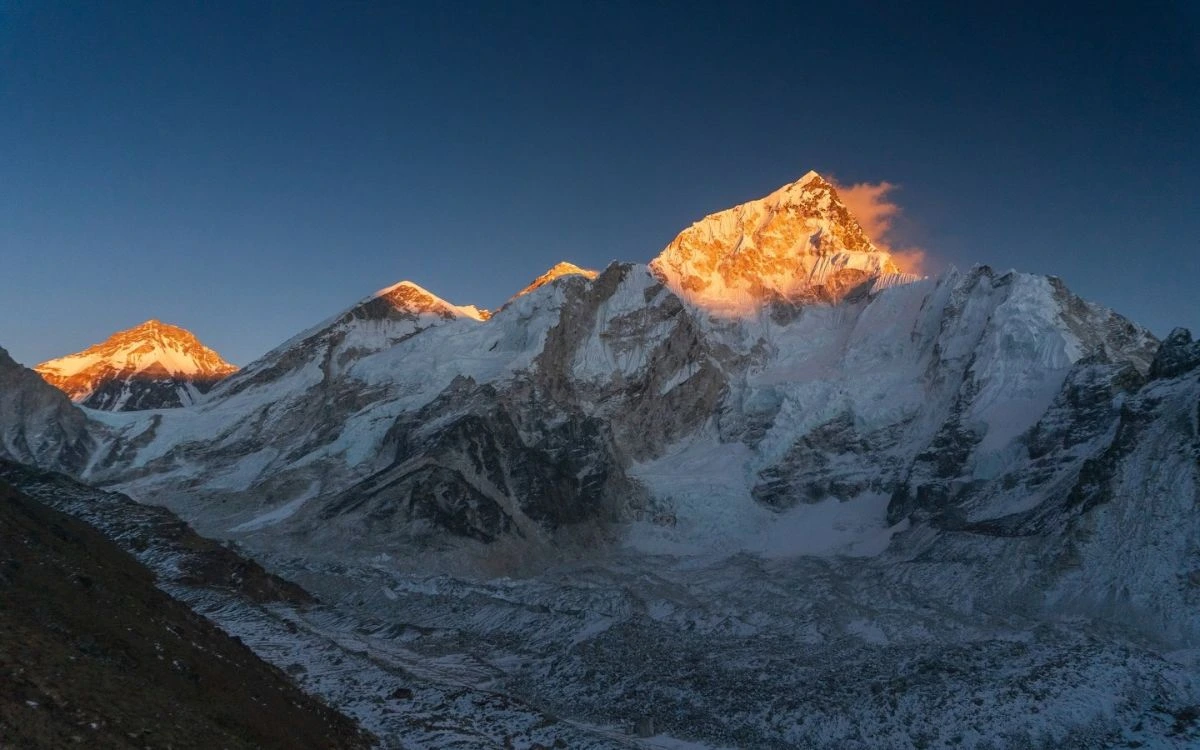
Sunrise light on Everest and Nuptse in the Khumbu
Sherpa Culture: Tips for Visitors
A little preparation goes a long way toward respectful travel in Sherpa communities. A few practices worth knowing:
Learn a basic greeting — "tashi delek" is widely appreciated as a warm hello.
Dress modestly, especially near monasteries and religious sites.
Walk clockwise around mani walls, stupas, and other religious structures.
Ask before photographing people, ceremonies, or private rituals.
Visit a monastery or the Sherpa culture museum in Namche Bazaar for deeper context.
Support local lodges, guides, and porters fairly — their livelihoods sustain these communities.
FAQs About Sherpa Culture and Lifestyle
Who are the Sherpa people?
The Sherpa people are an indigenous Nepali ethnic group native to the Solu-Khumbu region near Mount Everest. Their ancestors migrated from eastern Tibet around the 15th century, and today roughly 250,000 Sherpas live in Nepal, known worldwide for their mountaineering skill and Tibetan Buddhist heritage.
What does the word "Sherpa" mean?
"Sherpa" comes from the Tibetan shar-pa, meaning "eastern people," referring to their migration from eastern Tibet. The name identifies a specific ethnic group, though it is also used more loosely outside Nepal for high-altitude mountain guides.
What language do Sherpas speak?
Sherpas speak Sherpa, a Tibetan dialect passed down through generations and still used at home in most Khumbu villages. Many Sherpas are also fluent in Nepali and English, which they use for trekking, guiding, and tourism work.
What religion do Sherpas follow?
Sherpas practice Nyingma Buddhism, the oldest school of Tibetan Buddhism, blended with older Bön animist beliefs. Village monasteries, or gompas, are central to religious life, and mountains themselves are regarded as sacred, protective deities.
What is the Sherpa New Year called?
The Sherpa New Year is called Gyalpo Losar, celebrated in February or March with family reunions, traditional food, and dance. Homes are cleaned beforehand, and the festival marks a fresh start with prayers for good fortune.
What is Mani Rimdu?
Mani Rimdu is Khumbu's most important religious festival, a 19-day celebration held each October or November at Tengboche and Thame monasteries. Monks perform masked dances honoring Padmasambhava, the figure credited with bringing Buddhism to the Himalayas.
What do Sherpas traditionally eat?
Traditional Sherpa food includes dal bhat, tsampa (roasted barley porridge), chhurpi (dried yak cheese), and momos, along with butter tea for warmth at altitude. Meals are built around barley, potatoes, and yak products suited to high-altitude farming.
Why are Sherpas famous for mountaineering?
Sherpas are renowned high-altitude climbers and guides thanks to generations of adaptation to thin mountain air, combined with deep route knowledge of the Everest region. Tenzing Norgay's 1953 summit with Edmund Hillary marked the start of this global reputation.
Where in Nepal do Sherpas live?
Most Sherpas live in the Solu-Khumbu district in northeastern Nepal, near Mount Everest, in villages such as Namche Bazaar, Khumjung, and Pangboche. Smaller Sherpa communities also live in Helambu, as well as across the border in Sikkim and Darjeeling.
What should visitors know about Sherpa etiquette?
Visitors should dress modestly near monasteries, walk clockwise around mani walls and stupas, and ask permission before photographing people or ceremonies. Learning a simple greeting like "tashi delek" and supporting local guides and lodges fairly are also welcome.
Conclusion
Sherpa culture and lifestyle offer far more than a backdrop to Everest expeditions — they are a living tradition of faith, hospitality, and resilience shaped by centuries of high-altitude life. Understanding this heritage turns a trek through the Khumbu into a genuinely meaningful cultural experience, not just a physical one. Ready to experience Sherpa culture firsthand? Plan your Everest region trek with Himalayan Recreation Treks and Expedition today.




 based on 1 reviews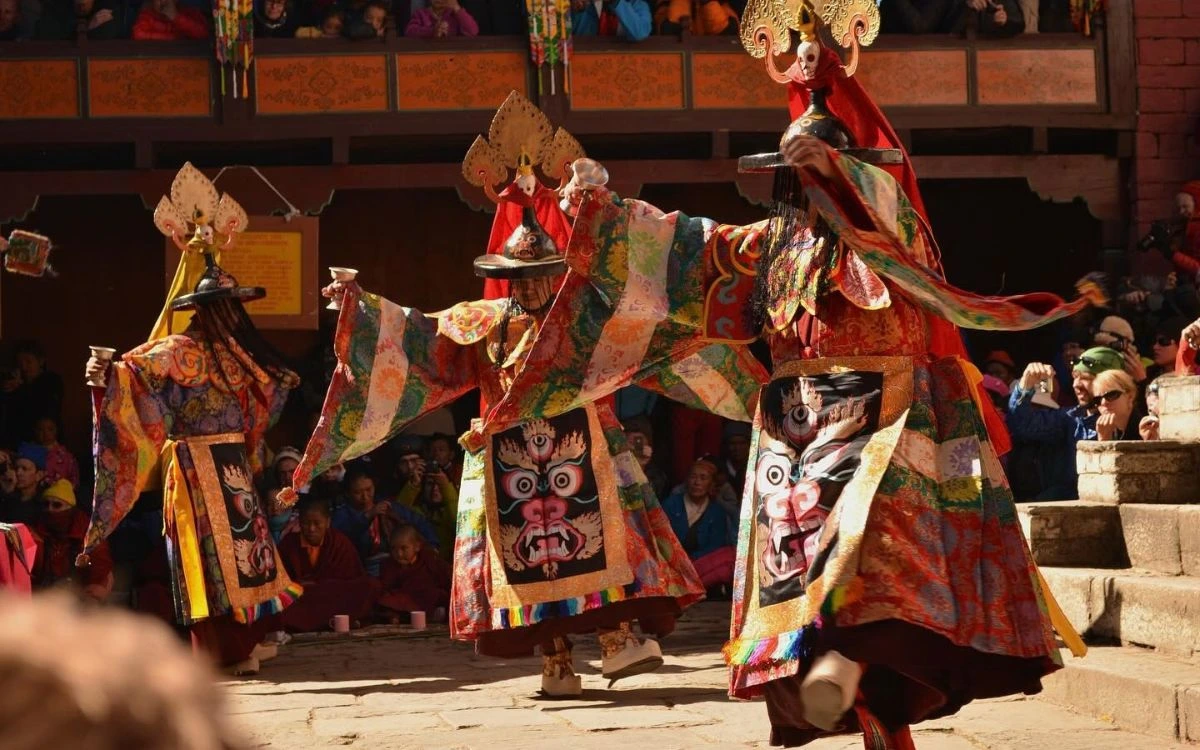


-1.webp)
-1.webp)
-1.webp)