Before preparing to set out on the Annapurna Circuit Trek, make sure that you have all the correct permits to enter the Annapurna Conservation Area. All trekkers must obtain an ACAP permit before trekking in the Annapurna Conservation Area. Regardless of whether you go as part of a group or alone, understanding ACAP permit rules, TIMS card requirements and where to buy them will help eliminate a great deal of stress and time wasted. We will provide you with complete details about permits for the Annapurna Circuit Trek in 2026, including costs and how to apply.
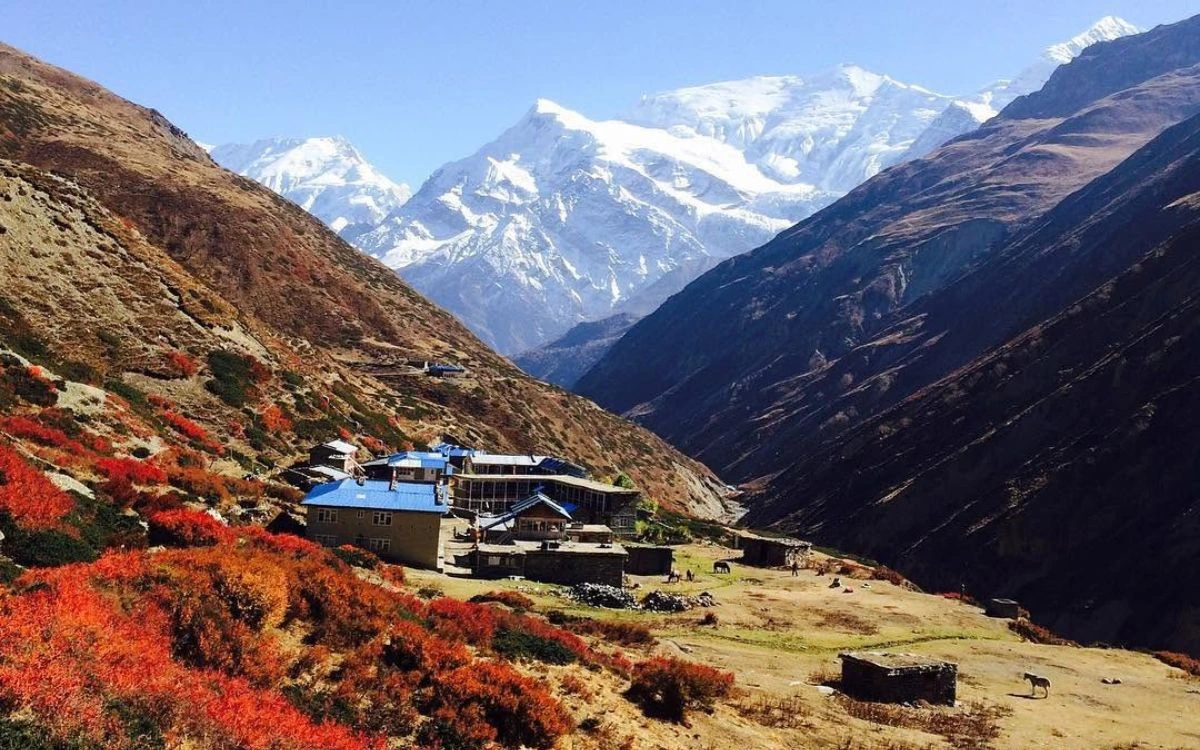
Jaw drabbing view of Mt. Annapurna III and Gangapurna from Yak kharka.
In this blog, we cover the two permits you need (ACAP and TIMS), how much they cost, where to get them in Kathmandu and Pokhara, the documents required, solo trekking rules for 2026, and practical tips to make the process as smooth as possible. By the end, you will know exactly what to prepare before you set foot on the trail.
Which Permits Are Required for the Annapurna Circuit Trek?
To trek the Annapurna Circuit, you must obtain two types of permits: the ACAP (Annapurna Conservation Area Permit) and a TIMS (Trekkers' Information Management System) card. Both of these are required permits, and you will need to show both to checkpoint authorities during your trek.
The ACAP permit is issued by the Nepal Tourism Board and allows access to the Annapurna Conservation Area. This area is one of the largest protected areas in Nepal. The TIMS card is a way for trekkers to register with authorities so they can keep track of who is on the trail, especially in the event of an emergency.
The Annapurna Circuit does not require an additional permit, as some restricted trekking areas (like Upper Mustang) do. But if you want to trek legally and safely, you must obtain both an ACAP permit and a TIMS card.
Nepal has some of the best-known trekking routes in the world. For example, the Everest Base Camp Trek has its own set of permits, including an entry fee for Sagarmatha National Park, and each area of Nepal has different rules and regulations regarding trekking. Therefore, you should do your research to find out what permits you need to obtain prior to trekking in your desired location.
ACAP Permit: Cost, Validity, and How to Get It
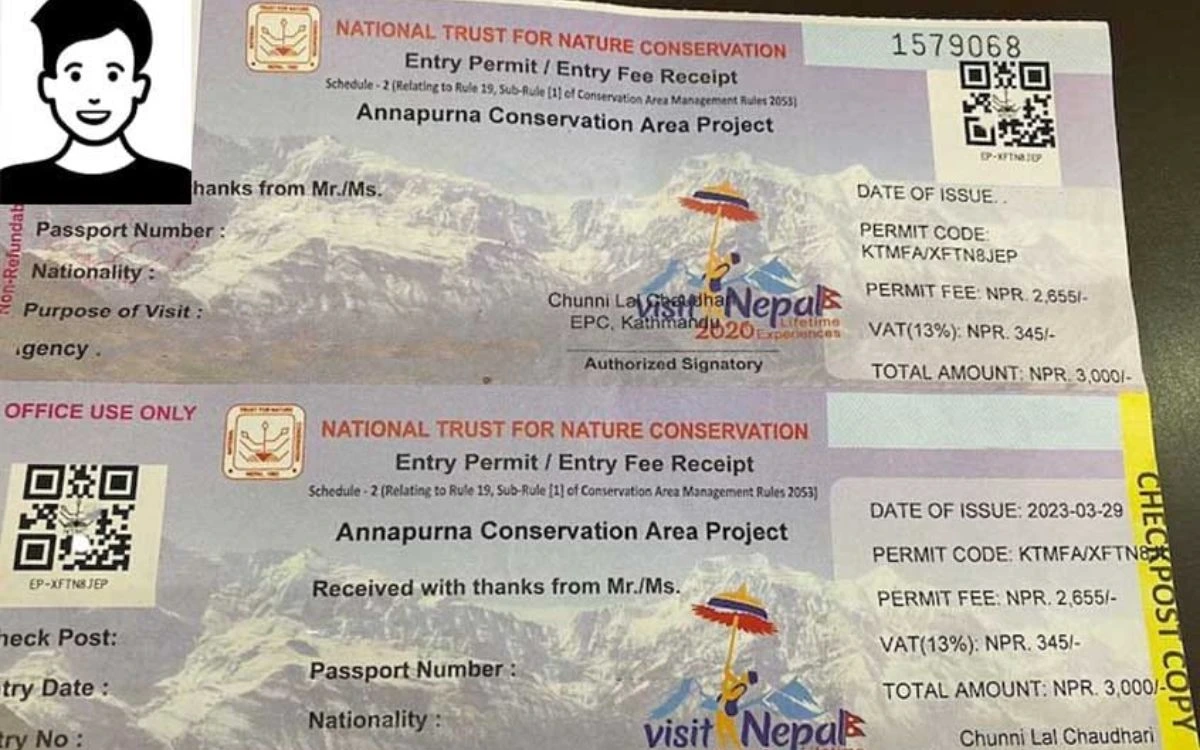
Annapurna Conservation Area Project ACAP entry permit with fee receipt and Himalayan peak background
An ACAP Permit is granted to one person and allows him or her to travel anywhere in the Annapurna Region for a set period of time, which includes the duration of your trip. Below is information about the costs associated with getting an Annapurna Circuit Permit, as well as how you can get yours.
The fee for conservation in the Annapurna Region is included in the price of your entry into the conservation area. The entry fee is also valid for the duration of your stay in the conservation area (i.e., it is not possible for you to pay for only part of your entry into any part of the conservation area).
You are also able to obtain your ACAP from either the Nepal Tourism Board (NTB) office in Kathmandu (or the NTB permit office near Damside/near Damside), or from both of these locations. Therefore, if you aretrekking inn via Pokhara and need your permits to enter the conservation area, it is most convenient for you to obtain them in Pokhara.
TIMS Card for Annapurna Circuit: What You Need to Know.
The TIMS card (Trekkers' Information Management System) is not an additional document; rather, it is another document. This document has been created with the express purpose of making trekkers safer on their journeys and is being managed by both TAAN (Trekking Agencies' Association of Nepal) and the Nepal Tourism Board in order to help facilitate the safety of trekkers while they are visiting Nepal.
Types of TIMS Cards
Green TIMS Card: For trekkers using a registered trekking agency (NPR 1,000)
Blue TIMS Card: For independent/solo trekkers (NPR 2,000)
If you are wondering about Annapurna Circuit solo trekking rules 2026, the TIMS card is especially important. Solo trekkers must carry the Blue TIMS card, which costs more but is straightforward to o For trekkers looking to trek solo on the Annapurna Circuit in 2026, the TIMS card is particularly important,t as well as required for all solo walkers while hiking the Annapurna Circuit. There is a Blue TIMS card (solo trekker) will need to be purchased, but it can easily be obtained, and you will need it before hiking on the Annapurna Circuit.
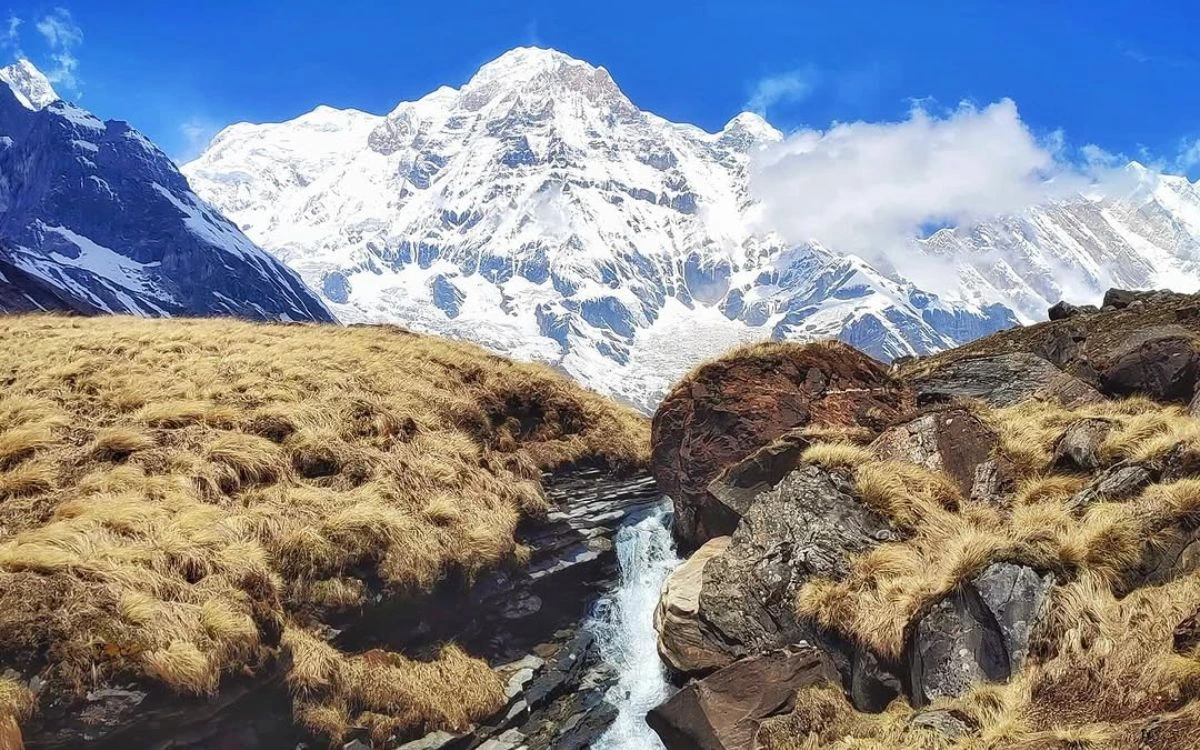
Frozen stream flowing toward Annapurna I peak across golden grasslands in the conservation area
There have been many questions about whether or not you can hike solo through the Annapurna Circuit. The answer is that you can hike solo, but you must have all of your permits beforehand.
Other popular hikes in Nepal that also require a TIMS card and a respective National Park Permit include the Langtang Valley Trek. The permitting system across Nepal is uniform, so once you learn how to obtain permits for one trek, you will have a much easier time obtaining permits for any other hike in Nepal .btain. Some trekkers ask whether solo trekking is allowed on the circuit — the answer is yes, but you must have all your permits in order.
Other popular trails in Nepal, like the Langtang Valley Trek, also require a TIMS card alongside their respective national park permits. The permit system across Nepal is designed to be consistent, so once you understand the process for one trek, the others become easier to navigate.
Documents Required for Annapurna Trekking Permits
Getting your permits is a quick process if you have the right documents ready. Here is a checklist of what you will need:
Valid passport (with at least 6 months' validity)
Nepal visa (tourist visa obtained on arrival or in advance)
Passport-sized photographs (at least 2 copies)
Completed application form (available in the permission office)
Cash in Nepali Rupees (most offices do not accept cards)
Applications at both the Kathmandu and Pokhara permit offices are usually processed on the spot within approximately 30 minutes of submission. It’s advisable to try to go in early in the morning if you want to avoid waiting in lines when submitting your application, especially during the peak trekking season, which is in spring and autumn.
Where to Buy Trekking Permits in Kathmandu and Pokhara
You can get both your ACAP permit and TIMS card from the Nepal Tourism Board offices. The two main permit offices are:
Kathmandu: Nepal Tourism Board, Bhrikutimandap (near Thamel) — open Sunday to Friday, 9 AM to 5 PM
Pokhara: Nepal Tourism Board permit office, Damside/Lakeside — convenient if you are flying directly to Pokhara before the trek
Working through a trekking company that is registered to provide treks in Nepal will mean that they will usually arrange your permits for you as part of the service provided by them. This may be advantageous for a first-time trekker who would like help with familiarity with the process for obtaining an online Permit Application or to use the local permit office.
When travelling to the Annapurna Base Camp Trek, trekkers will also be required to obtain their permits from the same local offices, as both treks are included within the Annapurna Conservation Area. The permits may be exchanged for each other in the ACAP area, meaning that one permit will cover a number of the Annapurna region treks, provided that they are covered by the validity of the permit.
Permit Checkpoints Along the Annapurna Circuit
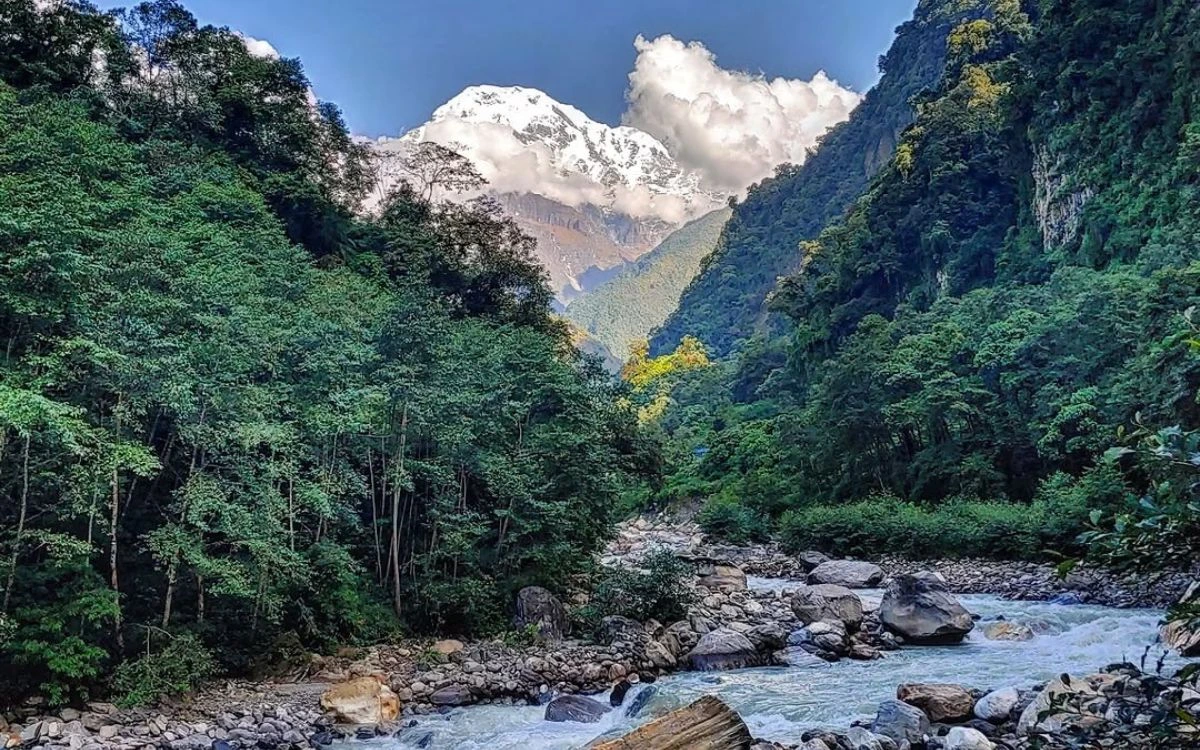
Rocky glacial river cutting through dense subtropical forest with a snow-capped peak above
When hiking the trail, you will encounter multiple checkpoints where your ACAP permit and TIMS card will be checked by officials. These will be located along the route by major villages or entrances to conservation areas. Always keep your permits, as well as identification cards, in an easy-to-reach location —using a waterproof cument pouch works best.
Some examples of important checkpoints are where the eastern part of the trail meets Besisahar and Jagat, and where you exit through Mustang at Jomsom and Tatopani. Trekke, rs without appropriate documentation have been fined or sent back from these checkpoints,s so do not take them lightly.
Experienced trekkers looking to explore a part of Nepal that is less travelled may wish to hike the Manaslu Circuit Trek, which requires both a limited area permit in addition to the Manaslu Conservation Area Permit and the TIMS card previously mentioned. Please note that this type of trekking cannot be done without first going through a registered trekking company. Depending upon where you want to trek in the Manaslu region, the types and quantity of permits needed vary widely, hence why planning is essential.
Can You Apply for Annapurna Circuit Permits Online?
A system for applying for an online trekking permit has been set up by the Tourism Board of Nepal, but although there is already an online application form usable via the Nepal Tourism Board site, most trekkers want to collect their trek permit in person because the officials at the checkpoints still require an original paper trekking permit. Before you leave for Nepal, it is wise to confirm the current status of the online application, as changes in policy may occur.
If you are using an agency to get your permit, the agency will file the documentation and deliver the permit to you prior to starting the trek. This is by far the easiest method for obtaining your trek permit, particularly for first-time travellers to Nepal.
ACAP and TIMS Permit Fees: Quick Summary
Here is a quick breakdown of the ACAP and TIMS permit fees for 2026:
ACAP Permit (non-SAARC): NPR 3,000 per person
ACAP Permit (SAARC nationals): NPR 1,000 per n
TIMS Card (independent trekker): NPR 2,000 per person
TIMS Card (agency trekker): NPR 1,000 per person
A foreign trekker travelling independently should budget about NPR 5,000 ($37-40) total for both permits. This is a minor expense compared to the total trekking expense, but it's a good idea to plan for this ahead of time.
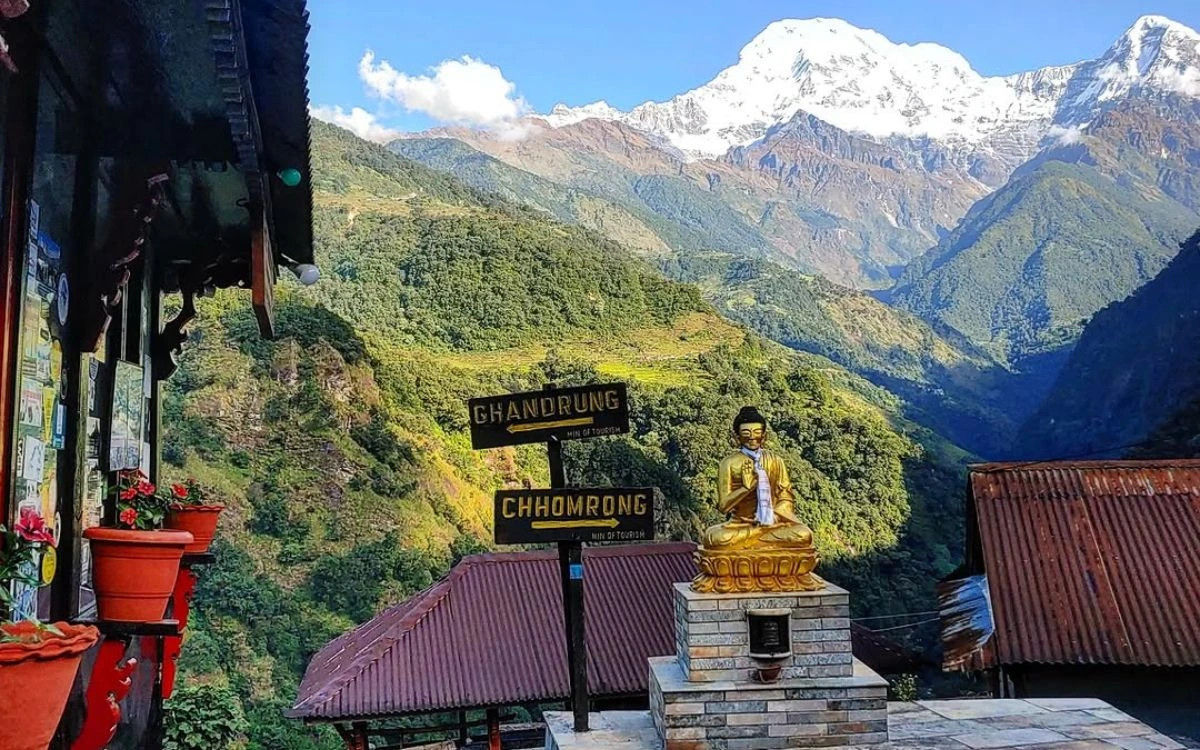
Ghandruk and Chhomrong trail signpost with a golden Buddha statue and Annapurna South behind
For trekkers interested in ever-expanding into the rain shadow regions after Thorong La Pass, the Upper Mustang Trek is an excellent extension. However, entering Upper Mustang requires an additional restricted area permit, which costs USD 500 for 10 days, and is much more costly than the normal Annapurna permits. You should always consider this additional expense when planning a combined itinerary.
Practical Tips for Getting Your Permits Smoothly
Carry extra passport photos — offices sometimes ask for more than you expect.
Bring cash in Nepali Rupees; most offices do not accept USD or cards.
Get permits a day before your trek starts to avoid last-minute stress.
Keep digital and physical copies of your permits throughout the trek.
If trekking in Nepal for the first time, booking through a registered agency can simplify the entire permit process.
For those doing trekking in Nepal, for the first time, navigating the permit system can feel overwhelming. But once you understand that you essentially need two documents — the ACAP permit and TIMS card — the rest is straightforward.
FAQs
Can I use a Nepal trekking permit online application?
Yes, a Nepal trekking permit online application system is available to help streamline your preparation. While you can upload your data and fill out the forms digitally, you or your chosen trekking agency will still need to complete the process by tracking the authorisation or collecting the official physical permits before departure.
Do I need a separate permit if I decide to take a detour to Annapurna Base Camp (ABC)?
No, you do not need an additional acap permit Nepal if you choose to take a side trip to ABC or Tilicho Lake. Since these locations all reside within the borders of the same conservation area, your single ACAP covers them. Just ensure that your guide updates your routing details on your paperwork if your timeline changes drastically.
What are the strict Annapurna Circuit solo trekking rules 2026?
Under the current Annapurna Circuit solo trekking rules 2026, independent solo trekking without a professional companion is not permitted. You are required to hire a licensed, government-registered trekking guide to successfully secure your TIMS card and safely navigate the route.
What specific permits do I need for the Annapurna Circuit Trek?
You need two primary documents to legally hike this route: the Annapurna Conservation Area Permit (ACAP) and the Trekkers' Information Management System (TIMS) card. Both are mandatory and will be verified by local authorities at various trail checkpoints.
Exactly where to buy trekking permits in Kathmandu or Pokhara?
You can easily obtain your paperwork in person at the following spots:
Kathmandu: The Nepal Tourism Board (NTB) office at Bhrikutimandap.
Pokhara: The Pokhara Nepal Tourism Boardpermit office is located in Damside.
Trekking Agencies: Any authorised local trekking operator can handle the entire application process on your behalf.
What are the mandatory documents required for the Annapurna trek?
Before you apply, ensure you have gathered all the necessary documents required for the Annapurna trek:
Your original passport (must be valid for at least 6 months).
A copy of your valid Nepal tourist visa.
Two to four recent passport-sized photographs.
Your comprehensive travel insurance policy details (covering high-altitude rescue).
Conclusion
If you can sort out your Annapurna Circuit Trek Permits prior to going on the trail, this will make your trek much more enjoyable and a lot easier. By having both the ACAP permit and TIMS card, you will be able to explore one of the best trekking routes in the world and see some of the most diverse and beautiful areas of trekking on the Annapurna Circuit. The process to get your permits is simple and quick, so if you plan, everything will go smoothly. The Annapurna Circuit offers stunning views and a great variety of experiences from Thorong La Pass to the lush valleys of the Marsyangdi River, both of which are worth the paperwork for the permits.
Are you ready to do this? Himalayan Recreation Treks and Expeditions provides you with all you need to plan your permits and itinerary, allowing you to simply enjoy the Himalayan Mountains.


-5.webp)



-1.webp)
-1.webp)
-1.webp)