You're standing under towering Himalayan peaks, surrounded by prayer flags, breathing crisp mountain air, while snow leopards roam the ridges above. This is the Annapurna Conservation Area—the most breathtakingly beautiful protected area of Nepal, with approximately 7,600 square kilometres of unspoiled mountain wilderness. Trekkers from around the world visit this conservation area and find out why it has become the premier trekking destination in Nepal.
Everything that you could ever imagine is found in this area of Nepal. From subtropical jungles filled with butterflies to alpine fields where placid yaks graze, you have a myriad of diverse ecosystems. You will also experience vibrant Gurung villages where friendly locals greet you with warm hospitality and delicious cups of milk tea. Whether you are a first-time hiker or a seasoned mountaineer, there are numerous trekking options available in the Annapurna region for novices and experts alike.
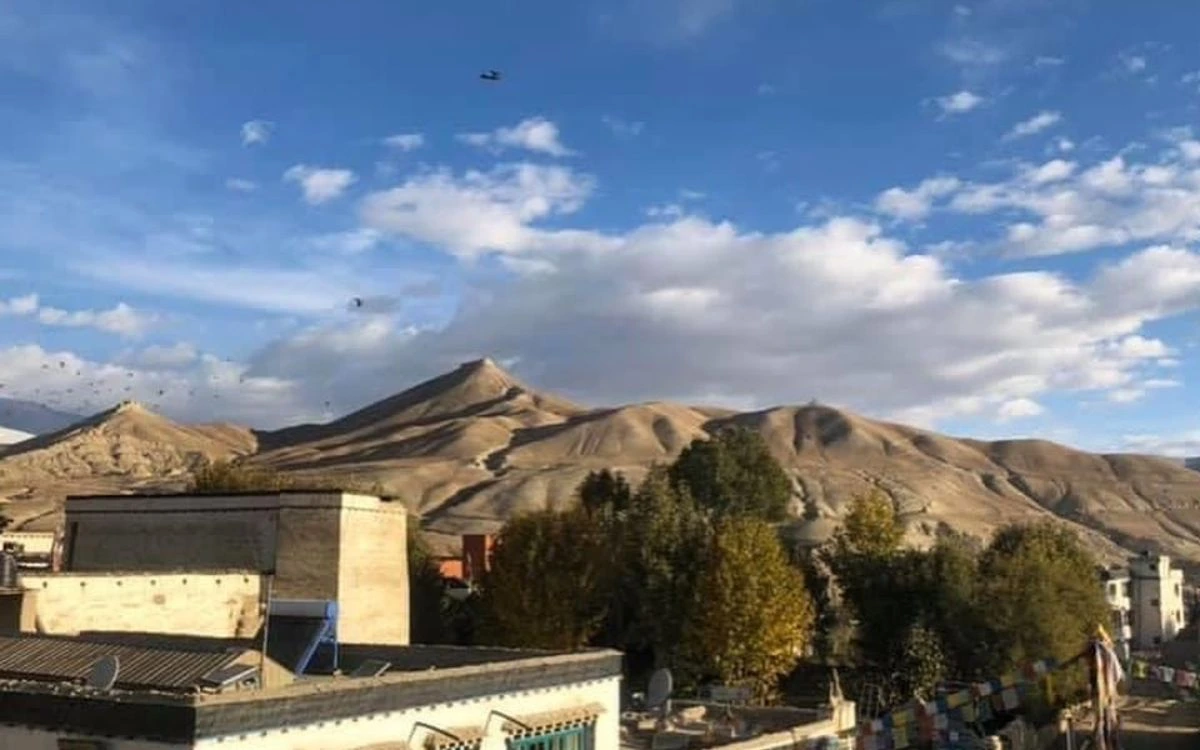
Traditional village buildings with arid mountain landscape under blue sky
This guide will provide you with all the necessary information to make your Annapurna adventure a reality. We will explain how to obtain permits, which treks are best for your level of hiking experience, what types of wildlife you may see, and how to trek to support local communities responsibly.
What Is the Annapurna Conservation Area?
In 1986, the Annapurna Conservation Area became Nepal's first and biggest conservation area. It was created using a new way of doing conservation for the environment. Instead of being like a normal national park, where you have only the government involved, the Annapurna Conservation Area includes more than just the government; it includes a collaborative approach where local communities are also involved in conserving the area.
The Annapurna Conservation Area Project (ACAP) is managed by the National Trust for Nature Conservation. The goals of ACAP focus on balancing ecological conservation with the social needs of local people. By doing so, the project allows local communities to directly benefit financially from tourism to the area. The success of this way of doing conservation has now been recognised internationally as an outstanding example of community-based conservation, generating money for reforestation programs, schools, and health clinics in remote villages of the Himalayas.
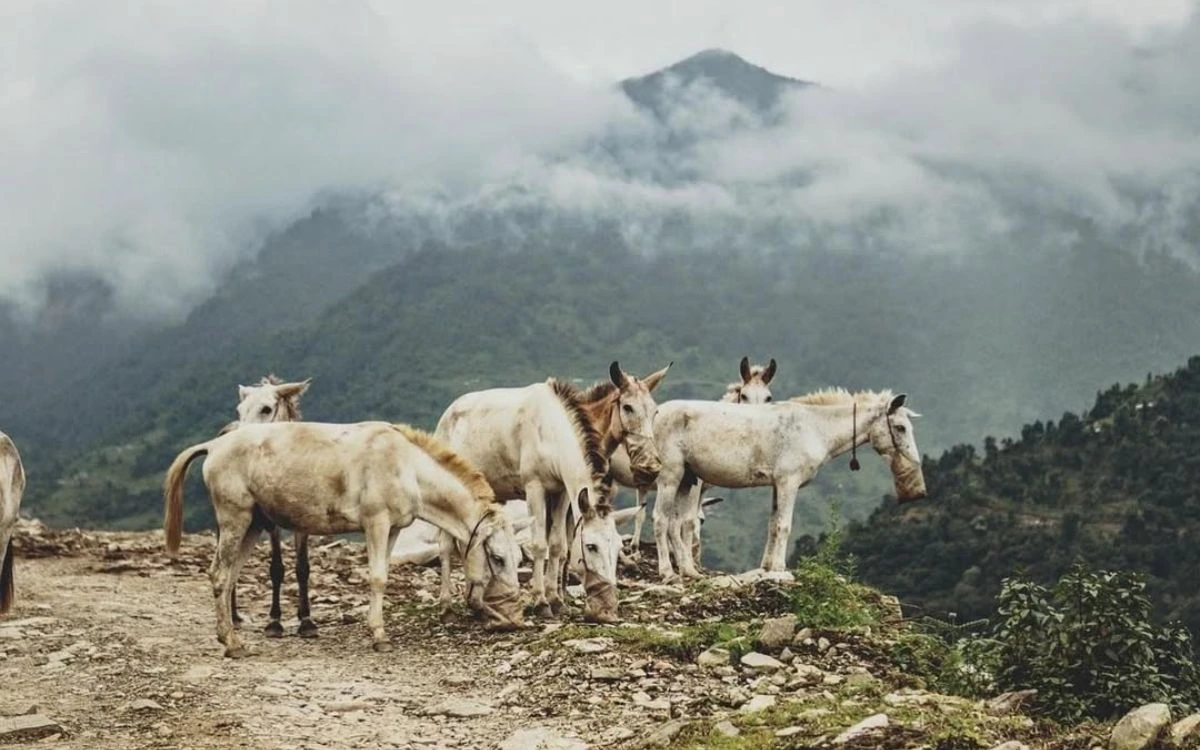
Pack horses and donkeys resting on mountain trail with misty peaks behind
The Annapurna Conservation Area is made up of five Districts in Northern Central Nepal: Manang, Mustang, Kaski, Myagdi, and Lamjung. This protected area has the entire Annapurna Mountain range within its borders, which includes Annapurna I (8,091 metres), which is the tenth-highest mountain on Earth.
This site ranges from low-lying subtropical areas around Pokhara (1,000 m) to high desert regions above 8,000 m. This large difference in elevation offers many different ecosystems and habitats for the flora and fauna that call the area home. The Kali Gandaki Gorge, the deepest gorge on Earth, and Muktinath, a revered pilgrimage site, are both located in this region. Besisahar is the most commonly accessed point to enter the Annapurna Circuit. Nayapul offers access to Ghorepani and Annapurna Base Camp, and multiple locations provide entry to the circuit.
Annapurna Conservation Area Permit (ACAP)
Before beginning their trek to ACAP, a foreign trekker must obtain the A-CAP permit upon entering A-CAP. This system is used as a funding source for conservation projects and community development activities. In 2024, the A-CAP permit fee for foreign nationals is NPR 3,000(USD 22 approx.), for SAARC country citizens, NPR 1,000, and it is free for Nepali citizens. Permit applications can be made through the office of the Nepal Tourism Board in both Kathmandu and Pokhara, or through trekking agencies registered with the Nepal Tourism Board, or through designated Entry Check Points (ECPs). Applications should include two passport-sized photographs and a copy of the applicant's passport.
For most treks within the Annapurna Conservation Area, the TIMS card is also required. Some regions do have mandatory guide requirements; however, you can hike independently within the Annapurna Conservation Area, provided you have a valid permit. If you choose to hire a licensed guide, not only will this keep you safe, but your guide will offer you insight into the culture of the area you are visiting.
Trekking Routes Inside Annapurna Conservation Area
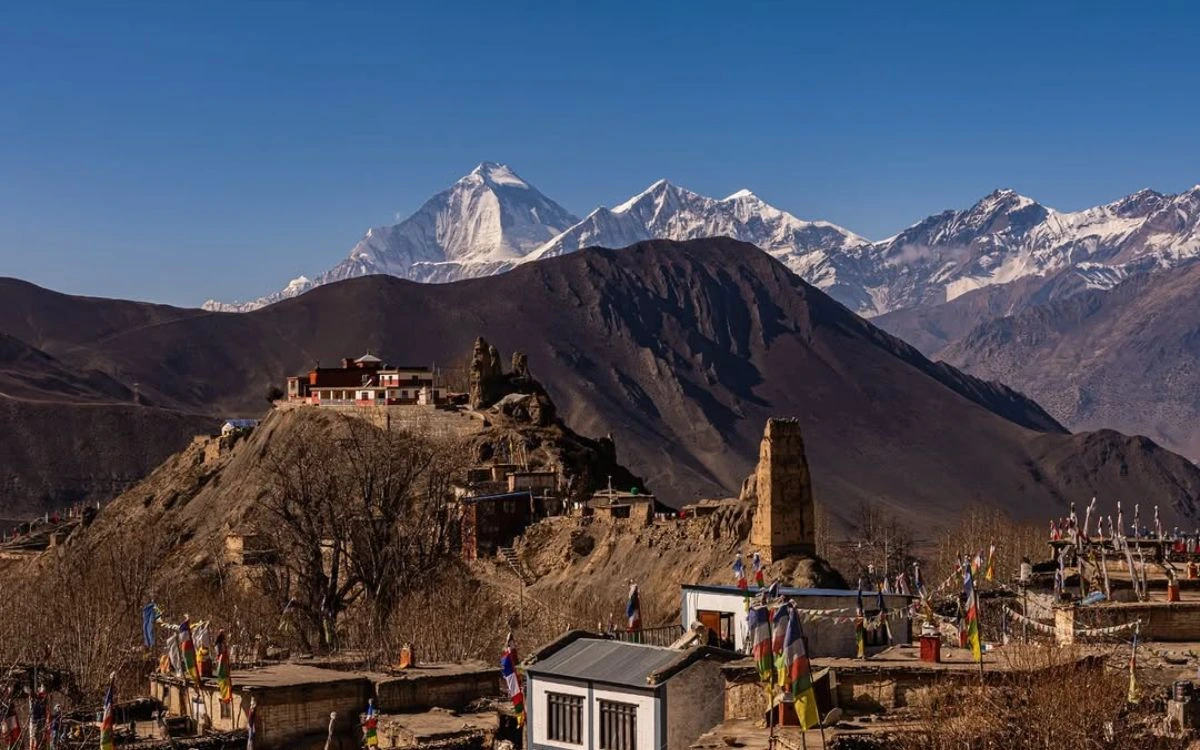
Tibetan Buddhist monastery on hilltop with snow-capped Himalayan peaks
The Annapurna region features some of the most stunning trekking routes available today, each providing a unique travelling experience.
Annapurna Base Camp Trek is the most well-known trekking route in the Annapurna region. Trekkers will begin their adventure by hiking through a stunning rhododendron forest before arriving at some traditional Gurung villages, before making their way to the exclamation point of this journey, an area known as the amphitheatre, which features gigantic mountains surrounding the base camp at an altitude of 4,130 meters. This trek generally takes anywhere from 7 to 12 days, is recommended for trekkers with moderate physical conditioning, and will take them through beautiful villages, including Ghandruk and Chhomrong.
Annapurna Circuit Trek is one of the longest distance treks on our planet - a circumnavigation around the Annapurna massif. Taking approximately 15-20 days, the trek will provide trekkers with a broad spectrum of scenery as they transition from lush sub-tropical valleys up to the Thorong La Pass at an altitude of 5,416 meters before descending into the near-desert region of Mustang with a culture highly influenced by Tibetan traditions.
Mardi Himal Trek is a quieter trekking option that will allow trekkers to ascend to a base camp located at an altitude of 4,500 meters by trekking through pristine forests. It is a relatively newly developed trekking option providing trekkers with some superb close-up views of Machhapuchhre while preserving the wilderness solitude that is often lacking in trekking options today.
Ghorepani Poon Hill Trek is an accessible introduction to trekking in the Himalayas for both beginners and families. The trek lasts between four and five days and culminates at Poon Hill (3,210 meters), with stunning views of both the Annapurna and Dhaulagiri mountain ranges at sunrise. Nar Phu Valley Trek is a trek into a remote, restricted area with a mix of both high passes and visits to traditional Tibetan Buddhist villages. Permission to trek here requires a special permit in addition to the regular ACAP.
For those interested in trekking in Nepal outside of Annapurna, the Everest Base Camp Trek is best suited for finding the highest point in the Himalayas, while the Langtang Valley Trek offers incredible views near Kathmandu, the Manaslu Circuit Trek circumnavigates the eighth-highest peak on earth, and the Upper Mustang Trek maintains and protects Tibetan spiritual traditions.
Wildlife and Biodiversity
Because of the incredible elevation range found in the Annapurna Conservation Area, there is a huge variety of habitats that support an incredible array of wildlife. The area is home to over 100 mammal species, more than 450 bird species, 40 reptile species, and countless varieties of plant life.
Snow leopards, which are very elusive animals, are found at high altitudes over 3,000 meters; however, they are rarely seen. In the Annapurna Sanctuary, you may see a Himalayan tahr on the rocky cliffs. Red pandas are an endangered species that inhabit temperate forests, while musk deer, Himalayan black bears, and grey wolves live in the Annapurna Conservation Area.
The Annapurna Conservation Area has become a paradise for birdwatchers, with many bird species, such as the Impeyan monal (the national bird of Nepal), blood pheasant, Himalayan griffon vulture, and lammergeier.
In terms of plant diversity, the Annapurna Conservation Area contains over 1,200 plant species, and the spring season is especially spectacular, as 38 different varieties of rhododendron bloom then.
The conservation efforts of ACAP focus on protecting endangered species, restoring forests, and reducing human-wildlife conflict through anti-poaching patrols, community education, and alternative livelihood programs.
Villages and Culture in the Annapurna Region
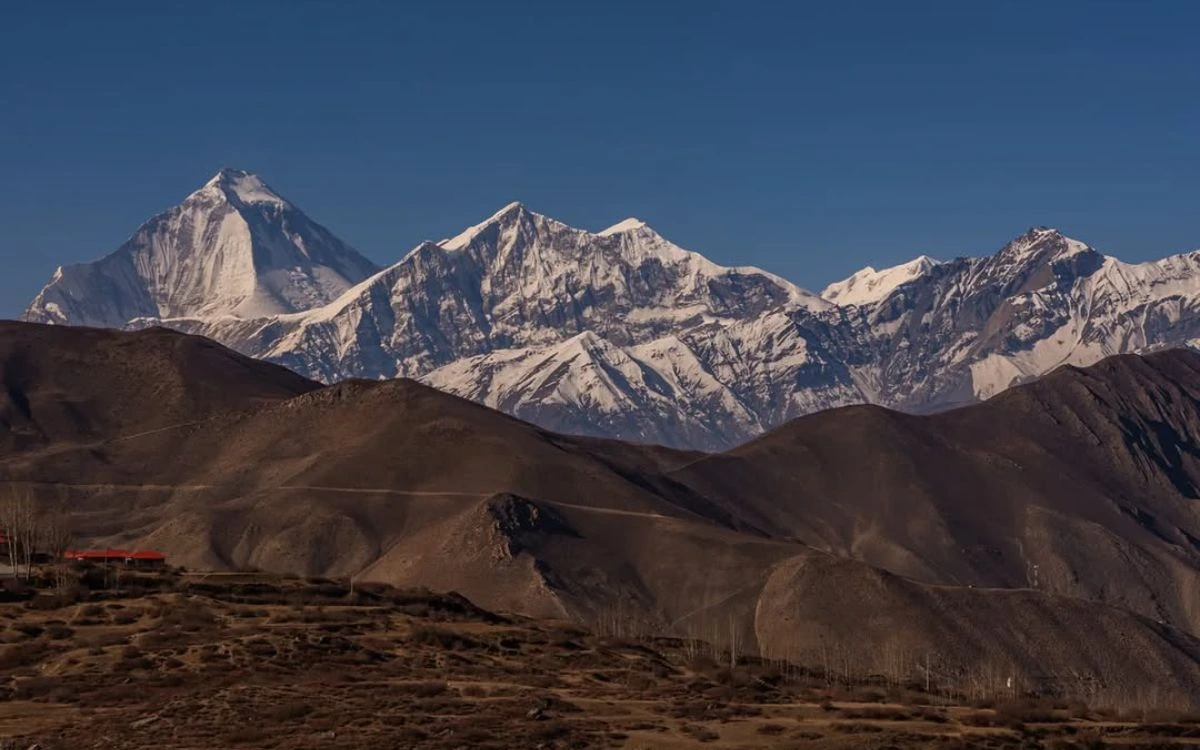
Annapurna Conservation Area - Dramatic view of Annapurna mountain range with barren foothills
The Annapurna Conservation Area is home to many ethnic groups, including the Gurung, Magar, Thakali, and Tibetan people. They all maintain their own unique cultural Traditions and way of life. The mountain communities have developed methods of surviving in a high-altitude environment over time.
Ghandruk is one of the bigger Gurung Villages; it offers many comfortable lodges, spectacular views of the surrounding mountains, and opportunities to learn about the Gurung Culture. Manang is a quintessential example of strong Tibetan Buddhist influence through its Monasteries, Whitewashed Stone buildings, etc. Jhinu has Hot Springs where Trekkers can relax, soaking sore muscles while gazing at Snow Peaks high above. Ghorepani is an excellent example of the success of the ACAP Model; the revenue generated through Tourism has funded the building of Schools and Health Posts.
With their lifestyle based primarily on Subsistence Agriculture, Animal Husbandry, and Services related to Tourism, Local people continue to practice traditional ways, including Festivals, Religion and management of resources at the collective Level. Tourists visiting these areas will have an authentic cultural experience.
Best Time to Visit Annapurna Conservation Area
Visiting the Annapurna Conservation Area between March to May (spring) or September and November(Autumn) will provide stable weather to see the majestic peaks of the Annapurna mountain range without the uncertainty of changing seasons, such as monsoons and winter storms.
Springtime allows you to experience the blooming of the spectacular rhododendron flowers while enjoying mild temperatures and the stunning views. In autumn, there are typically much clearer skies, cooler temperatures, and predictable weather, plus many festivals occur in Nepal during this season, such as Dashain and Tihar!
By contrast, December to February are considered winter months. Temperatures during this timeframe are typically cold, and there is a possibility of some snowfall, prohibiting travel to other summit locations; however, lower altitude roads (such as the Ghorepani Poon Hill trail) will remain open during this timeframe. The monsoon months of June to August will generally result in heavy rains in the lower areas; however, upper Mustang will experience significantly less precipitation due to its location in the rain shadow of the Annapurna range.
Strict conservation rules to protect the fragile environment in the Annapurna Conservation Area are followed by the Annapurna Conservation Area Project. Trekkers are required to carry out any non-biodegradable waste they create in the Annapurna Conservation Area. Most of the lodges are now implementing waste sorting systems. Burning trash outside is strictly prohibited within the Annapurna Conservation Area.
The use and availability of plastic bags is being continually restricted within the conservation area, and many villages offer a filtered water refill option for trekkers. Trekkers are encouraged to carry reusable water bottles and use a water purification method. Collection of firewood is not allowed, while many lodges operate using solar energy or hydroelectricity.
To respect the local culture and customs, trekkers should wear appropriate clothing that covers the body and should also seek permission before taking photographs of any person. When walking around Stupas and Mani Walls, trekkers should always walk in a clockwise direction. To support the local economy, trekkers should utilise community lodges or Gholi, buy local food and hire local porters or guides for fair compensation.
Travel Tips for Annapurna Conservation Area
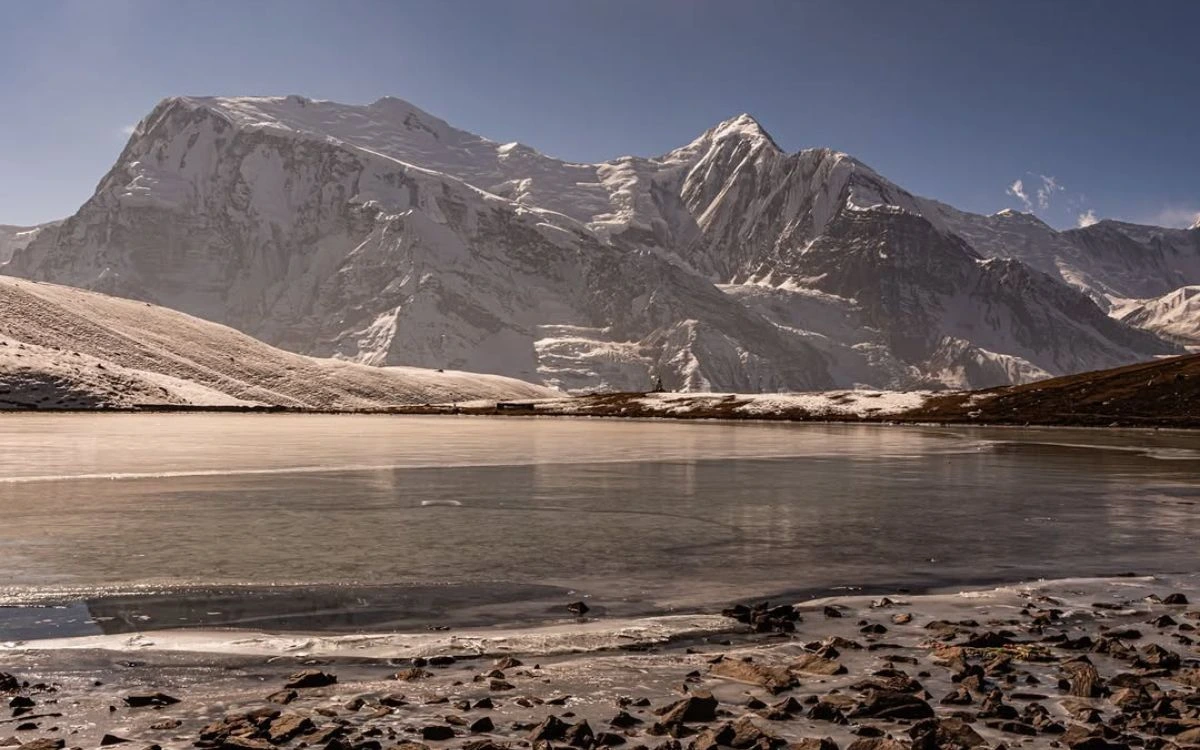
Frozen alpine lake reflecting mountain massif in high altitude landscape
The right preparation will increase safety and enjoyment levels. Layered clothing, a high-quality sleeping bag, waterproof outerwear, durable hiking boots, and sun protection are the primary items to pack. First-aid kits, water purifier systems, headlamps, and hiking poles are essential.
Using licensed guides and porters from a reputable guide service or agency ensures the guides are properly insured and compensated. A guide can help you find your way, assist you in cultural exchanges, and be a great source for emergency assistance. A porter allows you to enjoy a comfortable hike with only a small daypack by carrying the heavier items for you.
An increase in altitude sickness can be avoided by gradually ascending, allowing time to get used to the higher altitude's conditions, drinking enough fluids, and recognising early signs of altitude sickness. Travel insurance that covers emergency helicopter evacuations is also highly recommended. To physically prepare yourself for your trek, begin cardiovascular training and hiking regularly, a minimum of two to four weeks before your trek date.
The Annapurna area's diverse environment is a significant aspect of what makes the area unique. One can rapidly move from subtropical forests to a barren alpine desert in just a matter of days. The cultural diversity of the various ethnic groups enriches your experience far beyond that of the scenery alone; you have opportunities to meet and connect with members of the Gurung, Magar, and Thakali communities through cultural exchanges.
The extensive network of lodges in the Annapurna region provides a comfortable trekking alternative to traditional camping and thus makes it relatively easy to trek for multiple days without carrying a heavy pack. The Annapurna Conservation Area has activities for people of all abilities; shorter, less strenuous treks are ideal for individuals new to trekking or with limited fitness levels, while those with considerable strength and experience can attempt the more difficult treks that require the use of high mountain passes and remote valleys.
Frequently Asked Questions
What is the Annapurna Conservation Area?
Annapurna Conservation Area (ACA) is the largest protected area in Nepal that encompasses over 7600 square kilometres of the Annapurna Region. Many trekkers visit this area for its diverse wildlife and the opportunity to explore various mountain villages while taking advantage of some of the world's best trekking routes.
Do I need a permit for the ACA?
All foreign nationals must obtain an Annapurna Conservation Area Permit (ACAP) to access the Area. The proceeds from the ACAP provide support to conservation and community development efforts within the Annapurna Region.
How much does it cost to acquire an ACAP?
An ACAP costs NPR 3,000 for Foreign Nationals, NPR 1,000 for SAARC nationals, and is free for Nepali Citizens.
What treks are available in the ACA?
The most popular trekking routes within the ACA include Annapurna Base Camp Trek, Annapurna Circuit Trek, Mardi Himal Trek, Ghorepani-Poon Hill Trek, Nar Phu Valley Trek, and many more.
What time of year is best to visit the ACA?
Spring (March to May) and Autumn (September to November) have been determined to be the best times to visit the ACA due to the weather and mountain views being stable and unobstructed.
What animals and birds inhabit the ACA?
The ACA is home to an array of wildlife, including snow leopard, Himalayan Tahr, Red Panda, Musk Deer, and 450+ species of birds.
Conclusion
The Annapurna Conservation Area is an outstanding example of mountain conservation through sustainable tourism, uniquely combining natural beauty, biodiversity and culture, to create an incomparable experience of the Himalayas. ACAP uses a community-based conservation model to guarantee that your trekking adventure will support environmental protection and improve local villagers' quality of life to maintain the area's mountain paradise for years to come. Get in touch with Himalayan Recreation Treks and Expedition today to find out how to plan your perfect trek with knowledgeable, experienced, and friendly guides who will illuminate your journey of discovery through Nepal's awe-inspiring mountains.


-4.webp)



-6.webp)
-1.webp)
-1.webp)