Hundreds of feet above sea level in the middle of the magnificent and awe-inspiring Tibetan plateaus lies Lake Manasarovar, one of the most holy and enigmatic pools of water on the globe. Close to the root of Mount Kailash, this mountain freshwater lake has been attracting not only spiritual seekers and religious devotees but also trekkers and travel lovers from all over the world. Kailash Manasarovar is the only sacred lake that gets its water both from the Gangra and the Sivalikut. Hindu believers consider it to be a sacred water, where the goddess Parvati gave water to drink to Lord Shiva so that he could drink it and become sober again. Based on legend, it was Lord Brahma who shaped this holy lake to purify the spirits of humans by letting them get refreshed after the death of each other. Those who have dreamed of visiting Manasarovar in Tibet might have a chance to realize it, as this article covers all aspects- historical, spiritual, and practical- of Manasarovar.
Read more to learn about the legend and the spiritual values behind Manasarovar, plus practical information about visiting this one of the highest lakes of the world, and how the circuit of Kailas and Manasarovsky turns out to be a spiritually and physically rejuvenating experience.
What is Lake Manasarovar?
Lake Manasarovar is a sacred natural pool found in Tibet (the Chinese part) at an altitude of about 4,590 meters (15,060 feet). It is one of the world's highest lakes, surrounded by the mountain ranges of the Tibetan Plateau. Its surface size is approximately 320 km2 (124 square miles). Many other alpine lakes become salty with time, but Manasarovar has remained extremely clear and fresh, mostly due to its connection to Rakshastal Lake, which is also called 'Ghost Lake ', with a narrow channel. For spiritual purification to cleanse sins, pilgrims bathe in its sacred waters, rs and the act remains popular with many who at least try touching the surface of the icy waters. With its near-perfect round shape and calm blue surface, it has become one of the most popular natural wonders that are captured in camera lenses by travelers throughout the Himalayan region.
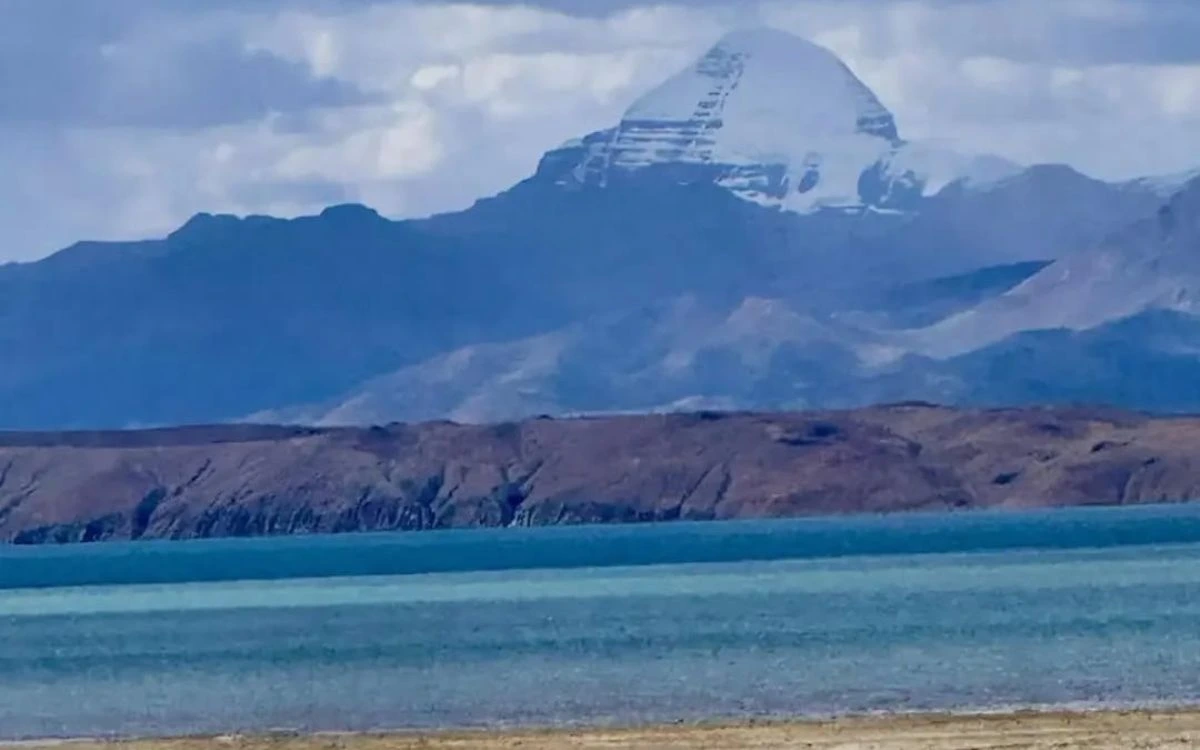
Mount Kailash rising above Lake Manasarovar's turquoise waters
Manasarovar Lake is situated in the Ngari Prefecture, in the Tibet Autonomous Region, very near the border with Nepal and India. It is located just a little further away from Mount Kailash, the sacred peak whose spiritual significance spans several religions, each of which believes the summit to be the world center. Typically, tourists start their travel to this remote part of Tibet via the city of Kathmandu, as Nepal is the most favorable land or air access point for it. On top of that, the harsh and high-altitude nature of this terrain resembles that familiar to trekkers on the Everest Base Camp Trek, where breathing becomes tough at higher altitudes and the surrounding landscape looks breathtaking. Due to Truth is the region is located along ancient trade routes as well as religious pilgrimage trails, it has been a hub for travelers for a very long time.
For Hindu, Buddhists, Jains, and Bon adherents, Lake Manasarovar is a holy site that many believe is on earth. Hindu sacred texts say that Lord Brahma, the deity of creation, has his mental powers concentrated in the lake - the name "Manas" means mind and "Sarovar" stands for lake. Because of this, Manasarovar. One of the Buddhist legends, the tale of Mother Maya of Buddha, who is said to have taken a bath in these waters before her childbirth,h also finds its reference in the lake. Circumambulation of the holy lake through parikrama, the ritual, is a long walk that usually lasts several days on foot. Bathing in the lake is said to purify the soul and get rid of the sins that one has committed in many previous lives; or even, merely sprinkling the water of the lake upon oneself will suffice.
Prayer flags lining the plain with Mount Kailash on the horizon
Every Manasarovar story starts at a point within ancient texts, and around this lake, the number of myths is greater than for almost any other river or lake in Asia. Ancient scriptures, such as the Puranas and the Ramayana, say Manasarovar is a divine lake made from the mind of Brahma, which the gods could use for their baths. In addition, Tibetan tradition holds Manasarovar to be one of the significant places that was blessed by Guru Rinpoche during his tour in that region. On top of the existing legends, local stories of fish made of gold and caverns underneath water only a few have sworn to have seen preserved in man's memory over the years; whether myth or memory, these stories have always kept the lake as a place of pilgrimage.
Lake Manasarovar and Mount Kailash
The bond between Mount Kailash and Lake Manasarovar runs deeper than geography. Sitting almost side by side, the mountain and the lake together form the spiritual heart of the region. Pilgrims typically visit both on the same trip, first completing the parikrama around Mount Kailash before heading to the lake for a ritual bath. Hindus regard Kailash as the abode of Lord Shiva, while the calm lake beside it represents purity and peace. This pairing of a towering peak and a tranquil lake creates a landscape that feels almost otherworldly, and it is the main reason most travelers plan a Manasarovar yatra alongside a Kailash visit rather than as two separate trips.
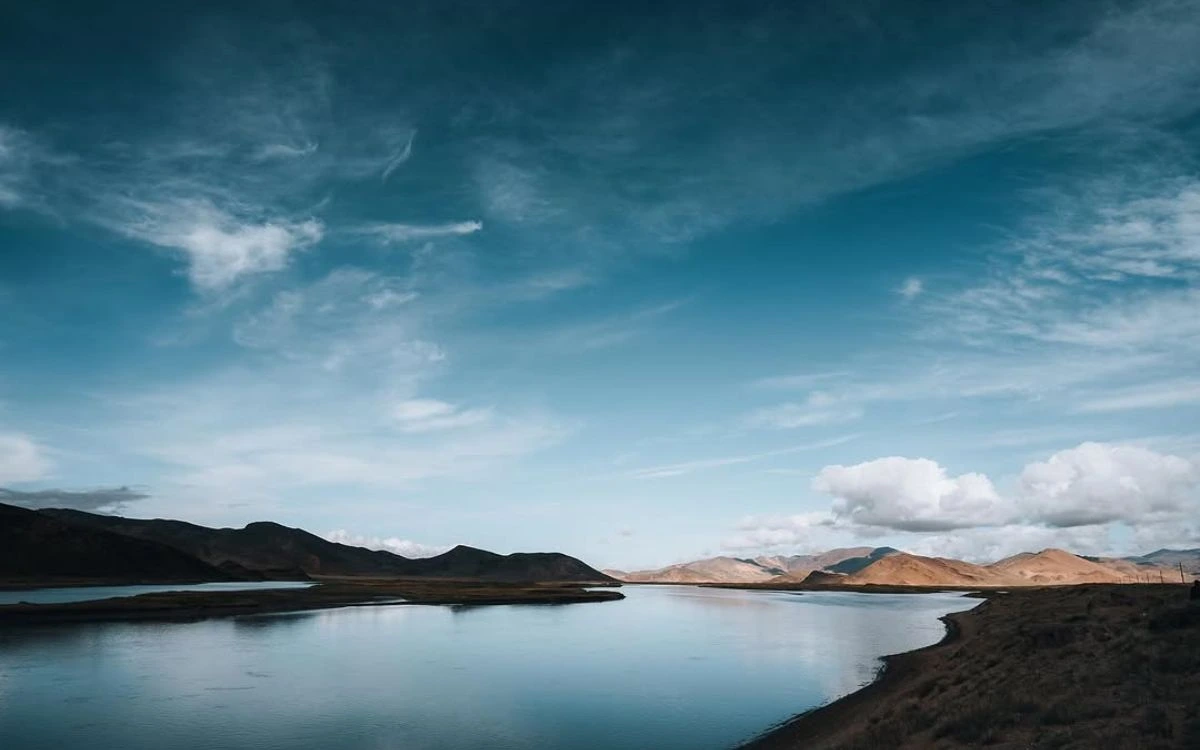
Lake Manasarovar winding through Tibet's arid hills
The best window to visit Lake Manasarovar falls between May and September, once the harsh Tibetan winter has passed and mountain roads stay open. June to August brings the warmest days, though nights can still dip well below freezing. Most travel companies schedule their Kailash Manasarovar Yatra departures within these months to avoid snow-blocked passes. If you have already trekked routes such as the Annapurna Circuit Trek in Nepal during the shoulder seasons, you will notice a similar pattern here, since both regions depend on stable weather windows for safe travel. Booking early is wise, as permits and group departures fill up quickly during the peak months.
Weather and Climate
Weather around Lake Manasarovar can shift quickly and without much warning. Daytime temperatures in summer usually stay between 10 and 15 degrees Celsius, while nights can fall close to freezing even in July. Strong winds sweep across the open plateau, and sudden hailstorms are not unusual. Pack layered clothing, a windproof jacket, and sun protection, since UV exposure at this altitude is intense. Rainfall stays low overall because the lake sits in a rain-shadow area, but travelers should still carry gear for sudden weather changes, much as they would while trekking through Nepal's high mountain passes.
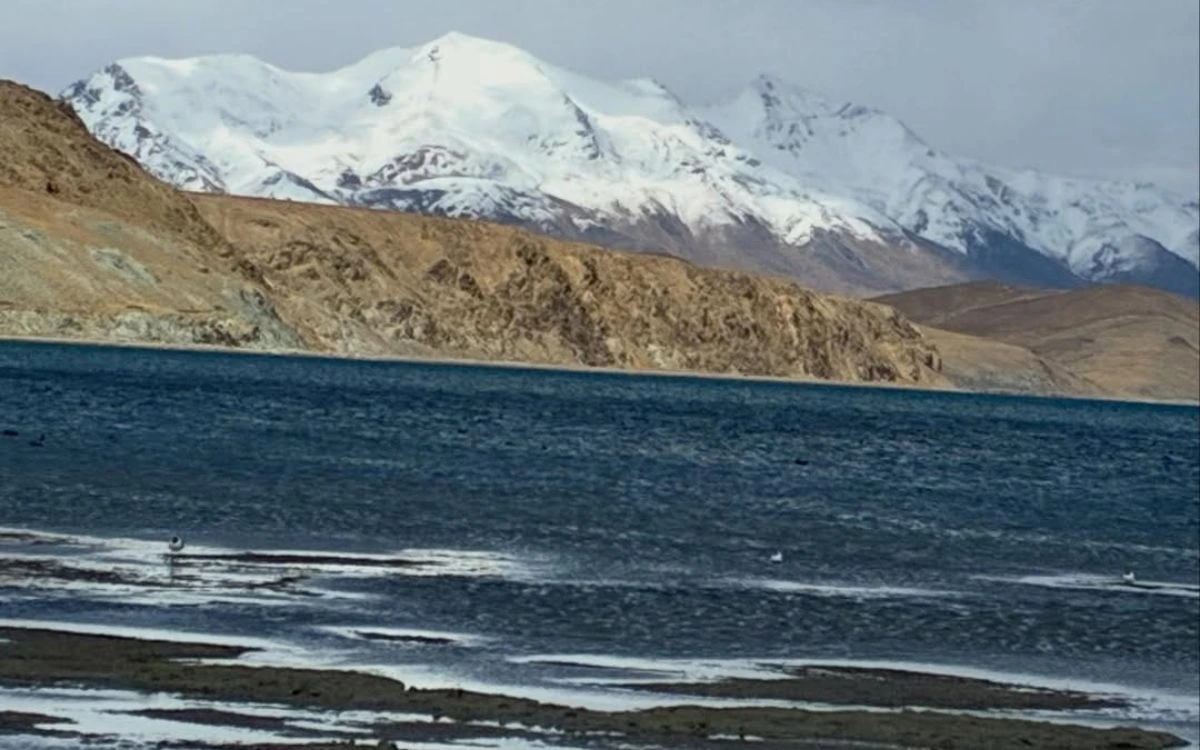
Snow-capped peak overlooking the dark waters of Lake Manasarovar
At nearly 4,590 meters, Lake Manasarovar sits high enough that altitude sickness is a real concern for most visitors. Anyone arriving directly from lower elevations should plan for a day or two of rest before continuing toward Mount Kailash. Drinking plenty of water, moving slowly, and avoiding alcohol all help the body adjust. Trekkers who have completed high-altitude Trekking in Nepal through regions like Khumbu or Annapurna often find the acclimatization process here familiar, though the Tibetan plateau's dry air adds its own challenge. Anyone with a history of altitude illness should speak with a doctor before booking the trip.
Most travelers reach Lake Manasarovar through Kathmandu, either flying to Lhasa or driving overland via the Nepal-Tibet border at Kerung. From there, a long but scenic road journey crosses the Tibetan plateau toward the lake, usually taking two to three days with stops for acclimatization. Some travelers prefer to fly into Ngari Kunsha Airport, which cuts down travel time significantly. Whichever route you choose, expect long drive days on rough roads and simple guesthouse accommodation along the way, so it helps to arrive well rested and prepared for basic conditions.
Kailash Manasarovar Yatra Routes
Pilgrims can reach the region either through Nepal or directly from mainland China, with the Nepal route being the more popular choice among South Asian travelers. The journey usually starts in Kathmandu, crosses into Tibet, and continues overland to Lake Manasarovar and Mount Kailash. Some independent trekkers extend their trip by pairing it with routes closer to Kathmandu, such as the Langtang Valley Trek, before heading toward the Tibetan border. Group yatra packages typically run 10 to 15 days and include permits, transport, and guided support throughout, which makes the logistics far simpler than attempting the journey independently.
Permits and Visa Requirements
Entering the Tibet Autonomous Region requires a Chinese Group Visa along with a Tibet Travel Permit, both arranged through a licensed travel agency. Independent travel is not allowed in this region, so every visitor must join an organized group. The permit process can take a few weeks, so early planning matters. This restricted-area system feels a bit like the rules around Nepal's Upper Mustang Trek, where a special permit is also required to protect a culturally sensitive region. Make sure your passport has at least six months of validity left, and carry a few extra passport photos for the paperwork.
Things to Do at Manasarovar
Beyond the ritual bath and parikrama, visitors can explore ancient monasteries scattered around the lake's edge, including Chiu Gompa, which offers a stunning view over the water toward Mount Kailash. Photography lovers often wait for sunrise, when the lake's surface turns a deep shade of blue against the surrounding barren hills. Some travelers also stop at nearby hot springs to relax after days of travel. For those who enjoy pairing pilgrimage with adventure, combining this trip with something like the Manaslu Circuit Trek back in Nepal makes for an unforgettable season of high-altitude travel.
Wildlife and Natural Beauty
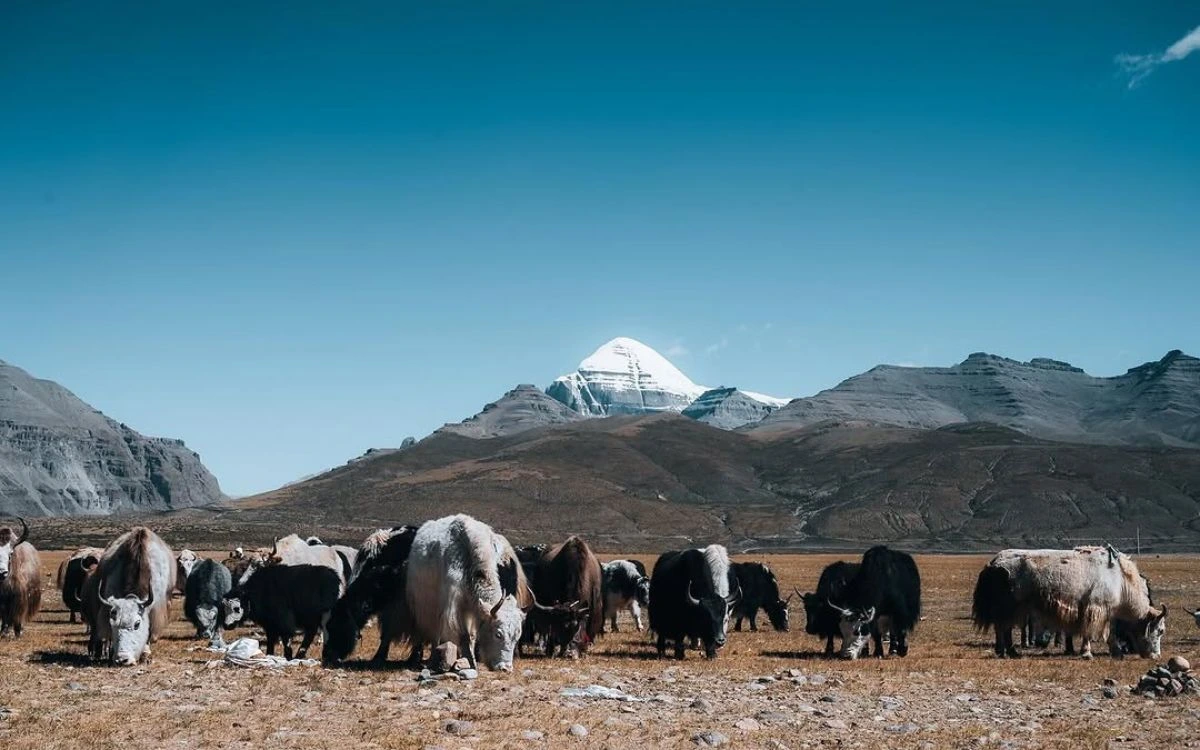
Yaks grazing on the plains below Mount Kailash
Despite its stark, high-altitude setting, the area around Lake Manasarovar supports a surprising range of wildlife. Migratory birds such as bar-headed geese and Brahminy ducks stop here during their seasonal journeys, while wild asses and gazelles roam the open plains nearby. The lake's clear water reflects the surrounding mountains so perfectly that photographers often struggle to tell the sky from its surface. Sparse vegetation and rugged terrain give the whole landscape a raw, untouched beauty that is rarely found elsewhere on earth.
FAQs
How deep is Lake Manasarovar?
Lake Manasarovar reaches a maximum depth of approximately 90 meters (295 feet), with an average depth of 30 meters (98 feet). Sitting at an altitude of 4,590 meters (15,060 feet), it is recognized as one of the highest and deepest freshwater lakes in the world.
Can non-Hindu or non-Buddhist travelers visit Manasarovar Lake?
Yes, non-Hindu and non-Buddhist travelers can visit Lake Manasarovar. The region is open to international tourists and travelers of all backgrounds who wish to experience its unique high-altitude landscape, natural beauty, and rich cultural history. However, all foreign visitors must obtain the necessary Tibet Travel Permit and travel with an authorized guided tour.
Is the water in Manasarovar safe to drink?
No, untreated water from Lake Manasarovar is not safe for travelers to drink. While local pilgrims and devotees may consume small amounts during sacred rituals, foreign travelers should exclusively drink bottled, boiled, or chemically treated water to avoid gastrointestinal illness at high altitude.
How long does the Kailash Manasarovar Yatra take?
A typical Kailash Manasarovar Yatra takes ten to fifteen days to finish. This total duration includes round-trip travel to and from Kathmandu (or Lhasa), altitude acclimatization days, and the sacred multi-day outer kora (circumambulation) around Mount Kailash and Lake Manasarovar.
Conclusion
Lake Manasarovar remains one of the most spiritually rich and naturally stunning destinations in the Himalayan region. From its sacred waters to the towering presence of Mount Kailash nearby, this journey offers something far beyond an ordinary trip. Whether you come for faith, adventure, or simply to witness one of the world's highest lakes, the experience stays with you long after you return home. Ready to plan your journey? Contact Himalayan Recreation Treks and Expedition today to start planning your Lake Manasarovar adventure.


-1.webp)



 based on 3 reviews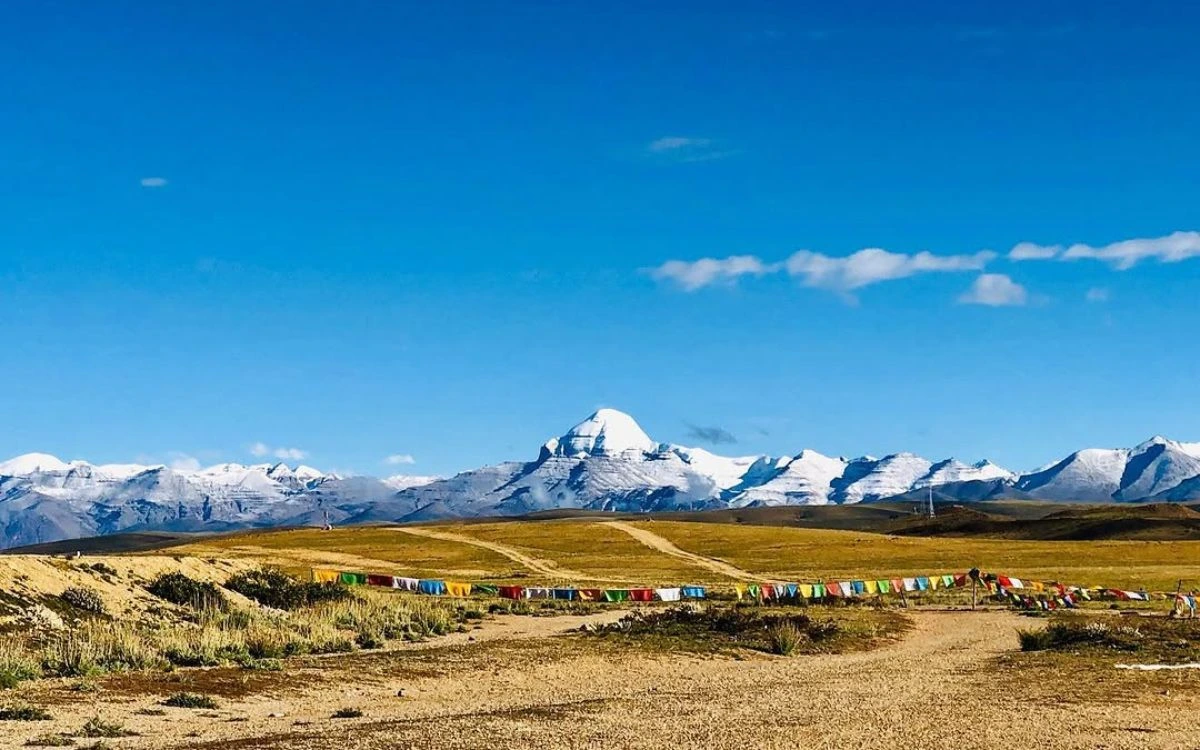







-1.webp)
-1.webp)
-1.webp)