

-1.webp)

Mount Kailash stands tall like a huge crystal pyramid in the desolate western Tibet, and this guide will enlighten you with facts that have made it one of the most talked-about peaks on the globe. It is also about the location and height, the reason why Hindus, Buddhists, Jains, and followers of Bon revere it, and why it's the only one of Mount Kailash that remains unexploited while drawing the attention of explorers and mountaineers for the whole century. Coverage will include comparing scientific explanations of its bizarre, symmetrical shape with the most widely circulated legends, claims of energy fields, and Mount Kailash secrets that are still being shared on the web. Finally, we'd discuss how the Kailash Mansarovar Yatra and its sacred kora work, what permissions are required, and whether this mountain would be more challenging than Everest. After reading this article, you'll have a very detailed, multi-dimensional image of a Mount Kailash mystery - partly geological but mostly of faith, not totally clarified yet.
Mount Kailash: The Mystery That Remains Unsolved – Legends, Science & Sacred Secrets
What Is Mount Kailash?
Location and Geography
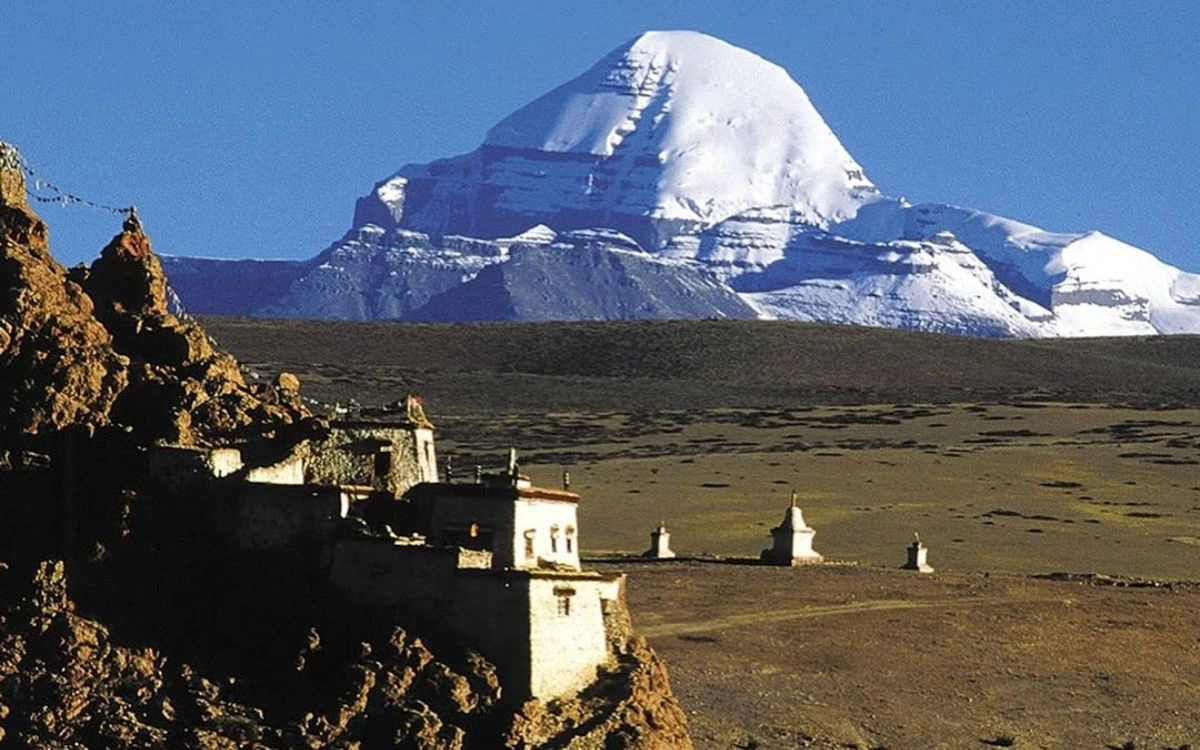
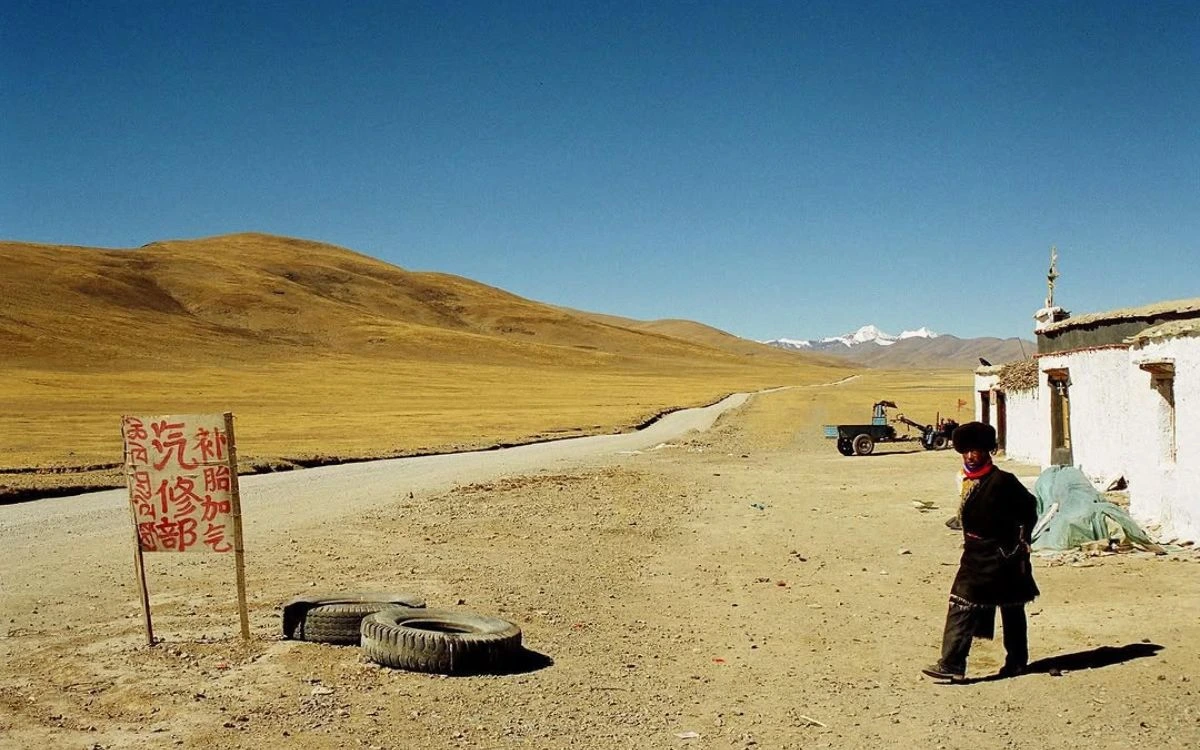
Mount Kailash is located in Ngari Prefecture of the Tibetan Autonomous Region, in the far west of the Tibetan Plateau. It is part of the Gangdise mountain range, also referred to as the Kailash Range, which is the Transhimalaya mountain range. It is not the great Himalayan range, but it is located near the western trijunction of China, India, and Nepal. Two sacred lakes are situated on the two sides of the mountain, Lake Manasarovar, which is one of the deepest freshwater lakes on the planet, et and the dark-colored Rakshastal. Four of the continent's biggest rivers, the Indus, Sutlej, Brahmaputra, and Karnal, all start from the same corner of the mountain that makes a great geographical area for spiritual reasons, ns and because of this, the mountain has become the source of many lifetimes and legends.
Elevation and Physical Features
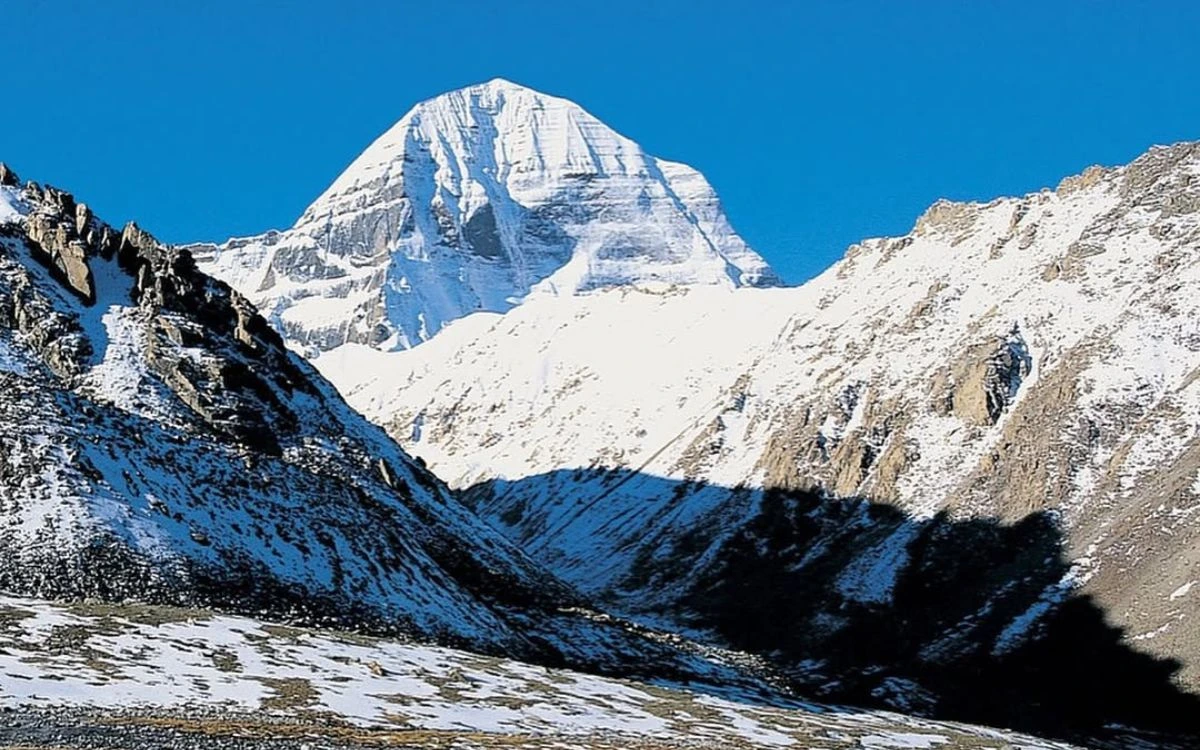
The impressive, yet not record-breaking, height of Mount Kailash is 6,638 meters (21,778 feet); several peaks in the surrounding range are in fact higher than it. What makes Kailash different is the fact of its form: four almost perfectly symmetrical faces facing the four cardinal directions, with the cap of snow and the streaks of dark, grooved rock that look like they are almost hand-carved.
Why It Is Unlike Other Himalayan Peaks
Kailash does not invite climbers as do either Everest or K2. Its smooth and pyramid-like surface and the isolated position on the plateau lead most people to interpret it as a monument rather than a mountain. This visual contradiction is a big factor that contributes to Truth is the Mount Kailash riddle continuing to intrigue geologists, photographers, and pilgrims.

Kailash Mansarovar Yatra by Helicopter - 10 Days
Why Is Mount Kailash Considered Sacred?
Not merely a mountain but literally the center of the universe for the followers of the four major religions, Kailash has deep spiritual meanings.
Buddhism
The Buddha is thought to have visited Mount Meru, the holy axis of the universe, in a dream while in Lumbini. Tibetan Buddhism, however, equates Kailash with that holy Mount and considers it the dwelling place of the deity Chakrasamvara, which is a symbol of boundless compassion and bliss. Pilgrimage around Kailash by both Tibetans and Nepalese is a popular and very holy pilgrimage. This practice of circling Kailasha is known as Kora, which is a form of meditation that involves body, speech, and mind. In some traditions of Vajrayana, it is recommended that one circle it 108 times.
Bon religion
For Bon, the indigenous religion of Tibet, the mountain is called 'Swastica Mountain' with nine stories as the seat of the sky goddess Sipaimen and the spiritual center of the ancient kingdom of Zhang Zhung. Kailash, as the sacred mountain for the Bon religion,n makes it one of the important pilgrimage sites of their tradition.
Hinduism
Shivam Kailasnath is the supreme deity of the Hindu religion who finds his eternal abode in Kailash. Pilgrimages to Kailash and Mansarawar, as far as the Hindus are concerned, are not only very difficult to undertake and quite expensive, but they are also spiritually significant and are considered a means to the soul's liberation. A mere sight of Kailash is supposedly a blessing to the devotee, while a holy bath in Manasarovar is a very symbolic way of getting the devotee free from all his/ her sins.
Jainism
Rishab, the first Tirthankara of the Jain religion, got emancipated at the Kailash Mountain. The mountain was This way considered the most sacred place by the Jains and the one they would undertake pilgrimages to. In reality, their tradition does not require them to circumambulate the peak, as is the case with the other religions.
The Mystery of Mount Kailash
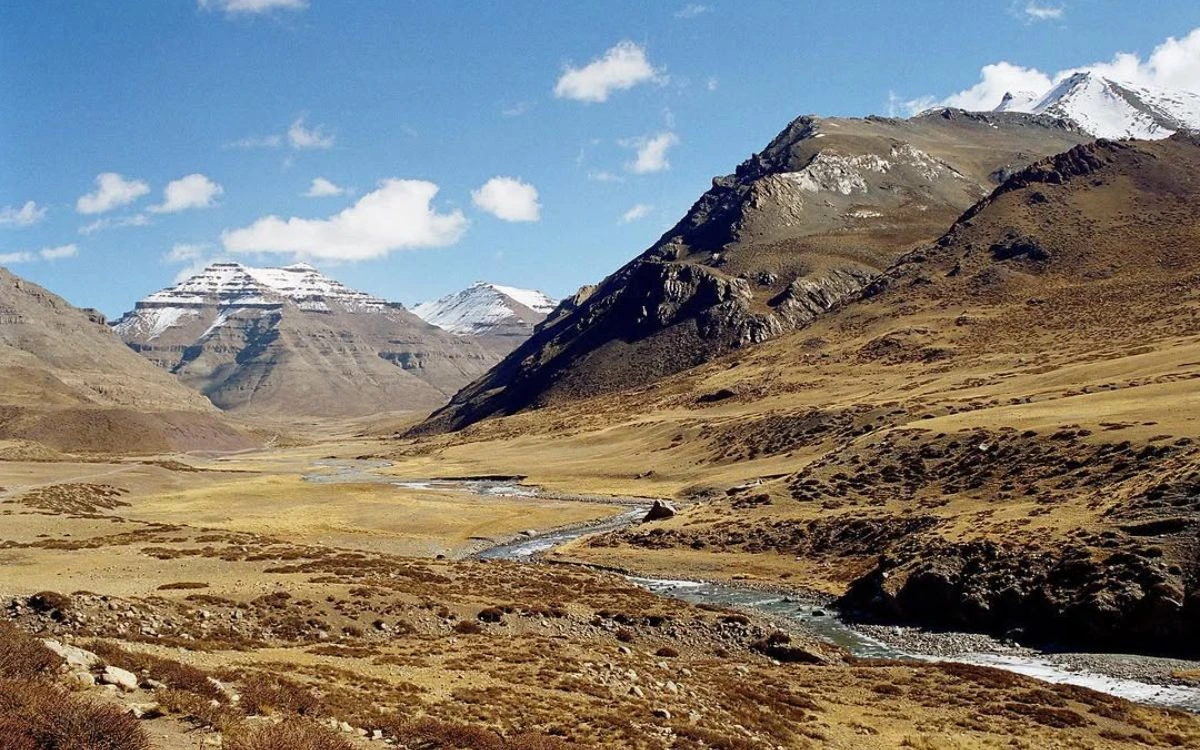
Why Has No One Climbed Mount Kailash?
This question is so frequent that the honest reply combines both law and legend. It may be partly a matter of reverence and partly a matter of laws. Largely, no valid summit has been recorded, and all major faiths that venerate the mountain perceive climbing an elevation as a sacrilege.
In 2001, Chinese officials officially issued a climbing ban on the mountain Kailash, yet Kailash was practically untreatable at least since then. The great mountaineer Reinhold Messner, who had already ascended all fourteen 8000 -meter peaks around the globe, was granted a permit in the 1980s but declined the request.
Can people climb Mount Kailash?
The prohibition still exists technically. Since then, there have not been any serious attempts made.
In Tibetan folklore, Milarep, a Buddhist saint, faced a magical contest with the Bon sorcerer, Naro Bönchung. Based on the legend, Milarepa uniquely attained the highest peak by riding a sunbeam and winning the mountain for Buddhism. The deep fissure on the side of Kailash is reportedly the result of that magical contest. Alternatively, it could have been from the necklace coiled around the neck of Naro Bönchung, if one is to rely on the Hindu tradition.
Scientific Theories Behind Mount Kailash
Geological Formation
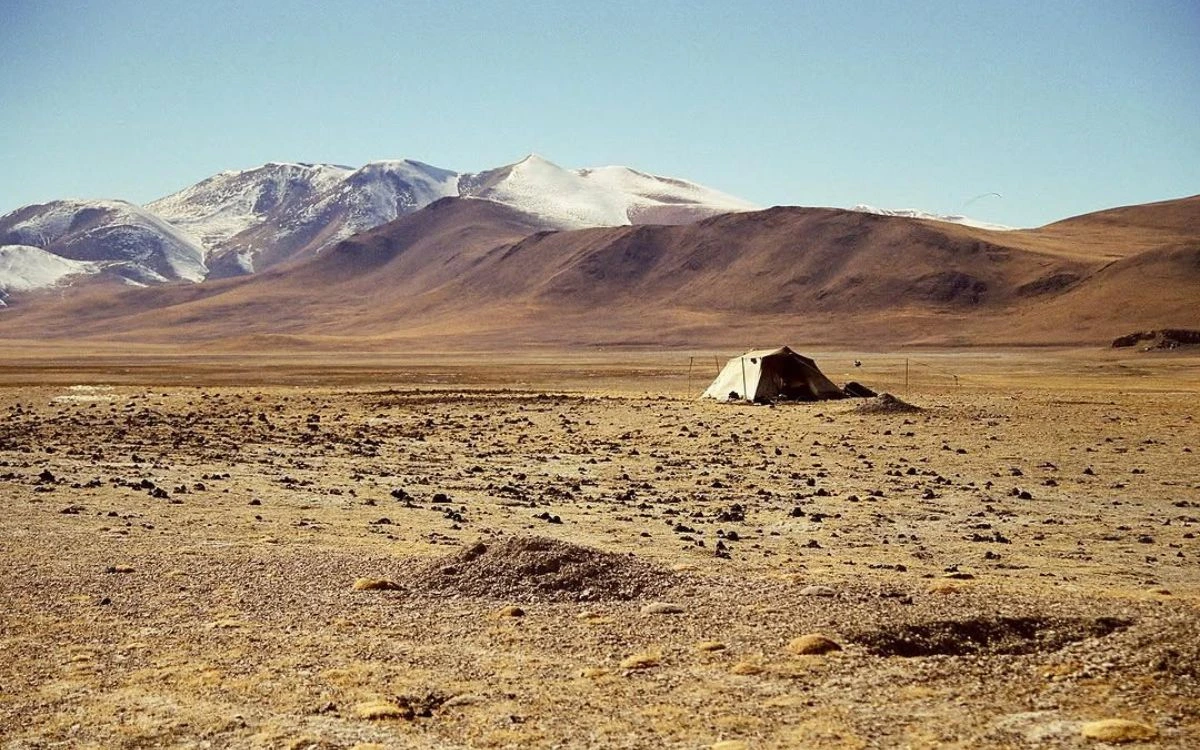
Kailash geologically is largely composed of conglomerate rock, a kind of rock where layers of pebbles and sediments are glued together over time, eventually being lifted by the collision between the Indian and Eurasian tectonic plates. Over millions of years, erosion through near-vertical fractures shaped its well-known four-sided silhouette. This was essentially a natural, albeit rare, occurrence rather than being caused by something artificial.
Magnetic and Energy Field Claims
The visitors to the area sometimes notice that their compasses malfunction around the mountain,n which in fact gives birth to the rumors about a hidden magnetic or energy field emanating from its center. Though no research with a scientific basis can confirm the presence of any kind of weird magnetism at Kailash, the rumor stands as one of the most frequently cited and repeated Mount Kailash secrets around the web.
Natural Explanations vs. Popular Beliefs
Finding that there are a few things which at first glance might look really strange, but once geologists look at them, are actually very understandable. The mind as well as the camera can get tricked by these things, that is, altitude, lack of breath,h or the intense light, for example. Anyway, really, there is a certain scientific mystery surrounding Mount Kailash, and this mountain was once only known from legends, which explains its fame.
Unexplained Mysteries and Popular Claims
Kailash has been a source of many fascinating stories in the present generation, like a "rapid aging" myth in which it is said that your hair and nails will grow abnormally rapidly near the peak. Another one is when doing the kora, one hour has passed, but two show up on the clock, which leads to the belief of time distortion. Besides that, you hear about a strange light on the face of it at night, which was also thought of as evidence. All these Mount Kailash facts are not based on science, but they help create the kind of atmosphere that accompanies one of the world's least understood mountains.

Simikot Kailash Lhasa Tour
Separating Facts from Fiction
What Science Supports
Science confirms the mountain's conglomerate geology, its role as a genuine river source, and its extreme, oxygen-thin environment.
What Remains Unverified
Energy vortexes, hidden pyramids, and time anomalies remain unverified stories rather than documented phenomena, however enduring they are in popular imagination.
Kailash Mansarovar Yatra
Why Pilgrims Visit Mount Kailash
For devout travelers, the Kailash Mansarovar Yatra is a once-in-a-lifetime journey, part pilgrimage, part physical test, undertaken to earn merit and spiritual cleansing. Most pilgrims choose between a quick helicopter route and the traditional Kailash Manasarovar Overland Tour, which follows the full road route across the Tibetan plateau over several days, taking in the plains, monasteries, and high passes along the way, and it remains the classic choice for those who see the journey itself as part of the pilgrimage.
The Sacred Kora (Parikrama)
The kora, a roughly 52-kilometer circuit around the base of the mountain, usually takes two to three days on foot, crossing the demanding Dolma La Pass at around 5,630 meters before descending past Gaurikund Lake back to Darchen.
Best Time for the Pilgrimage
May through October offers the most stable weather and passable trails, avoiding the harsh winter snows that seal off the region for much of the year.
Route Overview and Travel Information
Most pilgrims and trekkers travel through Nepal before crossing into Tibet, making Kathmandu the natural gateway city. Many travelers extend their trip with wider Trekking in Nepal, pairing a Kailash pilgrimage with a classic Himalayan trail such as the Everest Base Camp Trek, which shares the same rugged spirit of high-altitude adventure. For pilgrims short on time, the Kailash Manasarovar Yatra by Helicopter cuts the journey down to under two weeks by flying from Kathmandu to Nepalgunj and on to Simikot before crossing into Tibet, avoiding much of the long overland drive. Others prefer the Annapurna Circuit Trek, a longer route that winds through dramatically varied landscapes from subtropical valleys to high desert. For those with a bit less time, the Annapurna Base Camp Trek delivers close-up mountain views in a shorter window, while trekkers chasing raw, remote scenery often add the Upper Mustang Trek or the Manaslu Circuit Trek to their Nepal itinerary before or after their Tibet journey.
Can Tourists Visit Mount Kailash?
Travel Permits
Foreign visitors need a Tibet Travel Permit alongside their Chinese visa, arranged through a registered agency well before departure.
Entry Requirements
Group travel, a licensed local guide, and pre-approved itineraries are mandatory for all foreign nationals entering the Tibet Autonomous Region.
Responsible Travel Guidelines
Respect for local customs matters here more than almost anywhere else: dress modestly, walk the kora clockwise as pilgrims do, avoid touching religious structures, and never attempt to summit or deface the mountain.
Interesting Facts About Mount Kailash
- It sits close to the sources of four major Asian rivers: the Indus, Sutlej, Brahmaputra, and Karnali.
- Its four faces align almost perfectly with the cardinal directions.
- Neighboring Lake Manasarovar sits at 4,590 meters, among the highest freshwater lakes on earth.
- Despite decades of expeditions and curiosity, no confirmed ascent of Mount Kailash has ever taken place.
Mount Kailash vs. Mount Everest: Why One Is Climbed, and the Other Is Not
Everest and Kailash sit at opposite ends of the mountaineering spectrum. Everest has drawn climbers for a century, and the Everest Base Camp Trek alone welcomes tens of thousands of trekkers every year who come simply to stand in its shadow. Kailash, by contrast, has drawn only pilgrims. The difference isn't difficult; both demand serious altitude endurance, it's purpose. Everest represents human achievement; Kailash represents restraint, a peak intentionally left untouched out of collective reverence.
Frequently Asked Questions (FAQs)
Where is Mount Kailash?
Mount Kailash is located a few miles northeast of the intersection of the borders of China, India, and Nepal in the Ngari Prefecture of the Tibet Autonomous Region.
What stops mountaineering expeditions from successfully summiting Mount Kailash?
Pilgrimage of the major world religions to four of the highest places on the Earth, and a formal Chinese Government restriction on climbing since 2001.
Can someone get permission to climb Mount Kailash?
Papers permitting anyone to climb to the top of Mount Kailash have not been available from the authorities, even recently, and for the last few decades.
Why is Mount Kailash considered a mysterious mountain?
This mystery derives from its perfect shape, the remoteness of the mountain, and the beliefs in mystical areas or forces of nature that can make you younger or older or even manipulate the flow of time.
Which are the four major spiritual traditions revering Mount Kailash?
This magnificent summit has great spiritual and theological significance for the four world religions of Hinduism, Buddhism, Jainism, and Bon.
How tough is undertaking the Kailash Manasarover parikrama?
Kailash Manasarover circumambulation is moderately to highly demanding, owing mainly to the treacherous high altitudes over 5,000 meters of Dolma La Pass.
Conclusion: Does the Mystery of Mount Kailash Have an Answer?
It's not only a geographical fact, but there's also a deep spiritual connection to this area. Four major religions consider Mount Kailash to be sacred. It is not hard to see why, after spending centuries as a spiritual focus for four religions, it would come out at this time as a holy one, but it will always remain something of a mystery, since neither science nor religion nor even storytelling will be able to fully explain it. If your interest in the Himalayas got sparked by Kailash, you can contact Himalayan Recreation Treks and Expedition being the perfect choice to help you make your next trek in Nepal a journey based on curiosity, exploration, and a discovery of your own inner self.
Popular packages:

 based on 9 reviews
7 Days Annapurna Base Camp Trek
 based on 2 reviews
Tsum Valley Trek - 10 Days
 based on 6 reviews
Langtang Valley Trek 7 Days
 based on 2 reviews
Annapurna Circuit Trek - 14 Days


-1.webp)
-1.webp)
-1.webp)