Travel insurance for the Everest Base Camp Trek is one of the first things you should sort out once you book your flight to Nepal. The trail climbs above 5,000 meters, runs through remote valleys, and stays far from any real hospital. A twisted ankle, a stomach bug, or sudden altitude sickness can turn into a costly helicopter rescue if you are not covered. The right Everest Base Camp travel insurance protects your health, your gear, and your money, so you can enjoy the trek instead of worrying about what happens if something goes wrong. This guide walks you through what your policy should cover, how much high altitude travel insurance Nepal usually costs, and how to choose a plan that actually works at 5,364 meters.
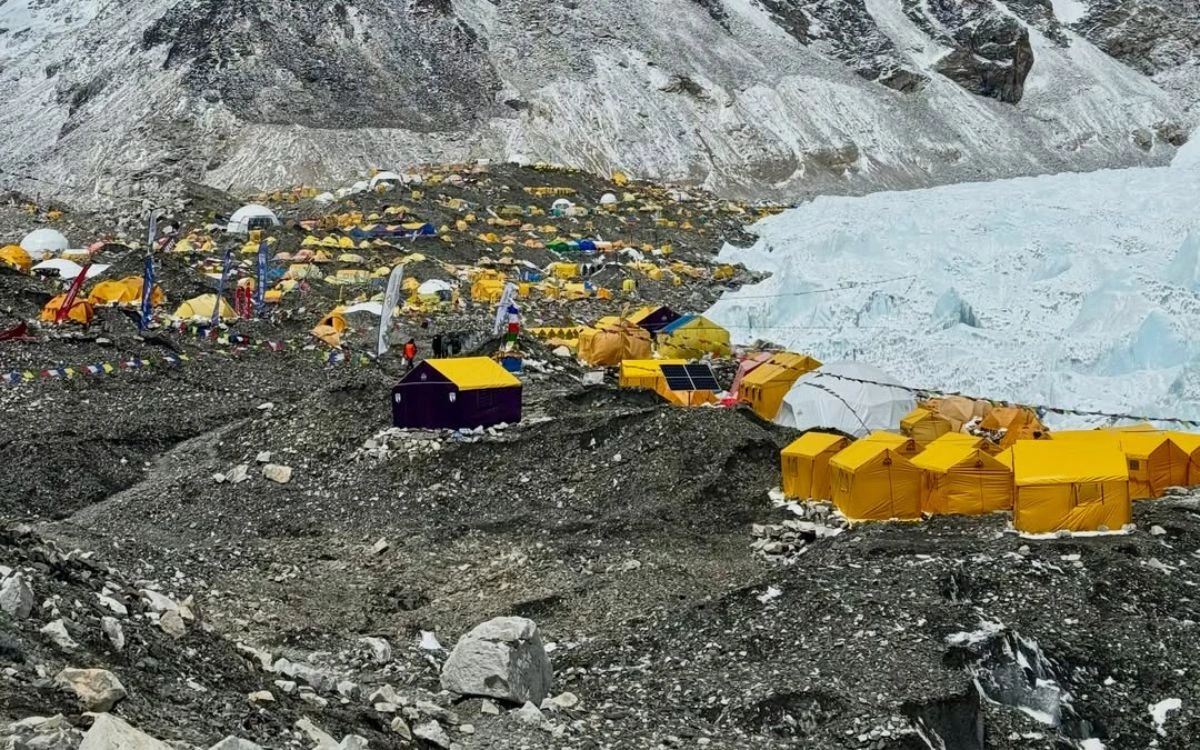
Everest Base Camp tent settlement.
In this guide, we cover why travel insurance matters on the EBC trail, whether it is mandatory, and what a solid policy should include, from emergency medical expenses to helicopter rescue and high-altitude cover. We also break down common exclusions, real trek insurance costs, the best providers for Nepal trekking, and simple steps to buy a plan and file a claim. You will find practical safety tips, mistakes to avoid, and answers to the most common questions trekkers ask before heading to Everest Base Camp.
Why Travel Insurance Is Essential for the Everest Base Camp Trek
The Everest Base Camp Trek is a journey through very thin air, a place with cold, icy nights. It is a remote trail where your nearest road is just a day's walk away. A visit to a local clinic in the village of Khumbu for a minor illness or injury would take care of it, but major problems need to be handled in Kathmandu, which requires you to get picked up by helicopter. An emergency helicopter ride to Kathmandu without insurance coverage can be as much as several thousand dollars. Also, once you are there and need hospital care, bills will accumulate quickly. Nepal trekking insurance also offers you protection for trip delays due to adverse weather, as flights to Lukla are usually stopped during the peak seasons. To put it very simply, without insurance, a potential financial disaster would be a big problem for you, but with it, at worst, it is only a minor inconvenience.
Is Travel Insurance Mandatory for the Everest Base Camp Trek?
A government doesn't check the validity of your insurance coverage on a trail head. Because of this, travel insurance for the Everest Base Camp Trek is not only legally mandated but also highly recommended. Besides, the majority of trekking companies nowadays ask for your insurance coverage proof as a prerequisite to joining a group, and that has been justified. Exactly the same is the situation with those who go on the Annapurna Circuit Trek, where the altitude, remoteness, and risks are almost similar. It is just a matter of getting lucky if you choose not to have insurance, and most seasoned trekkers wouldn't even consider that, as they know for sure that an emergency evacuation bill is quite enough to burn their savings down that were accumulated over several months.
What Should Your Everest Base Camp Travel Insurance Cover?
Protecting oneself at each stage of the trek needs a robust insurance policy covering a few fundamental aspects.
Medical Expenses Emergency
Doctor visits, medication, and even hospitalization in Nepal should be covered by your policy. That includes the costs of treatment related to high-altitude illness.
Helicopter Rescue & Emergency Evacuation
Helicopter rescue at Everest Base Camp is a crucial part of insurance coverage. The rescue insurance should pay for a helicopter airlift from any part of the route, not just the main places where you are expected to be.
High-Altitude Coverage (Up to 6,000 m)
Most travel insurance policies provide coverage up to 3,000 or 4,000 meters, so you have to make sure that your insurance covers trekking up to Kala Patthar and further.
Interruption & Cancellation Trip
In case you have to change plans owing to flight cancellation, disease before departure, or family-related emergencies, it's comforting to know that with the right kind of policy, non-refundable costs can be reclaimed from the insurer.
Delay or Loss of Baggage
If an airline forgets your gear, getting to trek may not be feasible, so luggage compensation should allow you to get a new set of the essentials quickly.
Personal Liability
This coverage will come to your aid if you injure someone or damage property while traveling.
Understanding High-Altitude Insurance for the EBC Trek
Infographic on travel insurance coverage for the Everest Base Camp trek
High-altitude insurance for the Everest Base Camp (EBC) trek is not the same as your regular travel insurance. Several types of insurance policies usually don't cover mountain activities if you go above certain heights, and this means that hikers can be left without any help during moments of maximum need. When buying insurance, first of all, I pay attention to what's written in small characters - it specifies the very highest level of trekker's insurance is valid up to. For the Everest Base Camp and Kala Patthar hike (a height of ca 5,644 meters), it is important that your insurance covers above 5,500 meters. Those who are planning to trek to the Annapurna Base Camp (a maximum altitude of 4,130 meters) also need insurance at these high elevations, but the coverage might be different from the one covering the Everest region.
Everest Helicopter Rescue Insurance: What You Need to Know
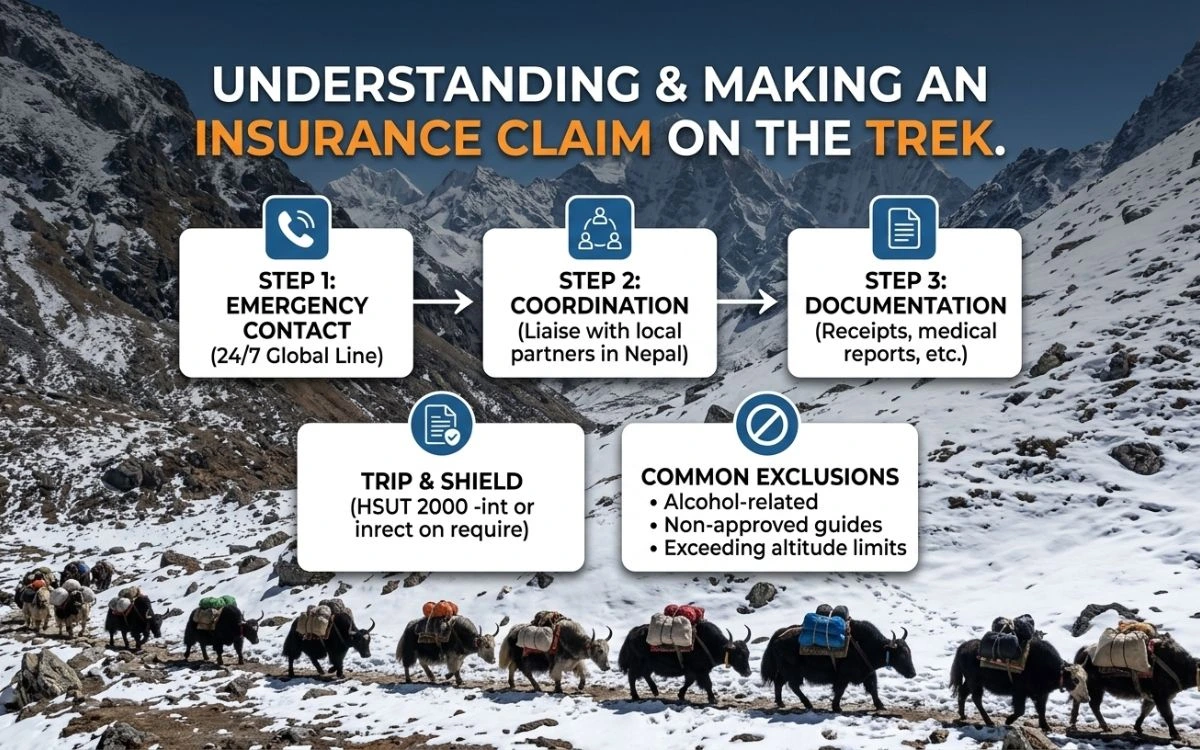
The helicopter-assisted Everest evacuation policy is definitely one of the most important parts of your coverage during this journey. As there are several companies with rescue helicopter services in the vicinity of Khumbu that accept payment only in cash or proof of payment, the company quite often requests to see your documents before their launch. It would be wise to have a policy that allows direct payment to the rescuer instead of just reimbursement only, as you cannot really imagine going into an emergency situation, having already paid a hefty amount just to wait for reimbursement. Also, it is important that the insurance company has a 24/7 emergency phone line and has a network of local partners in Nepal. This way, if an emergency happens in remote mountain areas where you cannot immediately find a network, at least your loved ones will be able to reach someone through the phone, and your insurance company will be able to organize the rescue as soon as possible if they have a local network.
Common Exclusions in Everest Base Camp Travel Insurance
Infographic on filing an insurance claim during the EBC trek
Every policy has limits, and it pays to know them before you sign up. Common exclusions include pre-existing medical conditions, injuries from reckless behavior, and rescues triggered by ignoring guide instructions. Specific activities are often excluded, too, such as technical mountaineering, peak climbing with ropes and crampons, off-trail solo trekking, heli-skiing, and any ascent above your policy's altitude limit or without a licensed guide. Alcohol-related incidents and unlicensed trekking in restricted areas are frequently left out, too. Reading the exclusions list carefully saves you from unpleasant surprises during a claim.
How Much Does Trek Insurance Cost for Everest Base Camp?
The cost of Everest Base Camp trek insurance, for a 2-3 week stay, can be around 50-150 USD according to your age, coverage level, and the company you go with. Those plans that offer a higher medical limit and a helicopter evacuation assurance will be the ones that get you the bill at a higher figure, but since you're hiking in such terrain, that extra outlay should be considered a wise decision. Get a couple of your insurers' quotations for a quick price comparison, as there are big differences even for similar insurance plans. Also, make sure you know whether or not the quoted price includes high-altitude coverage or if it is a separate feature you can buy.
Best Travel Insurance Providers for Nepal Trekking
Several international insurers are known for their high-quality coverage on a trek through the mighty Himalayas. The main companies in this niche are World Nomads, Global Rescue, and True Traveller. Each of them produces trekking plans for mountaineering and walking that take high-altitude dangers into account very accurately. On the Langtang Valley Trek, the trekkers go for the same companies simply because the altitude and the risks of getting rescued are very close to those faced on the EBC route. There is a type of insurance plan for the Everest Base Camp that the customers call "Rise and Shield" kind of insurance. One feature they all have is that they combine medical coverage, repatriation, and evacuation facilities. As a bonus, these types of claims tend to be more direct. Be vigilant and always check to see that the insurer has previously handled rescue claims in Nepal, just not in other areas in general.
How to Choose the Right Travel Insurance for the Everest Base Camp Trek
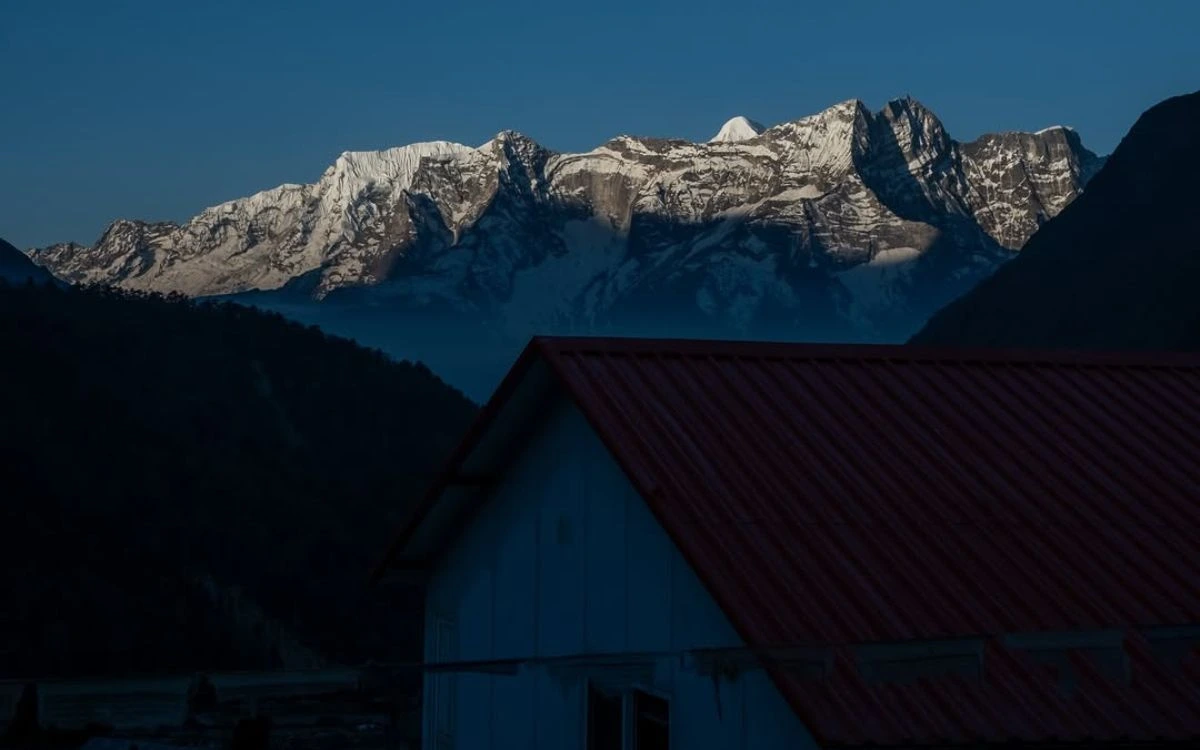
Himalayan peaks at dusk, relevant to Everest Base Camp trek.
Before you start your trek to Upper Mustang, the foremost thing is to check the altitudes that the policy covers. You also need to check the policy on medical expenses, whether helicopter evacuation is included, or if it will require an additional rider. Trekkers also need to check their insurance coverage for restricted-area permits, as various suppliers may have different policies for this kind of coverage. It is also advisable to check user reviews of trekkers who have made claims in order to get more reliable information than advertising content. The most appropriate travel insurance for trekking journeys in Nepal provides a reasonable medical expenses fund and around-the-clock accident management service.
How to Buy Travel Insurance for the Everest Base Camp Trek
Buy your policy as soon as you book your flights, since trip cancellation cover only applies to problems that happen after purchase. Most insurers let you complete the process online in under ten minutes; you simply enter your trip dates, destination, and planned maximum altitude. International travel insurance for the Everest base camp trek should be purchased before you leave home, as buying it once you are already in Nepal limits your options and may exclude cancellation benefits.
Before getting a helicopter, call the emergency number of your insurance company to ensure they will cover the costs of rescue. Save any receipts, medical documents, and photographs of lost or destroyed items for your claim, as insurance companies will require them for reimbursement. It is important to file your claim as soon as possible after returning home, as claims are subject to many time limits between 30 and 90 days, depending on the policy.
Travel Insurance Tips for a Safe Everest Base Camp Trek
Always keep both a digital and a paper copy of your policy together with the emergency contact number. Before your trek starts, let your insurer or some reliable friend back home know about your plans. Anyone planning a trek to EBC together with the Manaslu Circuit Trek should make sure that both routes and altitudes are covered in the policy. Acclimatization is also key, because disregarding the safety tips provided by your guide may result in claim denial.
Common Mistakes Trekkers Make When Buying Insurance
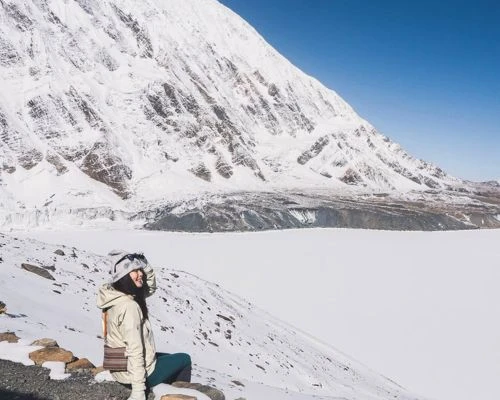
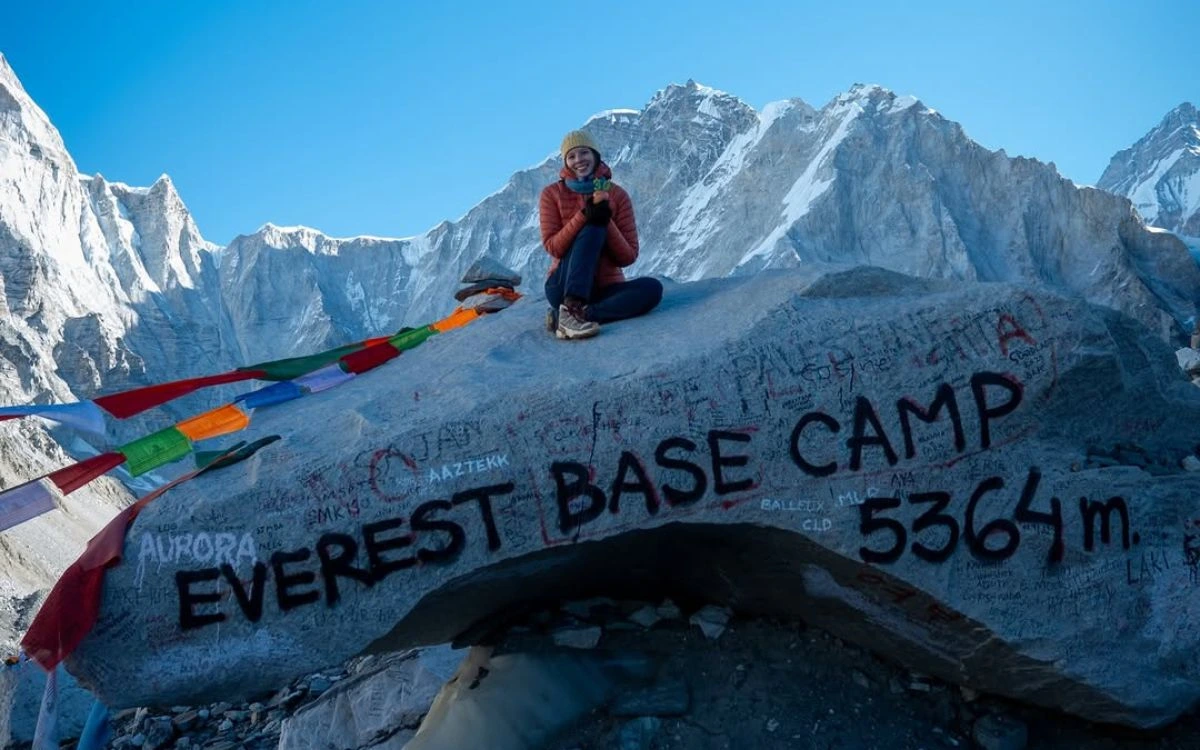
Trekker at the Everest Base Camp 5,364m marker stone
Numerous hikers purchase the cheapest option without verifying the altitude limit, only to realize it's not sufficient to reach Base Camp. Others are under the impression that the travel insurance that comes along with credit cards is enough, although there are various packages that totally exclude high-altitude trekking. Ignoring the exclusions section or declaring any pre-existing conditions, as well as delaying the purchase of insurance until reaching Kathmandu, are all mistakes that can be easily avoided. A bit of research before buying goes a long way in avoiding problems.
FAQs
Is it compulsory to have travel insurance for the Everest Base Camp Trek?
Travel insurance is not required by the laws of the Nepalese government, but it is considered compulsory for trekkers. Almost all trekking companies ask for the documentation related to travel insurance that needs to be comprehensive enough to provide for the expensive helicopter rescue in case of emergency.
Does a travel insurance policy offer coverage for a helicopter rescue in Nepal?
Sure, but you need to make sure that your insurance policy includes high-altitude rescue service. Most regular travel insurance policies may not guarantee any coverage for a helicopter rescue. Hence, you need to clearly state that your insurance policy contains coverage for emergency helicopter evacuation service.
At what altitude should a travel insurance policy be valid?
A travel insurance policy needs to cover at least 6,000 meters. Even though the base camp is located at 5,364 meters, the majority of treks reach more than 5,550 meters. You thus make sure that your travel insurance is able to cover 6,000 meters.
How much does Everest Base Camp travel insurance cost?
Travel insurance for Everest Base Camp usually costs $50 to $150 for a 2-to 3-week trek. The price depends on several factors, including your age and nationality, and whether you choose to purchase optional coverage.
What happens if my Lukla flight is delayed or cancelled?
Bad weather grounds Lukla flights often, especially in peak season, and a trip delay or trip interruption benefit in your policy can reimburse extra hotel nights, meals, or a rebooked flight or helicopter transfer caused by the delay.
Can I buy insurance after arriving in Nepal?
You can buy insurance after you arrive in Nepal, but it is not recommended. Buying travel insurance while in Nepal will severely limit your options and negate coverage for trip cancellation/interruption, and generally requires you to wait 48-72 hours to be covered for emergency medical coverage.
Which insurance companies cover the Everest Base Camp trek?
The most popular insurance providers that offer high-altitude coverage for the Everest Base Camp trek include:
World Nomads (Explorer Plan covers up to 6,000m for many nationalities)
Global Rescue (Renowned for dedicated medical evacuation and field rescue)
True Traveller (Popular option for UK and European trekkers)
Allianz Global Assistance (Requires specific high-altitude adventure packs)
Conclusion: Choosing the Right Travel Insurance for the Everest Base Camp Trek
Getting proper travel insurance for the Everest Base Camp Trek should not be seen as an extra expenditure but rather as a safety measure for enjoying the outdoors while being worry-free. Before you get your insurance policy, you should always check the level of altitude, coverage for helicopter rescue, and all applicable exclusions. Regardless of whether you are heading to EBC or going trekking somewhere in Nepal, proper travel insurance should always be part of your planning. Ready to start your adventure? Book the Everest Base Camp Trek with Himalayan Recreation Treks and Expeditions.


-1.webp)

 based on 1 reviews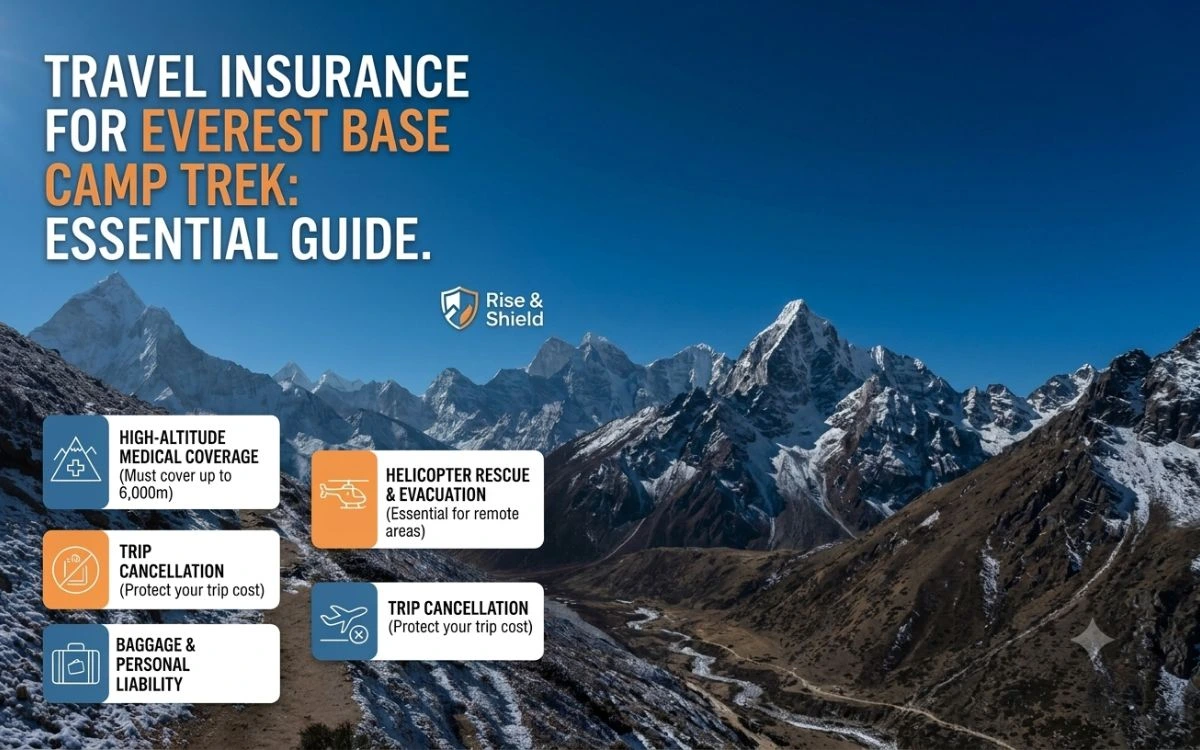






-6.webp)
-6.webp)