The only means of transport for the Manaslu Circuit trek is via land transport which must be planned well before you begin on your journey to Manaslu region whether you are new to trekking or an experienced trekker. The Manaslu area does not have any air transportation services; therefore all access to the foot of the Manaslu Circuit trek must begin in Kathmandu. The two options for travelling from Kathmandu to the trailhead of the Manaslu Circuit trek are public bus or private jeep. The most economical choice is to travel by public bus. The other option is to travel by private jeep, which will provide a much quicker and more stable ride due to the condition of the roads in this area. From Kathmandu to Soti Khola or Machha Khola, the duration for this travel may take as long as 7–10 hours, depending on the weather and road conditions. This information will be helpful to anyone researching how to reach the Manaslu Circuit trek, especially for first-time trekkers on the Manaslu Circuit trek.
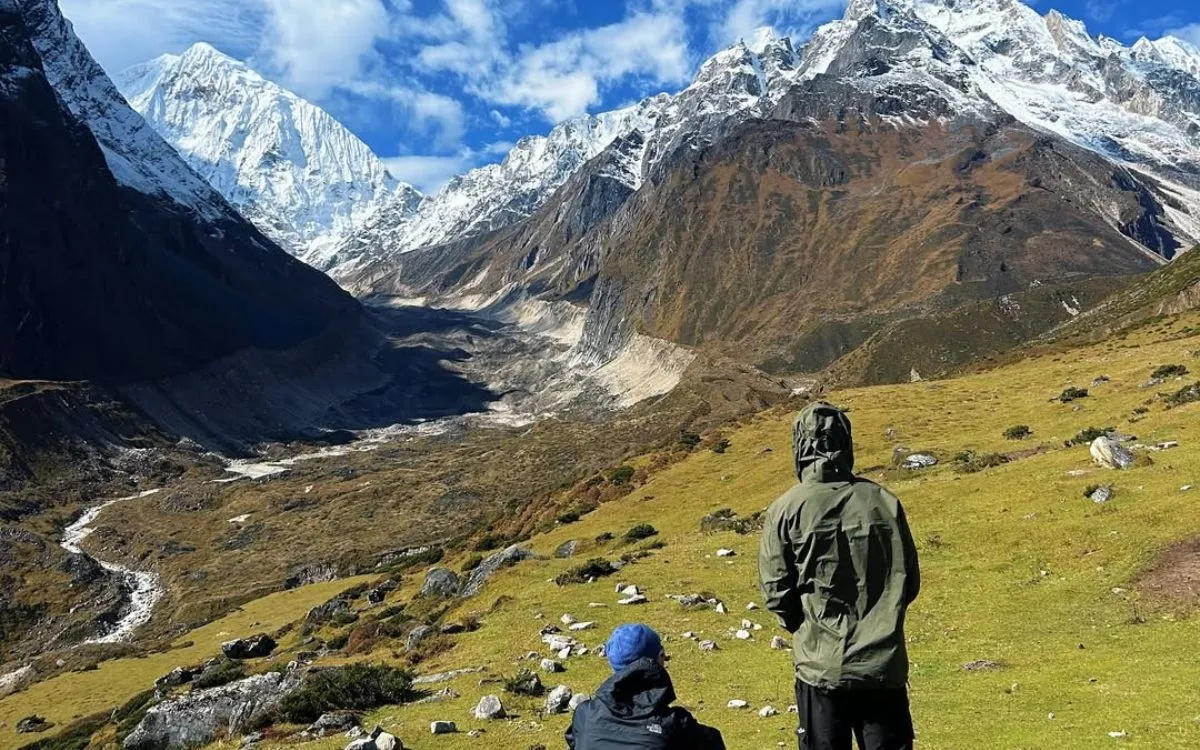
Trekkers viewing snow-capped Manaslu mountains along the trail
Trekkers can expect to find a variety of options for Manaslu trek transportation returning from the Manaslu Circuit. The return journey takes place along a different route than the outgoing trek. After finishing the trek, trekkers typically take a shared taxi (jeep) to Besisahar, where they have options to return to Kathmandu by bus or private taxi. Understanding these different modes of transportation can help trekkers make informed and efficient travel choices based on their needs (safety and efficiency).
In this guide, we discuss in detail transportation to the Manaslu Circuit. We have included information concerning what you can expect when traveling by road, approximate travel times, and a recommendation regarding which transportation routes you should select if you want to save money and still be comfortable.
What Are the Transportation Options for the Manaslu Circuit Trek?
The primary means of transportation to access the Manaslu circuit trek is via the land route. There are several ways to get to the starting points (Soti Khola or Machha Khola) for the trek; you may take a public bus, share a jeep with other travelers, or hire an independent/private jeep. Private jeeps are the most convenient and fastest (approx. 6-7 hours) yet are also the most expensive option at $150-$250 for the whole vehicle. Shared jeeps can take 7-8 hours to reach the starting point, costing $25-$40 per person. Public buses, which are the cheapest way to travel ($5-$10 per person), take 8-12 hours to arrive at the starting point.
Upon completing the trek, you will return, via either a shared jeep or a public bus, from the villages of Dharapani to Besisahar, which is the main hub for transportation to and from Kathmandu. Generally, both buses and jeeps will arrive in Besisahar after approximately the same amount of time (i.e., 6-7 hours) after your return to the starting point. Buses tend to take longer than jeeps, but are usually a less expensive option. After returning to Besisahar, there is a direct public bus route back to Kathmandu, which takes approximately 6-7 hours to travel.
How Is the Route Condition and Transportation on the Manaslu Circuit Trek?
The Manaslu Circuit Trek generally has good trail maintenance each year from local teams. There will be some narrow, slippery, and unstable sections at times that are prone to moisture injury due to the rain and the steep incline.
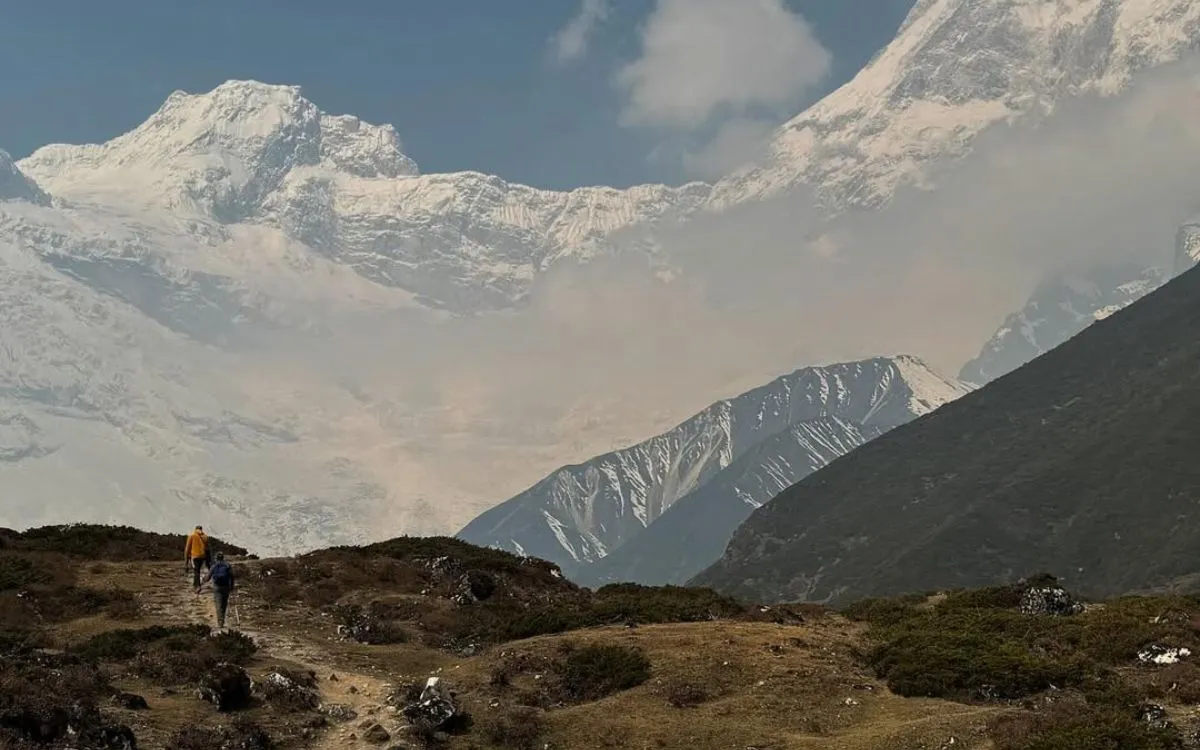
Hikers on mountain trail beneath Himalayan peaks
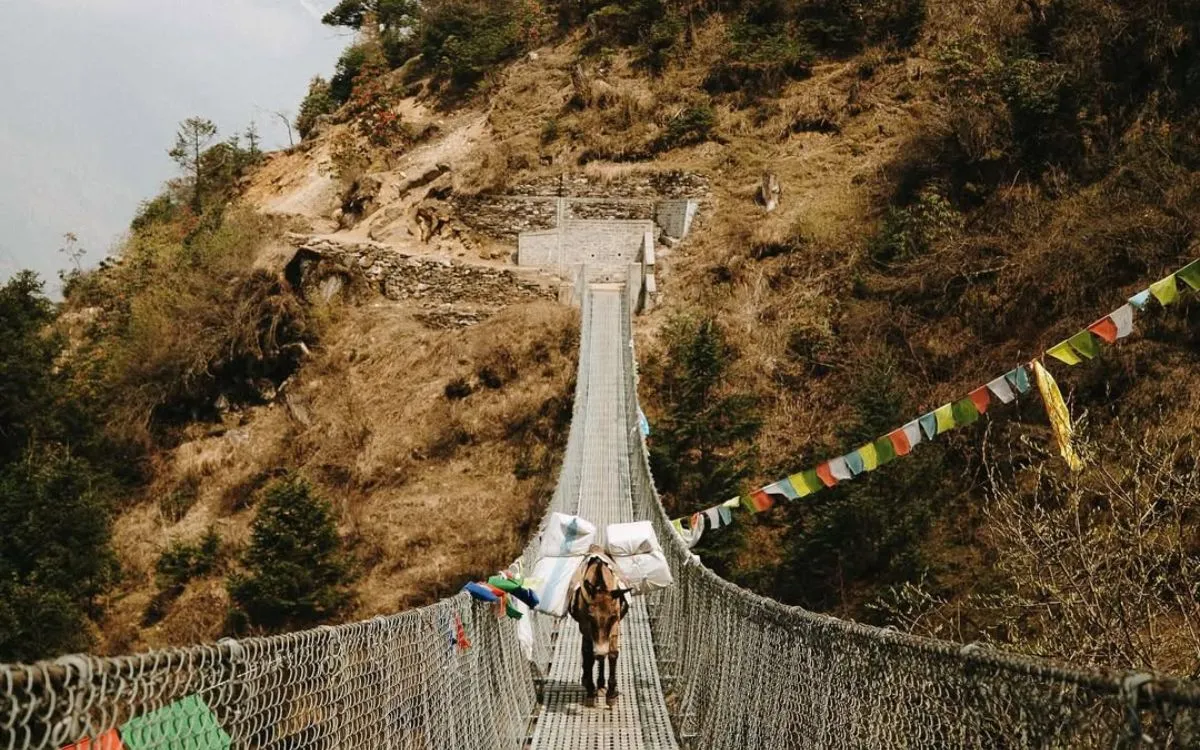
The majority of the trek is a gradual climb with a gradual descent, rocky terrain, and numerous suspension bridges along the way. This route does not present much of a technical challenge, but it does require you to have balance and walk carefully.
The hardest and most difficult part of the trek will be Larkya La Pass. This section is often covered in snow and ice during the winter months and early spring, so trekkers may have to carry additional gear (microspikes/crampons). Most teams overnight here will begin crossing this pass in the early morning due to the heavy winds and soft snow.
Travel to the starting point of your trek will typically be by bus or jeep from Kathmandu to Soti Khola or Machha Khola. The road will be rough and bumpy; therefore, buses operate, and jeeps can be taken to complete the drive along the entire unpaved portion of the route. After completing this trek and arriving in Dharapani, you will take a jeep from Dharapani to Besisahar. After arriving in Besisahar, you will then return by bus or jeep to Kathmandu via the much better-maintained road.
How Do You Reach Machhakhola / Sotikhola from Kathmandu?
Most trekkers will make the journey from Kathmandu to Machhakhola or Sotikhola by way of road. The route via Dhading Bensi is the most frequently used and is generally the recommended route for hikers. This route will take approximately 8 to 9 hours by bus or 7 to 8 hours by jeep to complete.
The Gorkha Bazaar route is also an option but would take much longer and has less direct access to Machhakhola and Sotikhola.
Route via Gorkha Bazaar (Recommended)
Start from Gongabu Bus Park, or hire a private jeep from your hotel.
Drive on the Prithvi Highway toward Thankot and Naubise.
Cross the Trishuli River and continue to Dhading Bensi.
From Dhading Bensi, drive toward Arughat. The paved road ends here and becomes rough.
Continue from Arughat to Sotikhola and then to Machhakhola. Some sections between Arughat and Sotikhola are bumpy and may need a 4WD jeep.
Route via Dhading Bensi (Less Direct)
Drive on the Prithvi Highway toward Mugling and turn toward Gorkha Bazaar.
From Gorkha, the road eventually joins the route leading to Dhading Bensi and Arughat.
This route takes longer and is not commonly used by trekkers.
Teahouse lodge with pack horses at Manaslu trek stop
How Can You Travel from Kathmandu to Machhakhola?
Local Bus Options
There are local buses to Machhakhola or Sotikhola that leave at the Gongabu Bus Park in the morning hours. Check and compare prices before selecting one; they will run at approximately 10-15 USD per person (each). Buses travel the Dhading Bensi to Arughat route en route to Machhakhola and many times will make multiple stops along this route as well as take about 8-10 hours to traverse due to slow traffic conditions and rough roads after Arughat.
Private and Sharing Jeep Options
Private Jeep is quicker and more reliable, taking 7-8 hours to get to Machhakhola. The price for a full private jeep varies between 180-240 USD depending on the season and vehicle occupancy. Trekkers may prefer the private jeep for Manaslu trek transport options, as it allows them to navigate damaged or muddy road sections. Shared jeeps are available for 25–35 USD per person, offering more comfort than a bus without hiring the whole vehicle.
Night Bus Service
Night buses to Arughat or Sotikhola also run, with some buses continuing northwards, e.g., to Machhakhola. The prices for the night buses are roughly the same as daytime, typically USD 12 - 15 each. However, night travel is not popular among trekking tourists because the roads are rough, narrow and visibility is poor. For increased safety and a more enjoyable experience, most travelers prefer to take daytime transport.
How Much Does Transportation to Machhakhola Cost?
Transport options between Kathmandu and Machhakhola range from 800 NPR for an economical public bus up to approximately 20,000 Nepali Rupees for a private jeep. The price will vary depending on what type of vehicle you are using, the time of the year, and whether or not you are sharing your ride.
How Do You Return from the Manaslu Trek?
Trekkers will usually complete the trek in Dharapani. After returning to Dharapani, trekkers can take a local or private jeep from Dharapani to Besisahar, which takes about 3 to 4 hours over a rugged mountain road. From Besisahar, trekkers may continue their return journey to either Kathmandu or Pokhara using one of the following methods: tourist bus, local bus, or private vehicle. The average time to drive the distance from Besisahar to Kathmandu is approximately 6 to 7 hours; the average time to drive from Besisahar to Pokhara is approximately 4 to 5 hours on a well-maintained highway. Most trekkers opt to book a private jeep for a faster and more comfortable return journey; however, regular and tourist buses are available for trekkers looking for a more economical transportation method. Regardless of the method taken to return from Besisahar to Kathmandu or Pokhara, all methods travel along the same standard route utilized for access to the Annapurna region, which provides an easy connection back to both major cities.
What Are the Jeep Options from Dharapani to Kathmandu?
Starting from Dharapani, you have the option to hop on a local or private jeep headed to Besisahar, a journey typically lasting 3–4 hours. Local jeeps are budget-friendly but might make frequent stops and be quite crowded. On the other hand, private jeeps provide a quicker and more comfy ride, plus you can split the cost if you're traveling with others.
How Do You Take a Bus from Besisahar to Kathmandu?
You can catch buses from Besisahar to Kathmandu at the local bus station. If you take a tourist bus, you're in for a quicker and comfier ride, usually lasting about 6 to 7 hours. On the other hand, local buses are a bit slower, make more stops, but they come at a cheaper price.
Hiring a Private Car from Besisahar
You could also consider renting a private car from Besisahar if you want a direct and flexible trip to Kathmandu. It's a bit pricier, usually around $120–$150 per vehicle, but it lets you travel at your own pace, make stops along the way, and avoid the hassle of crowded buses. Private cars work great for groups or if you have lots of luggage to lug around.
Pack animal crossing suspension bridge on Manaslu circuit
Travel Tips for Manaslu Circuit Trek Transportation
It is best to book your transportation well in advance, especially during peak periods when they fill up quickly. Afterward, only limited options are available to get to your destination via bus, shared jeep, or private vehicle.
Due to the rough, rocky road conditions between Arughat and Machhakhola, the best option for transportation would be a jeep; they are more suited for muddy, bumpy, and steep hills than local buses.
To avoid delays with traffic and possible delays due to mudslides or other obstacles on the road, it is wise to start your journey early in the morning.
If you decide to rent your own private jeep, you can share the cost with other trekkers to lower your expenses while providing you with a more comfortable and faster trip.
Be sure to check the weather conditions before beginning your trip because heavy rain or snow can create impassable terrain and use caution when travelling during the winter or monsoons.
Money in the form of Nepali Rupees is the only method of payment; most remote villages do not accept credit cards or other means of payment.
Pack your luggage carefully and lightly, securing it properly in the jeep, since the bumpy roads can jostle bags and risk damage to fragile items.
Avoid night travel whenever possible, because driving on narrow, uneven mountain roads in the dark increases the risk of accidents and makes the journey more stressful.
Keep a flexible schedule and allow extra time for potential delays caused by landslides, vehicle breakdowns, or bad weather, which are common on this route.
FAQs
How Does Weather Impact Travel Times on the Manaslu Trek Roads?
Rain, snow, and landslides can slow down travel significantly. During the monsoon, roads become muddy and slippery, while winter snow can block high sections. Always allow extra time for delays caused by weather.
Are There Fuel or Rest Stops Along the Trek Route?
You can find several small gas stations and tea shops along the main road from Riva to Margarahawa (located close to the towns of Arughat, Sotikhola, and Dhading Bensi), but they do not offer very good facilities or quality. Therefore, it would be a good idea to carry your own fuel, snacks and water during your trip.
Which Scenic Views Can You See While Driving to Machhakhola?
The journey offers breathtaking views of the Trishuli River from the east side, terraced agricultural fields, forests, and several small villages along the route. On clear days, the views include significant mountain peaks in the distance, along with spectacular hilly terrain.
How Do Landslides and Roadblocks Affect Transportation Plans?
Landslides or fallen rocks can block roads for hours or even a day. This may delay buses, jeeps, or private vehicles, so it’s important to have a flexible schedule and check local updates before traveling.
What Is the Condition of Bridges and Narrow Mountain Roads?
Most bridges on the route are functional but can be narrow. Mountain roads are often steep and winding, with some rough and unpaved sections, so careful driving is necessary, especially during rain or after landslides.
Can Solo Travelers Easily Hire Shared Jeeps?
Yes, solo travelers can join shared jeeps from Kathmandu or Besisahar. However, availability depends on the season, so it’s best to book early or be ready to wait for enough passengers to fill the jeep.
Which Vehicles Are Best for Families or Groups?
Private jeeps are the best choice for families or groups. They provide comfort, safety, and flexibility. Large groups can share the cost to make the ride more affordable, and jeeps handle rough roads better than buses.
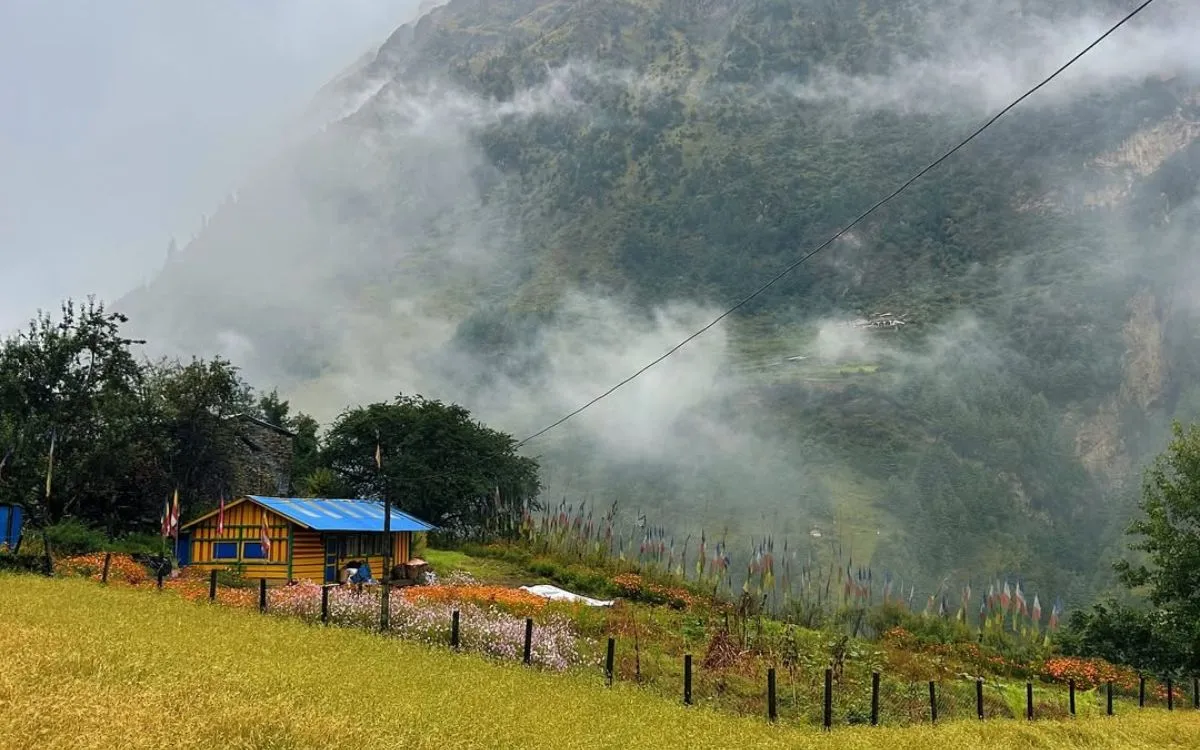
Mountain teahouse surrounded by mist in Manaslu region
Conclusion
To plan a successful trip to Manaslu Trek, you need to consider transportation carefully because the only way to get there is by road. By choosing the right mode of transport (i.e., public bus, shared jeep, or private jeep), you can determine how much comfort and safety you will have during your journey to Manaslu and how quickly you will reach your destination.
The most affordable way to travel would be public bus; however, if you desire a smoother and faster ride along the rugged terrain between Arughat, Sotikholam and Machhakhola, then you should take jeeps.
Once you have completed your trek to Manaslu, there are many options available to reach Besisahar and return to Kathmandu or Pokhara easily. By being prepared ahead of time, being flexible with transport, and choosing the most appropriate mode of travel, your entire journey in the Manaslu region should be safe and stress-free.
If you want to ensure that your trekking experience is well-organised within the Manaslu region, we offer comprehensive trekking services in that region feel free to contact us at Himalayan Recreation.


-13.webp)




-1.webp)
-1.webp)
-1.webp)