Are you wondering about the Mera Peak climbing difficulty? It is common among adventurers planning to embark on this journey. On the one hand, the Mera Peak expedition seems less complex than many climbs in the Himalayas, but the altitude, cold weather, and long climb still present the climbers with many obstacles.
Mera Peak is 6,476 meters high, meaning it is the highest trekking peak in Nepal. However, that doesn’t mean that climbing it is too difficult.
Climbers at snow-covered high camp during Mera Peak climbing
To clarify, the Mera Peak height makes it easier than other adventures involving climbing in Nepal, as it's somewhere between a challenging high-altitude trek and a real climbing experience. The combination of the two explains its great popularity among novice summiteers.
In this blog, you will learn what the PD grade means for Mera Peak, how altitude shapes the climb, what technical and physical challenges to expect, and whether it is suitable for beginners. You will also see how Mera compares with other popular climbs, the best seasons to go, key risks, a sample itinerary, and practical training and preparation tips.
Mera Peak Difficulty at a Glance
Mera Peak is generally graded PD, which means Peu Difficile, or “a little difficult” in the French alpine grading system. This grade is used worldwide to describe routes that are more than simple hikes but still suitable for climbers with basic alpine skills.
In practice, a PD route involves some technical sections, such as steeper snow or ice up to about 45 degrees, more complex glacier travel, and short rock or ice steps that may require a rope. Most of the route is still walking or easy scrambling, but you need to move carefully and know the basics of crampon and rope techniques.
For Mera Peak, PD means the climb is non-technical to semi-technical, with glacier walking, roped team movement, and a short steeper section near the summit. It is suitable for fit trekkers with some high-altitude experience. It is not ideal for someone who has never been above 4,000 meters or who has very limited endurance. Still, compared with many Himalayan peaks, Mera Peak's technical difficulty remains manageable with the right guide and preparation.
Note: If you are looking for a mountain that feels like a step up from a classic trek but not a full technical expedition, Mera Peak is a strong option.
Altitude: The Main Challenge
Climber celebrating on the snowfield route to Mera Peak
The highest level of difficulty in climbing Mera Peak comes from its elevation level. Mera Peak presents a low level of oxygen and a rarity in density that makes every movement tedious and exhausting. Climbers who feel otherwise fit start to feel fatigued even at the level of 5,500 meters.
This is the main reason preparing for climbing is so important. Making a plan with getting adjusted and resting days diminishes the risk of altitude sickness and increases chances of making it to the summit. Otherwise, even a physically well-prepared climber is unlikely to be successful.
In comparison to the Everest Base Camp Trek, summit day at Mera Peak requires stronger preparation since you will have to do a climb at higher elevation for a much longer time in more freezing weather.
Technical Difficulty on the Route
Fortunately, Mera Peak is not known as a difficult mountain. You will mainly walk on the snow and ice glaciers in a roped group and use simple equipment like crampons and an ice axe.
There is a steeper section at the top of the mountain where you will probably use a fixed rope, but this section is very short and can be hard when you are tired, cold, and gasping for air.
If you have done a similar trek like the Annapurna Circuit Trek, you will have experience with long days of climbing. However, Mera Peak requires more glacier walking than you would be used to, making it a little more difficult.
Physical and Mental Demands
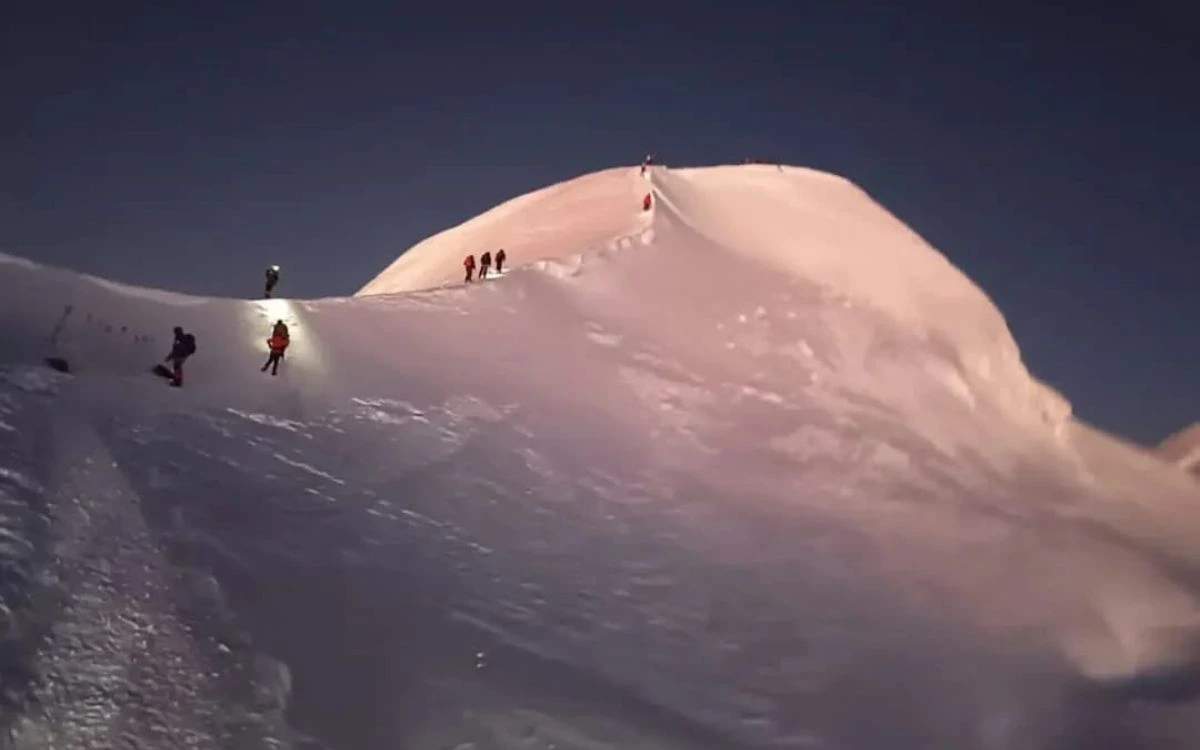
Climbers ascending Mera Peak's summit ridge before dawn
Mera Peak is physically demanding because of the long approach, cold temperatures, and summit day effort. Most itineraries include a summit push of 10 to 12 hours from High Camp, which requires stamina, mental focus, and calm movement.
Good Mera Peak fitness requirements include strong cardio, leg endurance, and the ability to hike for many hours with a pack. Training on steep hills, stairs, or long hikes helps a lot.
Mental strength matters too. The final climb can feel slow and tiring, especially when the temperature drops and the wind picks up. If you stay patient and move steadily, the climb becomes much more manageable.
Is Mera Peak Suitable for Beginners?
Although Mera Peak is regarded as a ‘beginner’ 6,000er, this does not mean it’s perfect for someone who hasn’t trekked before. It is more suited to a beginner with a good level of fitness and if they have trekked before at altitude.
For example, the candidate should have completed trips such as Langtang Valley Trek, the Annapurna Base Camp Trek (ABC), or longer hikes with a bit of elevation gain. This helps prepare the body for the trek and boosts the candidate's confidence.
If a person has never trekked at high altitudes before, has poor fitness, or has previously experienced difficulties at altitude, it would be wise to gain experience first before trying for a summit climb.
Many trekkers compare Mera Peak vs Island Peak difficulty. In general, Mera Peak is less technical than Island Peak climbing, but it is often longer and more altitude-heavy. That means Mera can feel harder physically even if it is easier technically.
Compared with Kilimanjaro, Mera Peak is more demanding because of glacier travel, colder summit conditions, and a more alpine environment. The mountain is also a stronger stepping stone if you want to progress toward bigger objectives later.
For trekkers who have already completed the Manaslu Circuit Trek or longer Himalayan routes, Mera Peak may feel like a natural next challenge. It sits in that space where trekking experience and basic mountaineering begin to meet.
Best Time to Climb Mera Peak
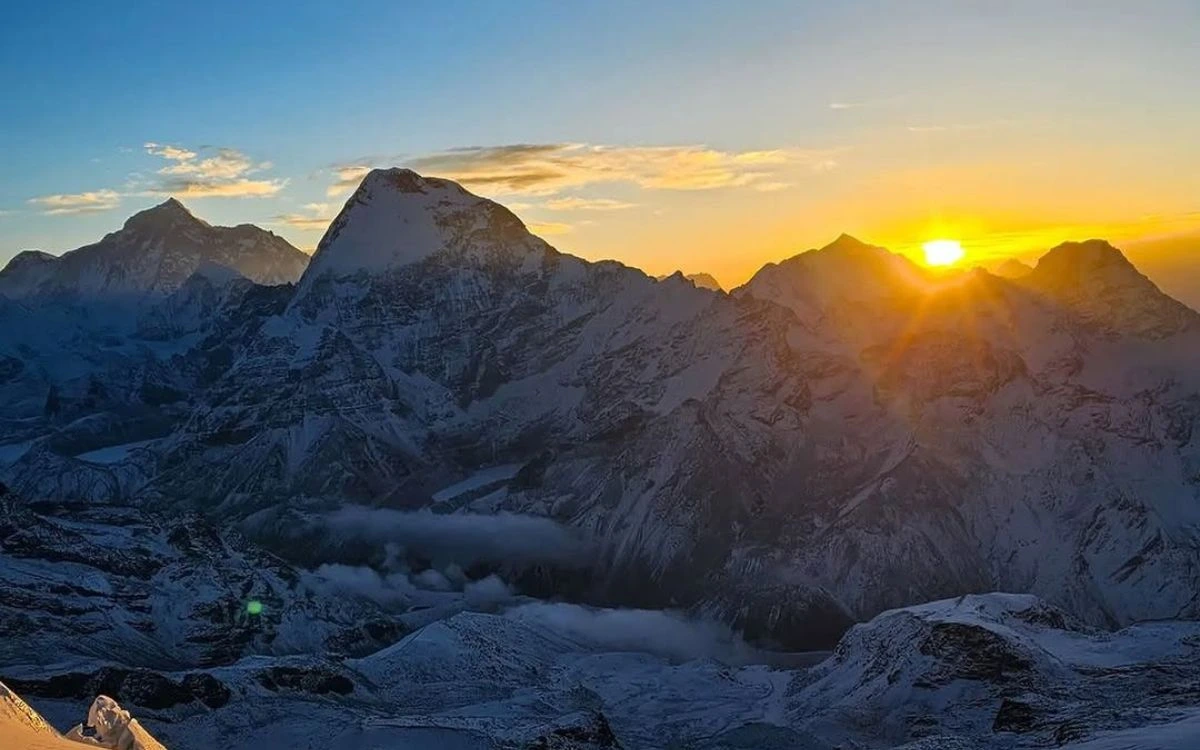
Sunrise over Everest and Himalayan peaks seen from Mera Peak
Typically, the most favorable seasons to ascend Mera Peak are in the spring, that is, from March to May, and autumn, which falls between September and November. These seasons provide climbers with favorable weather, good visibility, and safer conditions.
Climate has a large bearing on difficulty factors–– more than most individuals think. In spring, a soft and stable snow can be expected, while in autumn, uphill conditions are generally drier and clearer. If winter is cold, the monsoon brings bad visibility.
The costs of permits and logistics can also change throughout the climbing seasons; hence, it is best to plan your climbing period.
Common Risks and How to Reduce Them
The main risk on Mera Peak is altitude sickness. Symptoms can include headache, nausea, dizziness, poor sleep, and loss of appetite. In serious cases, climbers can develop more dangerous conditions, so acclimatization should never be ignored.
Other risks include glacier crevasses, sudden weather changes, and cold-related problems. These are manageable when you travel with an experienced guide, use proper equipment, and follow a sensible pace.
Before joining any peak climbing route, make sure you have travel insurance that covers high-altitude climbing. That simple step gives extra protection and peace of mind.
The average duration of climbing Mera Peak is anywhere between 15 and 18 days. This trip consists of trekking to the base camp, days set aside for acclimatization, and climbing to High Camp on the way to the summit.
The most challenging part of the trip is usually the summit day followed by the cold night at High Camp. This is the day when fatigue, altitude, and weather can cause movement to be very slow. It makes sense that an extended itinerary can lead to increased comfort and higher success rates because of more time for acclimatization.
If you are used to walking at a good pace during the Annapurna Base Camp Trek (ABC), you should keep in mind that Mera Peak is a different story. The distance may not seem huge, but altitude makes things much harder.
Training and Preparation for Mera Peak
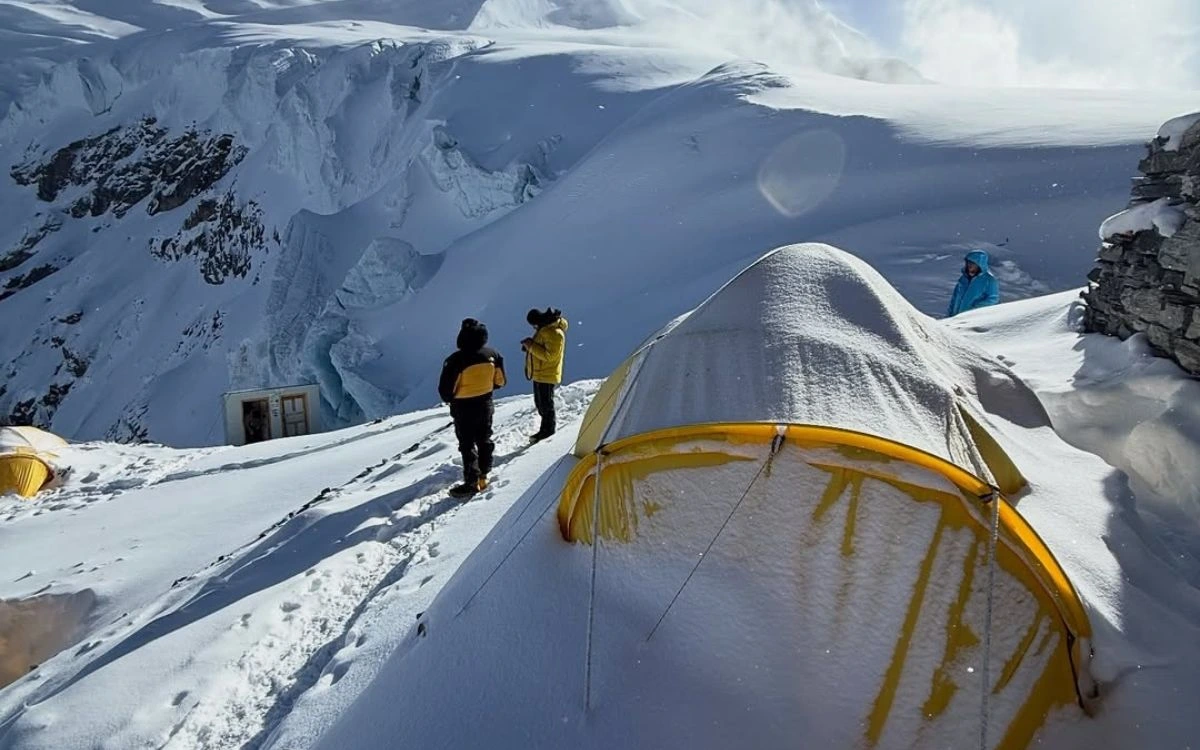
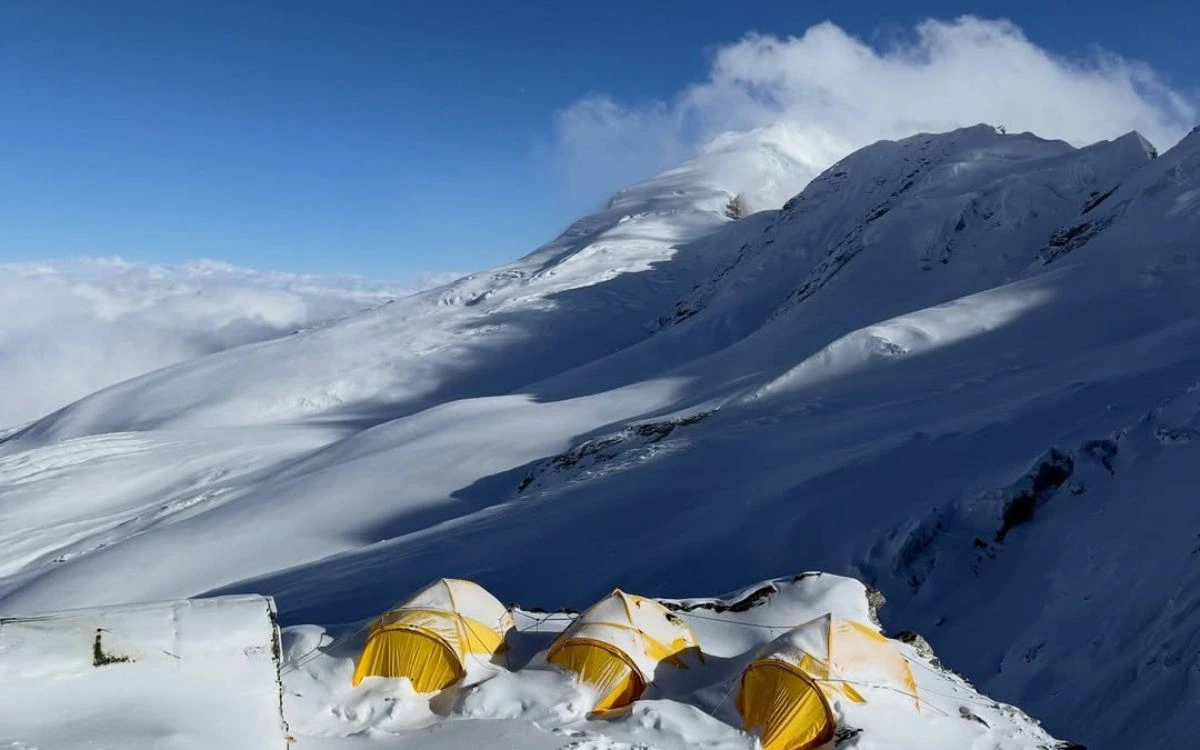
Snow-covered tents at high camp on the way to Mera Peak
Training should start at least 8 to 12 weeks before departure. Focus on hiking, stair climbing, running, cycling, and strength work for your legs and core. Carrying a backpack during some training hikes is also very useful.
If possible, do some higher trekking before your Mera Peak expedition. Prior exposure to altitude can make a real difference in comfort and confidence.
Your gear also matters. Warm layers, quality boots, gloves, a good sleeping bag, and simple climbing equipment help you stay safe and efficient. Good preparation does not remove the challenge, but it makes the climb much more controlled.
FAQs: Mera Peak Climbing Difficulty
Is Mera Peak hard to climb for a regular trekker?
Yes, Mera Peak is physically demanding, but it is considered technically straightforward for an experienced trekker. Sitting at 6,476 meters (21,247 feet), its main challenge is severe high altitude and endurance rather than technical mountaineering skills. A fit trekker with strong cardiovascular endurance and proper high-altitude acclimatization can successfully climb it.
Can a beginner climb Mera Peak without prior mountaineering experience?
Yes, beginners can climb Mera Peak without any prior mountaineering expertise. Designated as a "trekking peak" with an Alpine grading of PD (Slightly Difficult), the route mostly involves non-technical snow walking using crampons, an ice axe, and a harness on a fixed rope near the summit. However, solid trekking experience (like multi-day high-altitude hikes) is strongly recommended.
What is the success rate on Mera Peak?
The overall summit success rate for Mera Peak is between 70% and 90%. Success depends largely on weather conditions, choosing a 16-to-21-day itinerary with adequate acclimatization days, and maintaining proper pacing during the summit push.
How dangerous is Mera Peak?
Mera Peak is considered one of the safest 6,000-meter peaks in Nepal, but it still carries inherent high-altitude risks. Key hazards include Acute Mountain Sickness (AMS), freezing temperatures, crevasse navigation on glaciers, and severe weather changes. These risks are significantly reduced by climbing with licensed Sherpa guides, using ropes on glacier crossings, and allowing enough time for acclimatization.
Is Mera Peak harder than Kilimanjaro or Island Peak?
Mera Peak is higher and colder than Mount Kilimanjaro but less technically demanding than Island Peak:
Compared to Kilimanjaro (5,895 m): Mera Peak is nearly 600 meters higher, requires basic glacier gear (crampons/ice axe), and involves colder alpine conditions, making it overall more physically taxing.
Compared to Island Peak (6,189 m): Mera Peak is higher (6,476 m) but technically easier, as Island Peak requires steep ice wall climbing and ascents on fixed ropes.
Conclusion
Mera Peak climbing difficulty is moderate on the technical side but demanding because of altitude, weather, and the long summit day. With good fitness, proper acclimatization, and the right season, it becomes a rewarding and achievable Himalayan goal.


-1.webp)


 based on 3 reviews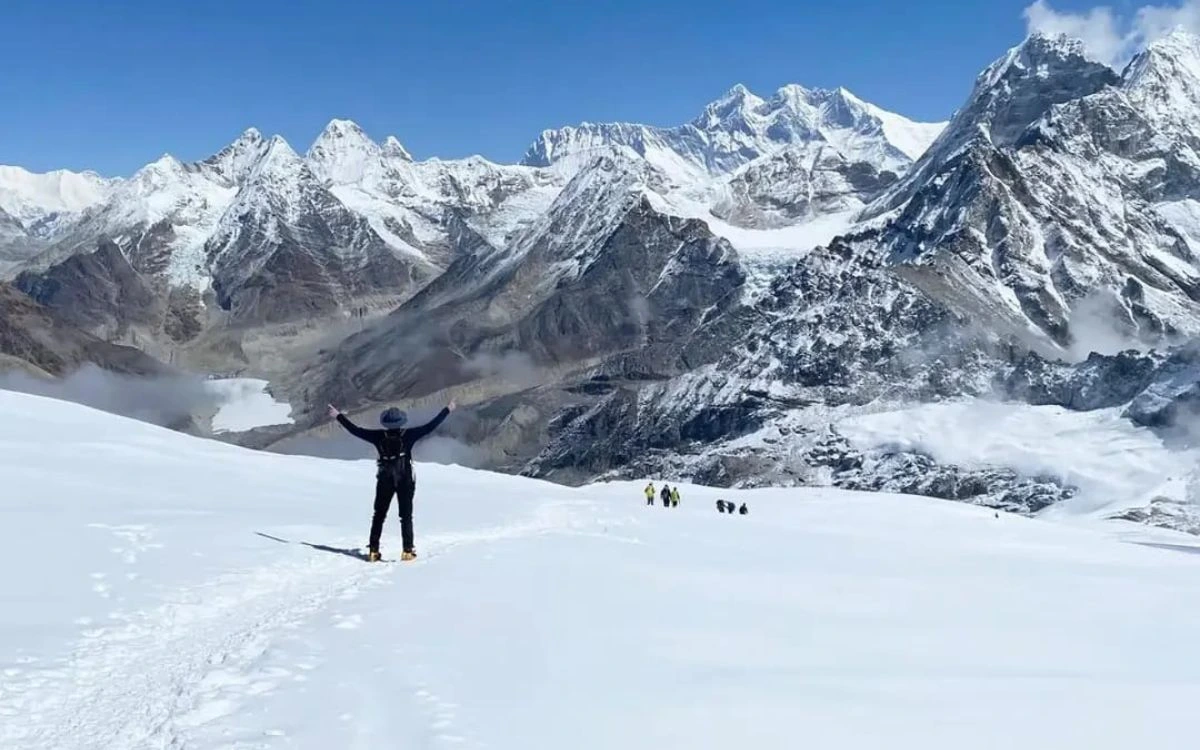



-1.webp)
-1.webp)
-1.webp)