Your experience on the Mardi Himal trek in Nepal's Annapurna region can be extraordinary if you choose your trek at the proper time. This unique hiking opportunity provides incredible views of the Machapuchare (Fishtail Peak) and other peaks of the Himalayas. However, you will encounter different weather conditions depending on when you hike. You can look forward to clear mountain views and stable weather in October, vibrant rhododendron blooms in springtime, and "peaceful" (and inexpensive) solitude in the winter months. Each season provides a unique trek experience.
This seasonal guide will help you prepare for your Mardi Himal trek. This guide will give you detailed weather patterns, temperature ranges, crowd levels, costs, and cultural opportunities for each season. For example, October has the best mountain views, while the monsoon season is advantageous for budget hikers. Also, we will let you know the season that is best for your priorities, whether you want guaranteed mountain views, flowering foliage, financial savings, or quiet hiking trails. In addition, we will provide you with the necessary information on permits, altitude safety, seasonal packing lists, and the value of local guides so that you can select the best hiking season for your skill level, budget, and adventure goals.
Best Time to Trek Mardi Himal
Ideal Months at a Glance:
Peak Season: October-November and March-May
Best overall: October for clear visibility and great weather
Budget: January-February and June-August
Photography: March-April for rhododendrons; October-November for mountain clarity
Less Crowds: December-February
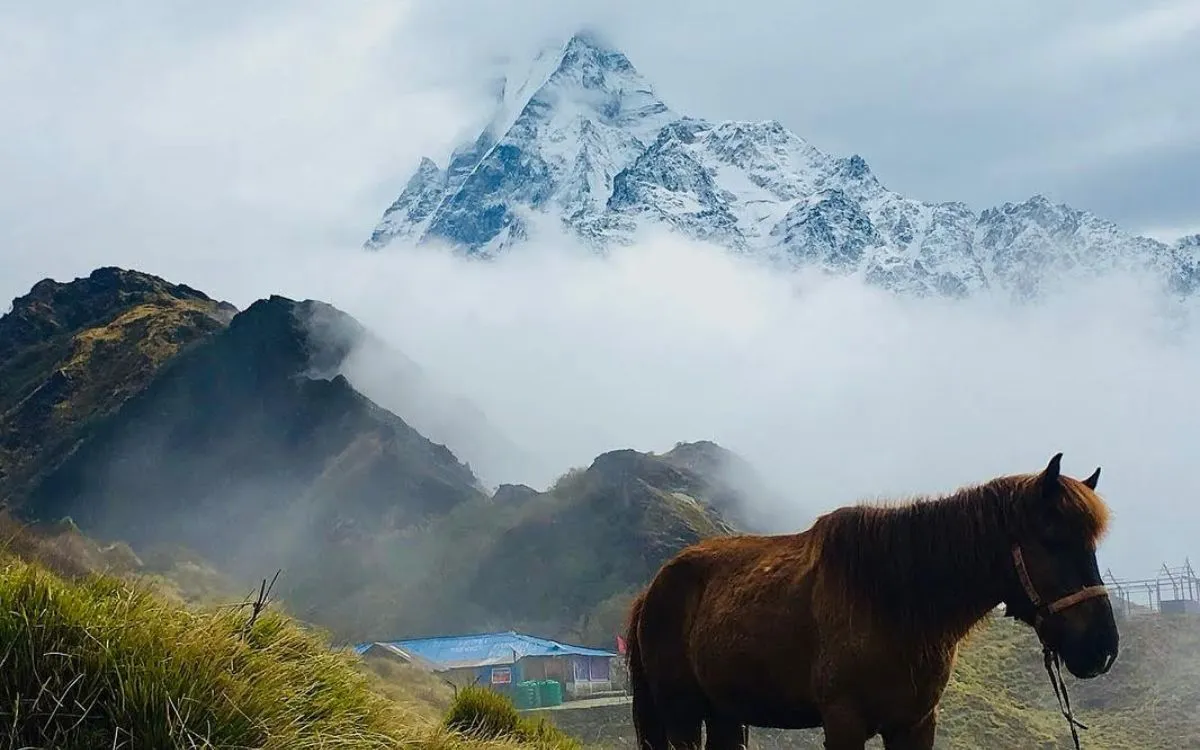
A horse grazes beneath the towering peak of Mardi Himal
The ideal month to embark on a Mardi Himal Trek is typically October, which offers an excellent combination of clear skies, comfortable temperatures, and outstanding mountain visibility following the post-monsoon season.
Why Timing Matters for Mardi Himal Trek
Selecting the best time for your Mardi Himal trek can significantly influence your overall trekking experience. Weather conditions vary dramatically throughout the year, affecting trail accessibility, mountain views, accommodation availability, and overall trekking conditions.
Nepal experiences well-defined seasons, determined mainly by monsoons and altitude variations. The Mardi Himal trek traverses diverse altitude zones, creating distinct seasonal characteristics. Understanding these patterns helps you align your trek with your priorities—whether that's optimal weather, blooming rhododendrons, avoiding crowds, or finding budget-friendly options.
The importance of timing becomes even more critical when considering the varying ecosystems you'll encounter, from subtropical forests to alpine meadows. Each season offers unique advantages and challenges that can shape your entire adventure.
Understanding the altitude profile helps you prepare for seasonal weather variations:
Mardi Himal Base Camp: Approximately 4,500 meters (14,764 feet)
High Camp: Approximately 3,580 meters (11,745 feet)
Starting Point (Kande/Phedi): Around 1,400-1,700 meters
Weather conditions change rapidly above 3,000 meters. Temperature drops roughly 6°C for every 1,000 meters of elevation gain. Choosing the right season significantly reduces the risks of snow closure, poor visibility, and altitude-related challenges. The thin air at higher elevations means cold temperatures feel more intense, making proper gear selection crucial for your chosen season.
Season-by-Season Breakdown
Spring (March-May): Rhododendron Blossoms & Clear Skies
Spring ranks among the best times for the Mardi Himal trek, transforming the landscape into a natural garden with red, pink, and white rhododendrons covering the hillsides. Temperatures at higher altitudes range from 8°C to 18°C during the day, creating comfortable hiking conditions. March typically provides the clearest Himalayan views, while April and May showcase spectacular flower displays.
With approximately 11-12 hours of daylight, you'll have ample time for photography and exploration. While trails become busier and costs increase during this period, the stable weather, dry trails, and perfect balance of adventure and accessibility make it worthwhile for most trekkers. Similarly, the Annapurna Circuit Trek experiences its most favorable conditions during these months, with trekkers enjoying clear passes and moderate temperatures throughout the circuit.
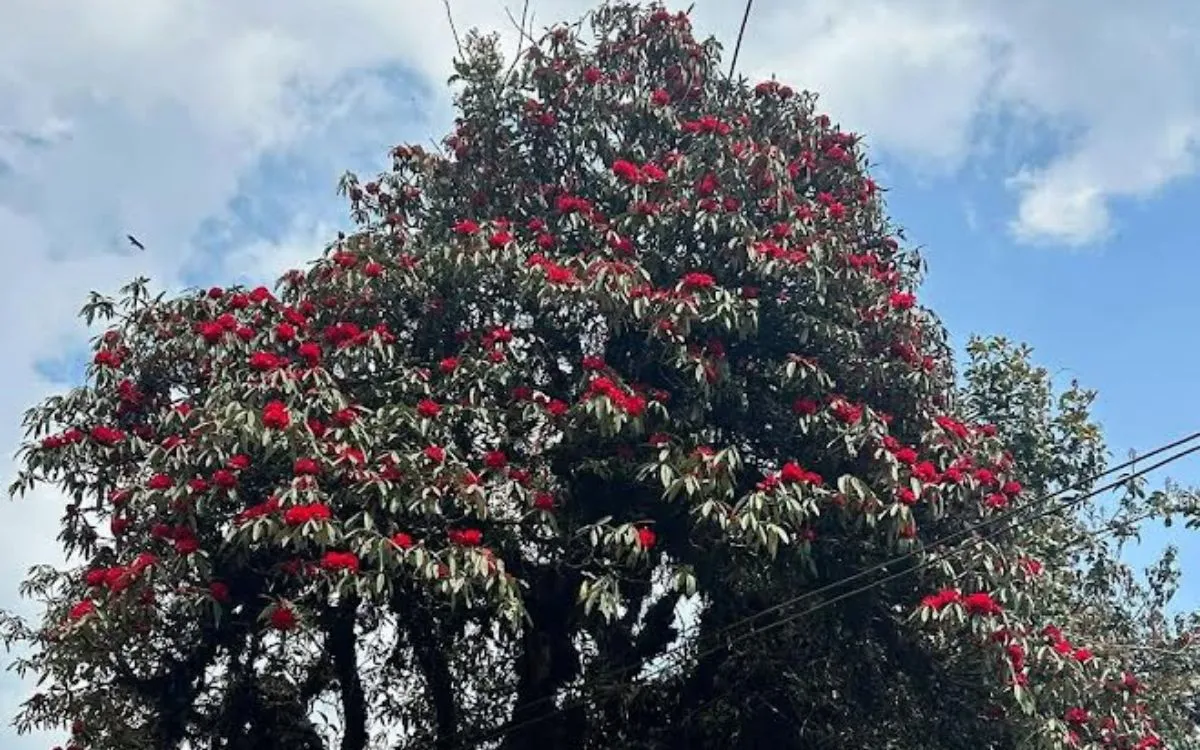
Spring rhododendrons bloom along the trek route
Summer/Monsoon (June-August): Greenery but Rainy Trails
The monsoon season suits budget travelers and those who appreciate solitude. Accommodation and guide service costs decrease by up to 50% compared to peak season. The landscape transforms with lush vegetation, cascading waterfalls, and abundant wildflowers.
Temperatures remain comfortable (12°C to 22°C at mid-elevations), but trekkers should prepare for frequent afternoon showers, muddy and slippery trails, and comprehensive waterproof gear. Mountain views depend heavily on cloud conditions, though you'll experience an intimate connection with nature on nearly empty trails. This season appeals to experienced trekkers who value cost savings and the unique monsoon experience over guaranteed mountain panoramas. The Langtang Valley trek also sees fewer visitors during monsoon, offering a peaceful alternative for those seeking solitude in Nepal's Himalayas.
Autumn (September-November): Best Weather
Autumn represents the premier trekking season with crystal-clear skies, reliable weather, and magnificent views of Annapurna and Dhaulagiri. Post-monsoon air clarity creates exceptional visibility, while temperatures at high altitude (6°C-16°C) remain ideal for trekking. October stands out as the finest month, offering stable weather and stunning views.
Bright sunny days often coincide with the Dashain and Tihar festivals, adding cultural richness to your trek. As the busiest trekking season, trails and teahouses fill quickly, making booking essential. Coordinating through established local operators ensures smooth accommodation arrangements. While costs peak during this period, the unrivaled mountain clarity, safe trail conditions, and exceptional overall experience justify the investment. This is also when Everest Base Camp sees its highest number of trekkers, with climbers and adventurers from around the world taking advantage of the stable weather and clear mountain views.
Winter transforms Mardi Himal into a snow-draped wonderland with far fewer trekkers, budget-friendly costs (approximately 60-70% less than peak season), and crisp air with brilliant mountain views on clear days. Temperatures at higher elevations can drop to -5°C or below, requiring proper winter gear and clothing layers.
Trekkers enjoy peaceful trails, dramatic snow-covered landscapes, and enhanced photography opportunities. Some teahouses operate with limited services, and weather can delay itineraries, but for well-prepared adventurers, winter offers raw adventure, unparalleled tranquility, and a rare Himalayan experience when the mountains wear their pristine white coat. For those seeking shorter winter treks with similar peaceful conditions, the Poon HillTrekprovides an excellent 3-4 day alternative with spectacular sunrise views over the Annapurna range.
Mardi trek in winter
Best Month for Mardi Himal Trek
After evaluating all seasons, October emerges as the optimal choice for most trekkers.
Why October excels:
Perfect weather balance: Comfortable hiking temperatures, neither too cold nor too hot
Best visibility: Post-monsoon conditions reveal stunning mountain scenery
Stable conditions: Minimal rainfall and highly predictable weather
Cultural immersion: Major festivals like Dashain and Tihar occur during this period
Trail condition: Dry, well-maintained paths with established infrastructure
Alternative excellent months:
March: Second-best option with strong visibility and emerging spring colors
November: Excellent weather, though slightly colder than October
April: Outstanding rhododendron season, though temperatures rise toward the month's end
These months provide the best balance of weather stability, visibility, and overall trekking conditions. For experienced trekkers looking for more challenging high-altitude adventures during these optimal months, the Manaslu Circuit trek offers a remote and culturally rich alternative with similar weather patterns and fewer crowds than the more popular routes.
Regardless of when you trek, you'll need these permits:
ACAP (Annapurna Conservation Area Permit): Required for all trekkers
TIMS Card (Trekkers' Information Management System): Mandatory for independent and organized trekkers
Permit requirements remain consistent across all seasons. Working with a local trekking agency simplifies the permit process, ensures proper documentation, and provides expert guidance on seasonal considerations. Permits support conservation efforts and local community development in the Annapurna region.
Seasonal Packing List
Spring/Autumn (March-May, September-November)
Layered clothing system (base, mid, outer layers)
Light to medium down jacket
Trekking poles for stability
Sun protection (hat, sunglasses, sunscreen)
Quality trekking boots (broken in)
Sleeping bag rated to -5°C
Water purification system
First aid kit with altitude medication
Winter (December-February)
Heavy down jacket (rated to -20°C)
Thermal base layers (top and bottom)
Insulated trekking pants
Winter gloves and liner gloves
Warm beanie and balaclava
Crampons or microspikes (depending on conditions)
4-season sleeping bag
Hand and toe warmers
Monsoon (June-August)
Waterproof rain jacket and pants
Rain cover for backpack
Waterproof trekking boots with good grip
Quick-dry clothing
Extra pairs of socks
Waterproof stuff sacks for electronics
Gaiters for muddy sections
Trekking umbrella (optional but useful)
Why Trek with a Local Guide (Especially by Season)
Professional guidance becomes increasingly valuable depending on seasonal conditions:
Late February: Improving weather with winter landscapes
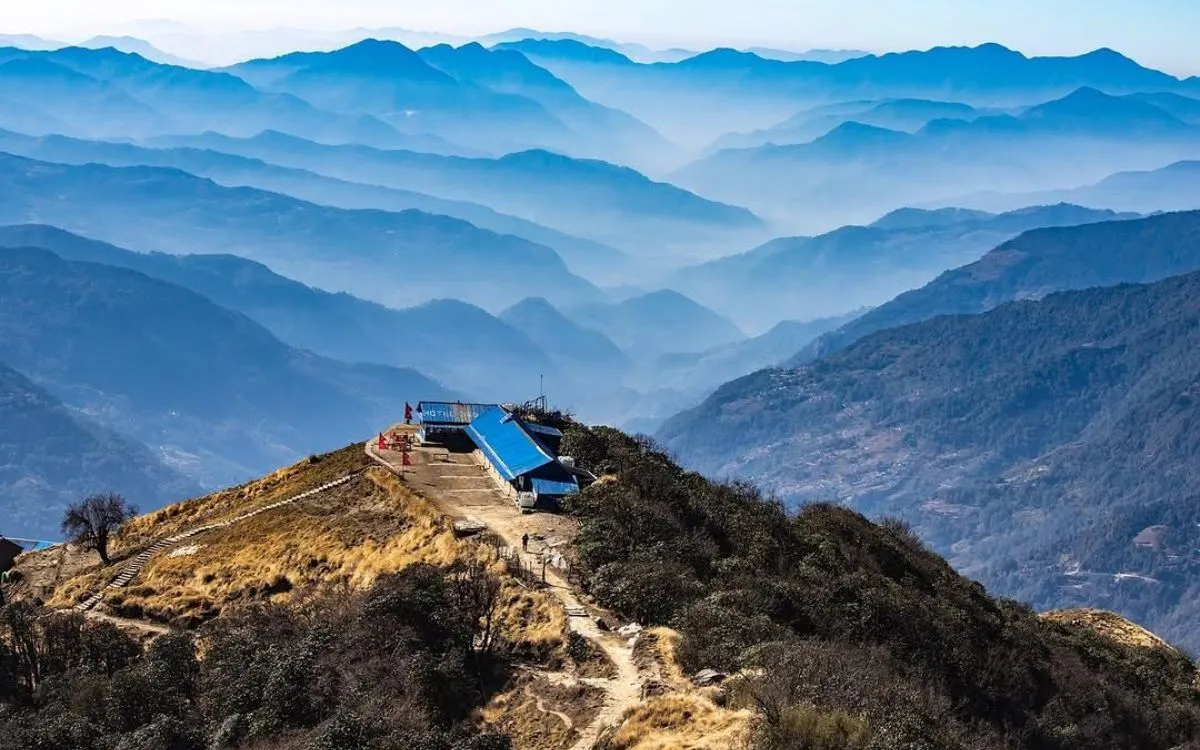
Trekking lodge nestled among the misty ridges of Mardi Himal
Crowd Preference
For solitude seekers:
December-February: Fewest trekkers on the trail
June-August: Low tourist numbers despite the monsoon
Early March: Minimal crowds before spring rush
For social trekking experience:
October-November: High chance of meeting fellow trekkers
April-May: Active trail community
September: Post-monsoon recovery with growing crowds
FAQs
What is the best time to trek Mardi Himal for beginners?
October and March are ideal for beginners, offering stable weather, good visibility, clear trails, and moderate temperatures. These months provide the most forgiving conditions for less experienced trekkers.
Can I trek Mardi Himal in winter?
Yes, winter trekking is possible but requires prior high-altitude experience, proper winter equipment, and ideally a professional guide to navigate snow conditions and make weather-related decisions safely.
How does the monsoon affect the Mardi Himal trek?
Monsoon brings heavy afternoon rainfall, limited mountain visibility, muddy and slippery trails, and increased landslide risk. However, with proper preparation and waterproof gear, experienced trekkers can still complete the trek successfully.
What is the temperature range during peak season?
During October-November, expect 6°C to 16°C at high elevations and 10°C to 20°C at mid-elevations during the day. Nighttime temperatures drop significantly, potentially reaching 0°C or below at Base Camp.
Should I book in advance?
During peak seasons (October-November, March-May), booking for accommodation, guides, and permits is highly recommended. Off-season trekking allows more flexibility with last-minute arrangements.
What equipment is essential for seasonal trekking?
Spring/Autumn requires standard trekking gear with layered clothing. Winter demands specialized cold-weather equipment, including heavy down jackets and potential crampons. Monsoon requires comprehensive waterproof gear and boots with excellent traction.
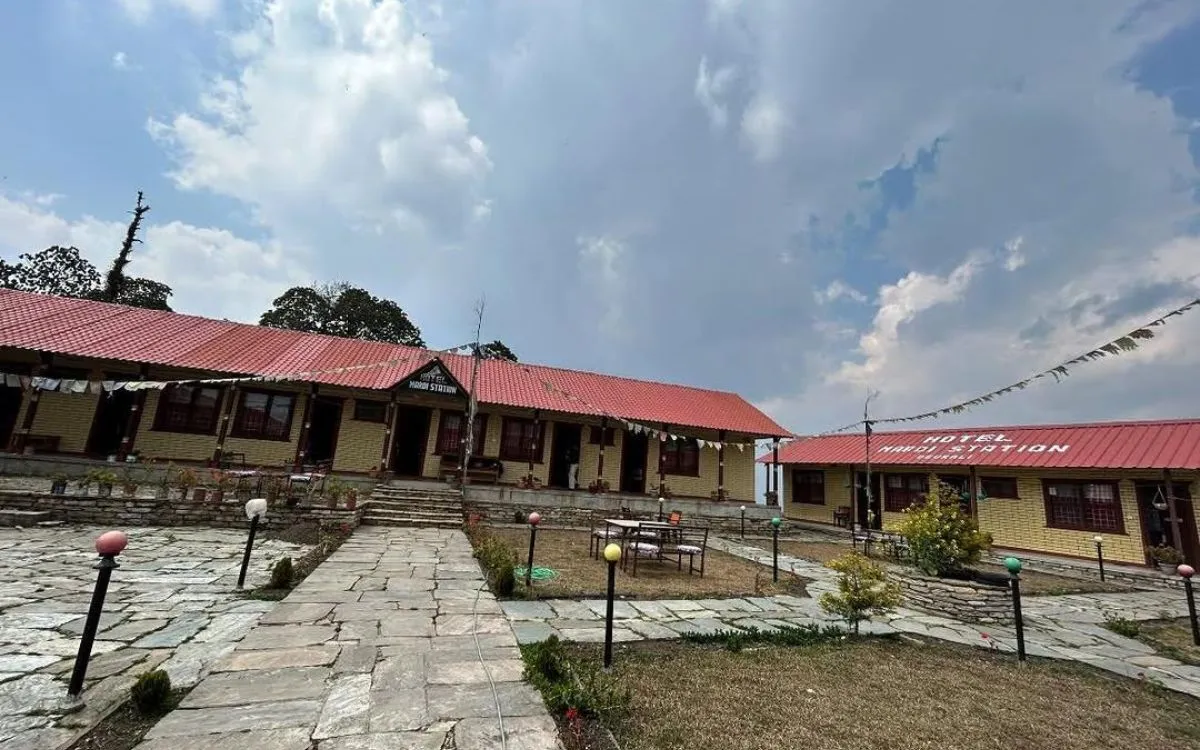
Traditional mountain hotel serves trekkers en route to Mardi Himal
Is the Mardi Himal trek open all year?
Yes, the trek remains accessible year-round, though winter months may see temporary closures at higher elevations due to heavy snowfall. Always check current conditions before departure.
Which season is best for solo trekkers?
October and March-April work well for solo trekkers, offering good weather and enough trail traffic for safety while still providing independence. Hiring a guide is recommended for the winter and monsoon seasons.
Is Mardi Himal suitable for beginners in winter?
Winter trekking is not recommended for beginners due to extreme cold, technical snow conditions, and limited services. Beginners should choose the spring or autumn seasons for their first Himalayan trek.
How crowded is Mardi Himal compared to Poon Hill?
Mardi Himal remains significantly less crowded than Poon Hill throughout most seasons. Even during the peak October-November period, you'll encounter fewer trekkers, though advance teahouse booking is still advisable.
Conclusion
The best time to trek Mardi Himal ultimately depends on your personal preferences, experience level, and trekking goals. While October offers the most reliable conditions for the majority of trekkers, every season provides unique advantages that can create a memorable Himalayan adventure.
For first-time visitors to Nepal, early autumn (October-November) provides the most dependable conditions with excellent mountain views and comfortable temperatures. Experienced trekkers might find winter's solitude or late spring's floral displays equally rewarding. Regardless of your chosen season, proper preparation, quality gear, and experienced local guides significantly enhance both enjoyment and safety.
Weather conditions change rapidly in high-altitude environments, making flexibility in planning essential. Consider your priorities: if uninterrupted mountain views matter most, prioritize late September through October; for spectacular rhododendron displays, target March through April; for solitude and adventure, embrace the winter months of January and February. To plan Your Mardi Himal Trek, Reach out us atHimalayan Recreation in Nepal for the exclusive trekking service.


-2.webp)




-6.webp)

-6.webp)