Planning a trek in the Everest region and stuck between the Everest Base Camp vs. the Gokyo Lakes Trek? You are not alone. Both of these iconic Himalayan treks attract thousands of adventure lovers every year, and both promise once-in-a-lifetime experiences deep in the Khumbu region of Nepal. Whether you dream of standing at the foot of the world's tallest peak or gazing at shimmering glacial lakes from a high ridge, the Everest region delivers on every front. This blog breaks down both treks in detail — covering routes, difficulty, cost, views, crowds, and more — so you can make the right choice for your trekking goals. If you are exploring trekking in Nepal, the Everest region sits at the top of every serious trekker's bucket list.
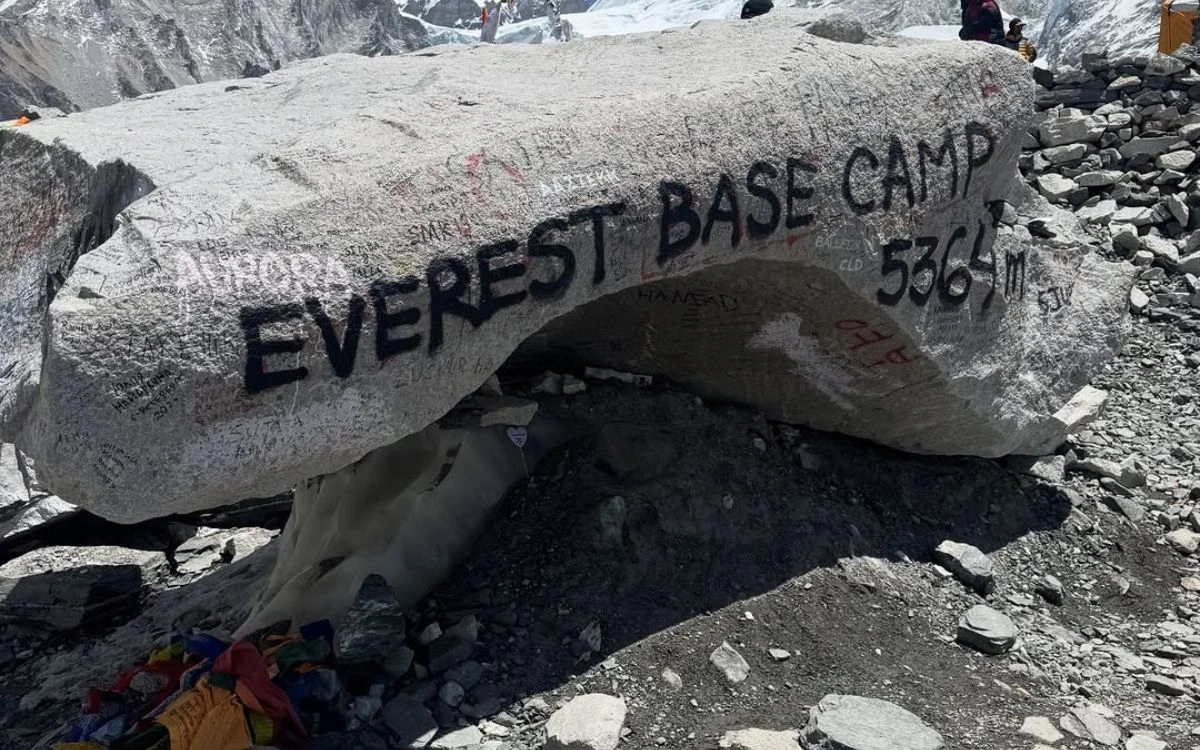
The iconic Everest Base Camp boulder painted with the altitude 5,364m on the Khumbu Glacier
Nepal is home to some of the world's most rewarding trekking routes. From the legendary Everest Base Camp Trek to the breathtaking Annapurna Circuit Trek, the country offers trails that cater to every fitness level and interest. The Gokyo Lakes Trek is one such hidden gem that continues to gain global recognition as a premier alternative to the Everest Base Camp Trek.
Everest Base Camp vs Gokyo Lakes Trek: Quick Comparison
Here is a side-by-side overview of both treks to help you understand the key differences at a glance:
Feature
Everest Base Camp Trek
Gokyo Lakes Trek
Duration
12–14 days
10–12 days
Max Altitude
5,364 m (Kala Patthar)
5,357 m (Gokyo Ri)
Difficulty
Moderate to Strenuous
Moderate to Strenuous
Crowd Level
High
Low to Moderate
Best Views
Everest Base Camp & Kala Patthar
Gokyo Ri panorama & Glacial lakes
Approx. Cost (USD)
$1,200 – $2,500
$1,000 – $2,200
Highlights
EBC, Kala Patthar, Namche Bazaar
Six glacial lakes, Gokyo Ri, Ngozumpa Glacier
Best For
Classic Everest experience
Solitude, lakes & panoramic views
Overview of the Everest Base Camp Trek
The Everest Base Camp Trek is arguably the most famous trekking adventure in the world. Starting with a scenic flight from Kathmandu to Lukla, the trail winds through the Sagarmatha National Park, passing through iconic Sherpa villages like Namche Bazaar, Tengboche, Dingboche, and Lobuche before reaching Everest Base Camp at 5,364 metres. The bonus highlight is a climb to Kala Patthar (5,545 m), where trekkers get the clearest and most dramatic close-up view of Mount Everest's summit.
Major Highlights
Trek to Everest Base Camp at 5,364 m alongside Khumbu Glacier
Sunrise view of Everest from Kala Patthar viewpoint
Cultural immersion in Namche Bazaar and Tengboche Monastery
Crossing suspension bridges draped with prayer flags
Interaction with the famous Sherpa community
The Everest Base Camp Trek is rated moderate to strenuous and takes around 12–14 days. It is suitable for physically fit trekkers with good endurance. First-time trekkers and seasoned adventurers alike love this journey for its cultural richness, dramatic scenery, and that irreplaceable feeling of standing at the base of Everest.
Overview of the Gokyo Lakes Trek
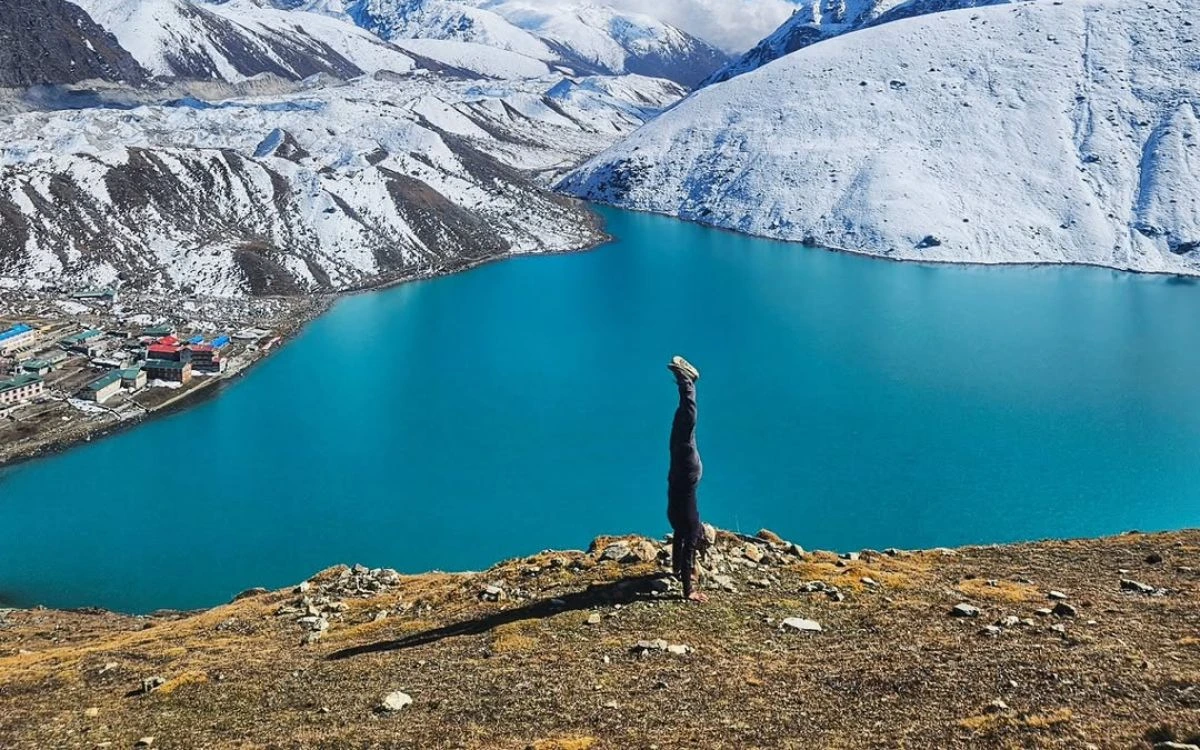
A trekker doing a handstand on a ridge overlooking the vivid turquoise Gokyo Lake and Gokyo village
The Gokyo Lakes Trek is a quieter but equally spectacular journey into the high Himalayas. This trail follows the Dudh Koshi River valley to the Gokyo Valley, passing through Dole, Machhermo, and the stunning series of six high-altitude glacial lakes. The crown jewel is Gokyo Ri (5,357 m), a summit that rewards trekkers with arguably the most breathtaking 360-degree panoramic views of Everest, Cho Oyu, Lhotse, and Makalu — four of the world's fourteen 8,000-metre peaks.
Highlights of Gokyo Lakes
Six stunning glacial lakes glitter at high altitude
Gokyo Ri summit for a sweeping Himalayan panorama
Views of the Ngozumpa Glacier — the largest glacier in the Himalaya
Peaceful, less-crowded trails ideal for nature and wildlife lovers
Authentic teahouse culture in small, welcoming Sherpa villages
The Gokyo Lakes Trek difficulty mirrors the EBC trail in terms of altitude and terrain. It is ideal for trekkers who want dramatic scenery, glacial landscapes, and solitude — without the peak-season crowds of the classic EBC route.
Everest Base Camp vs Gokyo Lakes Trek Route Comparison
Both treks begin with a flight from Kathmandu to Lukla. The Everest Base Camp Trek route follows the main Khumbu trail through Phakding → Namche Bazaar → Tengboche → Dingboche → Lobuche → Gorak Shep → EBC. The Gokyo Lakes Trek route branches off at Namche Bazaar and heads northwest through Dole → Machhermo → Gokyo Village → Gokyo Lakes → Gokyo Ri.
The EBC route follows a well-established and heavily trafficked trail. In contrast, the Gokyo route is quieter and passes through more remote terrain. Both trails are accessible via Lukla, making logistics similar for both routes. If you are considering the Everest trekking routes in Nepal, either of these trails offers an unforgettable experience through the Sagarmatha region.
Nepal also offers incredible trails beyond the Everest region. The Langtang Valley Trek is another rewarding route for trekkers who want to experience Himalayan scenery and Tamang culture with less altitude gain, making it a great stepping stone before attempting EBC or Gokyo.
Everest Base Camp vs Gokyo Lakes Trek Difficulty
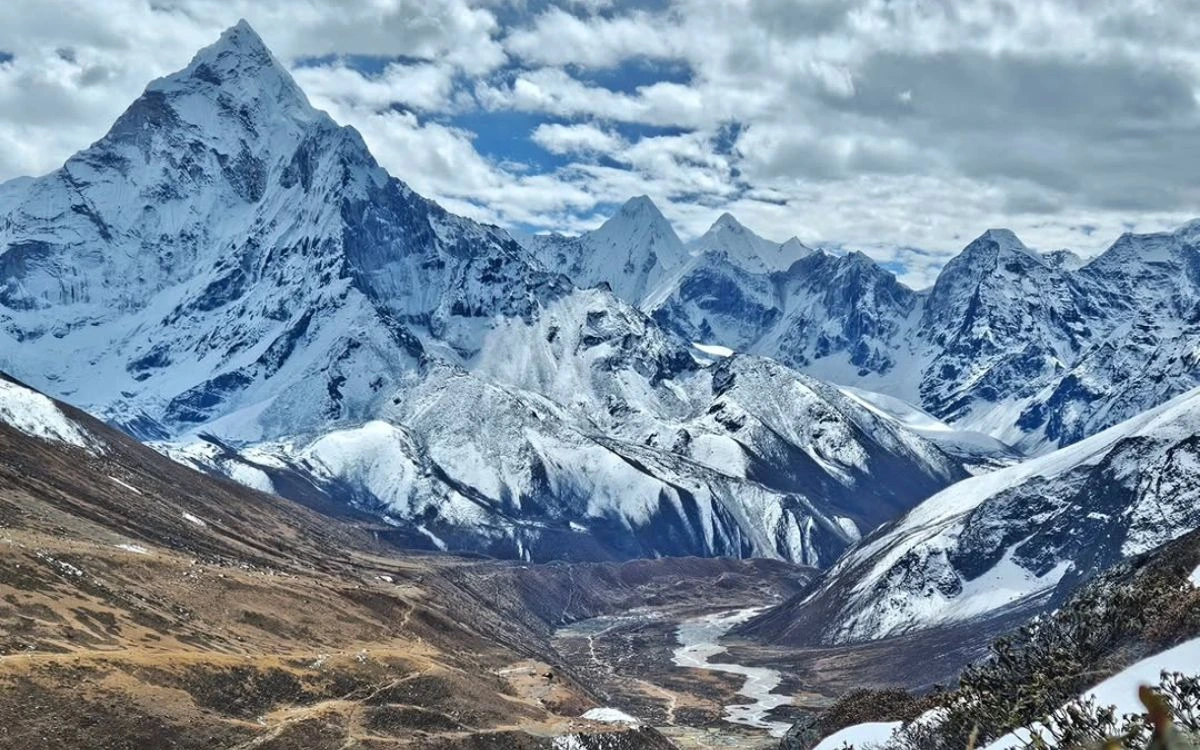
Ama Dablam and a row of Khumbu Himalayan peaks towering above a wide glacial valley in the Everest region
In terms of Everest Base Camp vs Gokyo Lakes Trek difficulty, both trails are rated moderate to strenuous. Neither requires technical climbing skills, but both demand good physical fitness, stamina, and a strong mindset to manage altitude.
Altitude Sickness Risks: Both treks push above 5,000 metres. Proper acclimatisation days at Namche Bazaar and other checkpoints are essential. Symptoms of Acute Mountain Sickness (AMS), such as headaches, nausea, and fatigue, must be taken seriously on both routes.
EBC: Gradual altitude gain; fewer steep ascents but more accumulated distance
Gokyo: Slightly fewer trail days; Gokyo Ri is a steep but shorter climb
Cho La Pass (if combining treks): The most technically demanding section at 5,420 m
For trekkers tackling the Annapurna Base Camp Trek or ABC as a warm-up, both EBC and Gokyo will feel like a natural progression in difficulty and altitude.
Scenery and Mountain Views: Which Trek Offers Better Landscapes?
This is where personal preference plays the biggest role in the Gokyo Lakes or Everest Base Camp debate.
Everest Base Camp delivers an emotional and symbolic payoff — standing at the foot of Everest amidst fluttering prayer flags and the rumble of the Khumbu Icefall is an experience unmatched in raw intensity. Kala Patthar delivers the best photographic view of Everest.
Gokyo Lakes wins on sheer visual variety. The six glacial lakes shift colour with the light, the Ngozumpa Glacier stretches for miles, and the summit of Gokyo Ri presents a 360° Himalayan canvas featuring four 8,000-metre giants. For photographers and nature lovers, the Gokyo Lakes Trek often comes out on top.
Meanwhile, adventure seekers exploring the Upper Mustang Trek enjoy a completely different landscape — the ancient walled kingdom of Lo and its dramatic desert plateaus offer a visual contrast that is utterly unique within Nepal's trekking repertoire.
The Gokyo Lakes Trek is slightly shorter, making it an attractive option for trekkers with limited time. However, combining both treks via the Cho La Pass requires 18–20 days and appeals to those who want the full Everest region experience.
Everest Base Camp Trek Cost vs Gokyo Lakes Trek Cost
When comparing the Everest Base Camp Trek cost vs the Gokyo Lakes Trek cost, both treks fall within a similar budget range:
Sagarmatha National Park Entry Permit: ~USD 30
TIMS Card: ~USD 20
Lukla flights (round trip): ~USD 350–500
Guide fees: ~USD 25–35/day
Porter fees: ~USD 20–25/day
Teahouse accommodation: ~USD 5–15/night
Meals on trail: ~USD 15–25/day
The EBC Trek cost ranges from USD 1,200 to 2,500, depending on the package type. The Gokyo Lakes Trek cost is marginally lower due to its shorter duration — typically USD 1,000–2,200. Budget trekkers can reduce costs by trekking independently, while luxury travellers can opt for premium lodge packages.
Accommodation and Food on Both Treks
Both treks rely on a teahouse (lodge) system with basic but comfortable accommodation. Rooms are simple — usually twin beds with blankets. Higher-altitude teahouses are more basic, while Namche Bazaar offers Wi-Fi, hot showers, and a wider food menu.
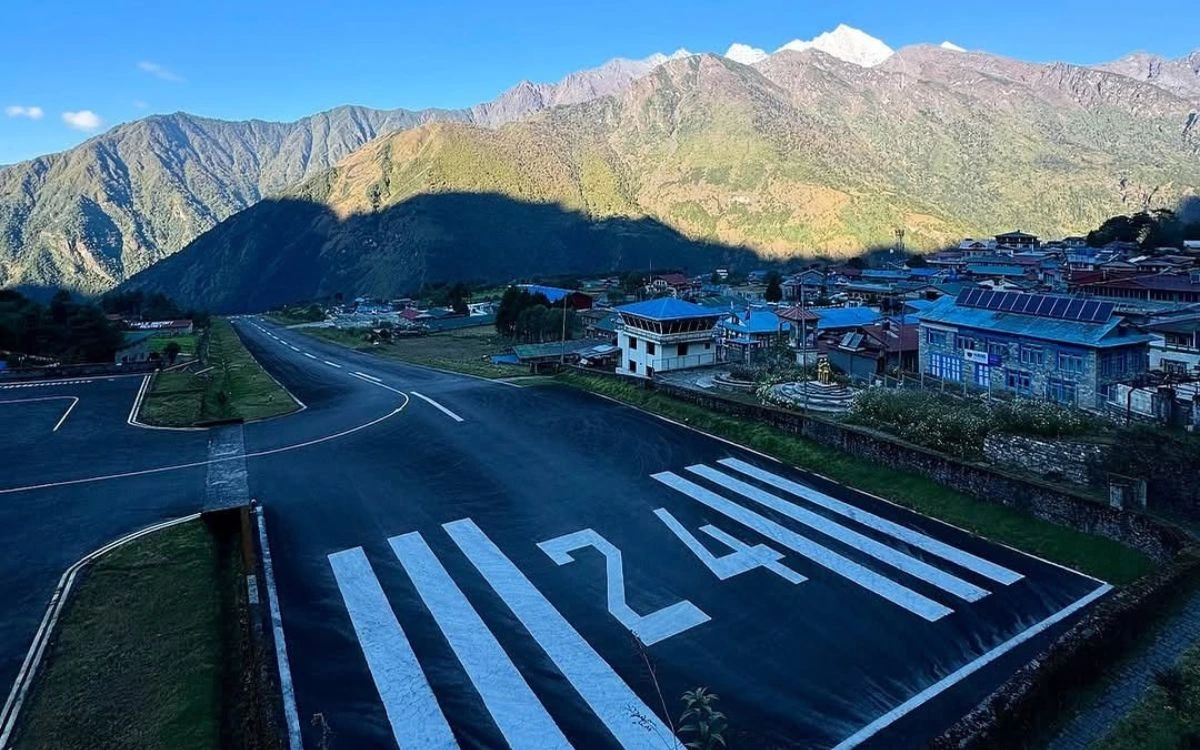
The famous Tenzing-Hillary Airport runway at Lukla with the Khumbu valley and mountains behind
Meals on both routes include dal bhat, pasta, noodle soups, eggs, and Tibetan bread. Charging fees for electronics applies at most teahouses above Namche. Internet access becomes limited above 4,000 m.
Crowds and Trekking Experience
The EBC route is one of the most walked trails in the Himalaya. During peak season (March–May and September–November), the trail can feel crowded, especially between Namche and Tengboche. For trekkers who value solitude, this can detract from the experience.
The Gokyo Lakes Trek attracts far fewer visitors. Trails beyond Dole are noticeably quieter, making this route far more peaceful. If you want a genuine wilderness experience in the Everest region, Gokyo delivers. The Everest Base Camp alternative trek label given to Gokyo is well-deserved — fewer crowds, equal altitude, greater visual diversity.
Altitude and Acclimatisation Comparison
Both treks peak above 5,300 metres. Proper acclimatisation is non-negotiable on the Everest Base Camp Trek and Gokyo Lakes Trek alike. The standard advice is "climb high, sleep low," and both itineraries include acclimatisation rest days — typically at Namche Bazaar (3,440 m) and Dingboche or Machhermo.
Stay hydrated and avoid alcohol above 3,000 m
Ascend no more than 300–500 m per day above 3,000 m
Carry Diamox (acetazolamide) as a preventive measure after consulting a doctor
Descend immediately if AMS symptoms worsen
Best Time for Everest Base Camp and Gokyo Lakes Trek
Spring (March–May) and Autumn (September–November) are the best seasons for both treks. Clear skies, stable weather, and excellent mountain visibility make these months ideal for photography and high-altitude climbing.
Winter trekking (December–February) is possible but extremely cold above 4,000 m. The monsoon season (June–August) brings heavy rain, leeches on lower trails, and limited mountain views, though teahouses remain open.
The Annapurna Circuit Trek follows a similar seasonal calendar, making it a popular alternative for trekkers who want a different region of Nepal during the same travel windows.
Everest Base Camp or Gokyo Lakes: Which Trek is Better for You?
Choose the Everest Base Camp Trek if you:
Want the iconic, bucket-list EBC experience
Love cultural richness — monasteries, Sherpa villages, prayer wheels
Want the best close-up photographic view of Everest from Kala Patthar
Are you a first-time trekker in the Everest region
Choose the Gokyo Lakes Trek if you:
Prefer quieter, less-crowded trails
Are passionate about photography and pristine glacial landscapes
Want a slightly shorter trek without compromising altitude or views
Value a broader mountain panorama over a single iconic viewpoint
Can You Combine Everest Base Camp and Gokyo Lakes Trek?
Absolutely — and many experienced trekkers do exactly that. The Everest Base Camp Trek via Gokyo Lakes combines both routes through the challenging Cho La Pass (5,420 m). This 18–20-day extended itinerary lets you experience the glacial lakes of Gokyo, the sweeping views from Gokyo Ri, and then cross the classic EBC trail via the high-altitude pass.
The combination is best suited for experienced trekkers with high fitness levels. It is the ultimate Everest region trekking guide option for those who refuse to compromise. Just as the Upper Mustang Trek rewards those willing to venture off Nepal's beaten trail, the combined EBC-Gokyo circuit rewards those who push beyond the standard routes.
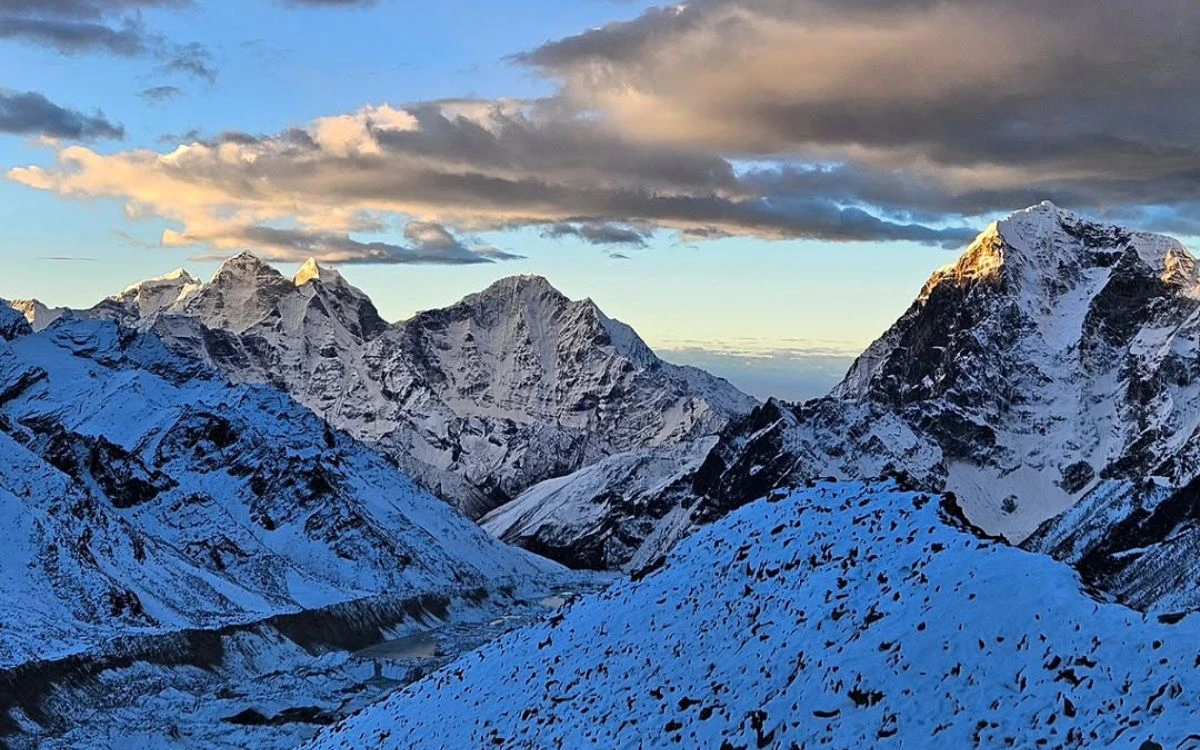
A dramatic sunrise over the snow-covered Mahalangur Himalayan range in the Khumbu region of Nepal
Expert Trekking Tips Before Choosing Your Everest Trek
Train for at least 8–12 weeks before departure — focus on cardio, leg strength, and endurance.
Pack light: moisture-wicking layers, a quality down jacket, trekking poles, and broken-in boots
Always hire a licensed guide through a registered trekking agency for safety and local expertise
Secure comprehensive travel insurance that covers high-altitude evacuation
Obtain all required permits: Sagarmatha National Park Permit and TIMS Card
For those new to Himalayan trekking, starting with Nepal's Langtang Valley Trek or the Annapurna Base Camp Trek before attempting EBC or Gokyo is a smart progression. Both are excellent introductory treks that build altitude confidence.
Frequently Asked Questions (FAQs)
Is the Gokyo Lakes Trek harder than the EBC?
Both are similar in difficulty. Gokyo involves fewer altitude gains, but the Cho La Pass variant is more demanding.
Which trek has better views?
Gokyo Ri offers a wider 360° panorama; Kala Patthar gives a direct view of Everest's summit.
Are the Gokyo Lakes less crowded?
Yes. Gokyo Lakes attract significantly fewer trekkers than the classic EBC route.
Can beginners do either trek?
Yes, with adequate fitness training and acclimatisation days, both treks are accessible to motivated beginners.
Which trek is more affordable?
The Gokyo Lakes Trek is slightly more budget-friendly due to a shorter duration and fewer teahouse nights.
Final Verdict: Everest Base Camp vs Gokyo Lakes Trek
The Everest Base Camp Trek wins for cultural immersion, iconic symbolism, and the raw emotion of reaching the foot of the world's highest peak. The Gokyo Lakes Trek wins for solitude, visual diversity, and a panoramic mountain experience that rivals — and in some ways surpasses — what EBC offers.
If you only trek once in the Everest region, your choice should reflect your priorities. Want history, culture, and the world's most iconic base camp? Choose EBC. Want serenity, glacial beauty, and a broader Himalayan canvas? Choose Gokyo. Have the time and fitness? Combine them both via Cho La Pass and experience the full grandeur of the Khumbu.
Conclusion
Both the Everest Base Camp Trek and the Gokyo Lakes Trek are world-class adventures that reward trekkers with unforgettable Himalayan memories. Whether you choose the classic trail to EBC or the serene path through Nepal's highest glacial lakes, you will return transformed. Nepal's trekking landscape — from the Annapurna Circuit Trek to the ancient trails of the Upper Mustang Trek — continues to inspire adventurers from every corner of the globe. Ready to take your first (or next) step in the Himalayas? Contact Himalayan Recreation Treks and Expedition today and let our expert team craft the perfect Everest adventure for you.


.webp)



-6.webp)
-1.webp)
-1.webp)