Nepal has become a destination known for scenic mountain ranges and mountaineering traditions. Experienced porters and guides have helped guide many trekking enthusiasts along the famous trails in the Himalayas for many years now. Professional guides and porters are the foundation of the business and the trekking industry of Nepal. They help carry equipment, provide local insight about the region, and offer safety to those who attempt to trek routes such as the Annapurna Base Camp or Annapurna Circuit. Their stories, combined with the entire history of mountain exploration, are preserved at the International Mountain Museum in Pokhara. The museum is a world-class facility that has been established to showcase and commemorate the bond between mankind and the Himalayas.
This article serves as a complete overview of the International Mountain Museum in Pokhara (one of the most rewarding sites to visit while in Pokhara) by including information about the numerous exhibits that focus on mountain climbing artifacts, the display of the cultural heritage of the Himalayas, as well as practical information for visitors such as hours of operation and ticket prices, to nearby attractions. This blog details the reasons why the International Mountain Museum is a "must-see" for anyone interested in mountain climbing. Whether you are planning a future trekking experience or just wish to learn more about the extraordinary mountain heritage of Nepal, learn about how the International Mountain Museum represents the spirit of the Himalayas.
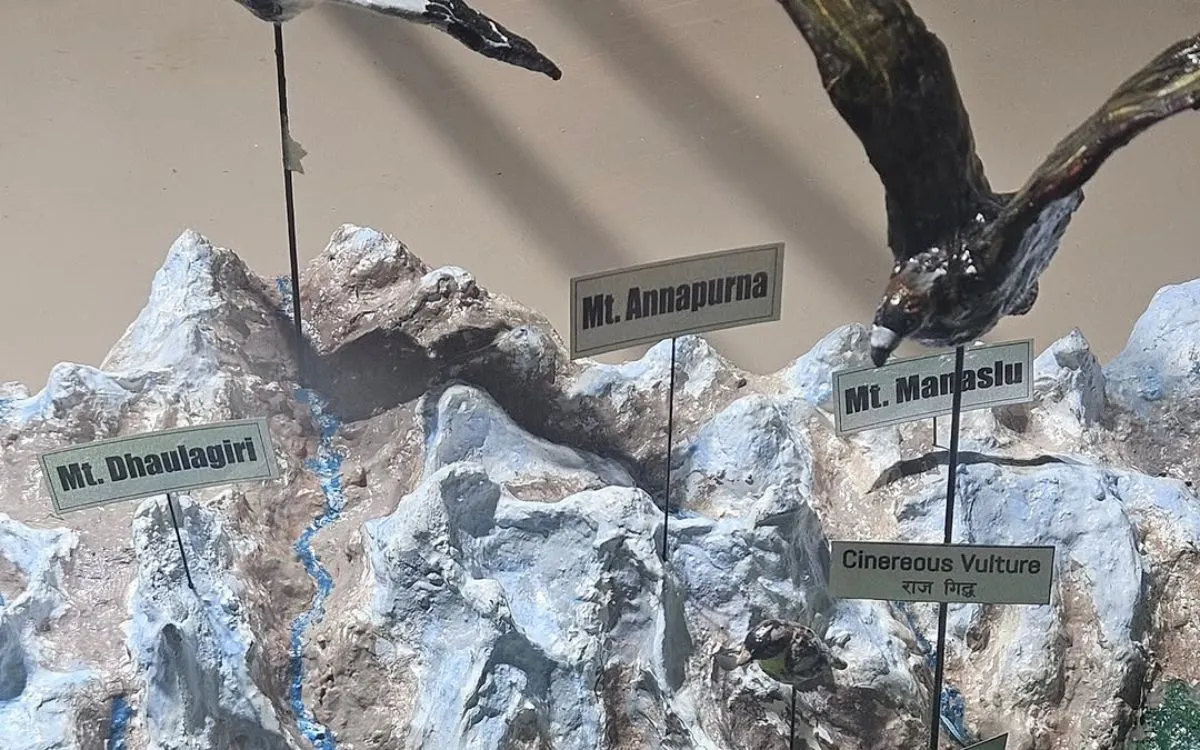
3D topographical model showing Mt. Dhaulagiri, Annapurna, and Manaslu peaks
Overview of the International Mountain Museum
The International Mountain Museum is located in Pokhara, Nepal. It is a museum dedicated to the Himalayan Mountains and people who have climbed them. The museum is a globally recognized centre of mountaineering and celebrates the mountains’ natural beauty, cultural diversity, and adventurous personality. Whether you are planning a trekking trip to Annapurna Base Camp or Everest Base Camp, or simply want to learn about Himalayan culture as a tourist, the museum will provide insight into these mountains that have captured the attention of mankind for centuries.
It is more than just a museum of mountaineering history; it also serves as an educational facility that illustrates the relationship between Mountaineering and the local communities who live there. In addition to seeing actual climbing equipment from early climbers, visitors will be able to learn about the indigenous culture of the people living in the mountains and understand the geological history of the region and how that has shaped the Himalayas as we see them today.
History and Background
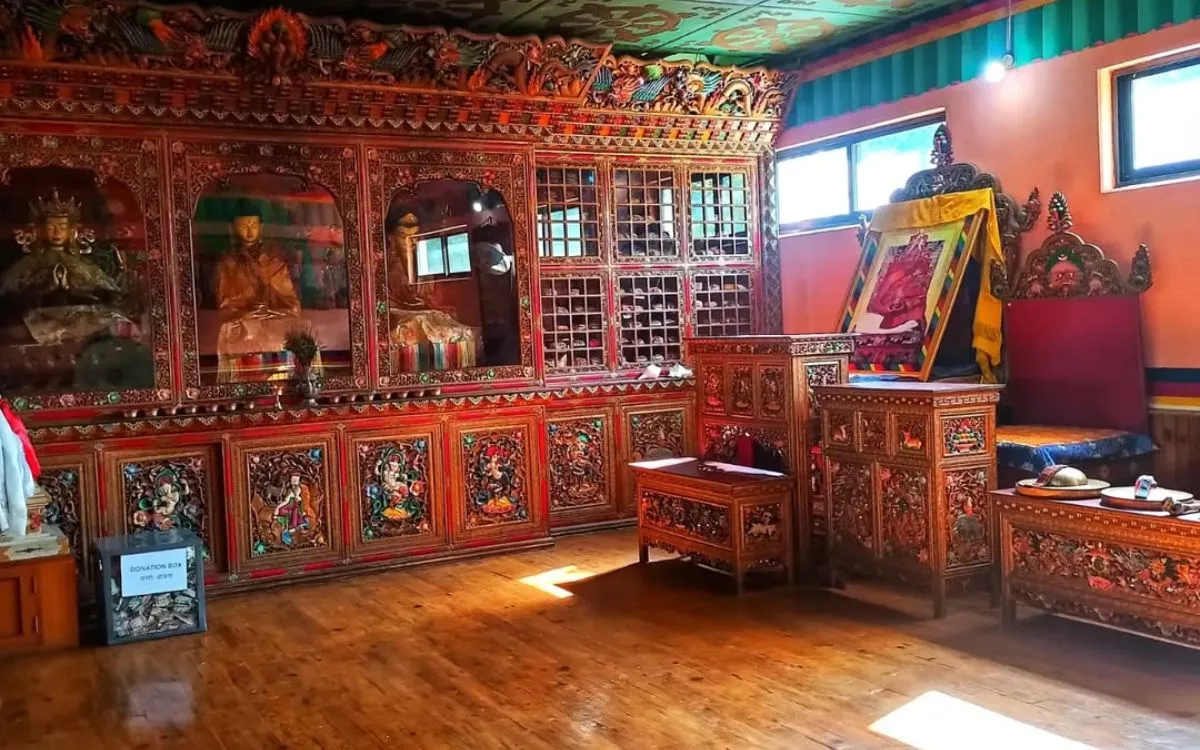
Ornate Tibetan Buddhist altar with carved woodwork in museum cultural exhibit
In 2004, the Nepal Mountaineering Association, with assistance from international mountaineering organizations, created the International Mountain Museum Pokhara to preserve and document the unique culture of Nepal's Himalayas. This museum specifically intends to recognize the contributions of the Sherpa guides and legendary climbers, upon whom the success of expeditions in the Himalaya depended, while at the same time preserving the rich heritage of mountaineering in Nepal.
It was during the beginning of a period of tremendous growth that Nepal's Mountaineering Industry was experiencing that the museum answered this need by providing an area where the stories of struggle, perseverance, and success within the mountains would continue to be documented into the future.
Since it was established, the museum has continued to develop into a complete institution addressing contemporary issues such as environmental changes impacting mountain areas, the need for sustainable tourism practices, while celebrating the history and achievements within mountaineering.
Location and How to Reach the Museum
The International Mountain Museum (IMM) has an excellent location along the Pokhara-Baglung Highway, located in the Ratopahiro area of Pokhara, about 2 km south of the Pokhara Airport, with exceptional views on clear days of the Annapurna mountain range.
You can get to the IMM by:
Taxi: a taxi will take you approximately 10-15 minutes from Lakeside Pokhara for a fare of around NPR 300-500,
Local Bus: Several local buses run from Pokhara to Baglung, stopping near the entrance to the IMM.
Bicycle/Motorbike: Many visitors rent bicycles or scooters to explore the area at their own pace. The IMM is a 20-minute ride from the Lakeside tourist district.
With its convenient location, the IMM is an ideal place to visit before trekking in the Ghorepani Poon Hill region or after returning from a trek or expedition.
Architecture and Museum Layout
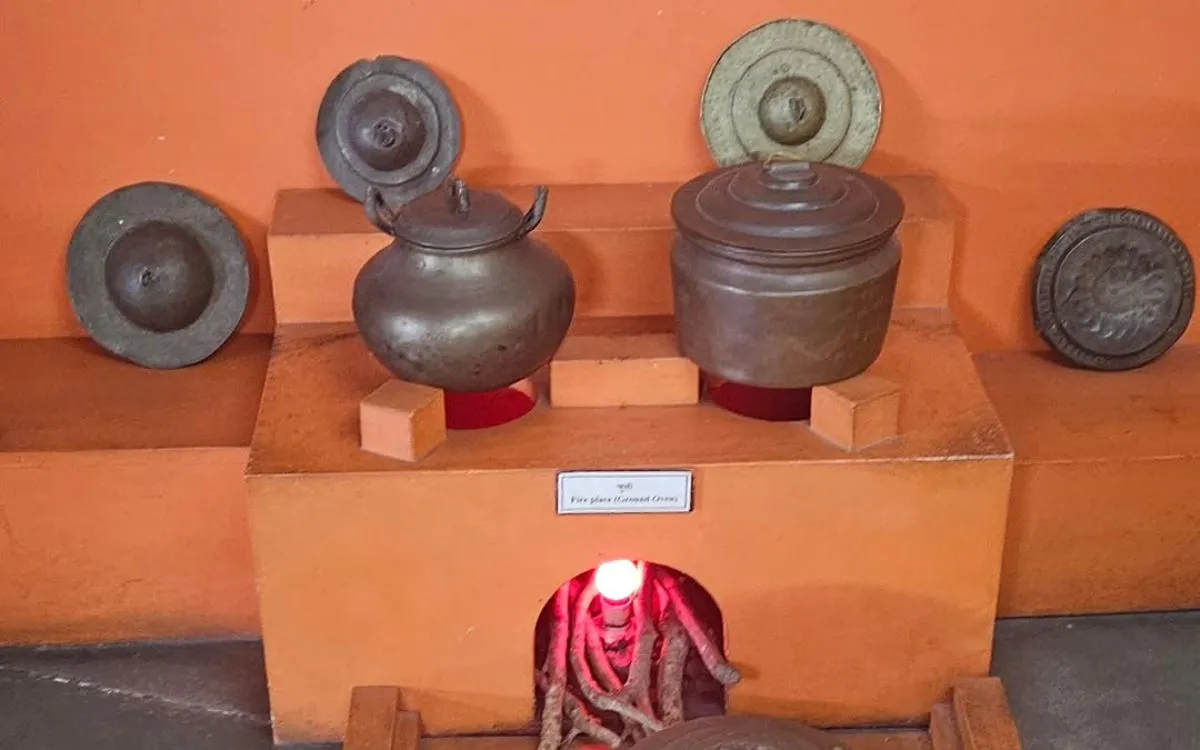
Traditional Nepali brass vessels and plates display at International Mountain Museum
The Mountain Museum Pokhara features an undulating design that emulates the "contour" of the Himalayan region. Rather than rigidly conforming to rectangular walls like many other museums worldwide, the building has beautiful stone walls and numerous Nepali architectural styles used in conjunction with contemporary museum design elements. The effect is one of harmony between the building and the mission of the museum in relation to the mountains. The museum is strategically located on a reasonably large footprint with several components. These components are outlined as follows: a wide variety of exhibits arranged into multiple exhibit halls; a large outdoor garden with full-size reproductions of several of the world's most notable peaks; a massive viewing area with panoramic mountain views from nearly every direction; a library that contains all mountaineering literature; and a dedicated area for administration and meetings. The museum is designed in a manner that allows each person visiting to flow through the various and distinct thematic zones. Each hall has been carefully planned and outfitted to provide an intense educational and immersive experience.
Major Exhibits and Galleries
Hall of the Great Himalayas
Located within the museum are several exhibits that detail how the Himalayan Mountains were formed, as well as their geological history. Visitors will learn about the process of how the Earth's plates collided, causing the Himalaya to slowly rise above sea level. They will also see 3D topographical models of many of the world's highest mountains, including Mount Everest, Annapurna, Dhaulagiri, and Manaslu, all of which are popular destinations for trekkers. The Everest Base Camp Trek and Annapurna Circuit are two of the most popular hiking routes in the Himalayas.
Hall of Mountain People
This section is rich with cultural information and tells the story of the indigenous people who have lived in the area for centuries. Exhibits feature the Sherpa, Tamang, Gurung, and other ethnic groups who have a strong cultural connection to the mountains. Tools, clothing, and agricultural practices of these hardy mountain people, as well as religious artefacts, allow visitors to learn how the indigenous peoples have survived in such a harsh environment.
Hall of World Mountains
This gallery focuses on the differences between the Himalayas and the other major mountain ranges of the world, including the Alps, Andes, Rockies, and the peaks of Africa, while highlighting the different mountaineering cultures that have developed around those mountain ranges. Interactive displays show the similarities and differences between the world's major mountain ranges, as well as the unique characteristics of each mountain range.
Mountaineering History & Legends
This hall may be one of the most uplifting displays in the museum and depicts Himalayan climbing history, from the earliest days of exploration to present-day climbing. Some of the displays are dedicated to well-known mountain climbers, like Sir Edmund Hillary, Tenzing Norgay, Reinhold Messner, and many others, including other famous Nepali high-altitude climbers such as Apa Sherpa and Pasang Lhamu Sherpa. The personal effects of climbers, photographs from climbing expeditions, and detailed descriptions of the historic climbs provide a feeling of connection between the first days of mountain climbing and the current era.
Artifacts and Collections
At the International Mountain Museum, you're treated to an incredible array of historical mountaineering memorabilia that showcases the amazing story behind people’s determination to explore the highest reaches of the Himalayas. The following artifacts represent that incredible journey:
Original climbing gear (like ice axes, crampons, oxygen tanks, and early 20th-century climbing suits) from historic expeditions
Photographs and journals documenting the first ascent of a summit and other significant climbs in mountaineering history
Traditional Sherpa and porter gear demonstrating how local guides helped make successful ascents possible
Geological specimens and fossils collected from various elevations throughout the Himalayas
Cultural items from mountain communities, including religious and craft items
Documented trail information and photographs covering more than a century of mountaineering activity
Each of these collections offers insight into the courage and tenacity needed to succeed at high-altitude climbing; therefore, they can be a source of inspiration for those who are planning to embark on their own mountain adventure, such as the Langtang Valley Trek or the Manaslu Circuit trek.
Activities and Educational Programs
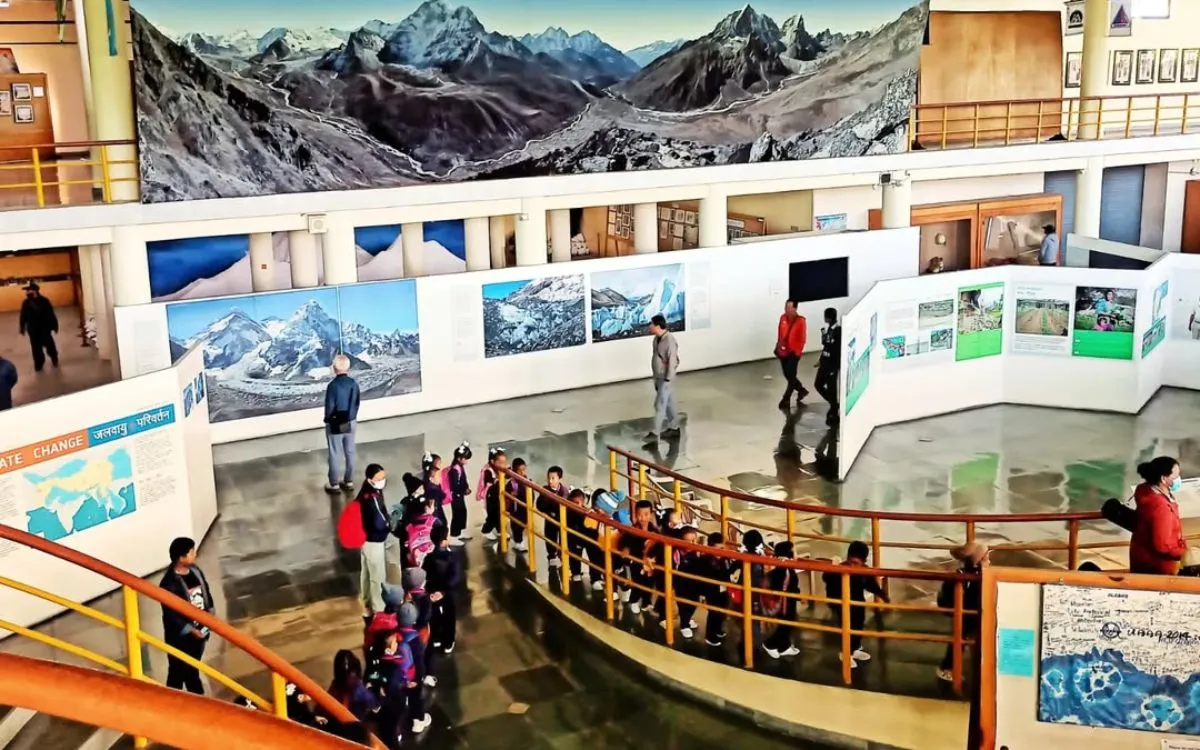
Visitors viewing Himalayan photography exhibits in International Mountain Museum main hall
The Mountaineering Museum Pokhara isn't limited to stationary displays; there are also loads of interactive opportunities available:
Educational Workshops that provide knowledgeable and educational content on mountain ecology and geology, as well as there are more and more efforts around the conservation of mountain environments.
Films / Film Screenings: The museum has an auditorium and every week they show documentaries related to famous expeditions and communities from around the world that live in the mountains.
Guided Tours are available and will be provided by very knowledgeable people who will explain the exhibits and give you a better understanding of everything in the museum.
Temporary Exhibits that highlight modern mountaineers, various photography exhibits, and special events keep the museum exciting and interesting.
Research Facilities that provide an incredible resource library for researchers, students, and mountain culture enthusiasts, helping them learn more about everything related to mountaineering.
All of these types of activities allow the museum to be an interactive learning center for everyone, from elementary school classes to professional mountaineering researchers.
Museum Timings and Ticket Prices
The International Mountain Museum ticket price and visiting hours are designed to accommodate various schedules:
Opening Hours
Daily: 9:00 AM to 5:00 PM (Last entry at 4:30 PM)
Closed on public holidays (check in advance)
Entry Fees
SAARC Nationals: NPR 100
Foreign Nationals: NPR 400
Students (with ID): Discounted rates available
Children under 10: Free entry
The Mountain Museum opening hours allow ample time for thorough exploration, with most visitors spending 1.5 to 2 hours touring the exhibits. The affordable ticket prices make it accessible while supporting the museum's preservation and educational missions.
Nearby Attractions in Pokhara
Pokhara offers numerous places to visit that complement a museum visit:
Phewa Lake: A 10-minute drive from the museum, this iconic lake offers boating, paragliding, and stunning Annapurna reflections.
World Peace Pagoda: Perched on a hilltop, this Buddhist stupa provides panoramic valley views.
Devi's Fall and Gupteshwor Cave: Natural wonders showcasing Pokhara's diverse geography.
Sarangkot: A sunrise viewpoint famous for breathtaking Himalayan panoramas.
International Mountain Museum Gardens: The museum's outdoor spaces themselves offer pleasant walking areas with mountain backdrops.
Many visitors combine museum visits with preparations for popular trekking adventures like the Ghorepani Poon Hill Trek, making Pokhara both an educational and adventure hub.
Why the International Mountain Museum is Worth Visiting
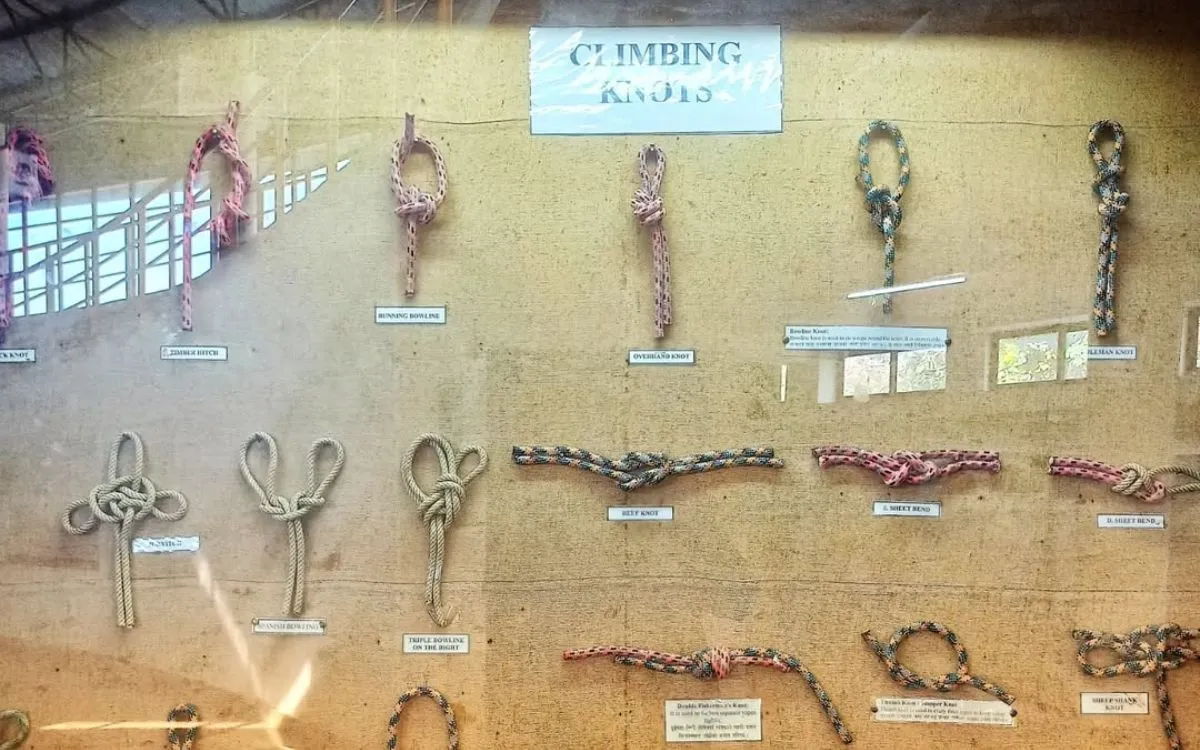
Historic climbing knots and ropes exhibit at Mountain Museum Pokhara
The museums in Pokhara, Nepal, offer various cultural experiences, but the International Mountain Museum stands out for several compelling reasons:
Educational Value: It provides comprehensive knowledge about Himalayan geology, ecology, and human history that enriches any mountain experience.
Cultural Insight: Understanding the lives of mountain communities and the role of guides and porters deepens appreciation for trekking adventures.
Inspiration: Stories of legendary climbers motivate visitors embarking on their own journeys, whether tackling the Annapurna Base Camp Trek or simpler day hikes.
Pre-Trek Orientation: For those planning expeditions, the museum offers valuable context about mountain environments and safety considerations.
All-Weather Activity: As one of the top things to do in Pokhara, it provides an excellent indoor option during monsoon season or cloudy days when mountain views are obscured.
The museum successfully bridges the gap between adventure tourism and cultural education, making it essential for anyone seeking to truly understand Nepal's mountain heritage.
FAQs
How long should I plan to spend at the International Mountain Museum?
Most visitors spend 1.5 to 2 hours exploring the exhibits thoroughly, though mountain enthusiasts may want to allocate more time.
Is photography allowed inside the museum?
Yes, personal photography is generally permitted, though flash photography may be restricted in certain areas to preserve artifacts.
Are there facilities for children?
The museum welcomes families, and many exhibits appeal to younger visitors, though some content is more suitable for older children and adults.
Can I buy mountaineering books or souvenirs?
Yes, the museum has a small gift shop offering books, postcards, and mountain-themed souvenirs.
Is the museum accessible to people with mobility challenges?
While efforts have been made to improve accessibility, some areas may present challenges. It's advisable to contact the museum in advance for specific accessibility information.
Conclusion
International Mountain Museums of Pokhara provides an incredible opportunity to experience both nature and humanity's desire to explore nature through the view of the Himalayas. Each visitor will learn about the geological force that created Mount Everest, as well as pay tribute to the Sherpa guides and porters whose knowledge makes mountain climbing feasible. Whether you intend to take one of the most incredible treks, such as Mount ABC or Annapurna Circuit, or simply wish to find something exciting to do while in Pokhara, you'll find time well spent by visiting this incredible museum. You'll find your personal connection to the mountains of Nepal expanded by this visit.
Contact us at Himalayan Recreation to plan a unique trekking experience, shaped by the cultural influences of Himalayan Recreation's team of experienced and knowledgeable guides who will share with you the stories behind the mountains.


-1.webp)



-1.webp)
-1.webp)
-1.webp)