How safe is trekking in Nepal for solo travelers, especially women venturing into the Himalayas alone? This question crosses the minds of countless adventurous women dreaming of exploring Nepal's majestic mountains. Nepal welcomes thousands of solo female trekkers annually, making it one of Asia's most accessible destinations for women traveling independently.
This comprehensive guide addresses common safety concerns, explores cultural attitudes, and provides practical tips for women planning to trek solo in Nepal. From understanding local hospitality to choosing safe routes and accommodations, you'll discover why Nepal ranks among the safest countries for solo female trekking adventures and what precautions you should take to ensure a memorable journey.
Trekking in Nepal as a Solo Female Traveler
Nepal is a trekking haven for women wanting to participate in mountain trekking, as well as learn about the local culture and develop individually. The established trekking infrastructure, assistance from friendly Nepalese people, and gorgeous scenery make Nepal an attractive option for women travelling alone.
The primary concern of most women before their first trek in Nepal is safety. Women are typically apprehensive about harassment, crime, navigating unknown trails, and emergency preparedness when they adventure on their own in Nepal. Frequently, these concerns are based upon misconceptions rather than facts.
This guide will help you prepare for the most rewarding solo female trekking experience in Nepal from the perspective of a female solo traveller and provide valuable cultural information, suggestions for safe hiking routes, and practical tips for solo female trekkers. Through this guide, you should have sufficient confidence and information to plan your Himalayan adventure independently.
How Safe Is Trekking in Nepal for Solo Female Travelers?
Solo female trekker overlooking turquoise glacial lake and tea house village in Nepal Himalayas
What is the situation for female travelers alone in Nepal? To put it simply: nothing to worry about! The opportunity to experience Nepal is available to women traveling alone because Nepal's crime statistics are exceptionally low, especially in areas where trekking is their primary form of tourist attraction. You won't easily find yourself in violent encounters with tourists, because the communities that depend upon the tourist industry depend very much upon tourism for survival; thus, you should feel comfortable traveling in Nepal.
Women who have traveled alone to trek throughout Nepal have had generally positive experiences. Tens of thousands of trekkers travel on these trails every single year; therefore, you will more often than not be accompanied by many other trekkers on popular routes. Because of all of the people who have traveled along these routes, there is a very supportive and friendly environment that supports both new and experienced trekkers.
Some of the best and safest trekking areas include the Mount Everest region, the Annapurna region, and the Langtang region, where safety is substantially better than in isolated trekking regions because they provide established trails and regularly populated areas; controlled and maintained infrastructure; and reliable means for contact. It is necessary to spend more time planning for your trip and perhaps hire a local guide when going to isolated trekking paths.
Cultural Attitudes Toward Women Travelers in Nepal
Hospitality is a core value of Nepali culture; therefore, like every other person in Nepal, you can expect to be treated with respect and kindness by locals who value the economic and cultural benefits of travel. Note: That hospitable attitude makes travel in Nepal safe for women.
Women travelling alone on the trek can expect to be offered protective treatment by local people who often make an effort to ensure the comfort and safety of travelling women.
The family owners of tea houses check regularly on solo female guests, offer to assist them, and do not intrude on personal space.
When you travel through the villages and the greater part of Nepal, it is customary for women to dress modestly, which means covering their shoulders and covering their knees. While trekking clothes are practical, do not wear revealing clothes in the villages. In addition, knowing some basic Nepali language and culture will help build relationships with local people and provide a better travelling experience.
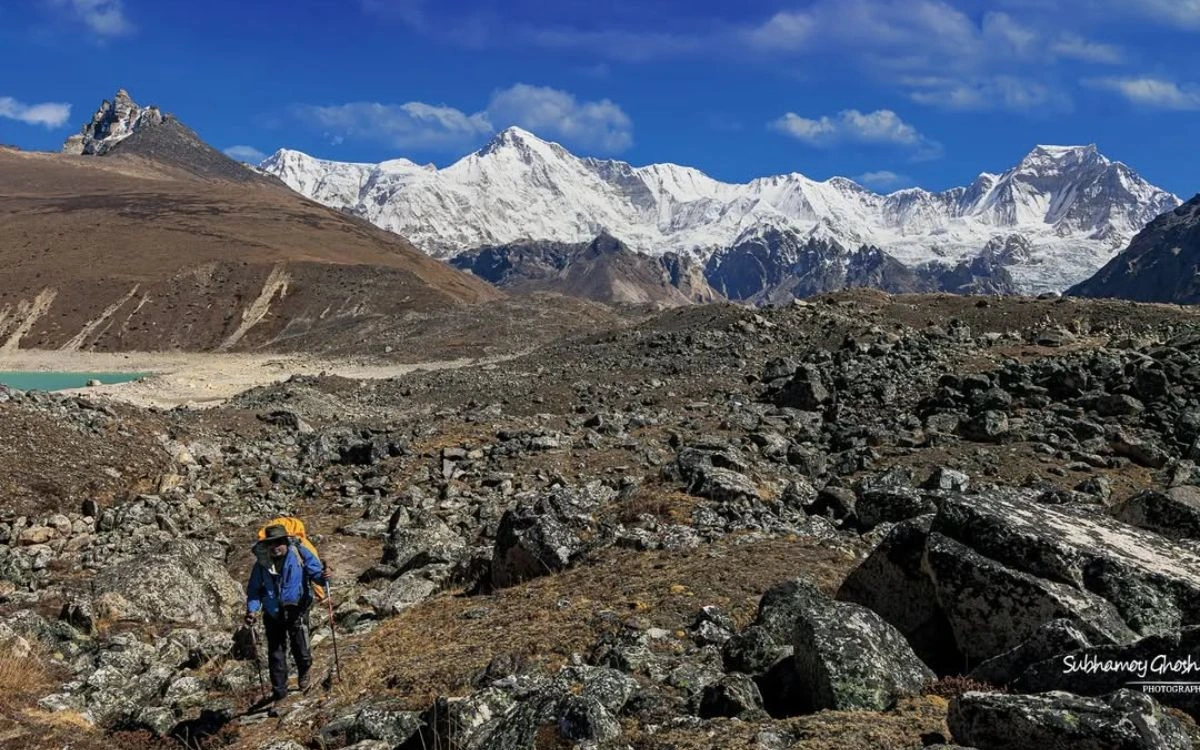
Trekker with backpack hiking rocky terrain with snow-capped Himalayan peaks in background
Everest Base Camp Trek
The Everest Base Camp Trek is likely the most popular trekking route for female solo trekkers in Nepal, as it has excellent infrastructure and a good number of people walking the trail. The well-marked trail and frequent presence of other trekkers create a very secure environment for female solo trekkers.
Annapurna Base Camp Trek
The Annapurna Base Camp Trek, like the Everest Base Camp Trek, has been well-established with a large number of tea houses and great views of the mountains. The moderate difficulty of this trek attracts many women who travel alone, providing a great opportunity to meet women and build friendships on the trek.
Ghorepani Poon Hill Trek
The Ghorepani Poon Hill Trek is a great option for women who are new to solo trekking. This trek is shorter and does not require the same level of physical fitness as the other treks mentioned here. It also has amazing sunrise views on the way to Poon Hill. Because of the popularity of this trail, it is perfect for women who are new to solo trekking and want to feel safe on their trip.
Langtang Valley Trek
The Langtang Valley Trek provides female trekkers with opportunities to experience the culture of the Tamang community and enjoy beautiful natural scenery close to Kathmandu, making it a great choice for female trekkers looking for safe options in Nepal.
Manaslu Circuit Trek
If you are an experienced trekker searching for less crowded trails, the Manaslu Circuit Trek can provide you with remote beauty and developing infrastructure. This trek requires permits and, frequently, a guide, which can offer additional safety for individual female adventurers.
Common Risks While Trekking Alone
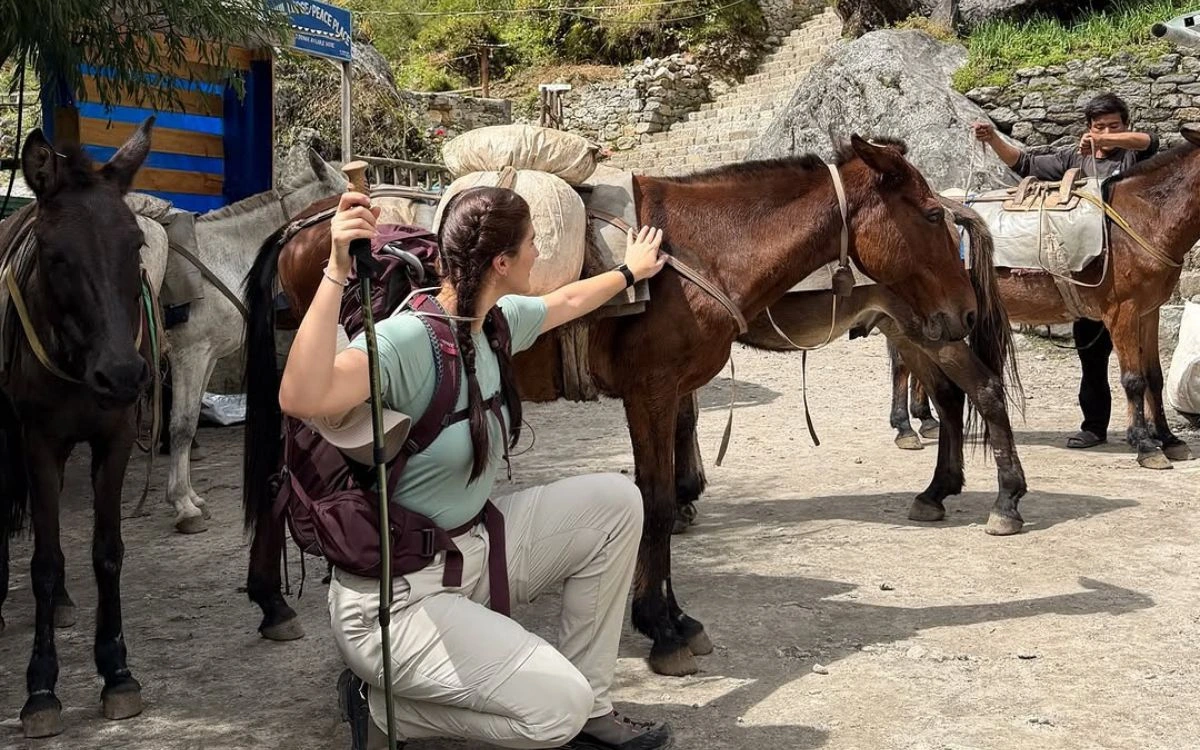
Female trekker photographing pack animals and local handler at Nepal mountain village rest stop
The biggest health risk when trekking at high altitude is altitude sickness. Symptoms include nausea, headaches, and dizziness. Be properly acclimatized to the altitude, ascend slowly, and if your symptoms worsen, descend as quickly as possible.
The weather can change quickly in the mountains. Trails can be very slippery when it rains, and snow can make trails difficult to see at higher altitudes. Check the weather forecasts frequently, and postpone hiking if there is a severe weather alert.
Less-travelled routes present navigation problems. Stay on well-known trails, where there are many signs. Download an offline map before departure. Bring a guidebook. Hike with other trekkers whenever you can, especially when navigating confusing trail sections.
Be prepared for health emergencies. Bring an extensive first-aid kit, and carry altitude sickness medication. Know the procedures to follow in the event of needing an evacuation from an emergency. Consider purchasing travel insurance that will cover a helicopter evacuation from high altitude.
If you're traveling as a female, where possible, choose a family-run tea house, where the owner's wife takes care of managing everything. Make sure to book your popular tea houses well ahead in peak season to make sure that you are able to stay there. Use a local SIM card to stay connected; it will offer coverage in areas where trekking occurs, and it is essential that your family and friends know your itinerary. You should check in with them when you can Many tea houses are now offering WiFi for emergency purposes. Pack essential safety items, such as a headlamp with spare batteries, an emergency whistle, water purification tablets, a basic first-aid kit, and appropriate warm clothing. Carry copies of all of your important documents in a location away from the originals.
Be aware of your personal security and trust your instincts when dealing with people and situations. Keep your valuables close to your body and out of sight. Avoid trekking alone after dark; instead, find a populated tea house, rather than an isolated one.
Do You Need a Guide or Porter as a Solo Female Trekker?
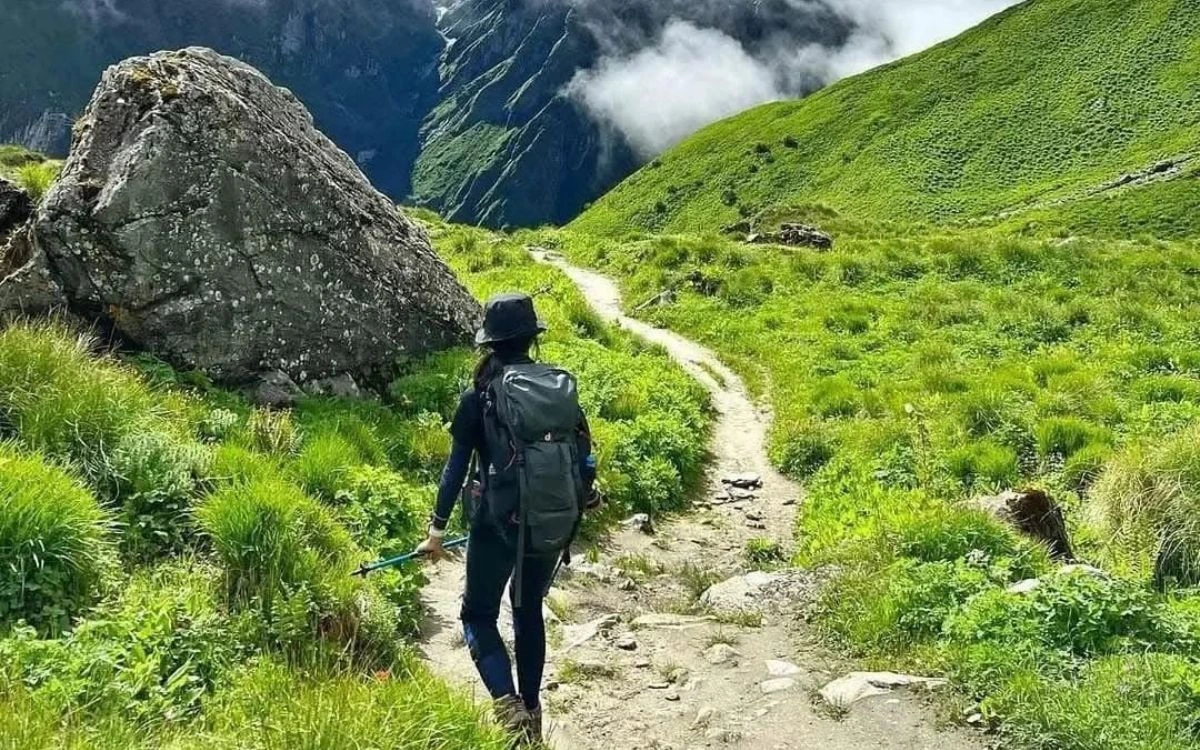
Solo woman trekker walking lush green trail through dramatic mountain valley in Nepal
Having a licensed guide is beneficial in many different ways. In addition to navigating the area, the guide provides information about the culture and history of the area, assists in emergencies if needed, and provides a companion during your trek. The guide does all of these things while you are free to focus on enjoying your trek. For women on trekking trips to Nepal, the use of a guide gives added safety and improves their overall trekking experience.
In Nepal, certain areas (such as Manaslu and Upper Mustang) are designated as restricted areas and require a guide. Popular trekking routes (Annapurna and Everest) do not necessarily require a guide; therefore, trekking independently is an option.
In a guided trekking trip, there is less to worry about for first-timers or people who are trying to conquer difficult trails. A guided trek allows the individual to make all of the decisions related to itinerary, pace, etc., therefore saving money and allowing the person to travel more flexibly. Using a guide for solo female travelers in Nepal will provide more security, although many women have completed treks independently, using well-established trekking trails.
Accommodation and Food Safety on Trekking Routes
Out on the train, you will find tea houses that offer low-cost, but clean sleeping accommodations. Sleeping rooms will have twin beds covered with blankets. Below the tree line, you can expect to find shared bathrooms. Above the tree line, you will have squat toilets.
The best way to ensure you maintain hygiene standards is to select tea houses that are busy with lots of customers. The way fresh food is prepared is more important than the quality of the facilities. Stick to well-prepared meals; dal bhat (rice and lentils) is still the safest option.
Drink only purified or boiled water. Avoid drinking ice and eating raw vegetables and unpeeled fruit. Be sure to take along water purification tablets as a backup method of obtaining safe drinking water. Most tea houses will sell bottled water; however, reusable water bottles with built-in filters are a better way to help protect the environment.
Transportation Safety in Nepal
Major trekking areas in Nepal can be reached from Kathmandu via domestic flights to/from Lukla and Pokhara. Although some flights can experience delays caused by weather, the majority of these flights operate safely and offer a time-efficient method of travel.
Inexpensive local buses are available for travel around Nepal; however, these buses travel on winding, mountainous roads and have varying safety standards. For greater comfort and dependability, you may wish to travel by a tourist bus.
Private jeep rentals may be more expensive than local or tourist buses, but provide more flexibility and comfort than both of these options.
Airport pickups should be arranged in advance through a hotel with th good reputation or through a reputable trekking agency (avoid unmarked taxis after dark). For added safety, use only registered taxi service providers or ridesharing apps in and around Kathmandu.
Best Time to Trek in Nepal for Solo Women
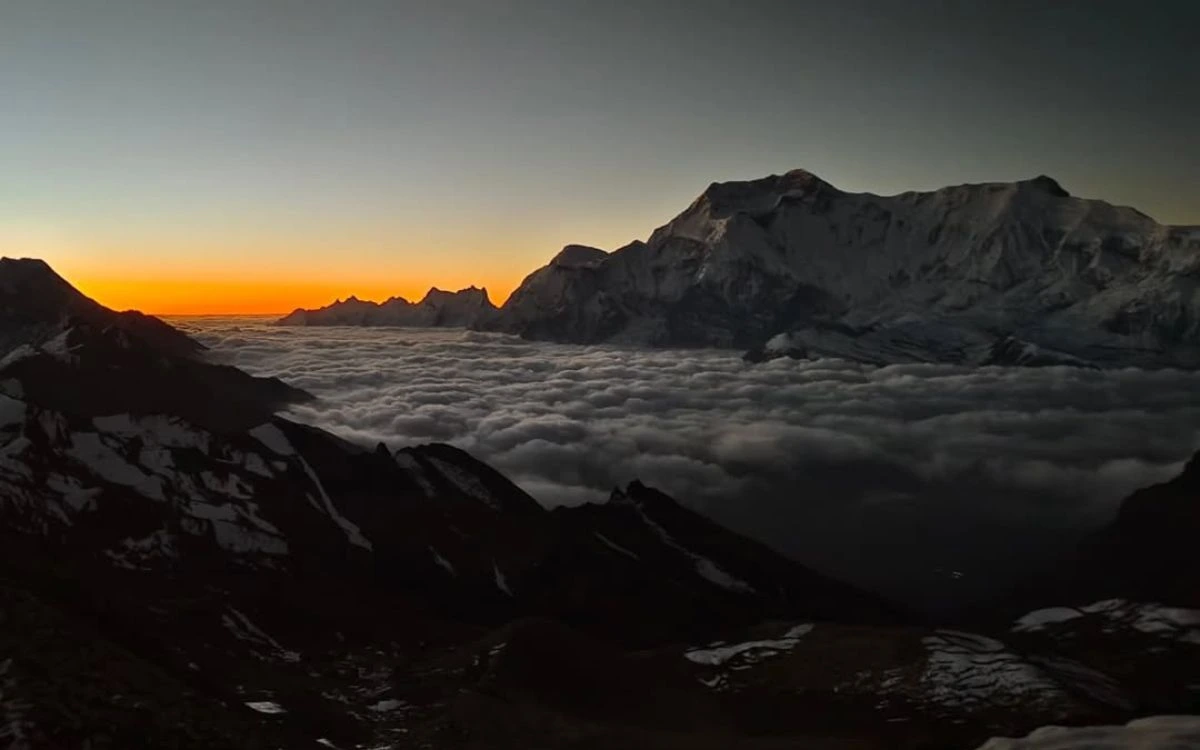
Sunrise over Himalayan peaks with sea of clouds below, Nepal trekking viewpoint
Autumn (September, October, November) is the best time of year to go trekking in Nepal because of the safest, most comfortable trekking conditions, including clear skies, stable weather, and mild-to-moderate temperatures. The trails are crowded with other trekkers, which improves Nepal trekking safety advice for women.
Spring (March, April, May) is also a wonderful time to visit Nepal to see blossoming rhododendrons and experience nice temperatures. During these two times of year, you will come into contact with other trekkers almost every day, alleviating fears of isolation.
The Monsoon (June, July, August) brings wet weather, leeches, and hidden mountain peaks. Winter (December, January, February) provides extreme high-altitude conditions. Women traveling alone should avoid trekking during these seasons unless they have a high level of experience and preparation.
Real Experiences of Solo Female Trekkers in Nepal
Every year, thousands of women visit Nepal for solo trekking, with most experiencing positive results. Many women say they feel safer in Nepal than in their home countries. Through the supportive culture of the trekking community, friendships develop naturally along the trekking trails.
Some issues often experienced include vendors being persistent in Kathmandu, having mild stomach problems while trekking, and pushing through the most difficult parts of a trail. However, these are minor inconveniences compared to the major benefits that include beautiful scenery, becoming immersed in another culture, and achieving personal goals.
Women have repeatedly said that what stands out the most about Nepal, in particular, is the hospitality shown to female solo trekkers by the people of Nepal, along with their respect and efforts to protect female trekkers. Many of the women who have trekked solo in Nepal return to visit the country again because of their love for the mountains and people.
FAQs
Is Nepal safe for first-time solo female travelers?
Nepal remains one of the safest countries for Asian female solo travellers. Popular trekking routes such as the Poon Hill and Annapurna Base Camp are especially popular with first-time trekkers because of their safety, infrastructure, and a constant presence of people in the area.
Do women have to trek with a guide?
On the majority of popular routes, women are allowed to travel solo without a guide. Nevertheless, guides increase safety, give cultural information, and help in emergencies. Certain first-time trekkers would gain from having a guided experience prior to attempting an independent trek.
What can female trekkers do to avoid unwanted attention whilst trekking?
They should maintain confidence and certainty in establishing clear and firm lengths. If they don't want anyone approaching them inappropriately, they should walk along with other trekkers where possible. Whenever a guest is bothered inappropriately, the tea house owners will almost always step in.
What permits do solo female trekkers need?
Requirements vary by region. Most treks require TIMS cards (Trekkers' Information Management System) and regional permits like Annapurna or Sagarmatha National Park permits. Restricted areas need special permits and guides.
How physically fit should I be for solo trekking?
Moderate fitness suffices for most treks. Train with cardio exercises, hiking with a backpack, and stair climbing. Start with easier routes to gauge your capabilities before attempting challenging treks.
Conclusion
Solo trekking in the Himalayas is a life-changing experience for many women around the World who choose to travel alone. Taking the necessary safety precautions and being aware of your surroundings while exploring the trails in Nepal is important,t no matter what your age; however, the culture of hospitality coupled with the developed climbing infrastructure in Nepal gives trekkers who happen to be female a good sense of security while enjoying an outdoor adventure.
Trekking in the Himalayas of Nepal will provide a female adventurer with views that will leave her breathless, and a welcoming community that will make her feel at home amongst the stones and trees. With the hard work done during the preparation stage finished, it’s time to focus on your trek and see first-hand why so many women continue to return to the Himalayan region of Nepal year after year! If you’re ready to set out on your own Himalayan adventure, contact Himalayan Recreation for expert advice and assistance in planning a safe and memorable solo trek through the magnificent mountains of Nepal!


-5.webp)




-6.webp)
-1.webp)
-1.webp)