Travelling to the Himalayas can be one of the most amazing experiences of your life; however, it may appear to be completely intimidating, especially if you have never been before. Fortunately for trekkers, now knowing how to book a trekking package in Nepal makes planning a trip much easier, while also ensuring that you are safe and comfortable in a high elevation zone. A good Nepal trekking package includes all of the 'tricky things,' such as permits, guides, porters and even tea house accommodation; all you need to do is enjoy the breathtaking scenery!
To begin your journey, you must find out which trek suits your level of fitness and the amount of time you have available. Whether you want to climb Mount Everest base camp or trek through the Annapurna region of Nepal, you can book a trekking package through an agency in Nepal that is registered with the government. You may also be surprised that the cost is relatively reasonable. For example, a package for an Everest base camp trek can cost around $1,700 per person. This package typically includes everything you need (except for airfares to/from Nepal), such as hotel accommodations in 3-star accommodations in Kathmandu, a Kathmandu city tour, trekking permits, food and accommodation on the trekking trail, and all other items necessary for treks. In addition, local agencies will take care of all of your complicated government paperwork required for this type of trip, which would be near impossible for an individual to complete.
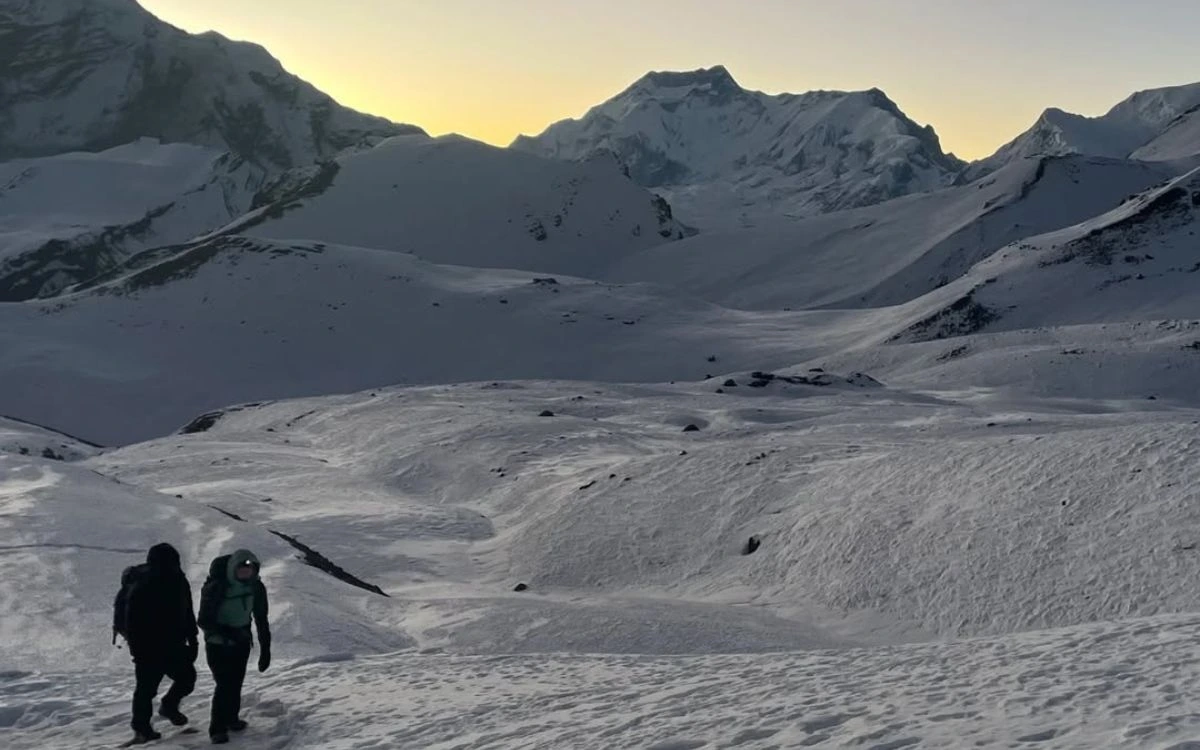
Trekkers hiking at Thorong La Pass on Annapurna Circuit trek Nepal
Prior to booking any trip through an agency, ensure that the agency is trustworthy by verifying their references and understanding if there are any required acclimatization days in their itinerary. Also consider reserving early (at least 2-3 months in advance) to allow yourself adequate time to prepare, buy gear, and prepare for the journey. Therefore, this guide will provide tips on finding a reliable operator as well as outlining how to book trekking in Nepal online so you can concentrate on enjoying yourself while on the trek.
Is It Better to Book a Trekking Package or Trek Independently in Nepal?
In 2026, there is a total ban on solo trekking in Nepal for foreigners in any national park and conservation areas. This implies that booking a trekking package in Nepal is now not only feasible but also necessary and safe for adventurers. Considering guides are part of trekking packages, there is minimal risk involved for tourists due to altitude, weather changes, or accident situations. This makes trekking packages highly recommended for beginners or any adventurer looking to have an enjoyable and stress-free experience.
Independent trekking is still possible in a few non-restricted routes including Ghorepani Poon Hill or Mardi Himal. This option means more freedom, saving money, and closer contact with the locals. In return, it needs some strong navigation skills, self-reliant food and gear, and a TIMS card. This implies risks of getting lost, facing injuries without immediate aid, and fines for non-compliance in restricted areas.
Step 1: Choose the Right Trek in Nepal
There are endless trekking routes in Nepal, offering something for first-time hikers, as well as experienced trekkers who are familiar with the high altitudes. Over 75 of these routes have been recognized officially by the Nepalese government and can start from just 3-5 day treks to multi-week treks above 5000 meters.
When selecting a trek, it is important to consider these three elements: maximum altitude, number of trekking days, and your previous high altitude trekking experience. Most of the routes are above 4000 meters and will require some acclimatization. Choosing a trek that is suitable for your fitness level and available time will reduce your risk of altitude-related injury and also make you safer overall.
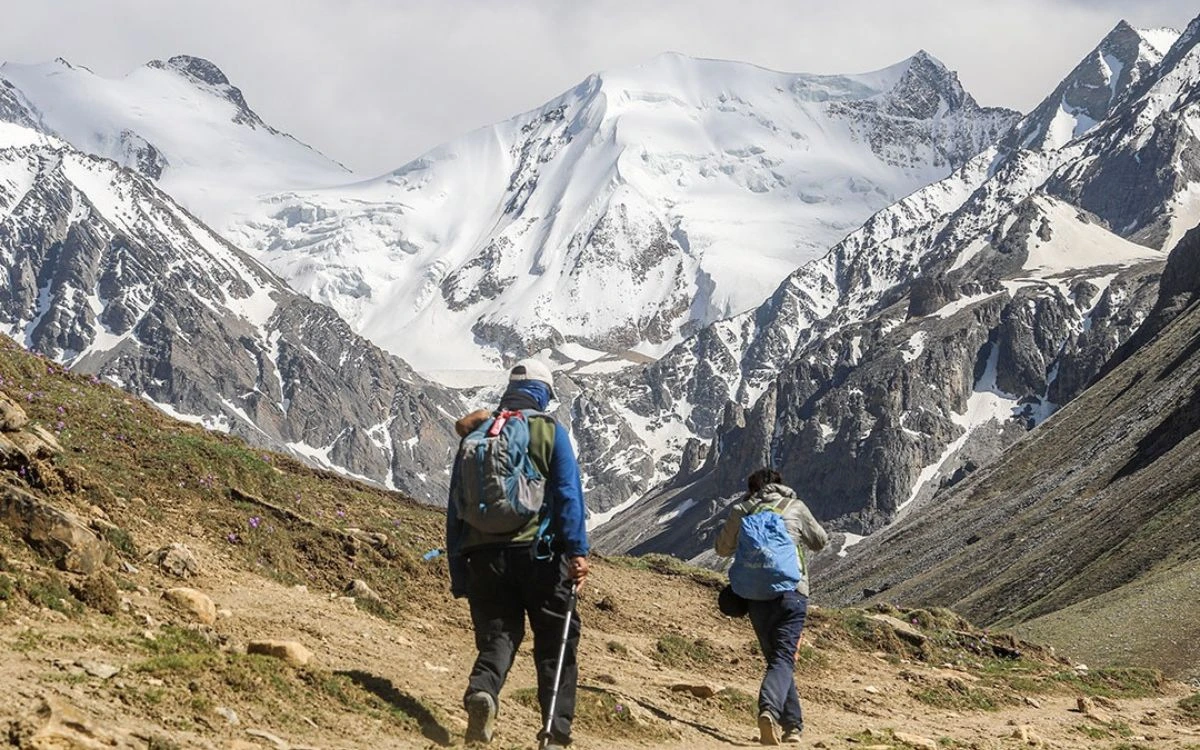
Two hikers trekking toward snow-capped peaks in Nepal Himalayas
Popular Trekking Routes in Nepal
Nepal is home to some of the most established high altitude routes in the Himalayas, including the Everest Base Camp Trek and the Annapurna Circuit Trek. Both treks attract thousands of international trekkers each year, have well-developed tea house infrastructure, and regulated permit systems.
While Ghorepani Poon Hill Trek is one of the shortest treks, some of the remotest and longest treks include Kanchenjunga Circuit Trek, Upper Mustang Trek, and Dolpo Region Treks. These areas require special permits and are regulated by the Government of Nepal.
Treks in Nepal Based on Difficulty, Duration, and Fitness Level
Langtang Valley Trek, Annapurna Base Camp Trek, Everest Panorama Trek, Gokyo Lakes Trek, Khopra Ridge Trek. It demands good fitness and experience in trekking.
Challenging Treks (Above 5,000 m | 12–20+ Days)
Everest Base Camp Trek, Annapurna Circuit Trek, Manaslu Circuit Trek, Upper Mustang Trek, Kanchenjunga Base Camp Trek, Three Passes Trek, Dhaulagiri Circuit Trek. Require the most endurance and planning for proper acclimatization.
Step 2: Decide What Type of Package You Need
Group trekking packages vs. private trekking tours
Group trekking packages operate on fixed departure dates with shared guides and services. The expenses of guides, porters, and transportation are divided among trekkers, which reduces costs. This option is practical for solo travelers or those looking for a more budget friendly Nepal trekking package booking.
Private treks can accommodate individuals, couples, or groups traveling together, and the itinerary can be adjusted to your schedule, pace, and fitness level. Private treks offer more flexibility than group departures and are generally priced higher than group packages.
Budget, standard, and luxury trekking packages in Nepal
Trekking packages are usually offered in three service categories:
Budget trekking packages include basic tea house accommodation during the trek, meals on the trail, required permits, and a licensed guide.
Standard packages provide 3-star hotels in Kathmandu or Pokhara together with necessary domestic flights and standard tea house or upgraded lodge accommodation and permits and guide services for the trek.
Luxury packages provide 4- to 5-star hotels in cities and luxury lodges that operate in all trek locations and private transportation and domestic flights and premium support services.
Customized trekking packages in Nepal
Customized trekking packages allow the one to modify the itinerary based on available days, acclimatization needs, side trips, or hotel preference. This type of option is suitable for travelers with specific schedules or considerations of fitness level and can also be arranged through online booking of trekking package Nepal platforms offered by registered agencies.
Before confirming any package, carefully review inclusions, exclusions, and permit arrangements to ensure transparency when trekking package booking Nepal.
Are you unsure of which trekking package is best for you? Let Himalayan Recreation assist you in choosing a pre-packaged or custom trekking package best suited to fit your budget, schedule, and trekking objective. We'll handle all aspects of your trip; including permits, logistics, and trip planning from start to finish! Feel free to contact us!
Step 3: Find and Compare Trekking Agencies
It is important to choose a reliable trekking agency to ensure safety, permits, and smooth logistics for your trek. When selecting a company, use online trekking package booking websites so you can review itineraries, costs, services included, and availability before you book a trekking package. Make sure the agency is registered with the Nepal Tourism Board, has years of experience, and positive reviews from verified customers. Check that guides are licensed and trained in first aid, providing peace of mind and emergency support if needed. Using an established company ensures permits, lodging, meals, and transportation are handled professionally, making your trek safer and more organized.
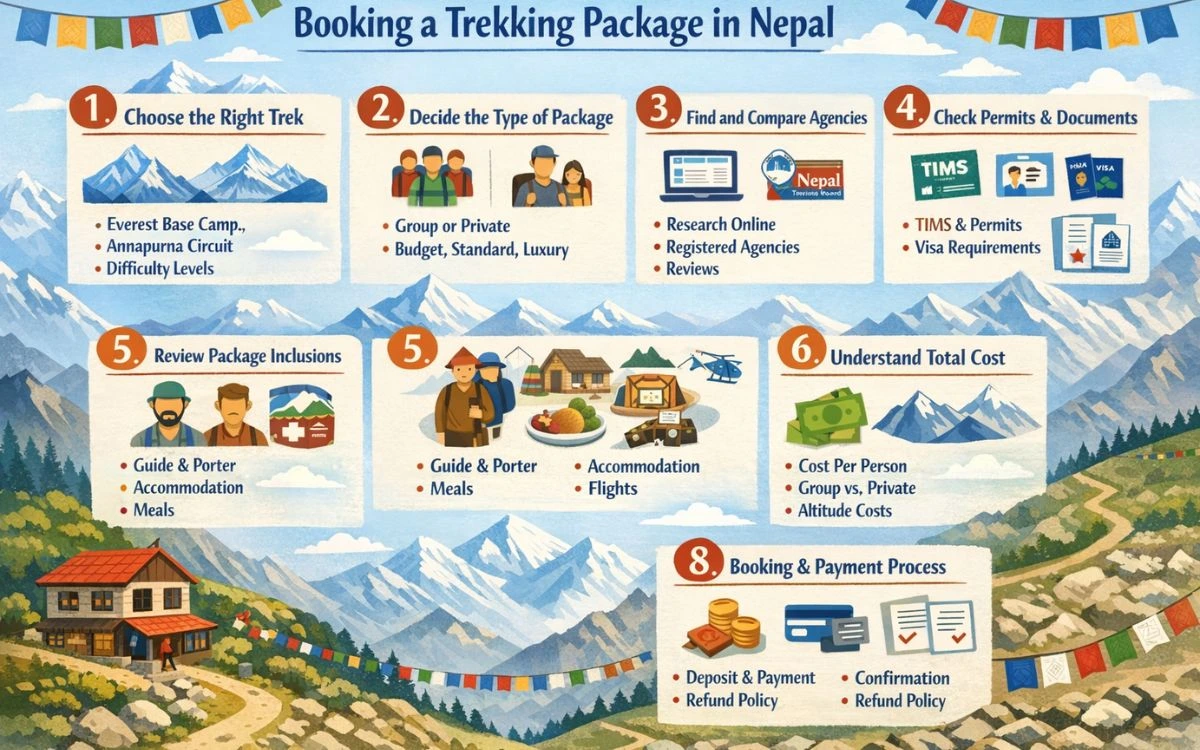
Infographic guide for booking trekking package in Nepal step by step
Step 4: Understand Permits and Required Documents
Trekking permits in Nepal (TIMS and National Park Permits)
All trekkers in Nepal need to obtain a TIMS (Trekkers' Information Management System) card, which is a necessity for most trek routes. However, there might be the need for additional permits in given areas, like passing through a National Park or Conservation Area permits for places like Annapurna, Langtang, and Sagarmatha.
For treks in restricted areas such as Manaslu, Upper Mustang, or Kanchenjunga, one needs to obtain the Restricted Area Permit (RAP). RAPs are issued by the Nepal Tourism Board and may require trekkers to be accompanied by a licensed guide.
Nepal visa requirements for trekkers
All international visitors need a valid Nepal visa. Most nationalities can get a tourist visa on arrival at Kathmandu or Pokhara airports, but applying online in advance is faster.Your passport must be valid for at least six months and you can obtain visas that last for 15 days or 30 days or 90 days. Travelers should verify their fees before departure and they must maintain a physical document of their visa approval or receipt to enter the country.
Travel insurance for trekking in Nepal
Trekking in Nepal requires comprehensive travel insurance and should include coverage for medical emergencies, evacuation, and helicopter transportation for medical emergencies. Most professional trekking companies will require proof of insurance to commence a trek, in order to provide safety and coverage in the event of an accident or life-threatening event.
Step 5: Check What Is Included in the Trekking Package
Take a close look at what is actually covered in your trekking package before you sign up for one. Most treks include a licensed guide, porters, trekking permits (TIMS, national park or RAP permits), accommodation on the trail and meals. Some packages also include domestic flights, airport transfers, and city hotel stays. Knowing what is included will help you compare the different agencies, avoid paying for things you didn't expect and make sure all of the necessary logistics have been taken care of for your trip.
Step 6: Understand the Total Cost of a Trekking Package
After reviewing what is included in the package, the next step is to understand the total cost per person and how the price changes in a group. In most cases, the price per person goes down as the group size increases because guide, porter, and transportation costs are shared. Private treks usually cost more than group departures.
The full price will, of course, depend on the kind of trekking route, the number of days, the level of service, whether budget, standard, or luxury is chosen. Generally speaking, high-altitude treks like Everest Base Camp are usually more expensive, so when planning your Everest Base Camp trek booking, check what is included in the package to compare costs accurately. Longer itineraries raise the overall price due to additional accommodation, meals, and guide fees.
Before confirming your booking, do some comparisons between agencies offering the same route. This is not necessarily about comparing price alone, but what the package entails in terms of permits, flights, hotel category, acclimatization days, and guide service. Sometimes, lower prices exclude very vital services, and a little more money would offer the value and safety support needed for the climb.
Step 7: Confirm Safety and Support Services
The safety of trekkers in Nepal must be considered when purchasing trekking packages to Nepal. Always check to make sure that the company offers experienced and government approved trekking guides that are trained in first aid and high-altitude trekking; professional trekking guides will have knowledge of trail conditions and weather related risks along with the proper acclimatization protocol to help avoid dangerous situations.
Make sure to ask the agency about how they prevent altitude sickness and how they will handle an emergency situation. A good travel agent should build in acclimatization days into the itinerary, monitor your health by using a first-aid kit and a pulse oximeter to monitor your oxygen level while trekking.
Make sure to verify whether or not there is coordination of helicopter rescuesand communication available to you in case of an emergency. A respectable trekking company will have 24/7 emergency support as well as a clear procedure in the event of an emergency, which will increase your safety during your trip.
Step 8: Booking and Payment Process
Once you have selected the right package, understand the trekking package booking and payment process Nepal before confirming your trek. Most trekking agencies in Nepal require a small deposit to secure your reservation, usually 10-30% of the total price in advance. The remaining balance is payable upon your arrival in Nepal or before the trek commences. Always request a written confirmation invoice once you've paid your deposit.
Check the available payment methods i.e. bank transfer, credit/debit card, or secure online payment systems. Reputable agencies provide official company bank details and clear payment instructions; be wary of requests for money transfers to personal accounts.
Lastly, be very critical of the policy on cancellations and refunds. Know the time limit for free cancellations, partial refunds, and treatment of refunds due to delays in a trip, weather disruption, or personal emergencies. A transparent cancellation and refund policy speaks volumes about the professionalism and integrity of a trekking company.
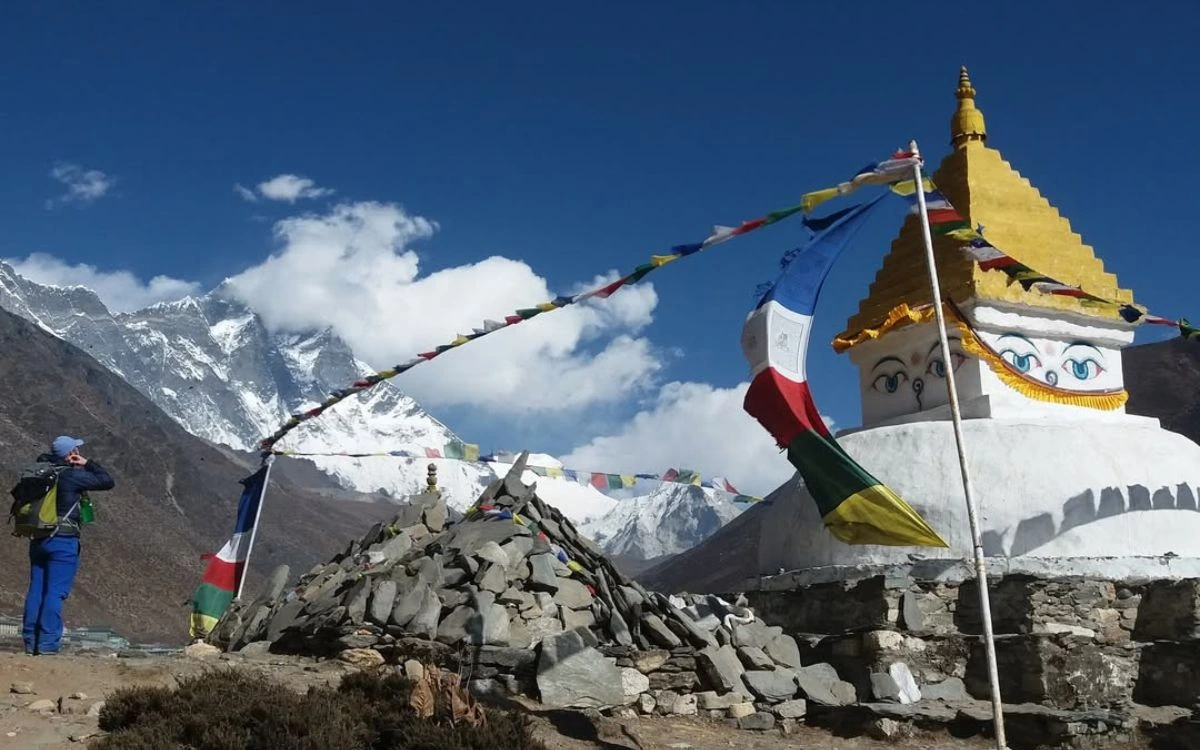
Buddhist stupa with prayer flags on Everest Base Camp trek Nepal
Step 9: Prepare for Your Trek
Packing list for trekking in Nepal
Pack according to the season of trekking and the altitude. The essentials packing list for trekking in Nepal include layered clothes: base, fleece, down jacket, waterproof jacket, trekking boots, warm hat, and gloves, sleeping bag-if not provided by the agency, water bottle, sunscreen, sunglasses, personal toiletries, and basic drugs. Do not overpack but make sure you carry necessary high-altitude gear. Confirm with your trekking agency what equipment is included in your package and what you need to purchase.
Physical preparation for high-altitude trekking
To go on a high altitude trek, one would need good physical fitness level and endurance. Therefore, it is essential to begin training at least 4-6 weeks prior to the journey by engaging in various exercises like cardio, hiking, jogging, cycling, or even climbing stairs. It would be even better if you can do some strength exercises, especially on your legs, as well as exercises targeting your stomach muscles. Prior planning would be essential if you plan to go beyond 3,000 meters.
Final Checklist Before You Book a Trekking Package in Nepal
Confirm the entire trekking itinerary, including route, trekking hours, acclimatization days, and maximum altitude. A well-structured itinerary is a reflection of professionalism and trekking expertise.
Clarify what is included and not included, such as permits, hotel category (budget, 3-star, and/or 4-5 star), meals, flights, guide and/or porters, and transportation. This clarity also characterizes a reliable tour operating agency.
Know the total cost for each individual, as well as the group or private service costs. In principle, the more the number of people within the group, the lower the cost for each individual.
Ensure that the trekking agency is registered with the government and reviewed favorably. A legitimate trekking agency is a credible and responsible one with experience.
Get the full itinerary of the trekking schedule, route, hours of trekking every day, acclimatization days, and maximum altitude. A properly set itinerary reflects professionalism and a deep understanding of trekking.
Clearly explain what is included and what is not. Normally, these include permits, category of hotel availability (budget, 3-star, and/or 4-5 star), meals, flights, guide and porters, transportation. This clarity also characterizes a reliable tour operating agency.
Know the total cost for each person, as well as for the group or private service costs. In principle, the more the number of people within the group, the lower the cost for each person.
Make sure it is a government-registered trekking agency and reviewed positively. A legitimate trekking agency is responsible, credible, and experienced.
FAQs
How far in advance should I book a trekking package in Nepal?
It is recommended to book at least 1-3 months in advance, as the peak season for trekking falls during the months of March, May, and November. Early bookings can ensure availability of permits, guides, and accommodations during popular treks like the Everest Base Camp and the Annapurna Circuit.
What is the best time of year to book a trekking package in Nepal?
The best seasons for trekking are spring (March to May) and autumn (September to November), which provide clear and stable conditions for trekkers. The Himalayas are clearly visible during these seasons. The winter or monsoon seasons are not the best in the region due to the high amount of snowfall or rainfall.
Can I customize my trekking itinerary after booking?
Yes, most trekking agents will accommodate minor changes in the itineraries before the start of the trek. Changes can be made for any of the days of the trek, as per the availability.
Are domestic flights included in all trekking packages?
Not always. In fact, the packages sometimes include air tickets to Lukla or Jomsom, or to other gateway airports. It is, however, necessary to ensure that such packages exist before booking. The agencies can sometimes offer air tickets as an optional feature.
Do I need to tip guides and porters?
Yes. Although it is not required, it is customary for foreign trekkers to tip guides and porters. They are essential for the trekking experience.
Is WiFi and charging available during the trek?
There is availability of WiFi and charging facilities in many tea houses along popular trekking routes; however, this facility may not be readily available in high-altitude regions, and usage is subject to a certain fee.
Can vegetarians or people with dietary restrictions trek in Nepal?
Yes. In general, vegetarian meals are available at all tea houses and lodges, and it’s also possible for agencies to advise lodges in advance of special dietary needs. Bringing a few of your own snacks is always a good idea, specifically for high-altitude treks.
Are there age restrictions for trekking in Nepal?
There are no official restrictions, but physical fitness is essential. Children and older travelers should consult their physician for advice prior to attempting high-altitude treks, which may need adjustment for them.
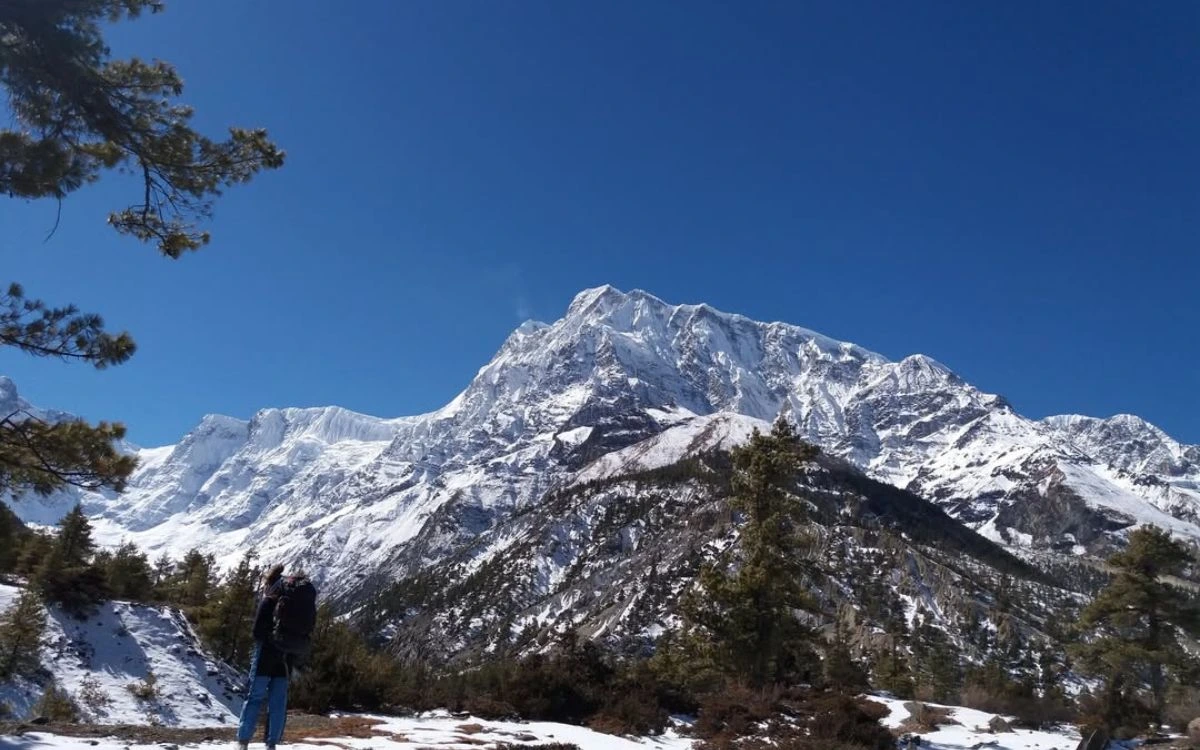
Trekker viewing Annapurna mountain range on Nepal hiking trail
Conclusion
The process of booking a trekking package to the Himalayas is not a complicated one. By following simple considerations, such as selecting the appropriate trekking route, checking the kind of package that best suits your needs, confirming safety precautions, and analyzing costs, each step of planning your trekking package to Nepal is significant. Appropriate planning will ensure that your trekking experience is safe.
Whatever trek you wish to plan, whether Everest Base Camp or Annapurna, understanding how to book a trekking package in Nepal enables you to prepare accordingly. Selecting an experienced local operator who is registered and licensed enables you to prepare and plan with absolute clarity. For more information on booking your trek to Nepal, contact us at Himalayan Recreation.


-18.webp)



-6.webp)
-6.webp)