Clothing Packing List for Nepal Trekking
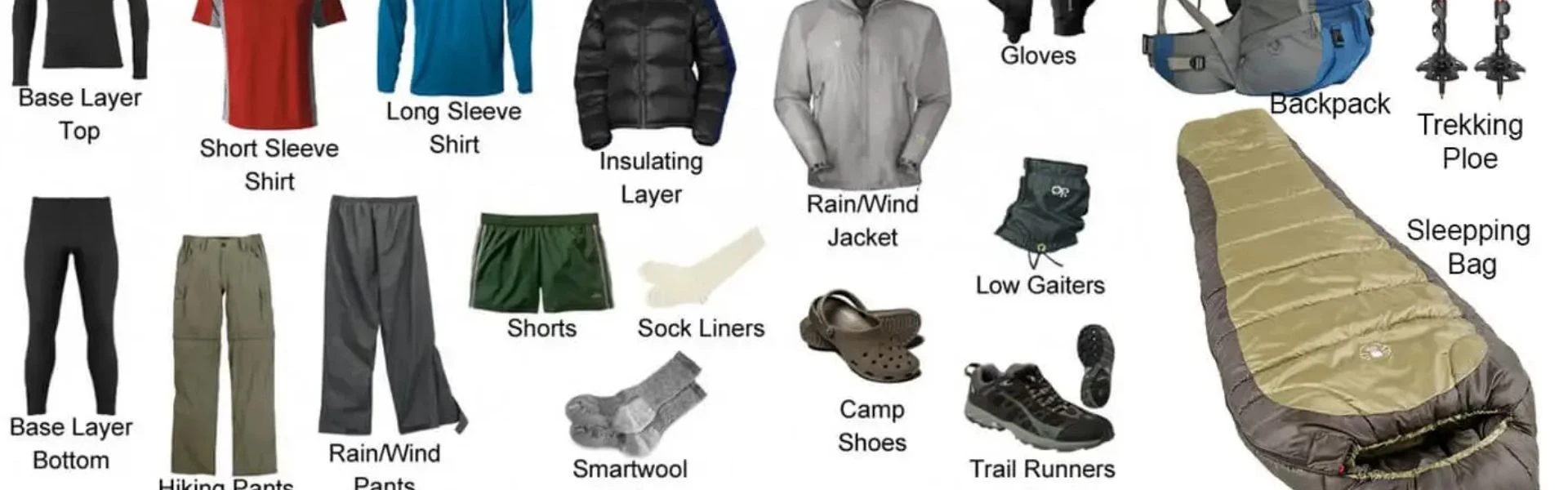
Clothing is one of the most significant factors to consider while trekking in Nepal. You should dress according to the weather and temperature on the trail thus, packing the right clothing for any trip is essential to making your overall trekking experience worthwhile.
Base layer
The base layer is the first layer of your clothing, and it is particularly important for higher altitudes & colder parts of the trek. The material of the clothes should be taken into consideration when deciding on a good base layer. Look for fabrics like Capilene or merino wool as cotton materials that will absorb moisture easily. The first layer of your clothing should consist of;
- Moisture-wicking tops and bottoms for comfort.
- Breathable fabric to regulate body temperature.
- Long underwear pants
- Underwear
Middle Layer
The second, or middle, layer is the insulation layer, and the best option for this is a thick down jacket or fleece. You should find a coat that is comfortable & easy to wear.
- Heavy Fleece or Down Jacket
- Long-sleeve shirts
- Sweatshirt
- Fleece Pants
- Trekking Pants
- Shorts
Third Layer
The last, or third, layer of your clothing should consist of a warm, thick, waterproof jacket and trousers. These will be used mainly at high altitudes during extremely cold weather.
- Gore-Tex or Waterproof Jacket with hood
- Rain poncho that covers your daypack.
- Waterproof Pants
Headwear
- Hat: A light & good hat that’ll protect you from the sun.
- Beanie: To protect you from the cold breeze & keep your head warm.
- Neck gaiter: To keep your neck area & face warm.
Handwear
- Inner Gloves: To use when the weather is moderate.
- Outer insulated gloves: Thick, warm, waterproof, and durable to keep your hands warm in sub-zero temperatures.
Footwear
- Hiking Boots: Comfortable and lightweight boots that have waterproof uppers and deep-cut traction on the sole.
- Trekking shoes/sandals: A pair of comfortable trekking shoes/sandals to wear in and around tea houses every day.
- Hiking socks: 4-5 pairs of woolen stockings that allow your foot to breathe and can be used multiple times before hand washing it.
- Warm thermal socks: Slightly thicker than normal hiking socks and can be used in harsh cold conditions.
- Gaiters: Gaiters are made of waterproof materials that extend from your boot to your ankle. It prevents any dust, mud, water, or rocks from getting into your boots.

The right bag and Backpackers for Trekking in Nepal
Navigating Nepal's diverse terrain demands the perfect companions for your journey. And it is crucial to look for backpacks and bags that suit your particular journey.
- Duffel bag: If you are trekking with a guide and all your gear is going to be carried by porters, then the duffel bag is the best option you can go for. Make sure that your bag is waterproof and easy to access.
- Backpack: A backpack is the ideal choice if you are trekking by yourself without a porter. You should go with mountaineering-style backpacks that have a lot of sections to fit in all of your stuff.
- Daypack-Raincover: You’ll need a small daypack for any kind of trek to carry water, cameras, rain gear, snacks, and other personal items. Also, Do not forget to bring a rain cover for your daypack and backpack.
Sleeping Gear for Trekking in Nepal
- Sleeping bag: A 4-season sleeping bag (rated for at least -10°C). A comfortable & warm sleeping bag is a must for a comfortable night's sleep while trekking.
- Liner: Liners are placed inside the sleeping bags to add additional insulation and improve cleanliness. Make sure that the liner perfectly fits your sleeping bag.
Poles and Headgear for Nepal treks
- Trekking poles: They are optional, but it is always better if you have them.
- Sunglasses: Make sure to bring a good pair of 100% UV-protective sunglasses.
- Headlight: For early morning and late evening trekking.
Important accessories for Trekking in Nepal
- Water filter bottle: To stay hydrated throughout the trail.
- Towel: A small- to medium-sized towel for drying yourself.
- Pee funnel: It is optional but can be essential while trekking in high altitudes.
- Lock: A small lock to secure your duffle bag & another backpack.
- Waterproof Bag: To safely store important/valuable items like your passport, money, and electrical equipment.
- Paper documents, cash: all essential paper documents along with Nepali cash to use along the trail
Extra Accessories on Nepal trek
- Camera/Video Camera: To capture the
- Portable charger: To charge your smartphone, camera, or any other electronic device.
- Books: Since you’ll get a lot of free time around nighttime, you can bring some lightweight books to read during your free time.
Medications and Toiletries on trek
- Water purification tablet: To treat your water before drinking.
- Diamox: To prevent acute mountain sickness.
- Common Medications: Common medications like paracetamol, Imodium, etc.
- First-aid kit: If you’re trekking with a guide, you won’t need to worry about the first aid kit. If not, then you should bring a first-aid kit with you.
- Sunscreen: To protect yourself from the rays.
- Baby wipes: For quick cleaning and refreshment.
- Toiletries: Basic toiletries like toothbrushes, toothpaste, toilet paper, etc.
- Oximeter: An optional device that will help you measure the effects of altitude on your body.
- Hand sanitizer: for quickly disinfecting your hands before eating.
Packing List for Trekking in Nepal by Season
Spring & Autumn (Best Seasons)
These seasons are ideal for popular routes such as the Annapurna Base Camp Trek and Langtang Trek, where moderate temperatures and clear views make trekking comfortable.
- Standard layering system
- Light down jacket
- Comfortable trekking gear
Winter Trekking
- Extra thermal layers
- Heavy down jacket
- Insulated gloves & socks
Monsoon Trekking
- Waterproof jacket & pants
- Quick-dry clothing
- Extra socks & gaiters
FAQs
What is the most important item to pack for Neapl trekking?
The most important item is a proper layering system, especially a warm mid-layer and a waterproof outer jacket. Weather in the Himalayas can change quickly, and staying dry and warm is essential for comfort and safety.
How many clothes should I pack for a Nepal trek?
You only need 2–3 sets of trekking clothes. Teahouses along most trekking routes offer laundry services or allow hand washing. Packing fewer clothes helps keep your backpack light and manageable.
Is expensive branded gear necessary for trekking in Nepal?
No. While good quality gear is important, you don’t need the most expensive brands. Many reliable and affordable trekking items are available in Kathmandu and Pokhara, and rental options work well for short treks.
Can I buy trekking gear after arriving in Nepal?
Yes. Kathmandu (Thamel) and Pokhara have many trekking shops where you can buy or rent down jackets, sleeping bags, trekking poles, and backpacks, often at much lower prices than abroad.
What kind of backpack is best for trekking in Nepal?
A 30–40 liter backpack is ideal for day use if you have a porter. If you carry your own gear, a 50–60 liter backpack works best. Make sure it fits well and has a rain cover.
Do I need special clothing for high-altitude trekking in Nepal?
Yes. For treks above 4,000 meters, such as Everest Base Camp or Manaslu, you should pack a warm down jacket, thermal layers, insulated gloves, and a winter hat to handle cold mornings and nights.
Is a sleeping bag required for teahouse trekking?
Teahouses provide blankets, but a sleeping bag rated for cold temperatures is strongly recommended, especially in higher regions or during winter and shoulder seasons.
How much weight should I plan to carry while trekking?
Ideally, your daypack should weigh no more than 6–8 kg. If you hire a porter, the total weight is usually limited to 20–25 kg, including the porter’s own equipment.
What documents should I carry during a Nepal trek?
You should always carry your passport, trekking permits, travel insurance details, and emergency contact information in both digital and printed form while trekking.
Are power banks necessary on Nepal treks?
Yes. Charging facilities are limited and often paid at teahouses. A high-capacity power bank ensures you can keep your phone, camera, or GPS device charged throughout the trek.
What kind of toiletries are suitable for trekking in Nepal?
Pack small, biodegradable toiletries and quick-dry towels. Water is limited in mountain regions, so lightweight and eco-friendly products are best.
Should I pack snacks from home or buy them on the trail?
Basic snacks are available along trekking routes, but prices increase with altitude. Carrying energy bars, nuts, or electrolytes from Kathmandu can save money and ensure you have familiar nutrition.
Is it better to pack light or be fully prepared?
The best approach is to pack smart, not heavy. Focus on multi-use items, proper layers, and essential safety gear. Anything unnecessary adds weight and reduces trekking comfort.
Does packing change depending on the trekking season in Nepal?
Yes. Spring and autumn require standard layers, winter trekking needs extra insulation, and monsoon trekking demands waterproof clothing and quick-dry gear.
What items are often forgotten by trekkers in Nepal?
Commonly forgotten items include lip balm with SPF, extra batteries, blister care, wet wipes, and photocopies of important documents.
Can a trekking agency help review my packing list?
Yes. A local trekking agency can review your packing list based on your route, season, and trek duration, helping you avoid overpacking or missing essentials.
Packing correctly is one of the most important steps when preparing for a trek in Nepal. With this complete Nepal trekking packing list, you can stay warm, comfortable, and safe while enjoying the incredible Himalayan landscapes. If you are unsure about specific gear for your chosen trek, consulting an experienced trekking agency can help you pack smart and stress-free.
So, pack smart, with the right gear, and get ready to embrace the mountains along every step of the trail to have the adventure of a lifetime while trekking in Nepal. For further information on Nepal trek bookings, contact Himalayan Recreation.




-1.webp)
-1.webp)
-1.webp)