When trekking in the Manaslu region, there are remote villages, high passes, and long distances where you cannot communicate easily with others. When you are preparing for your trek in the Manaslu region, it is natural that you would like to know the telephone network in the Manaslu region, the internet coverage in Manaslu region and how good it really is! Why? Because trekkers want to stay connected with family or check the weather or use navigational tools, that is important. Since travel along the Manaslu trek varies by village, it is subject to the altitude, terrain, and how many telecom towers are available for that particular village.
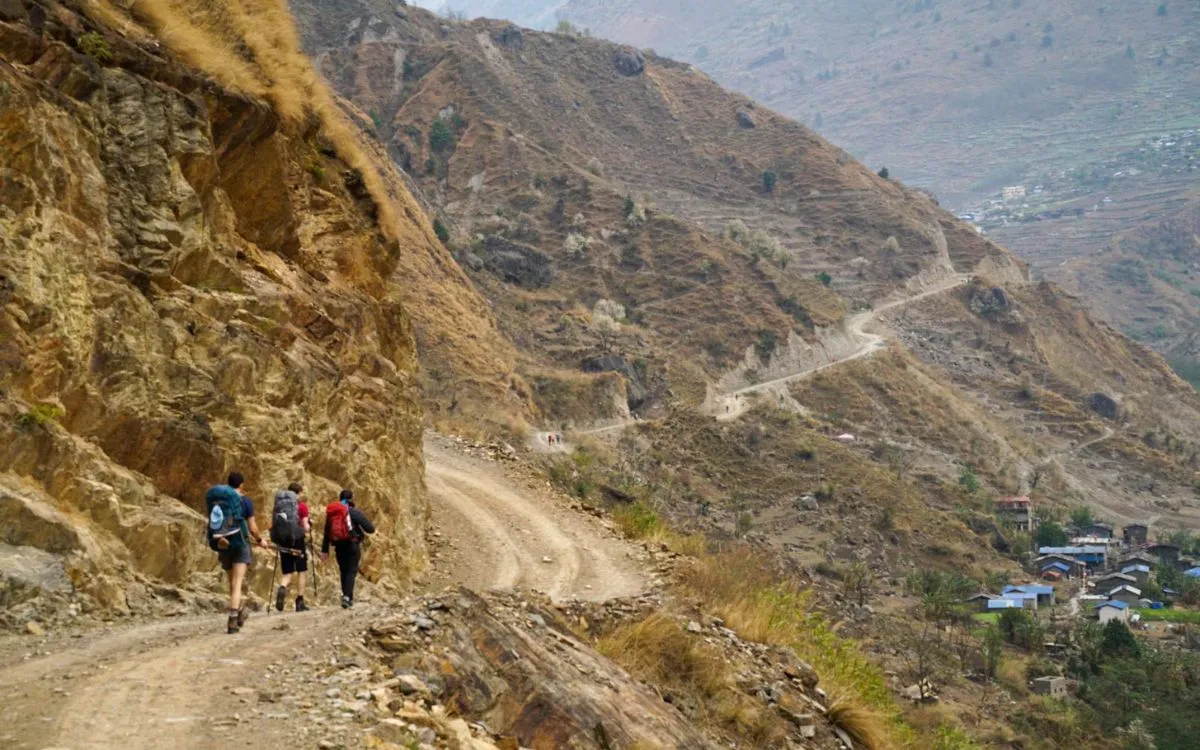
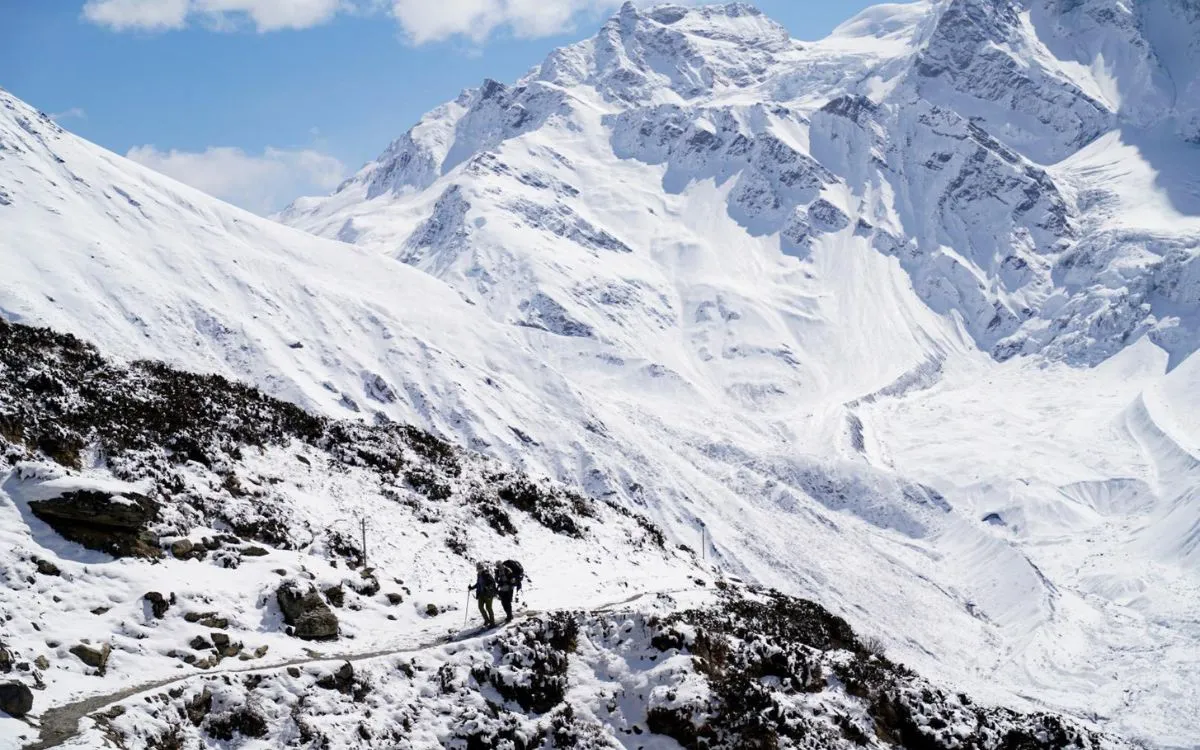
Trekkers hiking on mountain trail in Manaslu region Nepal with village in valley below
The majority of villages located in the lower areas of Machha Khola, Jagat, Deng, and Namrung have access to both NTC & Ncell service coverage in the Manaslu Region. However, the higher you travel up to areas like Lho, Samagaun, Samdo, and Dharmasala, the lower your chances of having access to a good cellular network. Additionally, at some point, you may find that there is no cell coverage at all. Due to these challenges, many of the teahouses throughout the Manaslu Circuit do provide internet (WiFi) access for a fee, with varying speeds based on weather conditions and access to electrical power. Most trekkers will try to use the teahouse's WiFi for sending messages or making phone calls and basic internet browsing. Being aware of what the current internet situation is for the Manaslu Circuit will help you manage your communication while trekking and prepare for any surprises that may arise.
In this blog, you will find clear information, village-wise network details, cost insights, and practical guidance. The information is based on verified sources, field experience, and reliable observations so you can plan your communication needs confidently and stay prepared throughout the Manaslu trekking journey.
Mobile Network Providers in Manaslu Region
The mobile services in the Manaslu region are predominantly provided by two companies, Ncell and Nepal Telecom. Because of the diversity of terrain, the location of the towers, and the altitude above sea level of the villages, there are differences in their services from village to village.
NCELL
Ncell network Manaslu region covers most of the lower section of the Manaslu trek. You'll usually find a usable signal for both phone calls and basic data from Soti Khola, Machha Khola, Jagat, Deng and Namrung. As the altitude increases towards Lho, Shyala, Samagaun, Samdo and Dharmasala, there are fewer towers at higher altitudes, so the Ncell signal will get weaker. For trekkers utilizing Ncell, expect long periods of no mobile service after Namrung.
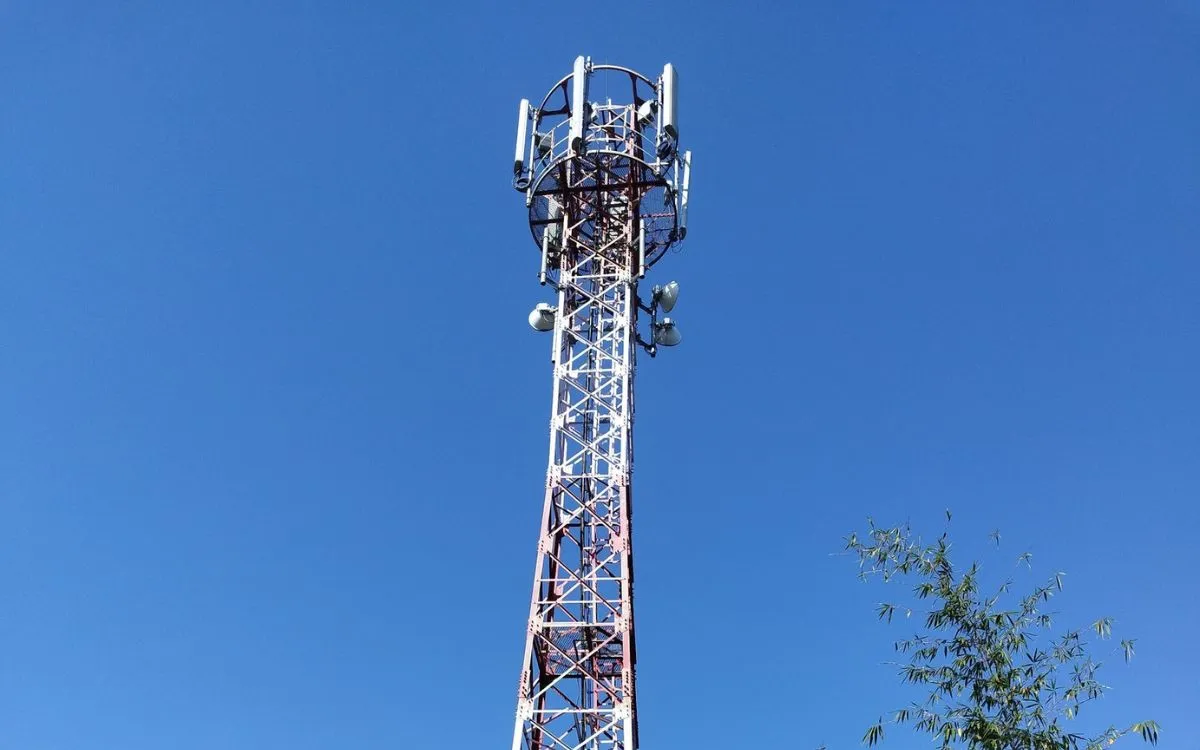
Mobile phone tower telecommunications of NTC in Nepal providing network coverage in Manaslu region
NTC
NTC network Manaslu region is generally viewed to be more stable than Ncell across several trekking regions in Nepal including Manaslu region. NTC will provide coverage to almost all of the lower and middle-altitude villages and into limited coverage at higher altitude. The coverage is not strong, but NTC's overall performance is better than Ncell's at higher elevations. The data speeds are usually very slow and subject to interference by poor weather and therefore, NTC offers much greater opportunity for basic calls and SMS. Therefore, many Nepali guides, villagers and trekkers recommend that you should carry an NTC SIM card if you wish to have maximum coverage throughout your trek around the Manaslu Circuit.
Which Network Works Better in Manaslu Region: Ncell or NTC?
Feature
NCELL Network in Manaslu Region
NTC Network in Manaslu Region
Coverage in Lower Villages
Strong 3G/4G signal in Soti Khola, Machha Khola, Jagat, Deng, Namrung
Strong 3G/4G signal in same villages, slightly more consistent
Coverage in Mid Altitude Villages
Weak 2G/EDGE signal in Lho, Shyala, Samagaun; 3G rare, 4G unavailable
Limited 2G/EDGE signal in Lho, Shyala, Samagaun; occasionally weak 3G, better than Ncell
Coverage in High Altitude Villages
Almost no signal in Samdo, Dharamsala; 2G rare
Limited 2G signal in Samdo, rarely in Dharamsala; better reliability than Ncell
Call Quality
Clear in lower villages; frequently dropped in mid and high villages
Clear in lower and mid-villages; slightly better in high villages than Ncell
Mobile Data
4G available only in lower villages; very slow or unavailable in mid and high villages
3G/4G rarely available above Namrung; 2G internet works in some high villages
Recommendation for Trekkers
Useful for calls and data in lower regions; not reliable in high-altitude areas
More dependable across most villages; preferred SIM for higher coverage on the Manaslu trek
Where to Get SIM Cards in Nepal and How Much They Cost?
Before beginning the Manaslu trek, trekkers can obtain a SIM card in either Kathmandu or Pokhara. Official Ncell and NTC stores both sell SIM cards made for the Manaslu region. However, you have to provide proof of your identity (a valid passport or copy of your passport) when you register your SIM card with either provider.
The price of a SIM card typically ranges from 500 NPR for Ncell and between 500 to 600 NPR for NTC. After purchasing your SIM card, you will also need to add a data package to enable internet access. For minor data use (1-2 GB), the 7-day packs generally cost around 300 to 400 NPR. These medium-size packs (5-6 GB) usually last for 15 days and cost about 800 to 1,000 NPR. Finally, the large-size packages (10-12 GB) typically last for 30 days and can cost between 1500 and 1600 NPR, but keep in mind that you may not have full access to your connection given the limited ability to use your sim card at higher elevations.
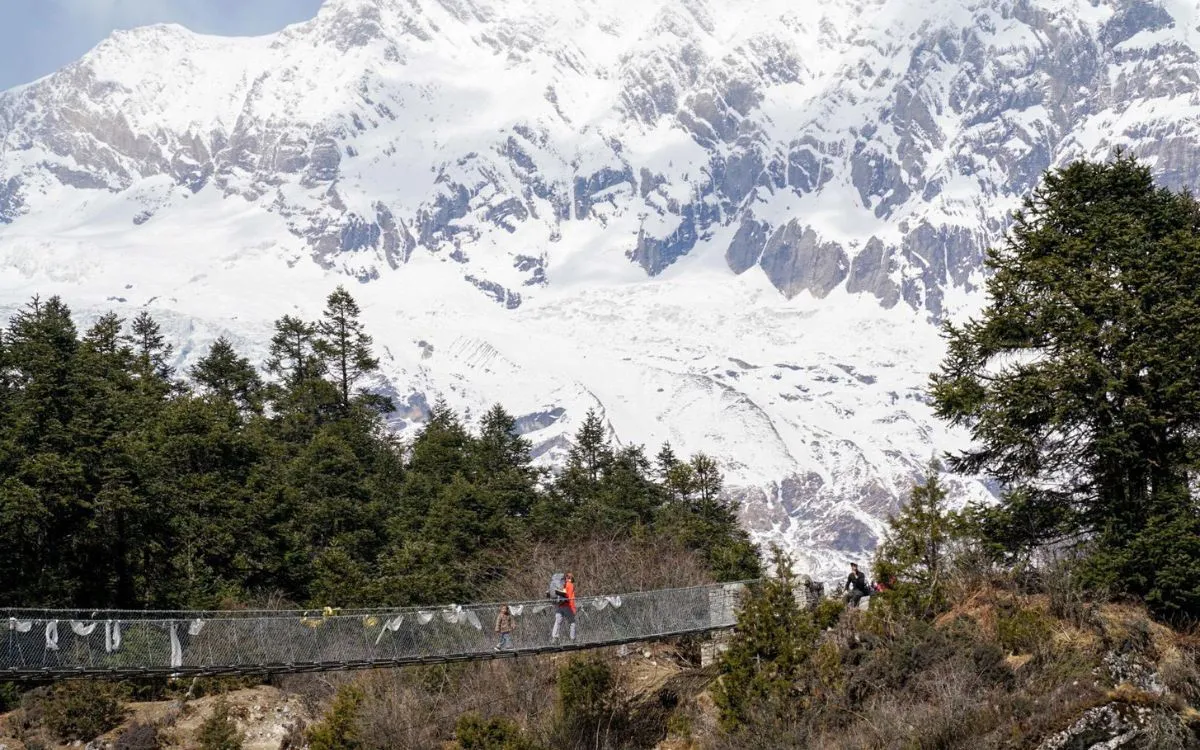
Solo trekker on snowy Manaslu trail with dramatic Himalayan peaks in background
A 5-6 GB Data SIM card will be enough to check weather, send messages, & browse lightly on a normal 12 to 18 day trek on Manaslu. Trekking to higher altitudes causes most connectivity problems; therefore, you should turn on your SIM and recharge it before leaving any metropolitan areas. Some larger teahouses provide limited recharge services, mainly for NTC SIMs. Some trekkers may carry both SIM cards, but as the trek continues through different areas of Manaslu, NTC provides more reliable coverage overall than Ncell.
WiFi & Alternative Internet Options in Teahouses in Manaslu Trek
In most areas of the Manaslu Circuit, it is possible to connect to WiFi at teahouses; however, the speed and availability depend on the teahouse's location. The larger villages located at lower elevations like Jagat, Deng, and Namrung generally have reliable WiFi, and costs around 100-200 NPR per hour.
At high elevations, villages such as Lho, Samagaun, Samdo, and Dharamsala have less access to reliable WiFi. The connections are slower and depend on the availability of electricity. As an additional communication option, trekkers may also consider using a satellite phone or a VSAT phone; these are primarily used for emergency situations and by trekking guides. Although they can be costly, they will work in areas not covered by either Ncell or NTC network service in the Manaslu region. For these reasons, trekkers should download maps and guides and prepare to use teahouse WiFi services for light communication.
How is the Internet and Mobile Connectivity on the Manaslu Trek?
Internet Availability on the Manaslu Trek
The availability of the internet on the Manaslu trek is limited, and it varies greatly according to the altitude and location of the villages. Most of the lower altitude villages such as Machha Khola, Jagat and Namrung will generally offer teahouse Wi-Fi services, and this is generally adequate for communicating via messages, checking the weather and light browsing. However, mid-altitude villages like Lho and Samagaun will generally have a very slow and unreliable form of Teahouse Wi-Fi, while high-altitude villages like Samdo and Dharamsala will likely not offer any internet access whatsoever. Because of this, the overall difficulty of the Manaslu Circuit Trek increases, and people who have hiked in Nepal before know that internet access is often unreliable; therefore, beginners attempting Manaslu should be aware and prepared for limited or no connectivity.
Mobile Coverage on the Manaslu Trek
Mobile network coverage throughout the Manaslu trekking region varies according to the Network Provider used. Generally, the NTC network in the Manaslu region offers greater network coverage, therefore allowing for its use in most of the lower and mid-altitude villages along the route. The Ncell network in the Manaslu region performs well in some of the lower-altitude villages and as you climb towards the higher-altitude villages, the coverage becomes poorer or is not available at all. At each of the higher altitude villages of Samdo, Dharamsala and in and around the Larkya La Pass, you'll have little to no mobile signal, meaning there may be no possibility of being able to make or receive telephone calls or text messages. Trekkers are advised to bring with them an NTC SIM Card, as this offers the best possibility of being able to stay connected.
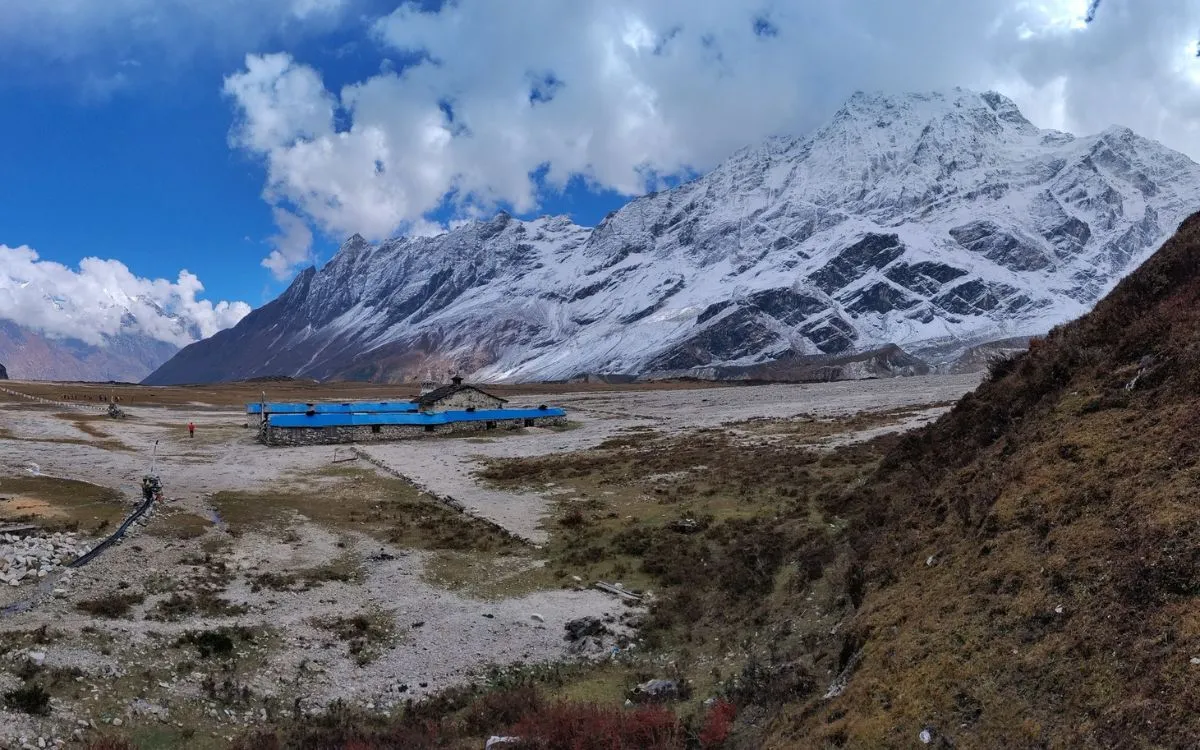
Remote teahouse with blue roof in Manaslu trekking region Nepal surrounded by snow-capped mountains
Practical Tips for Staying Connected on the Manaslu Trek
In the Manaslu area of Nepal, NTC has the best coverage in lower and middle altitude villages as well as providing superior service to Ncell for higher altitude locations. Ncell’s strongest performance is found only in places like Jagat and Deng.
SIM cards can be purchased in Kathmandu or Pokhara at 500-600 NPR and a medium data plan of 5-6GB for 12-15 days costs about 800-1000 NPR, which is generally sufficient for SMS, weather apps, and light web browsing.
Most of the lower altitude teahouses charge 100-200 NPR/hour for WiFi. In the higher altitude teahouses (including Samdo and Dharamsala), WiFi will usually be very slow and/or spotty or not exist.
Download offline maps, trekking guides, weather apps, and essential information before beginning your trek because mobile phone data and internet access are both unreliable once you go above Namrung.
Charging facilities are available at most teahouses for a nominal fee. In remote villages, electricity could be scarce and would typically be generated by solar power. Bring a 10,000-20,000 mAh power bank to keep your devices fully charged and usable.
When trail hiking to the high altitude villages or Larkya La Pass, do not expect to have any mobile phone and/or internet connectivity; make plans with your family or other emergency contacts and make plans for offline route-finding and emergency situations.
Also, satellite phones and VSAT devices work in places where mobile services fail, but they are expensive and typically used only by guides or expeditions.
Manaslu Trek Connectivity Blackout: What Trekkers Should Do
Unlike other high-altitude treks like Everest Base Camp and Annapurna circuit villages on the Manaslu trek and other remote regions do not have a lot of mobile and internet connectivity. For example, locations such as Samdo, Dharamsala and areas around the Larkya La Pass frequently have little or no mobile service, while WiFi service in most teahouses is either extremely slow or not provided at all. Neither the NTC Network nor the Ncell Network in the Manaslu area will likely function throughout these areas as well.
Therefore, trekkers should be prepared for the possibility of going offline during their trek. Offline maps, trekking guides, and weather information should be downloaded when in the lower villages and sent to family members or other emergency contacts prior to leaving. Each trekker should carry a fully charged power bank and backup batteries to power any essential devices. Some guides may have access to a satellite phone or VSAT device to contact emergency personnel, even where there is no cellular network.
Frequently Asked Questions
Which SIM card works best for the Manaslu trek?
The NTC SIM card is the most effective choice, providing superior signal coverage in lower,elevation as well as in mid-elevation and some higher elevation villages. The Ncell SIM card only reliably operates in lower elevation villages like Jagat and Deng.
Can I use mobile internet for navigation during the trek?
Since internet access is limited yet oftentimes totally unavailable at higher elevations, the trekker should always best practice to download maps prior to leaving on their trekking mission.
Are there teahouses with reliable WiFi on the entire Manaslu Circuit?
Typically, Wi-Fi services are available at the majority of lower-elevated villages, however at some point as the trekker moves to a higher elevation village such as Samdo or Dharamsala, the Wi-Fi becomes intermittent, and in some cases, may cease functioning altogether.
How much does mobile data cost in the Manaslu region?
For a period greater than 12 days but less than 15 days, the medium size data packs of 5—6 GB cost approximately 800—1000 NPR and small size packs of 1—2 GB are approximately 300—400 NPR.
Is it possible to recharge SIM cards or data packs along the trek?
Yes, however, options for recharging the SIM cards and the data packages are limited, therefore it is advisable to obtain new SIM cards and data packages when passing through Kathmandu or Pokhara, if possible.
Do high-altitude villages have electricity to charge phones?
Some of the tea house facilities have electric services available to a limited extent, most at a small fee, and in other places are dependent on solar energy. A power bank is recommended, to ensure that the trekker can obtain more charge while trekking.
Can I rely on Ncell or NTC for emergency calls in remote areas?
Most of the lower and mid-elevated villages can support NTC services; however the mobile network service will have limitations as the trekker ascends into a higher elevation from Samdo or the area of Larkya La Pass.
Should I carry a power bank or solar charger for the trek?
Yes, it is advisable to carry a power bank that has a capacity of between 10,000—20,000 mAh, or a small solar charger, to ensure a continual power source while trekking through remote locations.
Solo trekker on snowy Manaslu trail with dramatic Himalayan peaks in background
Conclusion
If you're trekking in Manaslu, it can be difficult to stay connected with friends and family while you're on the trail because there is very little cell service or internet access in the remote mountain villages. The NTC network has the most extensive and trustworthy coverage during the trek. The Ncell network only works well in Jagat and Deng and not in the villages above those locations.
It is not uncommon for teahouses to offer WiFi, but while the internet speed is high in the lower villages, it is very slow or nonexistent in the higher villages, such as Samdo and Dharamsala.
Make sure to plan ahead for staying in touch with your friends and family by downloading offline maps and trail maps, installing weather and forecasting apps, and bringing a fully charged power bank. Additionally, use an NTC SIM card to improve the network coverage along your trek route. Being prepared will allow for efficient ways to communicate and handle emergencies.


-4.webp)



-1.webp)
-1.webp)
-1.webp)