When planning a trek in the pristine Himalayas of Nepal, it's essential to understand how your choice of operator impacts your safety, experience, and community. When travelers book trekking with local operator Nepal, they'll receive firsthand knowledge of the mountains, transparency and accountability in the services offered, and direct contact with those who operate the treks. A local trekking company in Nepal provides you access to managing your scheduling and permits while they monitor conditions in real time and respond quickly to changes that could impact your trek.
More than 2,000 trekking agencies in Nepal have been registered with the Department of Tourism and supervised by TAAN and other professional organizations. All licensed local Nepal trekking operators must comply with these rules, but most international companies use subcontracted local teams that add cost without providing any true local knowledge and experience. This issue is one of the primary factors to consider when choosing a reputable Nepal trekking tour operator.
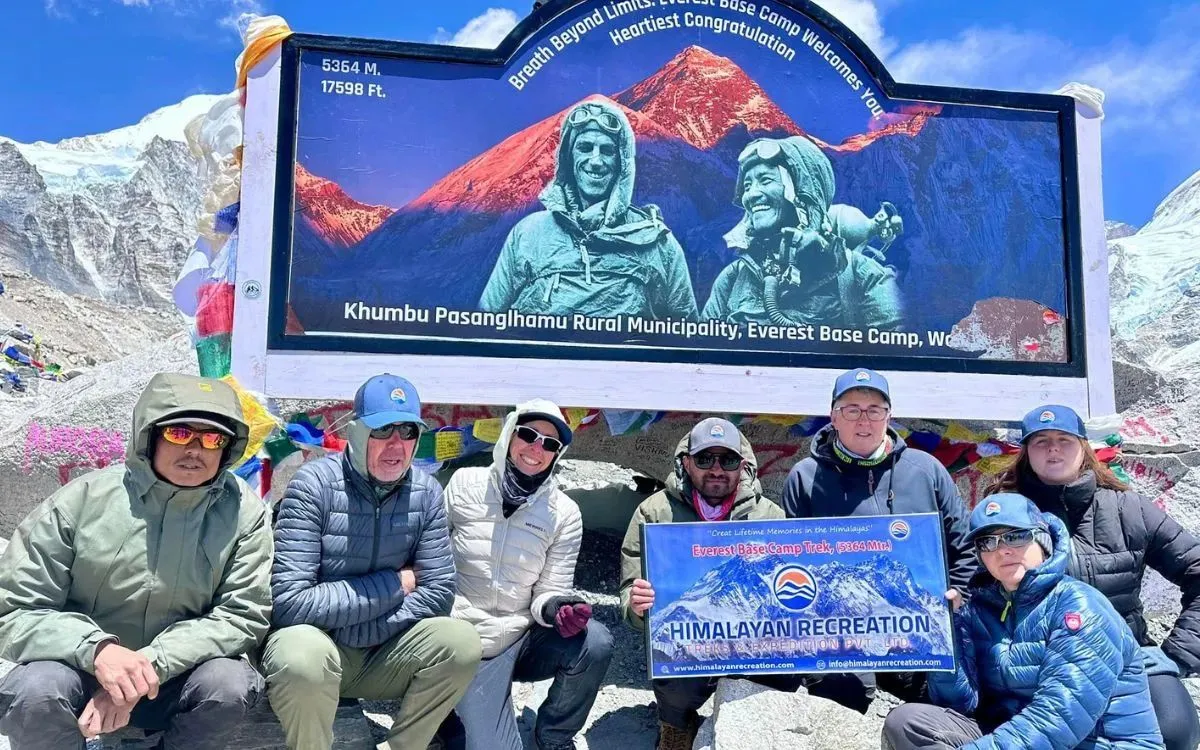
Everest Base Camp with Local Tour Operators
By working with an established local trekking company in Nepal, you will also benefit directly by being able to provide support for local guides, porters, and general mountain communities within Nepal. As a Nepal-based operator, we at Himalayan Recreation promote and actively practice sustainable trekking and responsible tourism standards. Our rates are both fair and straightforward; they accurately reflect the real value you receive from our service, whereas we do not sacrifice safety or professionalism to offer very affordable packages. We also support local communities through our local guides and porters who have extensive knowledge of the trails, culture, and mountain conditions found along the treks. This local knowledge of the area and community-based method is crucial to the success of popular trekking routes such as the Everest Base Camp trek and the Annapurna Base Camp trek.
Therefore, in this blog we have aimed to provide you with all the information you will need to help understand why to choose a local trekking company in Nepal, what local operators are doing, and what to consider when trying to plan your trek to the world’s best known trekking destinations in Nepal.
What a Local Trekking Company in Nepal Does and Why It Matters
A trekking company based in Nepal is responsible for making sure all aspects of a trek run efficiently and safely while maintaining continuity in their roles as well as those of their employees.
Local companies are responsible for finishing all of the necessary paperwork required for a traveller to trek through Nepal including TIMS cards, permits to trek in the national parks or conservation areas and the necessary approvals that are needed to trek in restricted areas that cannot be arranged by the traveller. The company is also responsible for providing transportation for trekkers to/from the starting point of the trek, which may include flights to a remote airstrip, such as Lukla, and for handling last-minute changes due to inclement weather that may cause a delay or cancellation of a trek which can be difficult when travelling with international companies.
Local companies in the Himalayas are responsible for coordination and safety. They provide licensed guides and porters, ensure that each trekker is acclimatising to changes in elevation on a daily basis and utilise tools such as pulse oximeters to measure oxygenation levels and identify early signs of altitude sickness. In areas that do not have mobile phone service, local companies use satellite communications and helicopter evacuation arrangements for medical purposes.
Local trekking companies' local connections are important in practical terms. Good relations with teahouse owners are important for gaining access to accommodation during peak periods, and local knowledge from guides and villagers enables them to react quickly to landslides, bridge collapses, or trail closures.
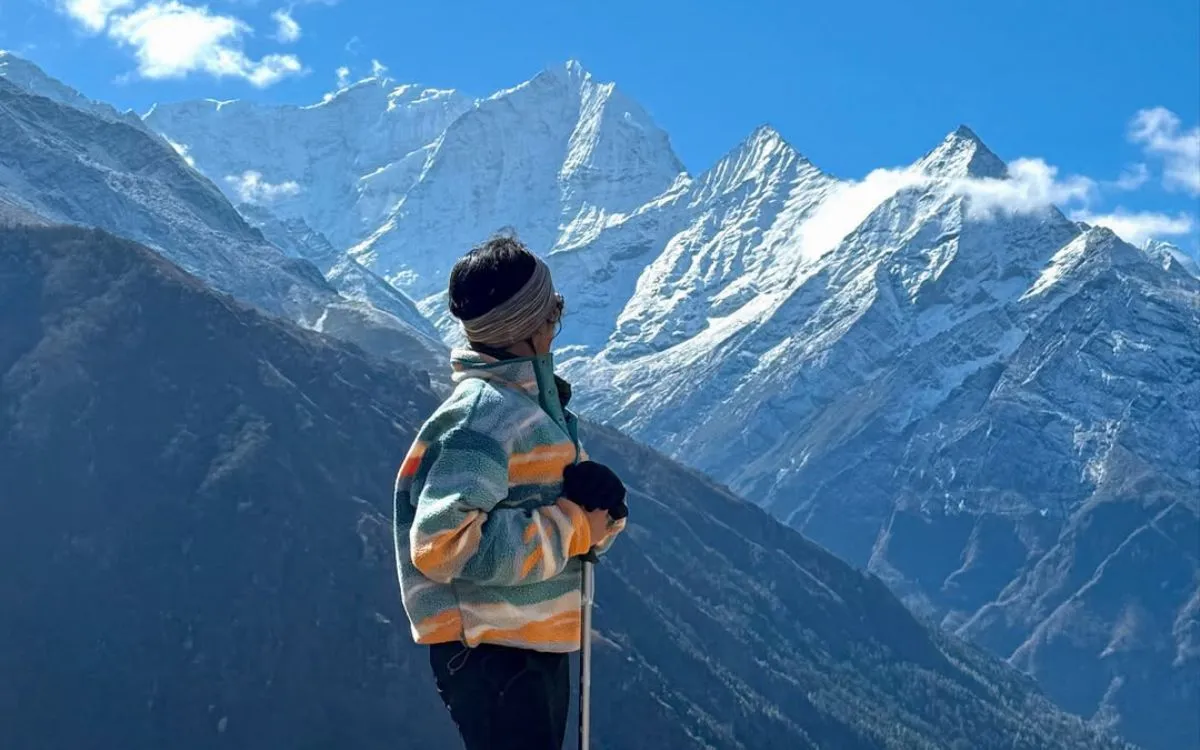
Authentic Himalayan Views in Nepal
Local vs International Trek Operators: Key Differences You Should Know
Practical Factor
Local Trekking Operators in Nepal
International Trek Operators
Pricing and cost clarity
Costs are normally broken down item by item, like permits, guides, porters, and accommodations. You get to see what you are paying for in the local environment.
Prices are sometimes offered as complete deals, with local expenses incorporated into a single overall amount.
Who guides the trek
Guides are licensed and local, and they know the routes they are on most of the year and how to handle altitude.
Trips can feature foreign leaders or local guides hired from a foreign office.
Knowledge of the route and conditions
Daily knowledge of weather, trail conditions, teahouse availability, and recent changes on the route.
Itineraries are usually planned in advance and followed closely unless changes are necessary.
How safety situations are handled
Decisions are made instantly using local contacts, satellite phones, and direct communication with rescue services.
Safety measures are systematic and may include coordination with groups based outside of Nepal.
Permit and paperwork handling
All permits are handled directly in Nepal, including restricted area documents and last-minute updates.
Permits are normally organized through local contacts before or after arrival.
Ability to adjust plans during the trek
Routes and rest days can be changed more readily depending on health, weather, or trail conditions.
Changes are possible but sometimes follow set policies or predetermined plans.
Communication while on the trail
Direct communication with local offices, making problem-solving easier in remote areas.
Communication can go through foreign offices and various time zones.
Where your money is spent
Most of the money stays in Nepal, benefiting guides, porters, lodges, and transport.
Overseas administration, marketing, and business are part of the expenses.
Benefits of Choosing a Nepal Trekking Local Operator
Many international travelers wonder if it makes any difference to book a trek in Nepal with local companies vs. large international companies. The answer is very apparent once you are out in the mountains, as a local trekking company in Nepal will offer many hands-on advantages.
On-ground knowledge: Local tour operators and their guides know the trails they work on every year. They understand genuine dangers like unstable bridges, landslide areas, or weather-susceptible routes that may not be marked on the map.
Good route familiarity: Guides learn from their daily experience to select better campsites, time their passage through crowded routes, and recommend culturally significant stops along the route.
Efficient permit processing: Local staff organize TIMS cards and all necessary permits for park or restricted areas from offices and checkpoints, cutting down on delays and confusion.
Good safety backup: Local operators track altitude sickness, carry simple emergency gear, and organize evacuations through local rescue services when necessary.
Fair pricing structure: With fewer middlemen, prices tend to be 20-30% lower than the international companies, with payments going directly to the guides, porters, and lodge owners.
Flexibility with weather and altitude: Itineraries can be changed on the spot due to illness, bad weather, or trail closures by using known alternative routes.
Direct communication: Trekkers remain in constant communication with the guides and local coordinators, enabling faster decision-making in remote areas.
We are a local trekking company in Nepal with nearly two decades of hands-on trekking experience. Our team consists of local guides and assistant guides and porters who work on major trekking routes throughout Nepal which includes Annapurna, Manaslu and Everest Base Camp. We handle all teahouse coordination while we manage both permits and logistics from our on-site operations. Our long-term experience in specific routes enables us to create trek plans that reflect actual trail conditions and seasonal variations and the real conditions of the Himalayas. Feel free to contact us.
Regulations and Licensing of Trekking Companies in Nepal
Organized trekking in Nepal is a regulated activity, and trekking companies in Nepal are required to be registered and have a license to operate before they can conduct treks. A registered trekking company is one that is registered with the Office of the Company Registrar, and it has a trekking license from the Department of Tourism, which is under the Ministry of Culture, Tourism, and Civil Aviation. The registration of a trekking company ensures that it is authorized to operate in Nepal’s trekking areas.
A trekking company that is licensed to operate in Nepal is required to comply with the laws of tourism and conservation when it is operating in national parks, conservation areas, and restricted areas.
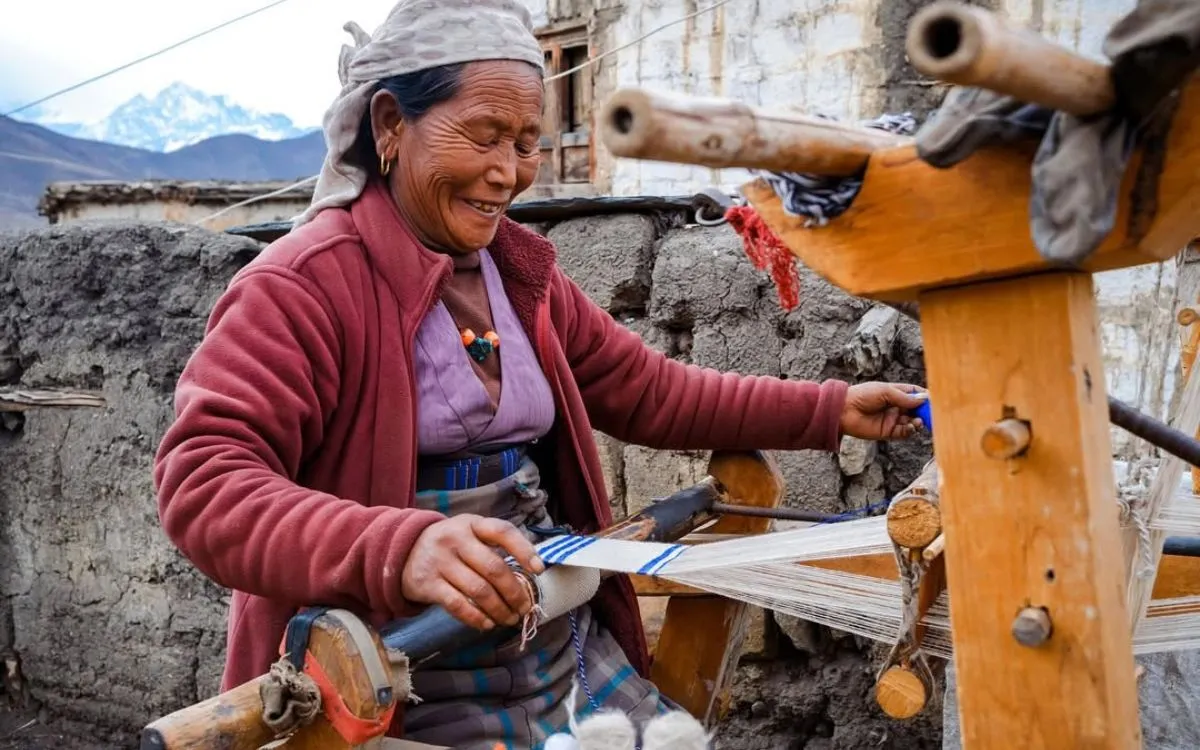
Nepali woman weaving traditional fabric in mountain village
Guides are required to be trained and licensed, and they are supposed to carry valid guide licenses while trekking. Trekking companies are also required to provide insurance coverage for guides and porters, especially for high-altitude treks, which helps protect the staff in case of injury or evacuation.
The companies are required to follow labor standards, environmental regulations, and safety procedures, including respect for protected areas and communities.
How Local Trekking Companies Support Guides, Porters, and Mountain Communities
The trekking industry is an important source of income for the remote mountain areas of Nepal. By providing employment to local guides and porters, the trekking economy helps support those villages where there are few other ways to make a living. The wages from trekking peaks during the trekking season often allow families to survive for the entire year.
Mountain trekking companies have staff who are from the local mountain communities; adhere to porter load limits; provide insurance; and offer basic training for porters at high altitude. Additionally, they also utilize locally-owned teahouses and food suppliers, keeping tourism in the trekking area.
Travelers can provide support to responsible tourism through the selection of an operator that practices direct relationships with Nepalese tour operators and works according to local norms and regulations. When you book your trek with a Nepalese operator, your trek provides fair employment opportunities for people in the villages, supports the local economy in the villages where they operate, and helps to sustain the long-term viability of the local Himalayan communities in Nepal.
Cost Differences Between Local and International Trekking Operators
Prices for trekking in Nepal vary significantly depending on the structure of the trek and where the cost is incurred. One of the best examples of this is the Everest Base Camp Trek.
Local trekking companiescan offer prices between $1,200 and $1,600per person, and this price usually includes a local guide and porter, necessary permits, lodging at tea houses, food while on the trek, ground transportation, and insurance for the porter. Flight prices for traveling to Lukla will either be included in the operator’s quote as part of the overall package or itemized separately.
Conversely, International trekking companies charge $2,000 to $3,000 or more for the same trek. The price of the package usually includes costs associated with the same services received when trekking with a local operator as well as associated international costs such as overseas office expenses, international marketing and advertising, commissions paid to agents, and in some cases, a foreign trip leader. As a result of these added costs on international operators, the same trail services will still be provided by local teams but will be charged at an increased overall price.
In practical terms, the cost of using local operators is approximately 20% to 40% lower because they deal directly with the guides, porters, lodges, and transportation companies in Nepal.
Why Local Expertise Matters on the Trek’s in Nepal
When trekking in Nepal, it is essential to have experienced local experts. The weather and the physical environment changes frequently and at times without any warning. A knowledgeable local guide understands the trails, the hazards related to altitude, the weather patterns, how to properly acclimatize to altitude using the current conditions on the ground, not based on a planned itinerary.
Experienced local guides also will adjust your pace of walking, add extra rest days to your itinerary, or change your route on the trek if there are hazards such as excessive snow blocking a mountain pass due to a recent storm or landslides, etc.
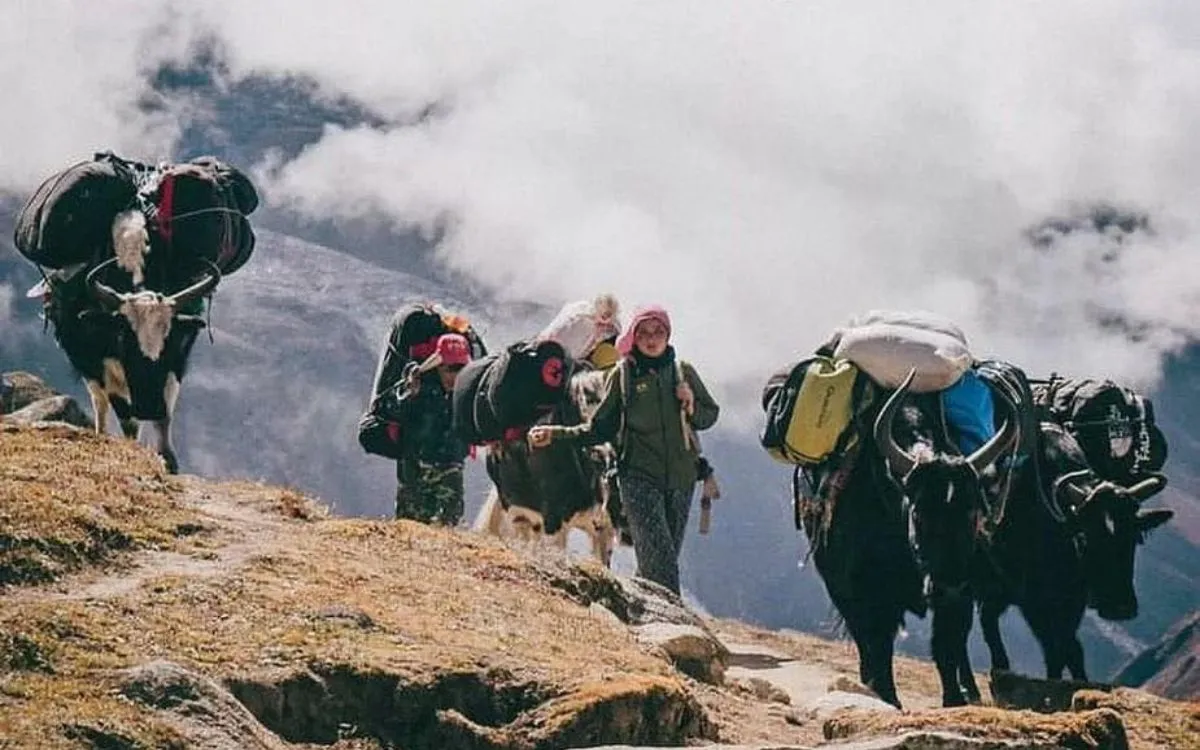
Yaks carrying supplies on Nepal trekking trail
Local guides also communicate directly with teahouse owners, ground crews/porters and helicopter/rescue services to manage logistical support and emergencies when trekking in remote locations. This local practical experience provides a great deal of safety, improves decision-making and enhances overall reliability of the trek, especially when trekking at high altitudes.
Tips for Choosing the Best Local Trekking Company in Nepal
Ensure the trekking company is registered to the Department of Tourism and is a member of TAAN to make sure they operate legally and meet all requirements set out by the government.
Proof of their guides being certified and experienced for high altitude trekking as well as having prior training in both first aid and emergency responses is also very important.
Make a list of your trek packages and systematically compare the many things included like: permits, accommodations, meals, porterage and transportation, and avoid operators that are not very clear about their pricing or if their pricing is unusually low.
Review the company's policies regarding altitude sickness and other emergency protocols and ensure they have sufficient safety equipment and communication systems.
The operator you chose should support the local economies by providing jobs for local guides and porters, working with local accommodations and promoting environmentally sustainable trekking practices.
Read the reviews from other travelers using this trekking company to help determine how reliable and organized they are and the quality of service they provide.
Look for operators that offer flexibility in the itinerary, i.e. by providing side trek options, cultural experiences, or ability to adjust the duration and difficulty level of the trek for you.
Be sure to get the company's cancellation, refund and insurance policies in order to minimize any surprises on your trek.
FAQs
How much does a local trekking company in Nepal charge for Everest Base Camp trek?
The cost of a trek with a local trekking agency in Nepal for a 12-14 day Everest Base Camp trek can range between $1,000 and $1,500 per person. This cost includes trekking permits, accommodation, meals, guides, porters, and transportation.
Are local trekking guides in Nepal experienced for high-altitude treks?
Guides working with a local trekking agency in Nepal are trained and certified, with experience on high-altitude treks such as Everest Base Camp, Annapurna circuit and even peak climbing. They are knowledgeable about altitude sickness prevention, first aid, and emergency response, and also provide very useful insights into the culture and environment along the trek.
Can you customize your trek with the best local trekking company Nepal?
Local agencies provide flexible treks that can be customized according to your interests and fitness level. You can change the route, duration, difficulty level, and accommodation type as per your requirements.
What services are included when you book trekking with a local operator Nepal?
The basic services include permits, TIMS cards, accommodation, meals, licensed guides and porters, and transportation to and from the trailhead. Emergency services and evacuation facilities are also provided, with additional services such as equipment rental or private transportation.
How do Nepal trekking local operators handle emergencies and altitude sickness?
Professional local operators train guides in first aid, carry oxygen and communication devices, and monitor trekkers for altitude sickness. They maintain connections with local health posts and rescue services to ensure timely assistance if needed.
What is the average group size for a trek with a local operator in Nepal?
The local operators in Nepal generally limit their treks to a small number of people, 4-12, to ensure that the trekkers are safe and sound. Private treks or slightly larger groups can also be organized.
How to find trustworthy local trekking companies in Nepal?
One should look for local operators who are registered with the Department of Tourism and TAAN, have qualified guides, and are safe and reliable.
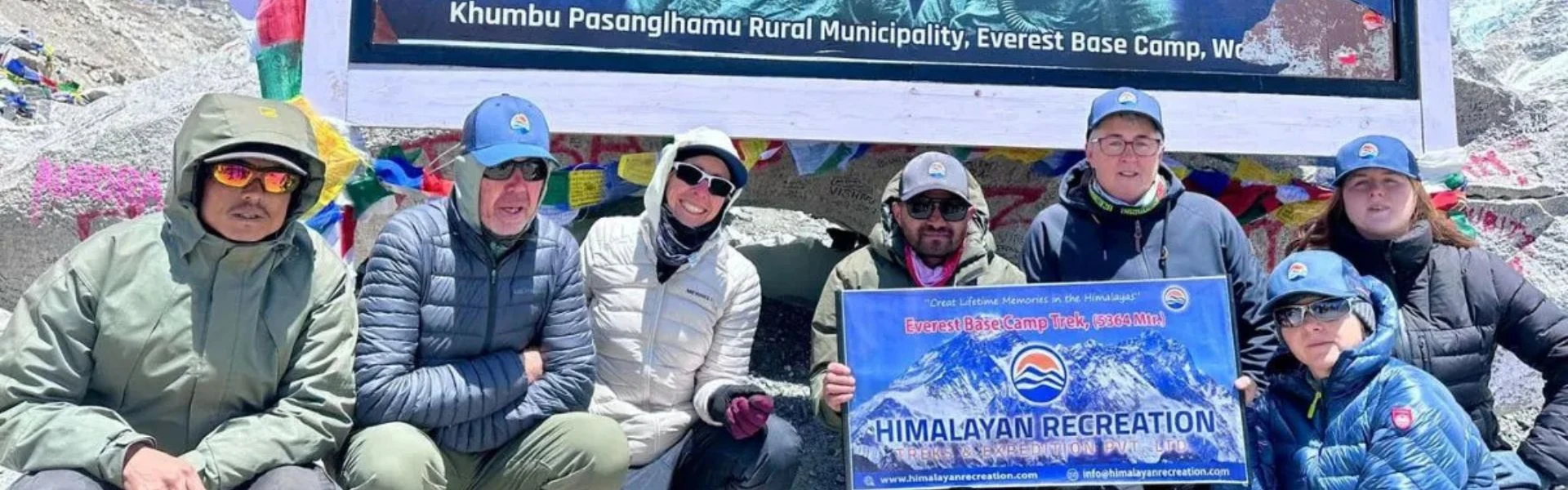
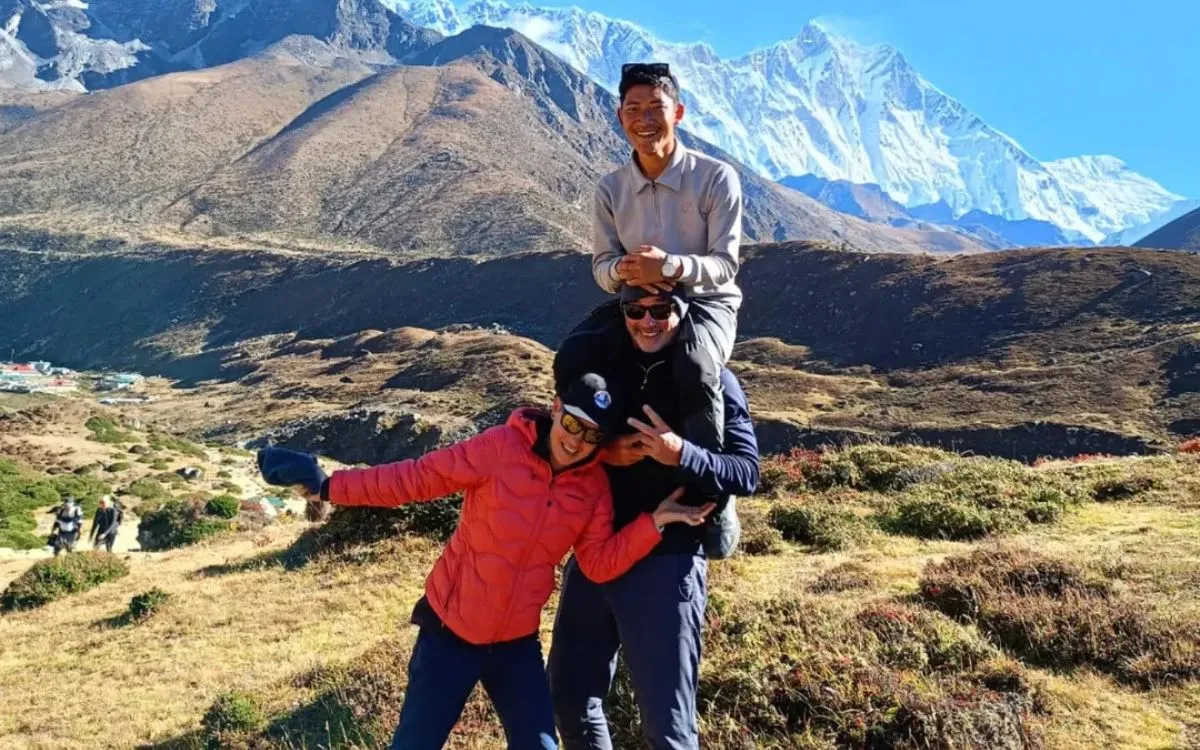
Group of trekkers with local Nepali guide in the Himalayas
Conclusion
It really does make a difference to choose a local operator for trekking in Nepal. When you choose trekking with a local operator in Nepal, you get the benefit of local knowledge, reasonable costs, flexible plans, and direct assistance to guides, porters, and mountain communities. A local trekking operator in Nepal takes care of permits, security, and arrangements on the ground, as they are quick to react to weather, altitude, and terrain conditions.
In comparison to foreign operators, a local trekking operator in Nepal provides better value and local knowledge, particularly for treks such as EBC local operator and Annapurna Base Camp trekking local operator. If you are planning your trek and want reliable local support, contact Himalayan Recreation for expert guidance and responsible trekking in Nepal.





-1.webp)
-1.webp)
-1.webp)