Dakshinkali Temple is one of the well-known Hindu temples in Nepal. The temple is situated roughly 22 km south of Kathmandu. It is dedicated to the fierce goddess Kali and listens to the requests of the devotees from within the green woods of Pharping. People travel to this sacred place to sacrifice goats and roosters and leave gifts in the hopes of receiving blessings, protection, and wealth.
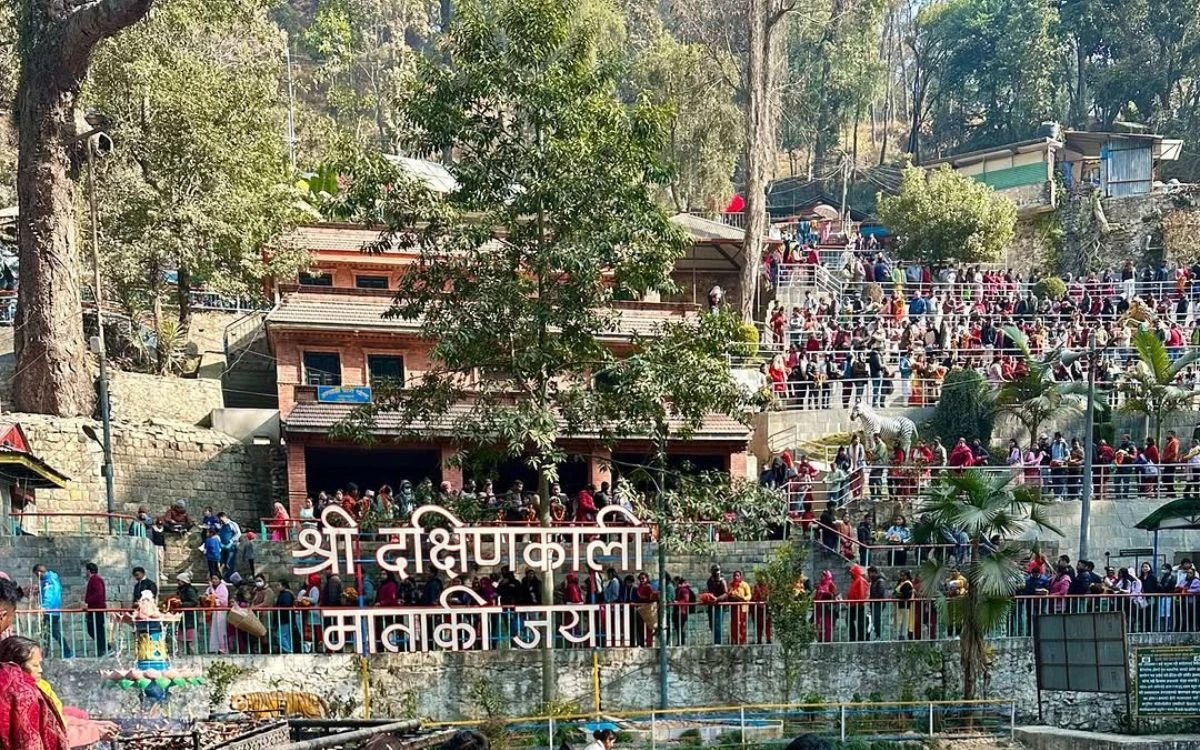
Crowds of devotees gathering at the entrance of Dakshinkali Temple amidst lush trees.
Davkshinkali Temple is usually a very busy place of worship situated in a peaceful natural environment. It is also a popular site for those interested in history, nature, and spiritual exploration. Dakshinkali Temple can offer something different for whichever visitor's thirst for adventure meets, be it exploring a rich culture, casual forest trekking, or witnessing ceremonies, including worship rituals. Kali is known to have many arms that each hold a sacred symbol of power over a multitude of human circumstances. The temple's sanctity is compounded by the gentle sounds of the Bagmati River and the green hills that encase the temple.
Beyond its religious significance, the Dakshinkali Temple represents a rich repository of cultural treasures that live on through ancient marching orders and practices. The temple is part of a whole where daily lifeways flow together with spiritual traditions passed down from generation to generation. Let us take you on a journey into the depths of Dakshinkali, where we will make sense of the temple, its historical origins, and the inter-relationship between nature and divinity.
Highlights of Dakshinkali Temple
Goddess Kali Shrine
Religious Sacrifices
Calm Natural Setting
Rituals and Festivals
Scenic Trails
History of Dakshinkali Temple
The history of Dakshinkali Temple revolves around ancient religious beliefs and local folklore. In fact, many accounts believe the temple of Dakshinkali was established following a divine encounter.
The Mythological Tale
One of the cherished stories has it that there was King Pratap Malla, one of the known kings of Kathmandu. The story goes that he saw in a dream Goddess Kali, who ordered him to build a shrine to her. Fitting the divine instructions, he ordered a temple to be constructed at some lonely wooded spot south of Kathmandu and belonging to this shrine,ne he gave the name Dakshinkali (where dakshin in Sanskrit means "south" and kali refers to the goddess). Presently, the Dakshinkali Temple enjoys a large number of devotees who worship Goddess Kali. Thousands visit the temple to pray and sacrifice animals, particularly during important festivals in Nepal.
Architectural Significance
Unlike the rest of Nepal´s multi-tiered pagoda temples, Dakshinkali has no such complex architecture. The temple is very minimalistic and yet creates a very important place. The temple looms out of the forest and next to a river, creating a mysterious and sacred feeling. The central shrine has a fierce stone image of Goddess Kali. Kali has many violent arms and is standing on a dead demon, symbolizing the end of evil.
Walkthrough: What would you find at Dakshinkali
Main Temple Complex
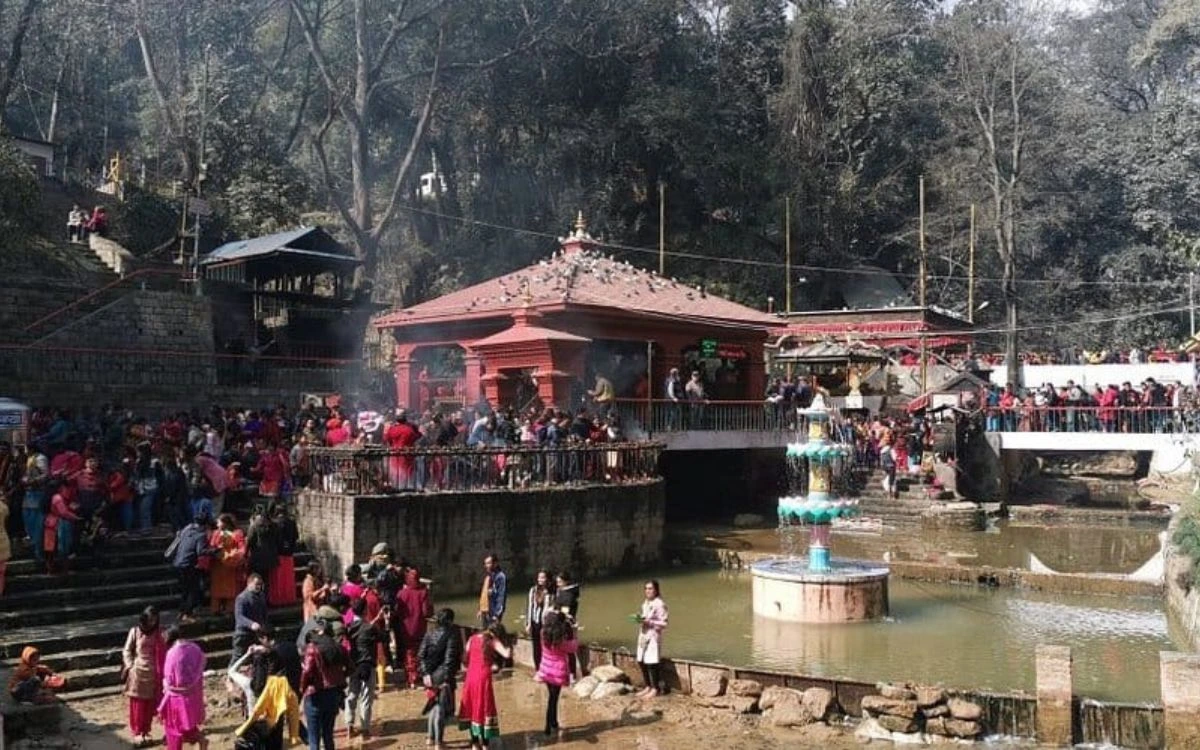
The main temple complex of Dakshinkali featuring a red pagoda-style roof and a central fountain.
Within the lush green forest, the main temple is surrounded by giant green trees and the river nearby. As one enters the inner temple and temple premises, they come in the welcome presence of the giant statue of Goddess Kali, adorned with garlands and offerings.
Goddess Kali Statue: A rough and tough-looking black granite statue; she possesses many arms holding weapons and symbols.
Devotee Area: An open courtyard reserved for devotees to gather during prayers or offerings.
Animal Sacrifice Zone: An area for animal sacrifice, a ritual carried out here on certain days, especially Saturdays and during Dashain.
Nature and Views
A truly distinctive feature of Dakshinkali Temple is its beautiful natural environment. Visitors can walk the forest pathways nearby, breathe the clean air, or even hike to either Pharping or Champadevi.
Sacred Courtyard
The temple courtyard holds a very strong spiritual energy. Devotees lit oil lamps, offered flowers, and chanted prayers. The courtyard becomes a more vibrant site as it is filled with devotees, priests, and visitors during festival seasons.
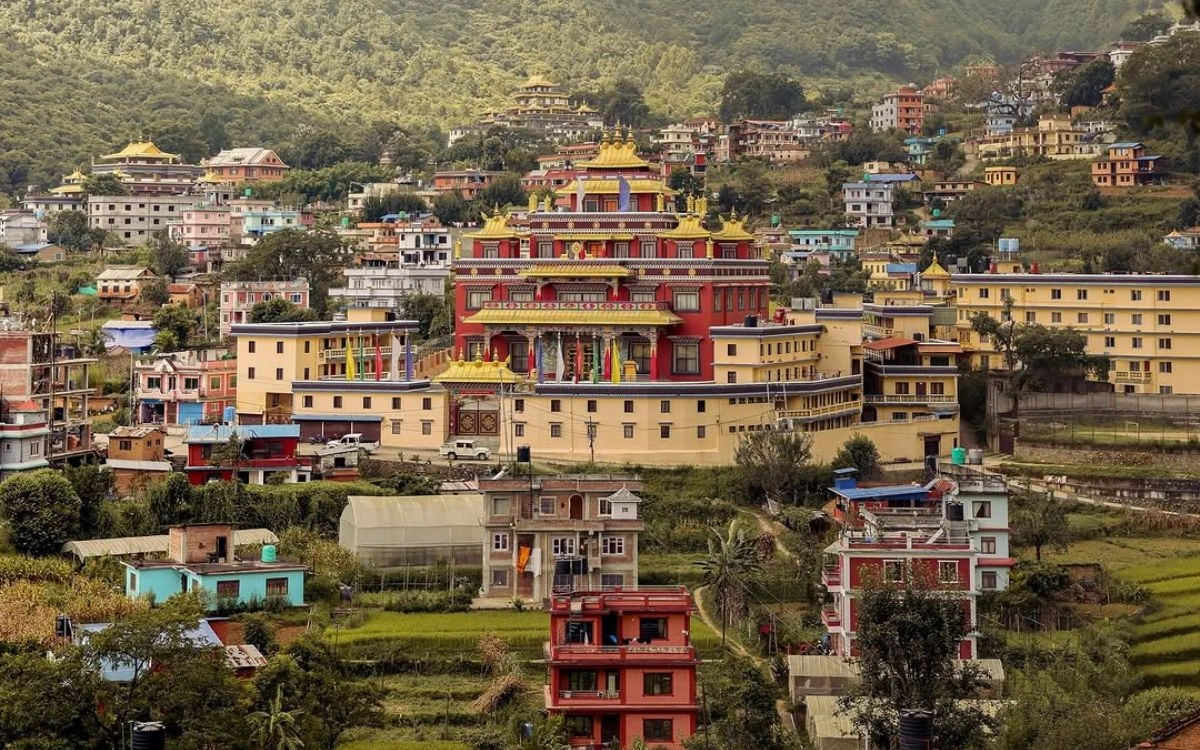
Pharping Village is just a short distance from the temple. Pharping village is popular for its ancient Buddhist monasteries and traditional Newar culture. If you visit Dakshinkali, Pharping Village is the most visited place for you.
Things to do at Dakshinkali Temple
Attend Ritual Offerings
See this unique rite of animal sacrifices intrinsically offered to Goddess Kali. Animal sacrifices have been a cultural ritual in the temple and are generally undertaken on Tuesdays, Saturdays, and during the Dashain festival.
Explore the Natural Trails
Stroll quietly along the forested hiking trails near the temple. The serene environment is perfect for nature lovers. The forest and rivers make the temple more beautiful and the scenery.
Visit Pharping Monasteries
Pharping villages are known for their sacred Buddhist monasteries and historical significance. The village is just a short walk from the temple. Explore its traditional Newari culture.
Enjoy Local Delicacies
You can enjoy local Nepali foods like momo, bara, and newari khaja set. Trying local delicacies adds to the experience.
How to reach Dakshinkali?
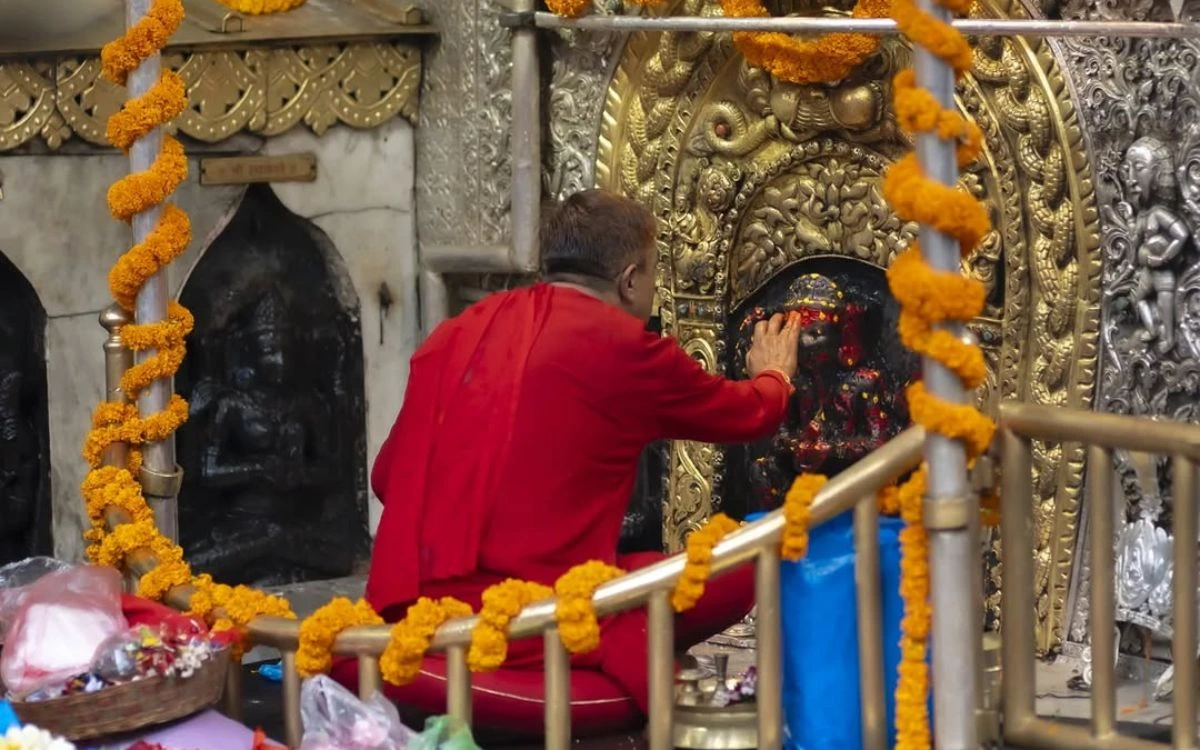
A priest in red robes performing a ritual at the sacred Goddess Kali shrine.
From Kathmandu
Taxi or Ride-Sharing Apps: A taxi is available easily. The taxi rides from Kathmandu may take around an hour and may cost around 1000-1500 NPR.
Public Bus: Buses are available from different areas of Kathmandu. You’ll get buses from Ratnapark, Koteshowr, Balkhu, and many other places to Pharping, and from there, you can go on a short hike or another local bus to the temple.
Private Vehicles: Visitors can also drive their vehicles, as the road conditions are good. Tourists can rent vehicles easily.
From Tribhuvan International Airport
A taxi ride takes around 1-1.5 hours, depending on the traffic of the city.
Dakshinkali has a temperate climate, with typical seasons providing very different experiences. The present weather in Dakshinkali provides information about which seasonal pattern is under influence.
Spring (March-May): It’s a beautiful time of the year with wonderful temperatures and rhododendrons in bloom. It’s a great time for hiking and seeing clear mountain views. The day starts with a chill in the morning,g thencooll and later becomes warm and comfortable in the afternoon, which is best for sightseeing.
Summer (June-August): The monsoon season promotes greenery but also results in rain showers. The trails may be slippery, but the foggy landscapes are alluring. Cafes guarded by rain lend a warm vibe to the cold confines.
Autumn (September-November): Autumn is regarded as the ideal time to plan a trip to Dakshinkali. The sky is clear, allowing unobstructed views of the Himalayas, and it’s comfortably cool.
Winter (December to February): The winter season is quite cold with a minimum temperature of approximately 1°C (33.8°F). But you will find the air extra crispy and the skies extra clear, which makes it a great time for photography. An insulated jacket is required for evening walks.
Dakshinkali offers something altogether unique at any time of the year.
Festivals and Events at Dakshinkali
Dashain
The celebrations at Dakshinkali for Dashain, in reality, the greatest festival in Nepal, see people thronging. People would visit the Dakshinkali Temple and pray for blessings, while the surroundings have been decked out with all traditional music and cultural events for the occasion. Devotees visit the temple for sacrificial rituals.
Kalika Jayanti
Kalika Jayanti is a massive celebration dedicated to the goddess Kali at the Akshinkali Temple. Many devotees from all over the country come to celebrate the massive day. Dakshinkali Temple is a hive of festival rites and fervent devotion on this day. In order to receive the goddess's blessing and to demonstrate their devotion and prayers, devotees come from all over the nation.
Navaratri
The nine-day-long festival, honoring Goddess Kali, the personification of power, the destruction of evil, and freedom, goes on. During these days, the devotees participate in religious rituals, attend special ceremonies performed in temples and homes, and chant mantras, among other religious activities.
Tuesday and Saturdays
Tuesday and Saturday are special days of worship with more visitors and sacrificial rituals. People often visit the temple these days for their beliefs and rituals. However, people visit on other days also.
Entry Fees for Dakshinkali Temple
Nepali Citizens: Free
SAARC Nationals: NPR 100 per person
Foreign Tourists: NPR 200 per person
Traveling Tips at Dakshinkali Temple
Always carry cash. Many shops still prefer it over cards.
The weather can change rapidly, so bring layers to stay comfortable.
Respect local cultures.
Visit early in the morning to avoid crowds.
Respect the sacred places.
Keep the environment clean.
Accommodation options in and around Dakshinkali Temple
If you want to stay in Dakshinkali, here are some good picks:
Haatiban Himalayan Height Resort
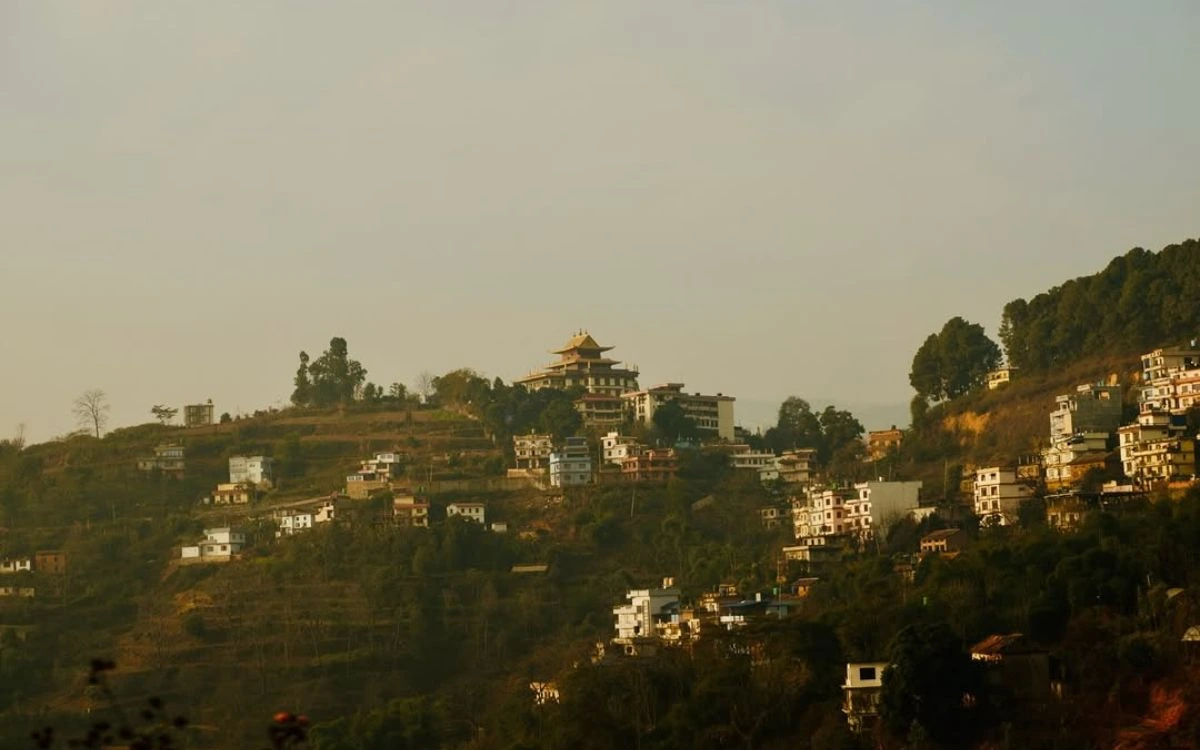
A scenic view of traditional houses and a monastery nestled on the forested hills of Pharping.
Hattiban Himalayan Height Resort is situated deep within the Hattiban forest near Pharping. The hotel is one of the best resorts in Kathmandu that welcomes you to take a relaxing tour and trek, where the comfort of urban life blends in perfect harmony with its natural beauty. Packages such as the tour to Dakshinkali Temple, Taudah Tour, Champadevi trek, etc., are offered.
New Dakshinkali Village Resort
New Dakshinkali Village Resort is one of the best properties near Kathmandu city in a purely natural environment. It is about 12 KM SW from Balkhu Ring Road. The hotels offer standard rooms, cottages, swimming pools, conference halls, restaurants, etc. The resort is just 15km from the Patan Durbar Square.
Solid Rock Lodge
This is the place to visit for an authentic taste of the local hospitality and dining experience. A completely organic vegetarian establishment with spotless rooms and gorgeous views, it offers a safe, unique environment to rest and recharge the body and mind while exploring a number of delicious dishes made with local produce that reflect the taste of the place.
Chhaimale Resort
The resort is just an hour’s drive from the city and just 4km away from the Akshinkalii Temple. If you are looking for a budget resort near Kathmandu Valley or Dakshinkali, the resort might be perfect for you. Chhaimale Resort offers a serene getaway with a green garden and a cooling terrace.
Frequently Asked Questions (FAQ)
Why is Dakshinkali Temple so popular?
Dakshinkali Temple is famous due to its religious significance, animal sacrifice rituals, and serene natural surroundings.
Are there any festivals celebrated at the Dakshinkali Temple?
Yes, Dashain and Navaratri are the two biggest festivals celebrated here, and thousands of pilgrims visit for prayers.
What are the nearby attractions of the Dakshinkali Temple?
Near Dakshinkali Temple, you'll find attractions like the Pharping Monastery and the Asura Cave.
The vibrant Neydo Tashi Chöling Monastery surrounded by the colorful residential buildings of Pharping village.
Who is the goddess Dakshinkali?
Mother Dakshinakali is the most popular form of Kali. She is the benevolent mother who protects her devotees and children from mishaps and misfortunes.
Conclusion
Dakshinkali Temple is not just a worship site; it is a great cultural heritage location showing the depth of Nepalese spiritual culture. Being located in a peaceful natural environment, the temple has fantastic landscapes that enhance its peaceful environment even more. You can see priests performing various rituals, which adds to the spiritual surroundings.
The temple is revered in the name of the goddess Kali and boasts a decent number of devotees who visit here to obtain blessings and offer prayers. The vibrancy of local culture is witnessed through the procession and celebrations organized here and is therefore an active destination.
The peaceful, open setting around the temple is also a horticultural dream for anyone who loves plants and nature. The surrounding water, as natural flowing streams, creates a serene atmosphere of comfort and peace. If you are a curious explorer eager to experience educational tourism on Nepal's spiritual customs and historical traditions, the Dakshinkali Temple is entertainingly informative and full of testimonial references to Nepali culture.
Therefore, however spiritually bent, nature and plant enthusiasm, or just pondering about the currents of Nepali culture, put Dakshinkali Temple on your list because it will be a lifelong experience. Remember, the comment part is also open, or contact us,s and we will certainly make something of every single moment.


.webp)



-6.webp)
-1.webp)
-1.webp)