
Choosing the Ideal Time to Trek Pikey Peak Dudhkunda Lake decides whether you get a sunrise over Everest and a mirror-still sacred lake, or a week of cloud and wet boots. Spring (March to May) and autumn (September to November) give the clearest skies, stable weather, and the most comfortable walking in the Solu region. This guide covers seasons, routes, difficulty, permits, packing, and cost, so you can plan the Pikey Peak and Dudhkunda Lake Trek with confidence.
Ideal Time to Trek Pikey Peak Dudhkunda Lake: Overview
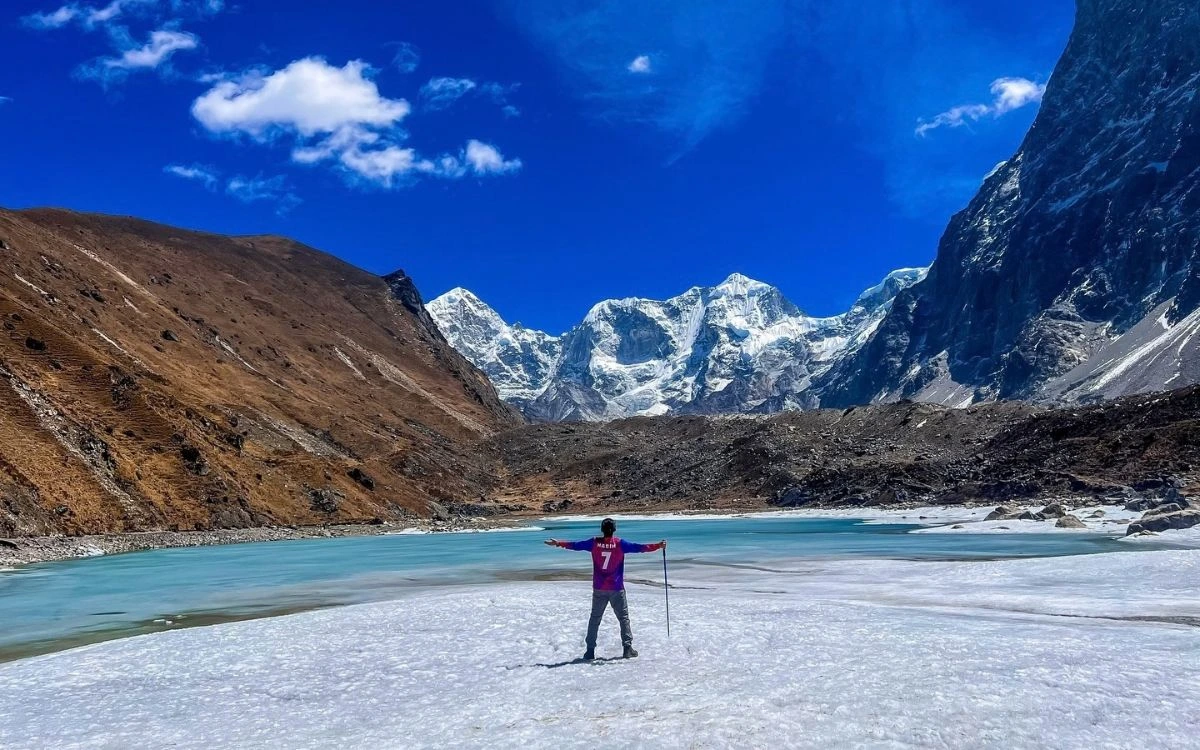
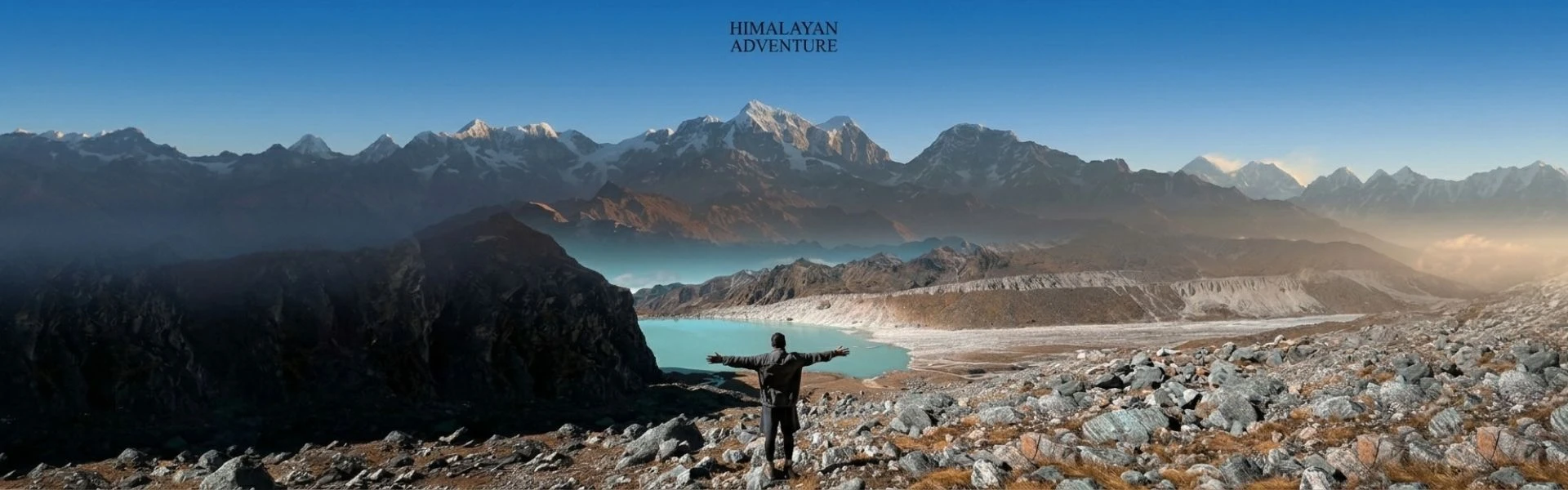
Pikey Peak is located in the Solukhumbu District, often referred to as the lower Everest region. It is a hilltop viewpoint at an elevation of 4,065m that can be accessed from the road head at Dhap, which can be reached by a long jeep ride from Kathmandu. Located to the east is the Dudhkunda Lake, which literally means "Milk Lake," situated in the foothills of Mt. Numbur at an altitude of approximately 4,560m. It is regarded as sacred by both local Hindus and Buddhists.
It makes sense to combine both destinations, as both trekking routes go through the Sherpa villages such as Junbesi, i limiting the backtracking. Trekking to a great start, it takes about 10-14 days depending on one’s chosen itinerary, with Dudhkunda the highest spot. The entire trek consists of amazing sites such he views of Mount Everest, Mt. Lhotse, and Mt. Makalu, the rhododendron forest, the Thupten Choling Monastery, and far fewer trekkers than on the Everest Base Camp trail.
Why Trek Pikey Peak and Dudhkunda Lake?
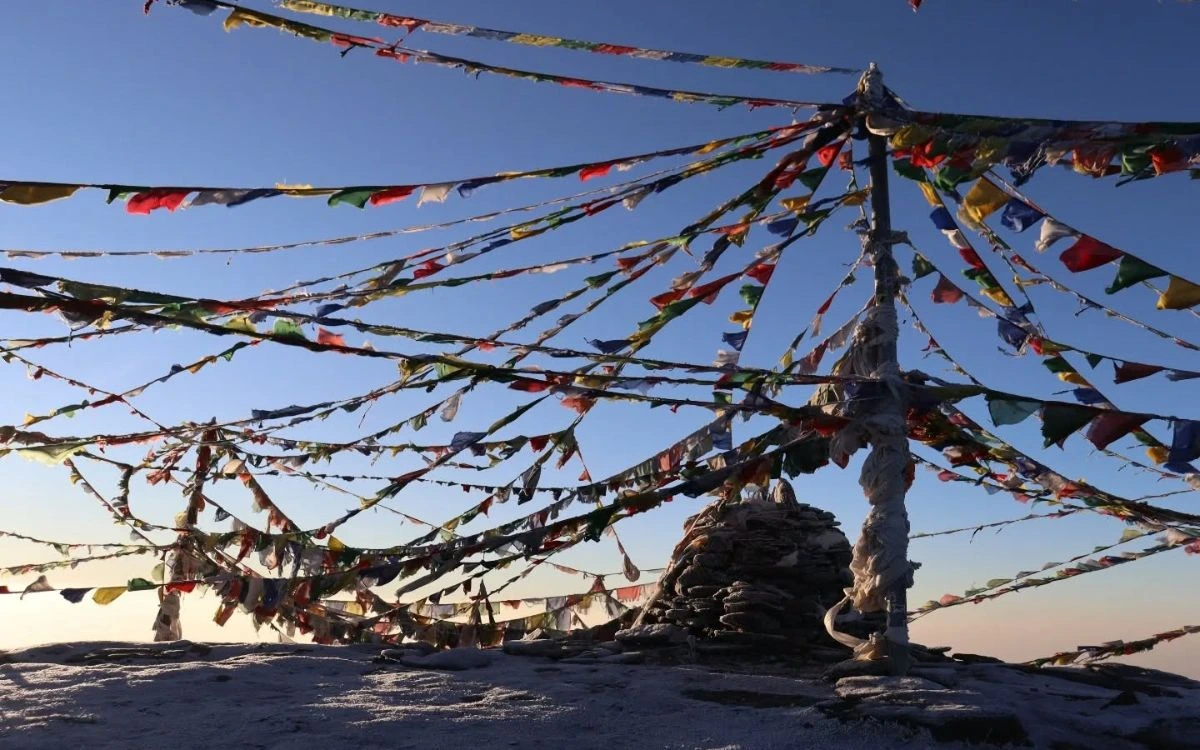
Pikey Peak is famous for its sunrise. Many guides say Sir Edmund Hillary rated the panorama among the best in Nepal, and from the summit chorten you can scan a long line of Himalayan giants. Dudhkunda adds something different: a quiet, high-altitude lake with a strong spiritual pull. Each August, thousands of pilgrims gather there for the Janai Purnima festival.
Between the two, you walk through Sherpa and Tamang villages, past monasteries and prayer flags, and under huge rhododendron canopies. If you want a less crowded alternative to the famous Everest Base Camp Trek, this route delivers culture and solitude without the traffic jams of the main Khumbu trail.
Pikey Peak and Dudhkunda Lake Trek Route
The trek starts with a scenic drive from Kathmandu to Dhap, then a walk to Jhapre through pine and rhododendron forest. From there, re you climb steeply to Pikey Base Camp and make the short early-morning push to the summit for sunrise. After the peak, the trail drops through Sherpa country to Junbesi, a large village with a lively bazaar and the Thupten Choling Monastery.
Past Junbesi, the route turns wilder. You head toward Saharsabeni, a high yak-herding area, then make the long push up to Dudhkunda Lake. After the lake, you descend through Ringmo to Phaplu, where most groups fly or drive back to Kathmandu. Himalayan Recreation arranges the full route, including transport, lodges,ges and guides.

Duration:12 Days based on 6 reviews
Manaslu Circuit Trek - 12 Days
Starting fromUS$999US$1399
Ideal Time for Pikey Peak and Dudhkunda Lake Trek
This is the question that matters most, because Dudhkunda sits much higher than Pikey and reacts harder to weather. Here is how each season stacks up.
Spring: March to May
Spring is arguably the best season. Skies are mostly stable, visibility is good, and the hillsides burst with rhododendron blooms, especially from late March to mid-April. Mornings are cold at altitude, but daytime walking is pleasant. Expect more trekkers than in other seasons, though the Pikey trails still feel quiet compared with Khumbu.
Autumn: September to November
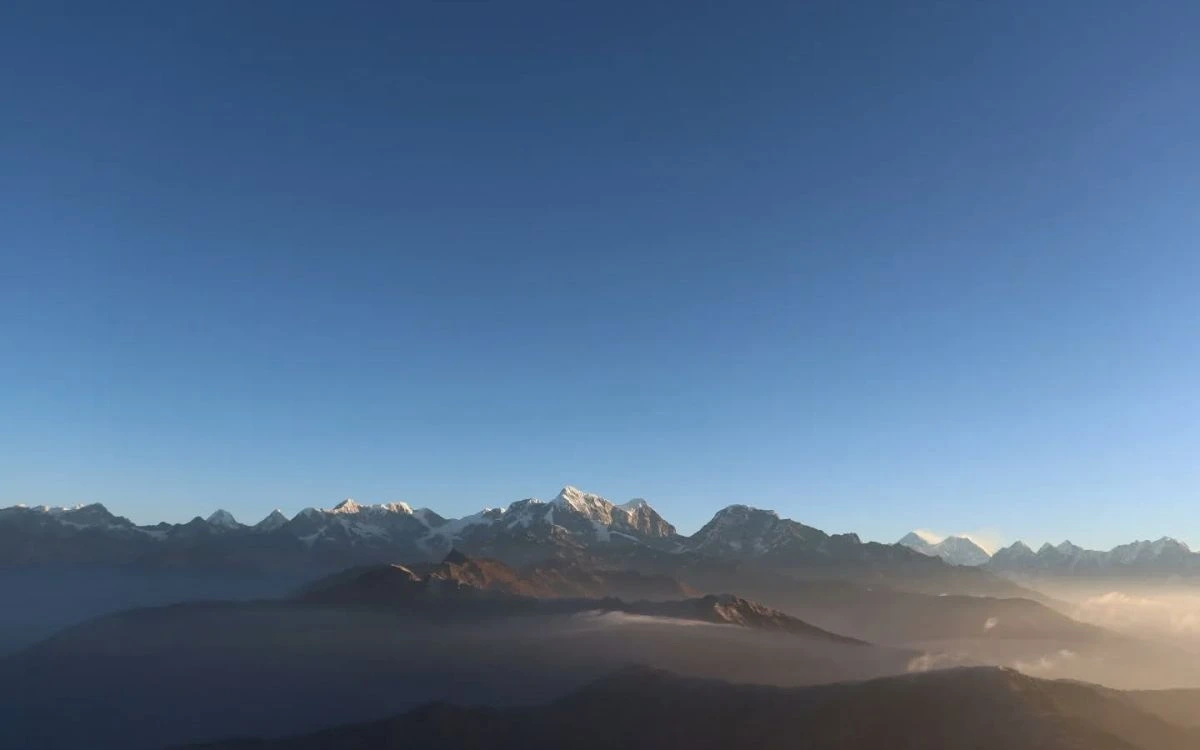
Autumn brings crisp, clear air and the best Himalayan views of the year. The monsoon has washed the dust away; trails are firm, and temperatures are comfortable. October and November are the most reliable months for combining Pikey Peak and Dudhkunda. Nights above 3,500 m turn properly cold in late November.
Winter: December to February
Winter is chilly, and at higher altitudes, snow may fall. Pikey Peak can still be doable on a clear day, but snow can make the Dudhkunda section difficult or even impossible. The upside is silence: very few trekkers, and often brilliant blue skies.
Monsoon: June to August
Monsoon means clouds, slippery trails, nd leeches at lower elevations, and the big views mostly disappear. The one exception is Janai Purnima in August, when pilgrims visit Dudhkunda. If you go for the festival, treat it as a cultural trip, not a viewpoint trek, and pack serious rain gear.
Pikey Peak and Dudhkunda Lake Trek Difficulty
The combined trek is moderate, but it is more demanding than the standard short Pikey Peak itinerary. Pikey tops out at about 4,065 m, while Dudhkunda reaches roughly 4,560 m, so you spend more days at real altitude. Expect five to seven hours of walking on most days, with the Dudhkunda day being the longest and steepest.
- Related article: Pikey Peak Trek Difficulty | How Hard Is This Nepal Trek?
You do not need technical skills, but you do need steady fitness. Start cardio and hill training six to eight weeks ahead. Walk at a slow pace, drink plenty of water, and tell your guide at once if you get a persistent headache, nausea, or unusual fatigue. Altitude sickness is a real risk above 3,500 m, and an itinerary with enough rest days helps your body adapt.
Altitude Chart
Destination | Approx. elevation |
Dhap | ~2,850 m |
Jhapre | ~2,800-2,900 m |
Pikey Base Camp | ~3,600 m |
Pikey Peak | 4,065 m |
Junbesi | ~2,700 m |
Dudhkunda Lake | ~4,560 m |
Different sources report slightly different figures, especially for Dudhkunda and the base camp, so treat these as approximate.
Permits, Accommodation, Food and Water
You need a TIMS card and a conservation-area permit for this region, and Himalayan Recreation arranges both for you. Permit rules and fees change from time to time, so confirm the current requirements when you book rather than relying on older articles.
You sleep in simple lodges and teahouses on a twin-sharing basis. Rooms are basic, and facilities get thinner above Junbesi, where some sections near Dudhkunda have limited options. Meals are hearty: dal bhat, noodles, soups, Tibetan-style bread, and endless tea. Drink boiled or treated water only, and carry purification tablets or a filter as a backup.

Duration:16 Daysbased on 1 reviews
based on 1 reviewsLuxury Everest Base Camp Trek - 16 Days
Starting fromUS$3299US$3999Recommended
Pikey Peak and Dudhkunda Lake Trek Packing List
Pack for cold mornings and sudden weather changes, and keep your bag light. The essentials:
Clothing:thermal base layers, a fleece, a warm down jacket, a waterproof shell and trekking trousers. Footwear:broken-in waterproof boots and warm camp shoes. Sleeping: a four-season sleeping bag (rentable in Kathmandu). Sun protection: sunglasses, a hat and high-SPF sunscreen. Personal items:toiletries, a quick-dry towel, a first-aid kit, blister plasters and any personal medication. Extras: a water bottle, snacks, trekking poles, a power bank, a headlamp, your passport and spare passport photos.
Pikey Peak vs Everest Base Camp
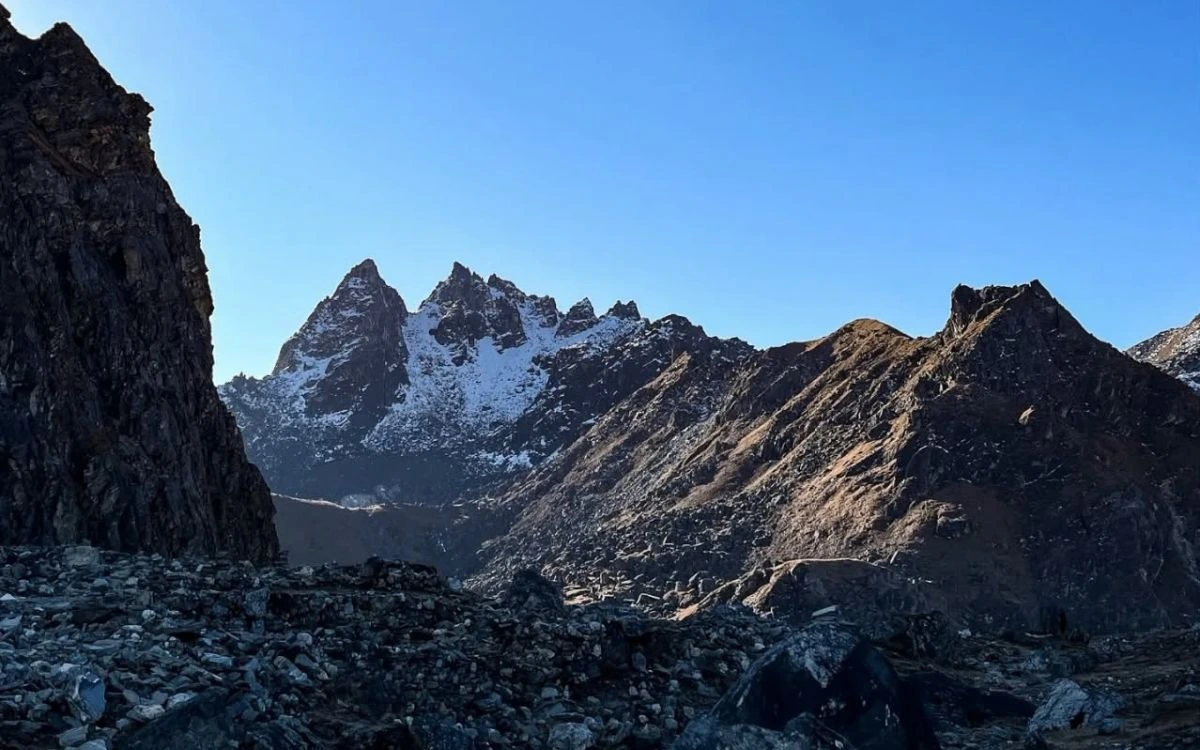
Pikey Peak is the shorter, quieter option, while Everest Base Camp is the classic bucket-list route. The Everest Base Camp Trek takes about 14 days and reaches 5,364 m at base camp, with Kala Patthar at 5,545 m. Pikey Peak and Dudhkunda Lake Trek reaches around 4,560 m and offers a much less crowded trail.
If you want the view without the crowds and the extreme altitude, Pikey wins. If you want to stand beneath the Khumbu Icefall, Everest Base Camp is the one. Short on time? The Pikey Peak Trek 5 Days gives you the summit panorama in a compact itinerary, and the Everest View Trek or Everest Panorama Trekwork well for a gentler look at the same mountains.
Pikey Peak Dudhkunda Lake Trek vs the Standard Pikey Peak Trek
Pikey Peak Trek | Pikey Peak + Dudhkunda |
Shorter | Longer |
Maximum around 4,065 m | Reaches around 4,560 m |
Himalayan viewpoint | Viewpoint plus sacred alpine lake |
Easier logistics | More remote sections |
Good short trek | More complete adventure |
Pikey Peak and Dudhkunda Lake Trek Cost
Several things shape the price: your guide and porter, lodge and meal costs, transport, permits, group size, trek length, and any gear you hire. A longer combined route costs more than a short Pikey itinerary simply because you spend more days on the trail. Our package includes the core services in one price, and you can check the current rate and inclusions on the Pikey Peak and Dudhkunda Lake Trek page.
Who Is This Trek Suitable For?
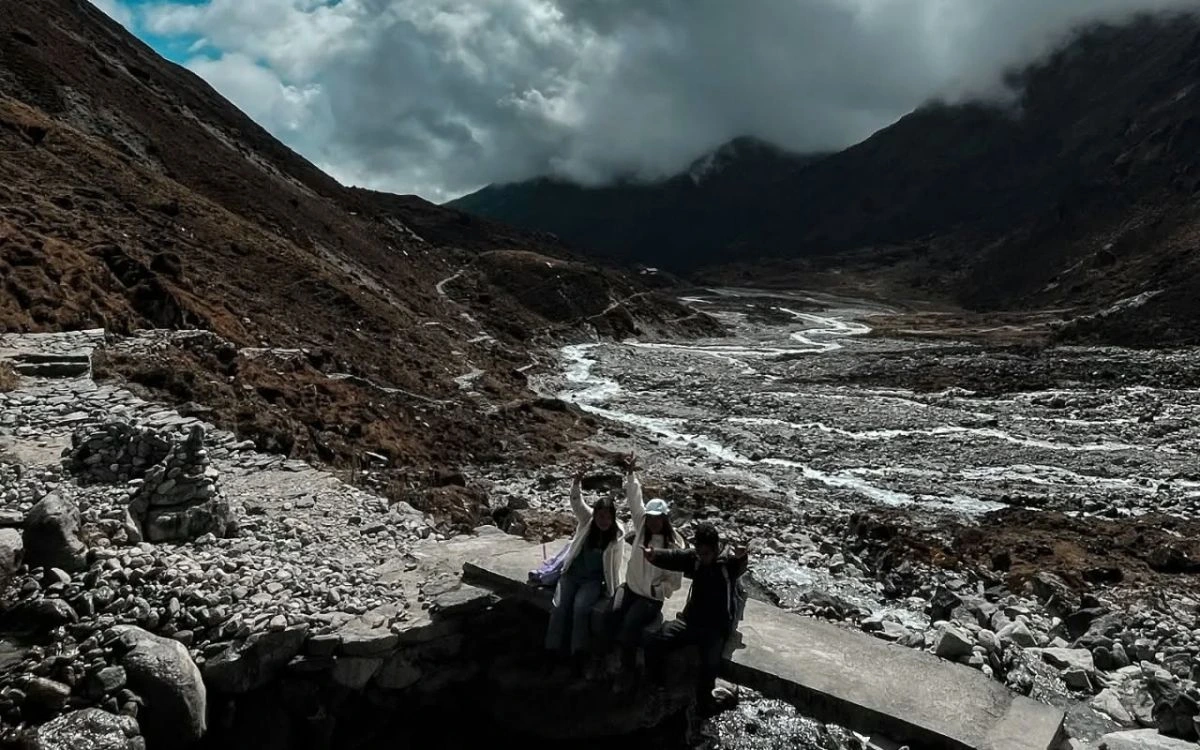
It suits experienced trekkers looking for something new, and fit first-timers who are ready for a high-altitude challenge. It also works well for photographers, nature lovers, people who want quiet trails, and anyone drawn to Sherpa culture and spirituality. If you want a similar trip with fewer days, compare it with other options for Trekking in Nepal, such as the Langtang Valley Trek, which also mixes culture, mountains, and quiet villages.
Essential Tips for the Trek
Start preparing early and walk at a comfortable pace. Pack for changing weather, carry enough water, and allow a spare day for delays, since weather can shift plans at the higher sections. Respect local customs, take your waste out with you, and trek with a licensed guide. Remember that the Annapurna Circuit Trek may be famous, but this route offers something rarer: solitude.
Frequently Asked Questions
What is the ideal time for the Pikey Peak and Dudhkunda Lake Trek?
The ideal months are March through May and September through November. Skies are clear, trails are stable, and temperatures are comfortable. October and November are especially reliable.
How difficult is the Pikey Peak and Dudhkunda Lake Trek?
It is moderate. There are no technical sections, but you walk five to seven hours a day at altitude, and the Dudhkunda day is long and steep. Good fitness and a slow pace matter more than experience.
How high is Dudhkunda Lake?
Dudhkunda Lake sits at roughly 4,560 m. Some sources quote slightly higher figures, up to about 4,590 m.
How high is Pikey Peak?
Pikey Peak is about 4,065 m high. Its summit offers sunrise views of Everest, Lhotse, Makalu, and many other peaks.
How many days is the Pikey Peak Dudhkunda trek?
The combined route usually takes 10 to 14 days, including travel from Kathmandu, depending on the itinerary and pace. Check the package page for the exact schedule.
Do I need permits for the trek?
Yes. You need a TIMS card and a conservation-area permit, and Himalayan Recreation arranges them. Confirm current rules when you book, since fees can change.
Can beginners do the Pikey Peak and Dudhkunda Lake Trek?
Fit beginners can, if they train beforehand and accept the altitude. First-timers who want an easier start may prefer the shorter Pikey Peak trek.
Is the trek possible in winter?
Pikey Peak is sometimes possible in winter, but snow can block the route to Dudhkunda. Spring and autumn are far safer for the full combination.
Is Dudhkunda Lake a sacred lake?
Yes. Hindus and Buddhists both revere it, and thousands of pilgrims visit during the Janai Purnima festival in August.
How much does the Pikey Peak and Dudhkunda Lake Trek cost?
Cost depends on trek length, group size, services, and season. See the current price and inclusions on the Himalayan Recreation package page.
Conclusion
Absolutely, if you pick the right season, go in spring or autumn, and you get a world-class Himalayan sunrise, warm Sherpa hospitality, and a sacred lake almost to yourself. Go in monsoon or deep winter,r and you risk missing the very things that make this trek special.
Ready to plan your trip? Book the Pikey Peak and Dudhkunda Lake Trek with Himalayan Recreation Treks and Expedition today
Popular trekking packages of Himalayan Recreation

Duration:3 Daysbased on 1 reviews
based on 1 reviewsPoon Hill Trek – 3 Days from Pokhara
Starting fromUS$249US$399

Duration:7 Daysbased on 9 reviews
based on 9 reviews7 Days Annapurna Base Camp Trek
Starting fromUS$499US$699

Duration:14 Daysbased on 1 reviews
based on 1 reviewsGokyo Renjo La Pass Trek - 14 Days
Starting fromUS$1499US$1599

Duration:10 Daysbased on 2 reviews
based on 2 reviewsTsum Valley Trek - 10 Days
Starting fromUS$999US$1399Private

Duration:16 Daysbased on 1 reviews
based on 1 reviewsEBC Kalapatthar Trek - 16 Days
Starting fromUS$1699

Duration:5 Hoursbased on 3 reviews
based on 3 reviewsEverest Base Camp Helicopter Tour from Kathmandu - 5 hours
Starting fromUS$1499US$1899Share & Private


Need Help? Call Us+9779851101413OrChat with us on WhatsApp