Nepal trekking in September offers a truly magical experience for adventure lovers and outdoor enthusiasts. As the monsoon season begins to retreat, the Himalayas come alive with lush green valleys, blooming alpine flowers, and crystal-clear mountain views. Whether you are planning the iconic Trekking in Nepal routes or exploring hidden trails, September stands out as one of the most rewarding months to visit. This guide covers the Nepal September trekking weather, best trekking routes, packing essentials, permit costs, and everything you need to plan a safe and unforgettable Himalayan adventure.
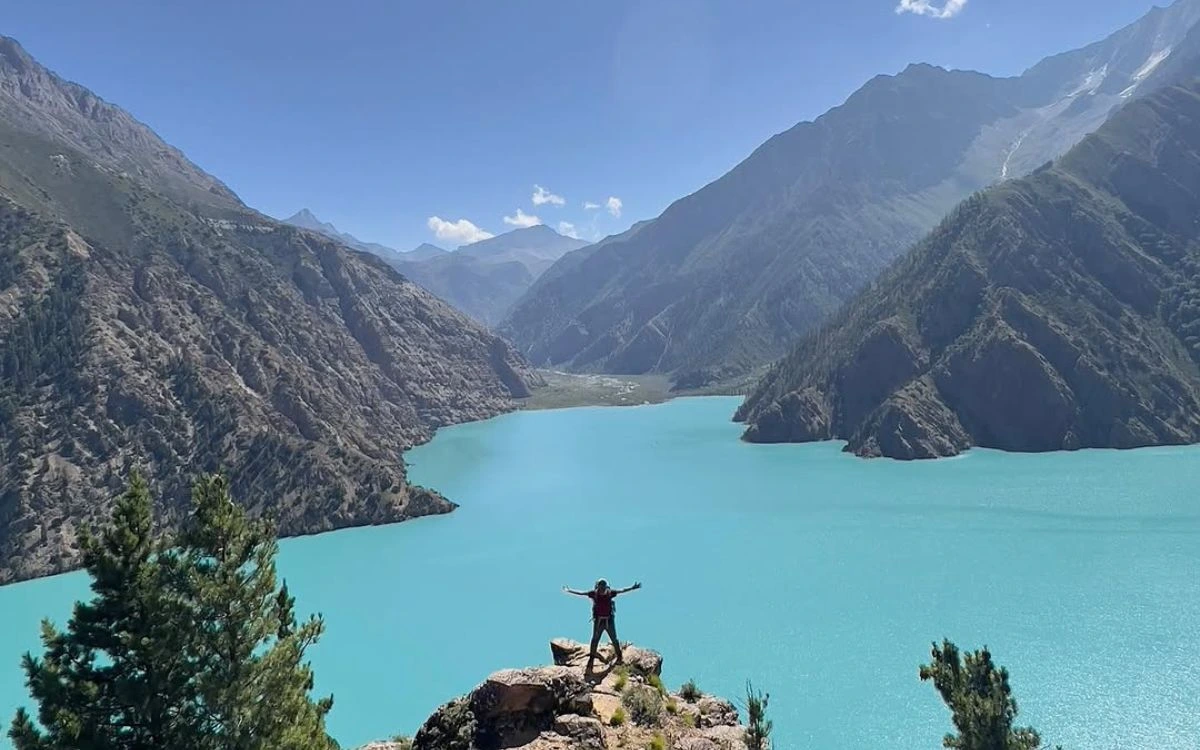
Phoksundo Lake Trek in September month
September sits right at the crossroads of the monsoon and autumn seasons, making trekking in Nepal in September a unique experience. Trails are refreshed after months of rainfall, waterfalls are at their most dramatic, and the hills are draped in vivid green. Early risers on the trail are often rewarded with crisp mountain air and jaw-dropping sunrise views over snow-capped peaks. For those seeking fewer crowds and off-peak prices, the Nepal trekking season in September is hard to beat.
Why September is a Special Trekking Month in Nepal
September marks the transition from the monsoon to the autumn trekking season — one of the most celebrated seasons for Nepal monsoon trekking. The rains gradually ease as the month progresses, and by mid to late September, many popular trails become accessible and strikingly beautiful.
Key reasons September stands out:
Trails are lush, green, and refreshed after the monsoon.
Waterfalls, rivers, and streams are at peak flow.
Fewer trekkers compared to the busy October-November peak.
Understanding Nepal trekking weather in September is critical before you set out. September falls at the tail end of the South Asian monsoon, meaning rainfall is still present, especially in the first two weeks. However, conditions steadily improve as the month moves on.
Temperatures at lower elevations (below 2,000 m) range from 15°C to 25°C during the day. At mid-altitude regions like Namche Bazaar (3,440 m), daytime temperatures hover around 10°C to 18°C. Higher altitude areas above 4,500 m can drop close to 0°C at night, so layering is essential.
Rainfall Conditions and Trail Conditions
Early September (the first two weeks) sees more rainfall, which can make lower-elevation trails muddy and slippery. Leeches are active on forest paths below 3,000 m. Despite this, September trekking in the Himalayas, Nepal, rewards patient trekkers with dramatic cloud-and-peak vistas that are rarely seen in the dry season.
By late September, the trails dry out considerably. The sky clears up, and mountain panoramas become sharp and vivid, offering photographers and trekkers some of the finest views of the season.
Is September a Good Time for Trekking in Nepal?
Yes, absolutely. While early September requires careful planning due to residual monsoon rains, it remains a rewarding and viable trekking window. The best treks in Nepal in September include routes in rain-shadow regions like Upper Mustang and higher-altitude trails that sit above the cloud belt
Trekkers crossing a prayer-flag-draped bridge over a glacial stream with snow-capped Himalayan peaks behind
Advantages of Trekking in September
Vibrant green landscapes and dramatic waterfalls throughout the trails.
Lower costs for teahouses, guides, and porters compared to peak October.
Fewer trekkers on popular trails — a more peaceful, personal experience.
Upper mustang trek and rain-shadow areas remain dry throughout September.
Ideal conditions for photography with moody skies and rich green terrains.
Who Should Trek in September?
September is well-suited for experienced trekkers comfortable with wet conditions and adventurous travelers who want to avoid the peak-season crowds. Budget-conscious trekkers also benefit from off-season pricing. Beginners can enjoy September treks by choosing lower-altitude, well-maintained routes with the guidance of a licensed local guide.
Best Treks in Nepal in September
Nepal offers dozens of trekking routes, but some trails shine especially bright during September. Here are the top picks for the best treks in Nepal in September, spread across different regions and difficulty levels.
Everest Base Camp Trek in September
TheEverest Base Camp Trek is one of the world’s most iconic high-altitude journeys, and September makes it surprisingly accessible. While the lower Dudh Koshi valley trails can be muddy in early September, the higher sections above Namche Bazaar are generally clear and rewarding.
The Khumbu region sits partially above the monsoon cloud belt, meaning mornings often open to stunning views of Everest, Lhotse, and Ama Dablam. Teahouses along the route are well-stocked, and trekker numbers are noticeably lower than in October. By late September, the Everest Base Camp trek becomes even more spectacular as the skies clear and the autumn season begins to settle in.
Annapurna Circuit Trek in September
The Annapurna Circuit Trek is another must-do for trekkers in September. This circular route takes you through diverse landscapes — from subtropical forests and terraced farmland to high-altitude deserts above the Thorong La pass (5,416 m).
September transforms the lower sections of the circuit into a tapestry of green paddy fields, wildflowers, and cascading waterfalls. The higher sections, particularly around the Manang valley, see clearer skies as the month progresses. The trek in September is perfect for trekkers who want variety, cultural depth, and dramatic altitude changes all in one journey.
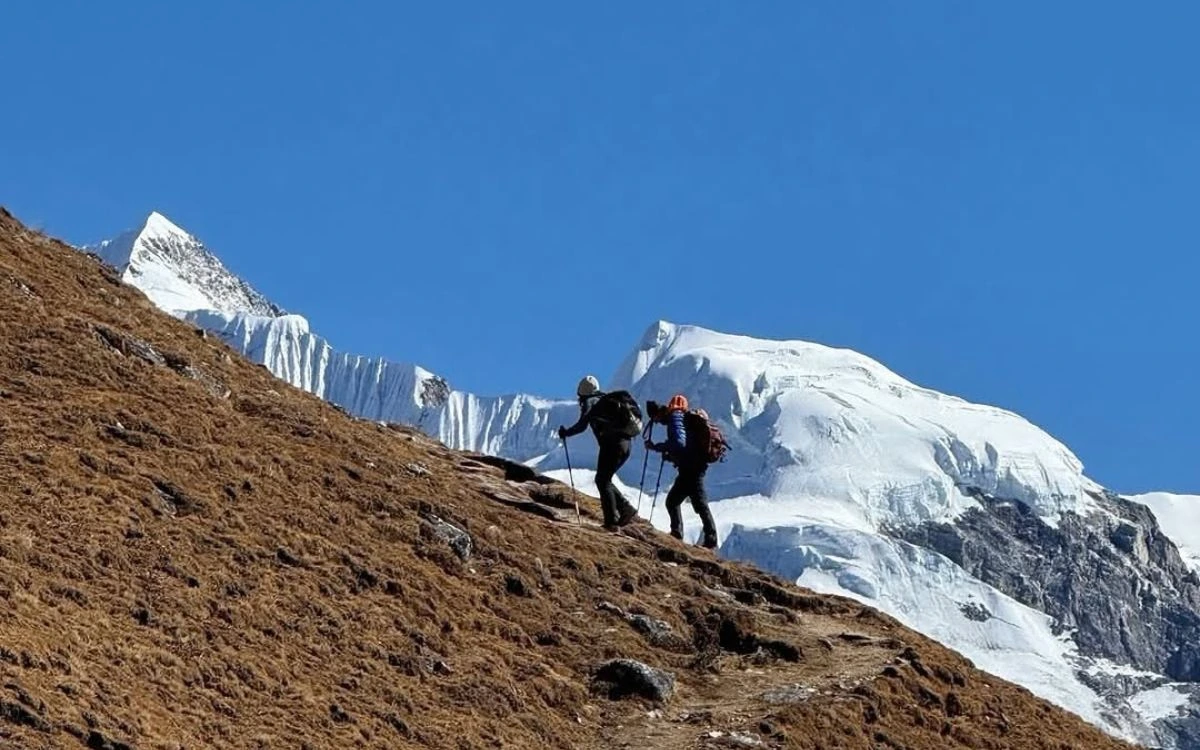
Two trekkers with poles climbing a steep grassy slope toward massive glaciated peaks under a blue sky
Annapurna Base Camp Trek in September
The Annapurna Base Camp Trek offers a shorter but equally spectacular alternative. The trail winds through Gurung villages, dense rhododendron forests, and open grasslands before arriving at the amphitheater of the Annapurna Sanctuary at 4,130 m. In September, the forest sections below Chomrong are lush and alive, with the higher sanctuary offering clear views on most mornings.
Langtang Valley Trek in September
Just a few hours north of Kathmandu, the Langtang Valley Trek is one of the most underrated treks in Nepal. In September, the valley explodes with color — emerald meadows, silver waterfalls, and panoramic views of Langtang Lirung (7,227 m) make every step worthwhile.
The trek is accessible, culturally rich (passing through Tamang and Tibetan Buddhist communities), and relatively moderate in difficulty. September is an excellent time for the Langtang Valley trek in September because it offers monsoon-season beauty with improving trail conditions as the month progresses. It’s a particularly rewarding choice for trekkers who value solitude and cultural immersion.
Upper Mustang Trek: The Rain-Shadow Gem
For trekkers who want to completely avoid the monsoon rains, the Upper Mustang Trek is the perfect solution. Tucked behind the Annapurna and Dhaulagiri ranges, the Upper Mustang lies in a rain-shadow zone that remains dry, sunny, and trekable even during the heart of the monsoon season.
September is one of the best months to trek in Upper Mustang. The ancient walled city of Lo Manthang, centuries-old cave monasteries, and the dramatic ochre and crimson desert landscape create an experience unlike anywhere else in Nepal. The trek is a restricted area requiring a special permit, which adds to its exclusivity and pristine character. If you want a dry, otherworldly September adventure, Upper Mustang delivers.
Cost of Trekking in Nepal in September
One of the major benefits of trekking in Nepal in September is the off-peak pricing. Here’s a general cost breakdown for trekkers
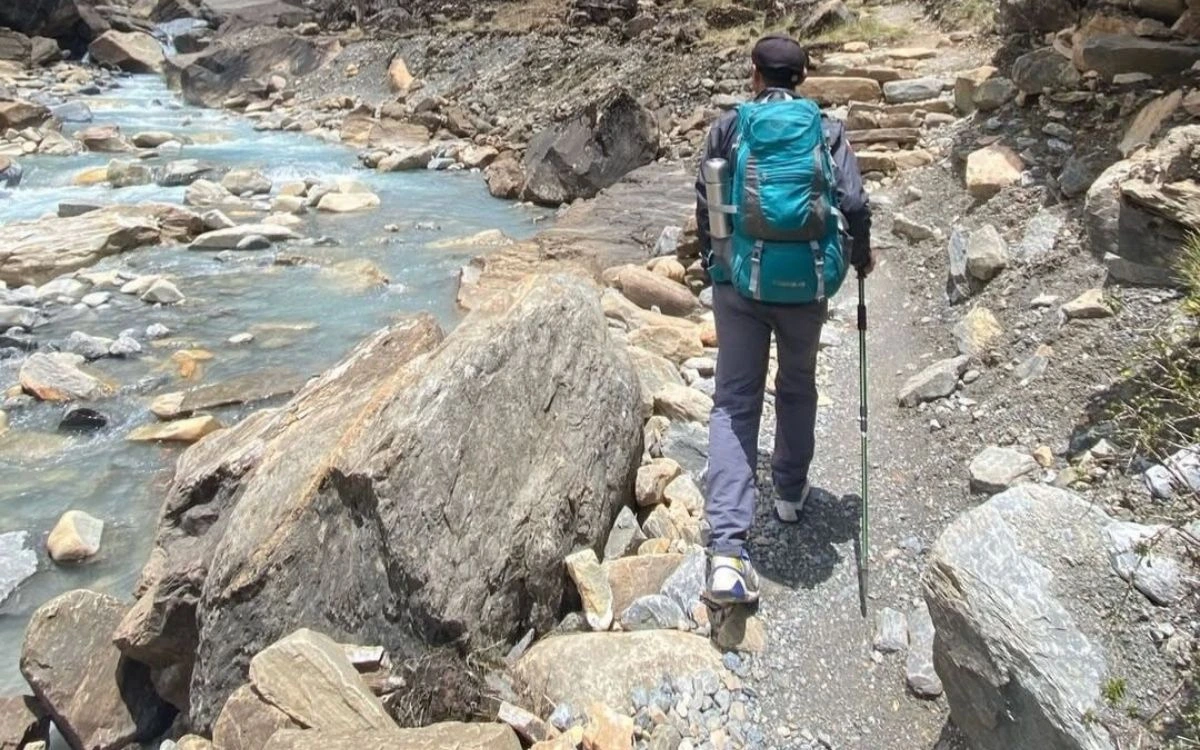
A solo trekker with a blue backpack walking a rocky trail alongside a turquoise glacial river in Nepal
Upper Mustang Restricted Area Permit: USD 500 for the first 10 days
Guide and Porter Expenses
Licensed trekking guide: USD 25–35 per day
Porter: USD 18–25 per day
Accommodation and Food
Teahouse accommodation: USD 5–15 per night (varies by altitude and region)
Meals (Dal Bhat, noodles, pasta): USD 5–10 per meal
Overall, a mid-range Nepal trekking budget in September ranges from USD 40 to 80 per day, excluding international flights and Kathmandu hotel stays.
What to Pack for Nepal Trekking in September
Packing smart for September trekking means balancing rain protection with layering for cold nights and high altitudes. Here’s what experienced trekkers recommend:
Essential Clothing Layers
Moisture-wicking base layers (avoid cotton)
Mid-layer fleece or down jacket for cold evenings
Waterproof, windproof outer shell jacket
Trekking trousers with quick-dry fabric
Warm hat, gloves, and neck buff for high altitude
Rain Protection Gear
High-quality rain poncho or pack cover
Waterproof trekking gaiters (for muddy trails)
Dry bags for electronics and important documents
Leech-proof socks or insect-repellent spray
Trekking Equipment
Trekking poles (highly recommended for wet, slippery trails)
Headlamp with extra batteries
Water purification tablets or a filter bottle
First-aid kit with altitude sickness medication (Diamox)
Sunscreen (SPF 50+), UV-protection sunglasses, and lip balm
Comfortable, waterproof trekking boots already broken in
Acclimatize properly on high-altitude treks — do not rush altitude gain.
Carry salt in your socks or use leech-repellent spray on forest trails.
Start trekking early in the morning to beat afternoon clouds and rain.
Keep your emergency contacts and the nearest rescue center details handy.
September Trekking vs Other Seasons in Nepal
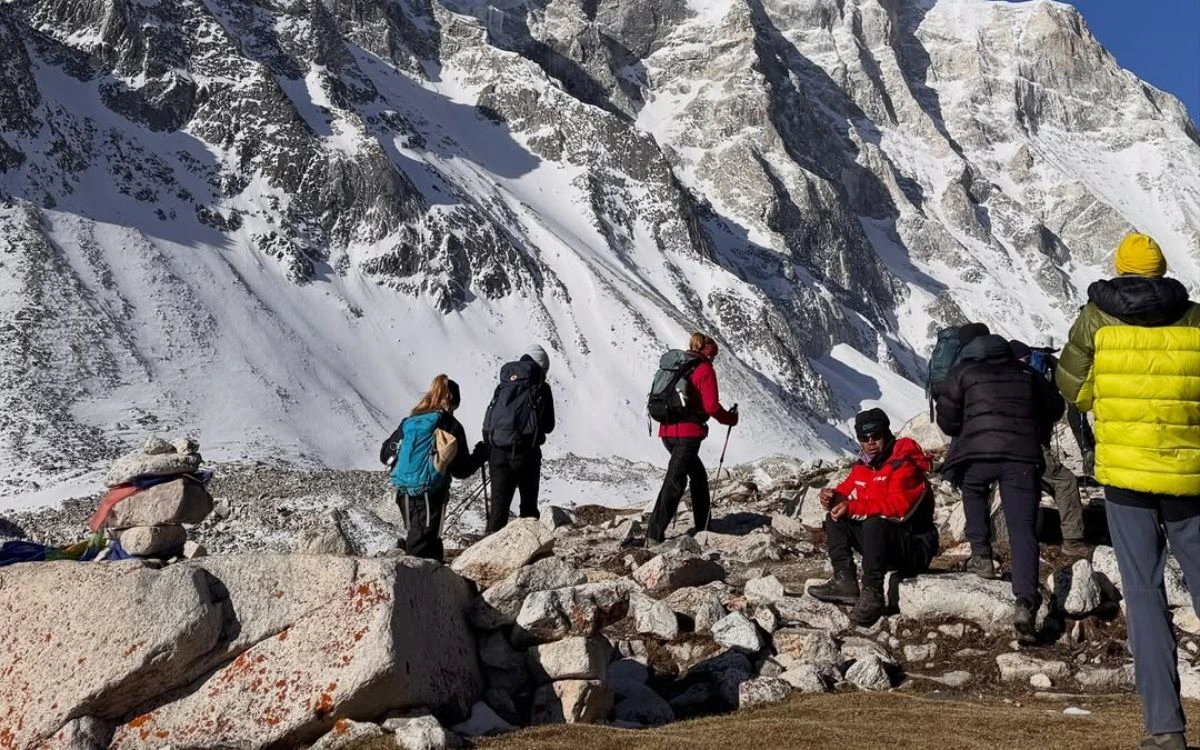
A group of trekkers resting on large boulders below a dramatic snow-covered Himalayan peak in Nepal
September vs October Trekking
October is widely considered the single best month for trekking in Nepal, with crisp, stable weather and crystal-clear mountain views. However, October also brings the highest crowds and peak-season prices. September offers much of the same natural beauty at lower cost and with fewer people, making it an excellent alternative for independent and budget-conscious trekkers.
September vs. Spring Season
Spring (March–May) is Nepal’s second peak trekking season, famous for rhododendron blooms and stable weather. September’s green, lush landscapes are equally dramatic but in a completely different way — waterfalls, vibrant foliage, and a refreshing post-monsoon freshness that spring simply cannot offer.
Why Choose Nepal for Himalayan Trekking in September?
Nepal is home to eight of the world’s fourteen eight-thousanders, and trekking here in September means witnessing these giants wearing their most dramatic, lush green cloaks. From the highest mountains on Earth to ancient monasteries clinging to cliffsides, Nepal offers a trekking experience that is spiritual, physical, and visually breathtaking all at once.
September trekking in the Himalayas, Nepal, lets you walk trails that feel genuinely wild and uncrowded. You share teahouses with a handful of fellow adventurers rather than hundreds of tourists. You wake up to fog drifting through pine forests and afternoons that open into sweeping panoramas of peaks like Everest, Annapurna, Manaslu, and Langtang Himal. For those who want an authentic Himalayan experience, September is an ideal window.
FAQs
Is September good for trekking in Nepal?
Yes, September is a good month for trekking in Nepal, especially during the second half of the month when the monsoon rains ease. Trails are lush and green, prices are lower, and crowds are manageable.
Does it rain a lot in Nepal during September?
Early September still sees some monsoon rainfall, particularly at lower elevations. Rain-shadow areas like Upper Mustang remain dry throughout. By mid to late September, rainfall decreases significantly across most trekking regions.
Which trek is best in Nepal in September?
Upper Mustang, Langtang Valley, Everest Base Camp (upper sections), and the Annapurna Circuit are among the best treks in Nepal in September. Rain-shadow and high-altitude routes are especially reliable.
Can beginners trek in Nepal in September?
Yes, beginners can trek in Nepal in September by choosing lower-altitude, well-supported routes like the Langtang Valley trek or the Ghorepani Poon Hill trek with a licensed guide.
Is the Everest Base Camp trek possible in September?
Absolutely. The Everest Base Camp trek in September is very much possible. Upper sections of the trail are generally clear and well-maintained, and teahouses along the Khumbu route remain open throughout the month.
What should I pack for trekking in Nepal in September?
Pack waterproof gear, moisture-wicking base layers, a down jacket, trekking poles, sturdy waterproof boots, leech-repellent gear, a first-aid kit, and altitude sickness medication. Always carry a quality rain poncho and dry bags for valuables.
Conclusion
Nepal trekking in September is a rewarding adventure for trekkers who embrace the beauty of a landscape freshly washed by monsoon rains. With lush green valleys, roaring waterfalls, fewer crowds, and lower costs, September holds its own against the peak autumn season. Whether you choose the legendary Everest Base Camp trek, the scenic Annapurna Circuit, the remote Upper Mustang, the peaceful Langtang Valley, or the spectacular ABC route, you will find a trail that matches your pace and ambition. Plan smart, pack right, and trust the mountains — September in Nepal will leave you breathless in the best possible way.
Ready to begin your Himalayan adventure? Contact Himalayan Recreation Treks and Expedition today to book your perfect September trek with experienced local guides who know every trail, teahouse, and mountain panorama Nepal has to offer.


.webp)


 based on 42 reviews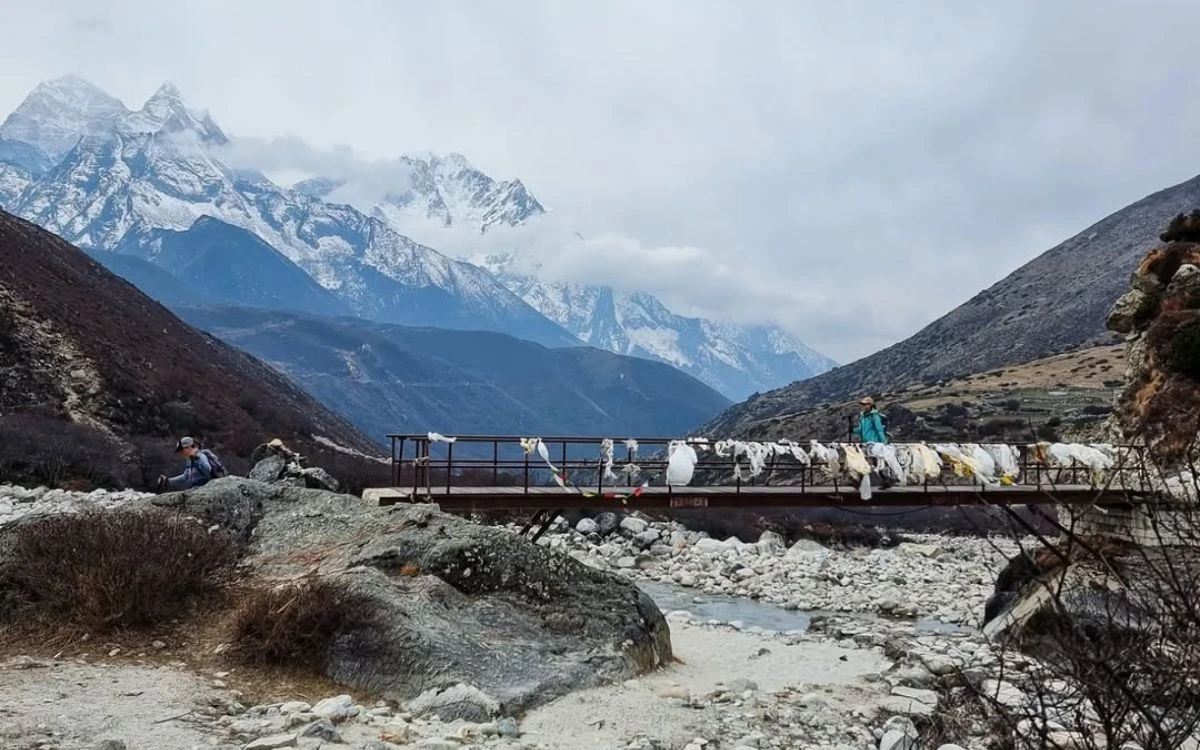



-1.webp)
-1.webp)
-1.webp)