Pisang Village in Nepal has one of the best stops along the legendary Annapurna Circuit. Located in the Manang district of the Himalayas, Pisang Village is remote, high in elevation, and provides hikers with plenty of dramatic views, a vibrant Tibetan-influenced culture, and warm hospitality while they are trekking in Nepal. Whether you are hiking to Upper Pisang or Lower Pisang, your experience will be unforgettable and will be one of the highest altitudes you’ve ever experienced. The Pisang trek is a key point of interest for anyone planning their trip along Nepal’s most popular trail, which makes it an essential resource for any trekkers interested in planning their trip during this time frame. While all of the treks throughout Nepal provide exciting experiences, the uniqueness of Pisang is that it’s one of the few places in Nepal to see the closest mountain and to have the most lively culture.
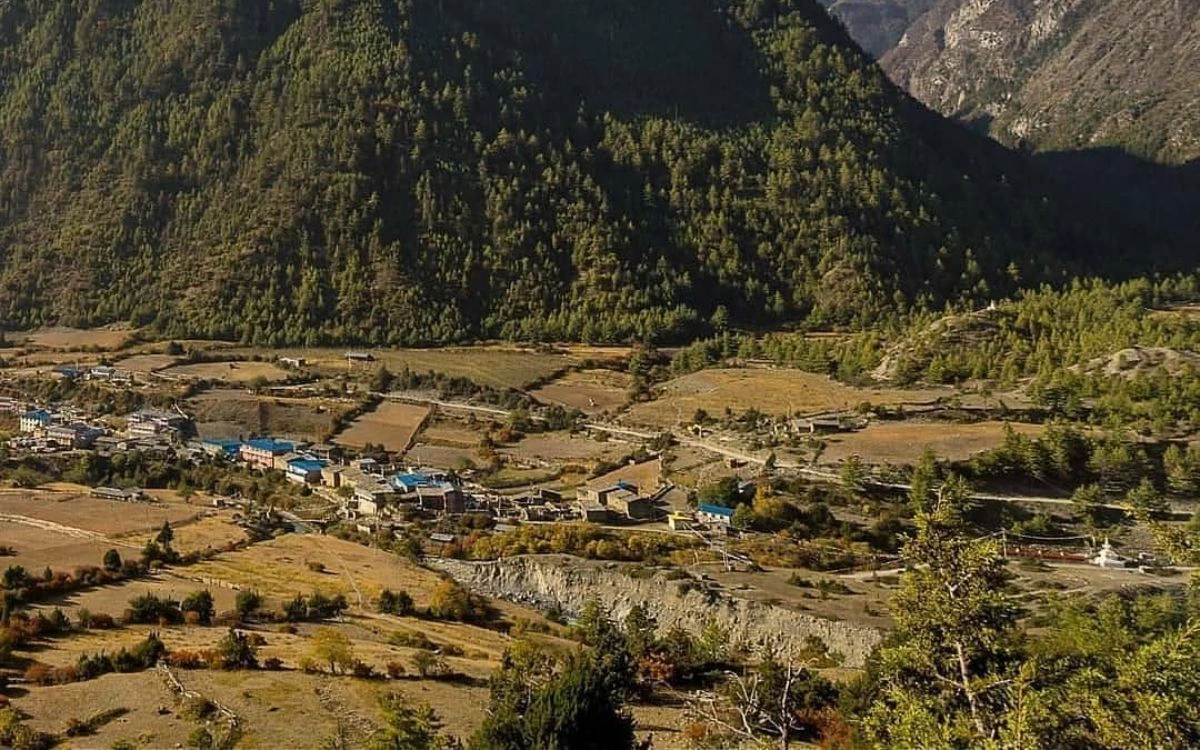
Aerial view of Lower Pisang village with terraced fields and pine forest on the Annapurna Circuit
This blog will help you find everything you should know to prepare yourself for setting foot in Pisang (e.g., where it is, what the difference between Upper Pisang and Lower Pisang is, and how the altitude/geography affects the trekking experience). We will also guide you through the best trekking routes from Pisang to Manang and beyond, as well as help you understand the culture and lifestyle of the locals, the best time of year for visiting (i.e. when is peak season), where to stay/eat, and most importantly, give you some essential acclimatization tips to keep you safe while at high altitude. If you're planning your first trip to the Himalayas or want to include a trek to Pisang on an extended Annapurna Circuit Trek itinerary, this guide will provide you with an overview of one of Nepal’s most exhilarating mountain villages – a truly inspiring place.
Where is Pisang Village Located?
The Manang district of Nepal is in the Gandaki Province in north-central Nepal, where the village of Pisang is located. It is located in the Marshyangdi River valley, between the highest mountains (Annapurna and Pisang Peak) that encircle Pisang village. The village of Pisang is an important place for people who are planning on taking the Annapurna Circuit because of its position between the town of Chame and the town of Manang, and because of the culture that exists in each location. Many people fly to either Kathmandu or Pokhara and then trek to Pisang village. This will take several days because the majority of the trek will be through lush subtropical vegetation and through canyons/gorges until you finally reach the very high elevation trans-Himalayan area.
Pisang Village Altitude and Geography
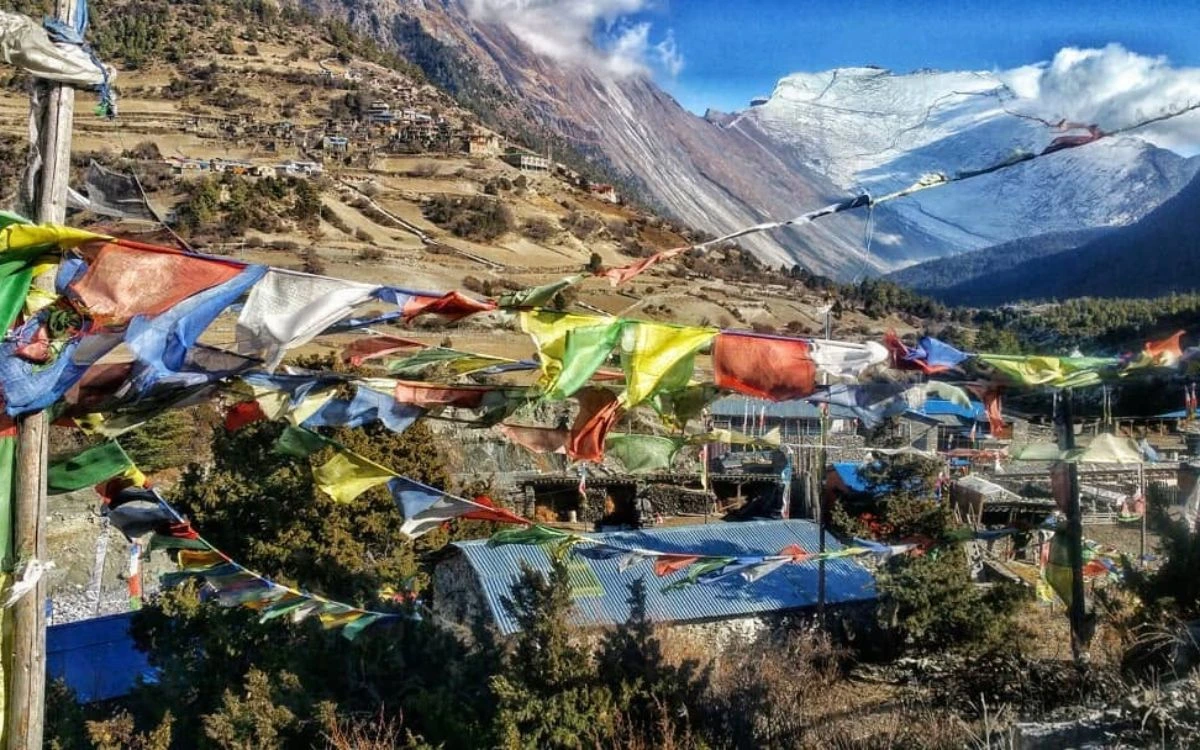
Colorful Tibetan prayer flags over Pisang village with snow-capped Annapurna peaks in the background
The altitude of Pisang village differs based on which region of flow you visit. The elevation of the lower region of Pisang is approximately 3,200 meters (10,500 feet or so) above sea level, while the upper region is at 3,300 meters (10,827 feet approximately). Culturally and physically, this area has changed from being a lush pine forest into being a dry and windswept hillside covered with many monasteries and chorten/stupas. Due to its location at high altitudes, Pisang is positioned directly in the rain shadow area of the Annapurna range, which affects the overall climate of Pisang, making it a drier and sunnier climate than would normally occur with the southern slopes of the range. This beautiful area of dramatic vistas is one of many highlights of the villages along the Annapurna Circuit in Nepal.
Depending on the type of experience you're looking for, your decision regarding Upper Pisang or Lower Pisang may be different. In terms of modernity, accessibility, and treks on a short time frame, many trekkers will stay at Lower Pisang as it is located on the main trail and has more options with regard to teahouses.
In contrast, Upper Pisang is the historically original portion of the village (over several hundred years old). It is much higher than the valley floor and offers incredible views of both Pisang Peak (6091m) and many of the other majestic snow-covered peaks surrounding it. The ancient Gompa (or monastery) found in Upper Pisang is one of the most esteemed monasteries within the Manang District; therefore, the Upper part of Pisang has a heavily spiritual feel due to its revered gompa. Those seasoned hikers who do make it to Upper Pisang typically say that the 45-minute hike up to see the views alone is worth the effort. Upper Pisang is by far the better choice for anyone who is not on a tight schedule.
Pisang Village on the Annapurna Circuit
One of the most iconic parts of the Annapurna circuit is unquestionably the Pisang route; it follows the banks of the Marsyangdi River as it winds through the tight gorge of the Marsyangdi Valley before emerging into the great plains of Manang Valley. Along this stretch is where we first meet the settlement of Pisang, which serves as an introduction to the large rural landscapes that will come after.
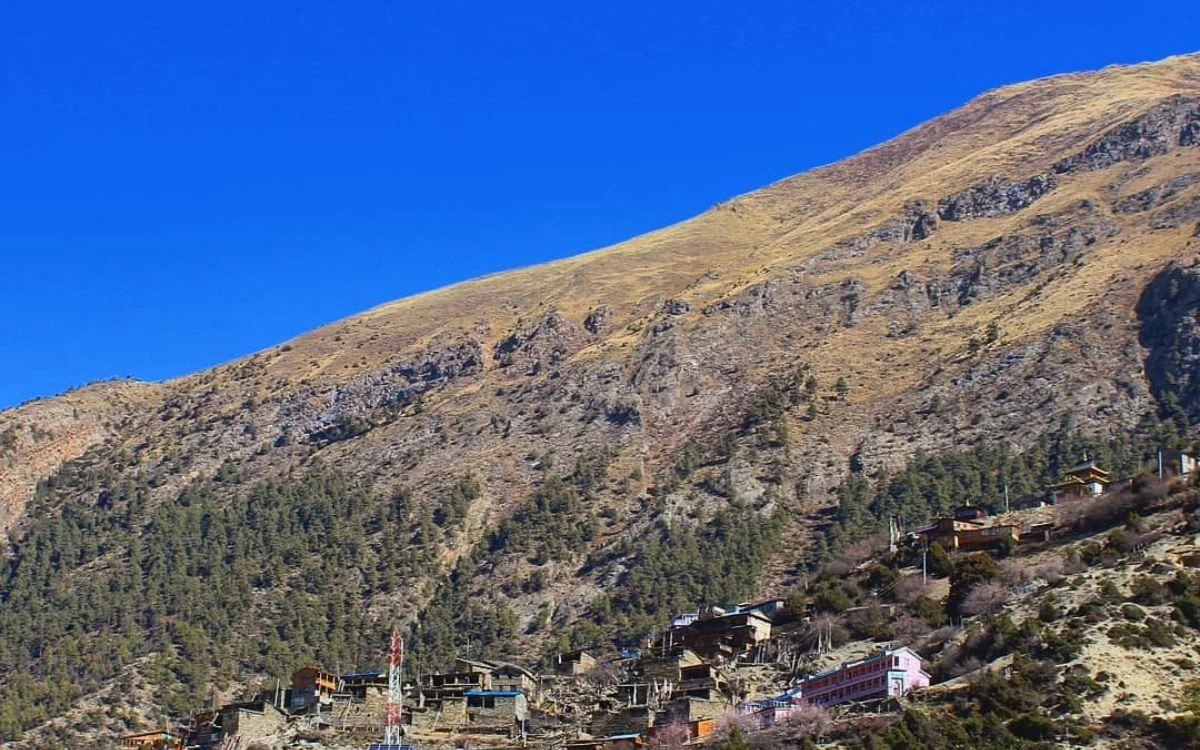
Traditional stone houses of Upper Pisang village perched on a steep hillside under a clear blue sky
Most trekkers travelling the classic Annapurna Circuit ("classic" is used here because there is also an alternative route through Upper Pisang) typically leave the lower valley to go directly through Upper Pisang to Ghyaru and Ngawal. This high route of habitation is characterized by ridgeline walking at altitude and presents breathtaking views of Annapurna II, Annapurna IV, and Gangapurna- a sight all trekkers on this route should experience.
The next stop after Pisang is Manang (3,519 m), the last major settlement before reaching the Thorong La pass (5,416 m) at high altitudes. From Pisang to Manang, trekkers can take one of two differently scenic routes: the valley route below, utilizing the towns of Humde and Braga; or the scenic ridge route above, using the towns of Ghyaru and Ngawal. While the upper ridge route is steeper and more strenuous than the valley route, the views along the route rival any views you will see in Nepal.
After leaving Manang, trekkers on the Annapurna Circuit will trek through Thorong La, and then descend into Mustang and the holy pilgrimage town of Muktinath. In addition to trekking along the Annapurna Circuit, those looking for high-altitude adventure can consider climbing Pisang Peak, which is often used by many expeditions as pre-acclimatization for climbing higher technical peaks. Many trekkers who experience both the Annapurna Base Camp Trek and Pisang Peak share with others how the experience of trekking to Pisang can be equally rewarding, because of being surrounded by mountains.
Culture and Lifestyle in Pisang Village
The Pisang Village is a stronghold of Tibetan-Buddhist traditions, with a rich history and culture that is evident in every aspect of life in this village. The Mani walls, prayer flags, and prayer wheels can be seen lining many of the pathways throughout the village. The Upper Pisang Monastery is one of the oldest monasteries in the area, with many ceremonies performed at this site, including the Tiji Festival that takes place in the fall, and it is a very popular site for gatherings during Buddhist holidays.
The Gurungs and Tibetans who reside here continue to carry on their traditions of Yak herding, barley farming, and handicrafts in largely unchanged ways from generations ago.
Visiting with the locals here gives you a unique perspective into a way of life that has developed extreme resilience to the challenging mountain environment. Trekkers on the Annapurna Circuit will find Pisang to be a source of cultural authenticity, much more so than many of the more tourist-oriented locations on that trail.
Best Time to Visit Pisang Village Nepal
Pisang Village is best visited from March to May during the spring months, right before the monsoon season, and again from September to November after the summer's end in autumn. The spring season has warmer temperatures, plenty of blooming rhododendrons along the lower slopes, and mostly clear skies that enable you to see the entire Annapurna Mountain range, while the autumn season has very stable weather with the clearest mountain views during the peak trekking season of the Annapurna Circuit. In the winter (December to February), there will be significant amounts of snowfall and subzero temperatures at Pisang's elevation, increasing the difficulty and risk involved with the trek; therefore, if you must trek in the winter months, be prepared for heavy amounts of snow and/or ice. The summer months (June to August) are generally avoided because of flooding and difficulties with visibility due to the heavy rains.
Accommodation and Food in Pisang Village
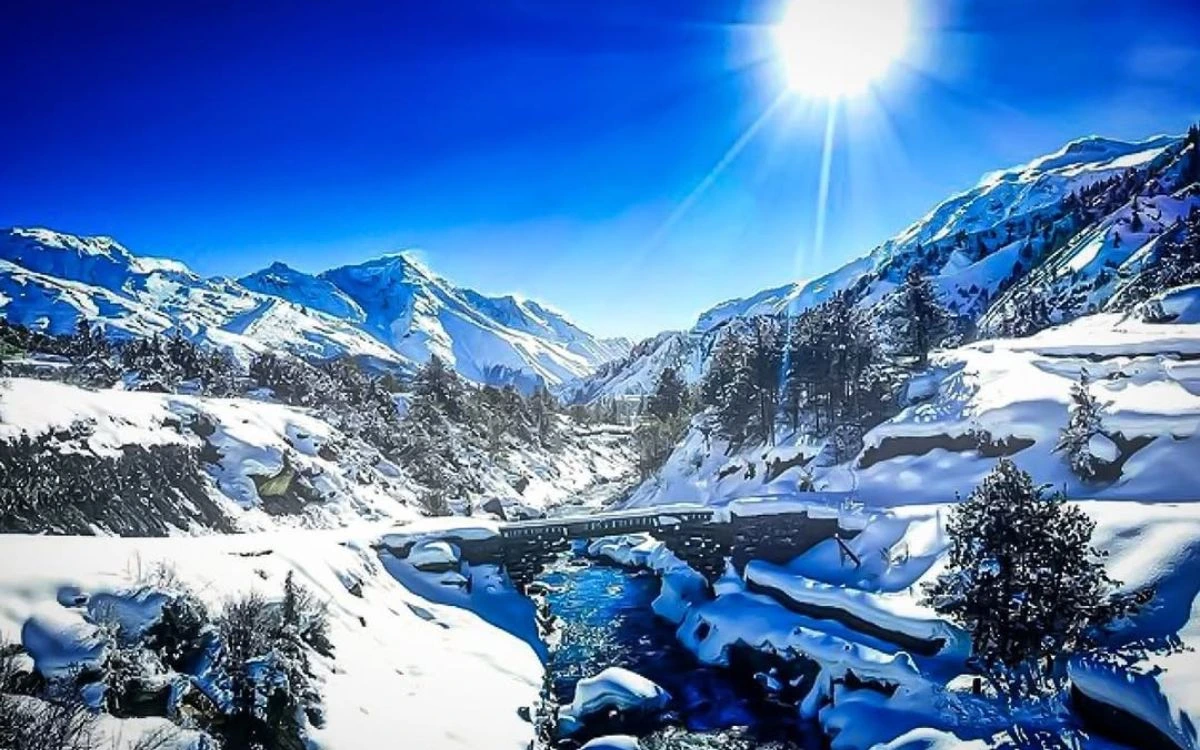
Snow-covered Himalayan valley near Pisang with a river, stone bridge, and pine trees under a bright sun
Upper and Lower Pisang villages are both excellent places for trekkers to locate comfortable teahouse accommodations. A larger selection of teahouses exists in Lower Pisang, each providing basic yet sufficient services, such as comfortable beds, shared baths,s and places to eat with hot meals. In contrast, Upper Pisang has fewer guesthouses; however, most trekkers feel that the atmosphere in Upper Pisang is much more "authentic" and "peaceful" than that found in Lower Pisang. Eating options at each location are similar; each offers a standard trekking menu that includes dal bhat or a classic Nepali lentil and rice dish, noodle soup, pasta, momos (Nepalese dumplings), porridge, ghee,e and a wide range of hot beverages. Even though prices for food are slightly higher due to remoteness, food prices remain affordable by world standards.
Things to Do in and Around Pisang Village
There is an abundance of activities to participate in around Pisang's mountain site. The most popular is the hike to Upper Pisang and its historic monastery, where you’ll be able to see amazing views of the snow-covered summit of Pisang Peak. Early morning provides a magical experience as the first light of day lights up the snowy peaks with orange and gold tones.
There are also many other activities to do in and around Pisang. Some hikers like to trek to the nearby village of Ghyaru for extended views along the ridge. Others enjoy watching the locals bring their yak caravans down the valley, while others prefer seeing the chortens and mani walls that create the spiritual presence of the village. Trekkers who have the time can also try to climb Pisang Peak (6091 m) with the aid of a licensed guide, ide so that it’s one of the most accessible trekking peaks in Nepal. Those interested in multi-destination trekking will find it easy to compare routes such as the Langtang Valley Trek and Manaslu Circuit Trek; both provide similar rugged and remote experiences at high elevations.
Acclimatization Tips for Trekkers in Pisang Village
The village of Pisang is located at about 3300 meters above sea level, which is very high in terms of altitude and will likely cause anyone who is not prepared for it some form of altitude sickness. When traveling to high altitudes, you should always follow the golden rule of "Climb High To Sleep Low." Many local guides believe that if a trekker wants to acclimatize properly to the altitude, they should use the upper trail to Ghyaru during the day and stay in Pisang at night in order to allow their body to adjust to the changes in elevation during the daytime hours.
The best way to prevent altitude sickness is to drink 3-4 liters of water per day, avoid alcohol, and travel at a slow and steady pace. Always consult with a physician before taking any medication for altitude sickness (i.e., acetazolamide). Pay close attention to your body; if you experience headaches, dizziness, or vomiting, do not continue on your trek. Instead, turn around and descend right away.
Travel Tips for Visiting Pisang Village Nepal
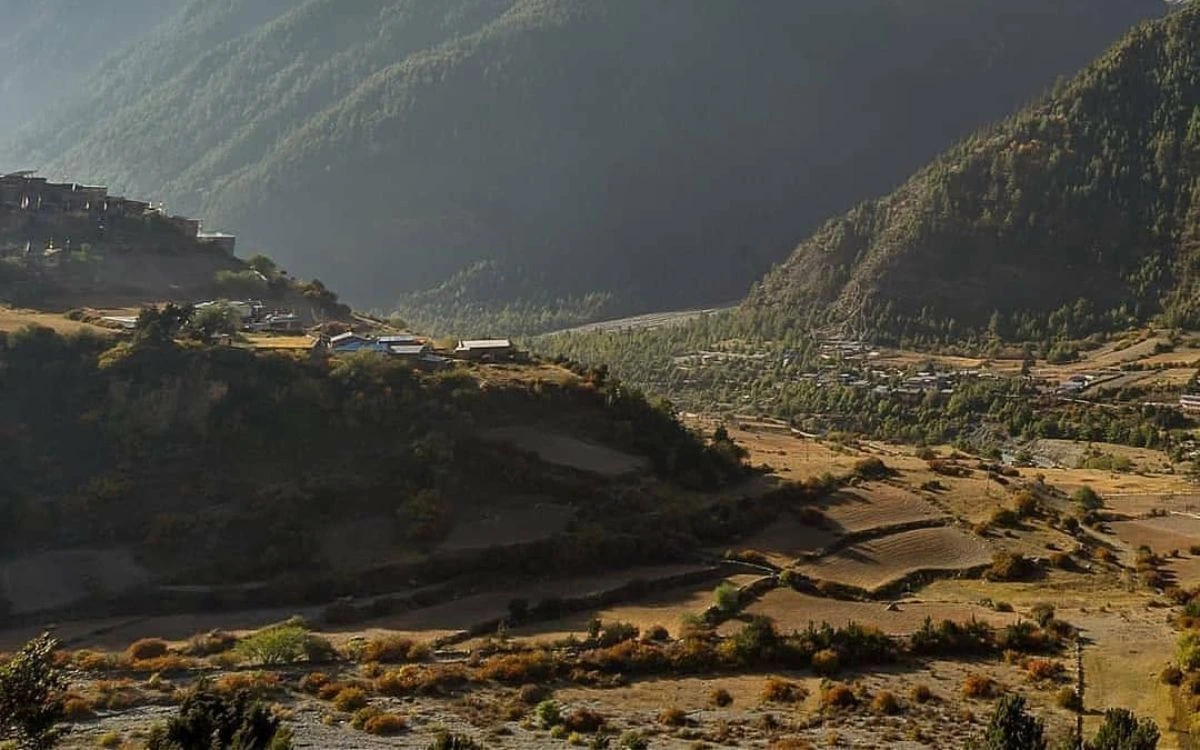
Golden-hour view of Upper and Lower Pisang villages in a valley flanked by forested Himalayan slopes
Trekking to Pisang requires two main permits, the Annapurna Conservation Area Permit (ACAP) and the TIMS (Trekkers' Information Management System) card, which can be obtained in Kathmandu or Pokhara. Be sure to take plenty of Nepali rupees from Pokhara, as there are no ATM machines past Chame. It is advisable to bring layers of clothing for the cool temperatures that occur after dark at higher elevations in the spring and fall; a sleeping bag with a rating of at least -10°C should also be included. For people who will be trekking uphill from Lower to Upper Pisang, trekking poles are strongly recommended.
Sample Itinerary Including Pisang Village
Day 1 – Kathmandu to Besisahar (820 m) by bus or jeep
Day 2 – Besisahar to Bahundanda (1,310 m)
Day 3 – Bahundanda to Chamje (1,430 m)
Day 4 – Chamje to Chame (2,710 m)
Day 5 – Chame to Pisang village (3,200–3,300 m) — arriving at Lower Pisang; afternoon walk to Upper Pisang
Day 6 – Upper Pisang trail to Ghyaru and Ngawal (3,660 m), continuing to Manang (3,519 m)
Day 7 – Rest and acclimatization day in Manang
Day 8 – Manang to Yak Kharka (4,018 m)
Day 9 – Yak Kharka to Thorong Phedi (4,450 m)
Day 10 – Thorong La Pass crossing (5,416 m) to Muktinath (3,800 m)
Why Pisang Village is a Highlight of the Annapurna Circuit
Pisang village is the point where the Annapurna Circuit truly transforms into a high-mountain adventure. Behind you lie the lush subtropical forests and terraced farmlands of the lower valleys; ahead stretch the stark, windswept plateaus and glacier-sculpted peaks of the trans-Himalayan zone. Pisang captures both worlds perfectly. It combines cultural richness, dramatic scenery, and strategic trekking importance in a way that few other stops on the circuit can match. Trekkers who tackle challenging routes like the Three Passes Trek or the Kanchenjunga Trek often cite the Annapurna Circuit, and Pisang in particular, as the benchmark against which all other Nepal treks are measured.
Frequently Asked Questions
What is the altitude of Pisang village?
Lower Pisang sits at around 3,200 m (10,500 ft), while Upper Pisang, Nepal, al is at approximately 3,300 m (10,827 ft).
Is Upper Pisang better than Lower Pisang?
Most experienced trekkers prefer Upper Pisang for its panoramic views, ancient monastery, and more authentic atmosphere, though Lower Pisang village has better amenities and is easier to reach.
How many days does trekking in Pisang Nepal typically take?
Trekkers usually reach Pisang on Day 5 of the standard Annapurna Circuit itinerary from Besisahar, spending one night before continuing to Manang.
Do I need permits for trekking on the Annapurna Circuit Pisang route?
Yes. You need an ACAP (Annapurna Conservation Area Permit) and a TIMS card, both obtainable in Kathmandu or Pokhara.
What is the best time to visit Pisang village Nepal?
Spring (March–May) and autumn (September–November) offer the best weather, clearest skies, and safest trekking conditions.
Conclusion
Located in Nepal, Pisang Village is renowned as both an important waypoint on the Annapurna Circuit and one of the Himalayan trekking world’s most visually beautiful destinations. Whether you are attracted to the historic Upper Pisang monastery, stunning Pisang Peak, or just want to enjoy the clean air of the Manang Valley, you will find that this incredible village will remain with you long after your trek has come to an end. With a rich Tibetan Buddhist culture, unique topographical features, and a location along one of the greatest trails in Nepal, Pisang offers what every traveler to the mountains is searching for. Do you want to explore Pisang? Contact Himalayan Recreation Treks and Expedition today, and allow our expert guides to take you to every mountain peak and valley you can imagine.


.webp)



-1.webp)
-1.webp)
-1.webp)