Planning a trip to the Himalayas during the peak monsoon season can feel intimidating, but you don’t have to wait until autumn. This comprehensive guide reveals the insider secrets to successful Nepal trekking in August, explaining how the country’s unique topography creates hidden, arid sanctuaries perfect for late-summer adventures. We break down the exact weather patterns you will encounter, from the humid lowlands to the pristine high-altitude microclimates, so you can hit the trail with realistic expectations.
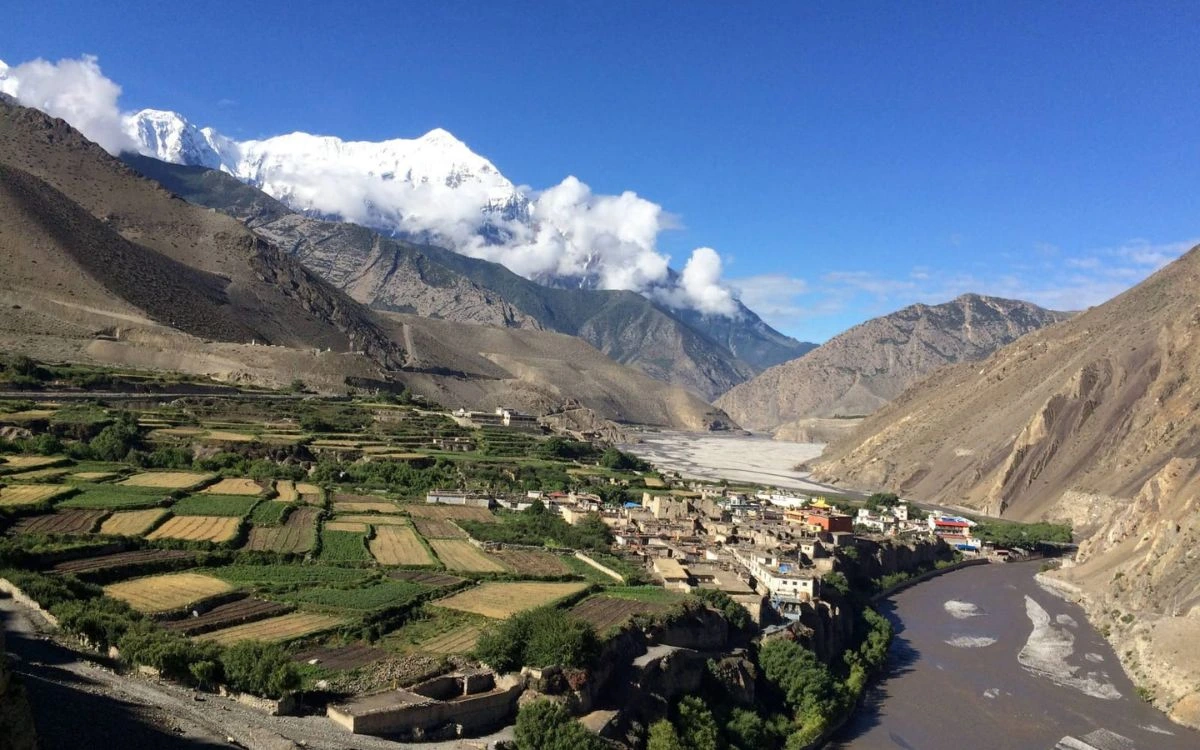
Green terraced fields and river valley on a rain-shadow trekking route in Nepal in August
You will discover an in-depth breakdown of the best treks in Nepal in August, focusing on legendary rain-shadow routes like Upper Mustang, Upper Dolpo, and the Nar Phu Valley, where the monsoon skies stay dry. Beyond route selection, this 2027 travel guide provides a specialized monsoon packing list—complete with essential waterproofing tactics—alongside critical safety tips regarding trail conditions, local guides, and travel logistics to ensure your high-altitude trek is safe, crowd-free, and unforgettable.
If the question, Is August an appropriate season to trek in Nepal?The answer is absolutely yes, August is an excellent time to trek if you avoid the wet southern slopes and head to the rain-shadow regions behind the Himalayas. These dry, trans-Himalayan trails offer perfectly clear morning skies, vibrant cultural festivals, and lush, green landscapes entirely free from peak-season tourist crowds.
The Truth About August Trekking
Let’s address the elephant in the room right away: August is peak monsoon season in the Himalayas, and if you mention planning a trip right now, most standard travel guides will tell you to stay home. They’ll warn you about washed-out roads, obscured views, and the infamous mud. But here is the insider secret that seasoned adventurers know: Nepal trekking in Augustisn't just entirely possible—it can actually be one of the most magical, deeply rewarding times of the year to visit.
The secret lies entirely in where you point your compass. While popular southern slopes get drenched, the unique topography of the Himalayas creates massive, high-altitude arid pockets known as rain-shadow areas. These regions are geographically protected by towering 8,000-meter peaks that act as a colossal wall, blocking the heavy monsoon clouds completely. While the rest of the country sees daily downpours, these hidden sanctuaries remain bright, dry, and desert-like.
If you are looking to experience trekking in Nepal in August, going off the beaten path allows you to bypass the peak-season crowds entirely, secure lower lodging rates, and witness high-altitude alpine wildflowers in full, vibrant bloom. If you know how to navigate the weather patterns and pick the right trails, a late-summer trek offers a rare, peaceful side of Nepal that autumn tourists never get to see.
When preparing for Nepal trekking weather in August, you have to plan around a distinct climate tale of two vastly different altitudes.
The Lowland Reality Check
At lower elevations (anything below 2,500 meters, including Kathmandu and Pokhara), Nepal monsoon trekking means high humidity, warm temperatures hovering around 28°C (82°F), and predictable afternoon or nighttime downpours. Trails down here can be muddy, transport delays due to landslides are a real factor, and you will definitely need to pack a bottle of salt or insect repellent to ward off low-altitude leeches.
The High-Altitude Microclimates
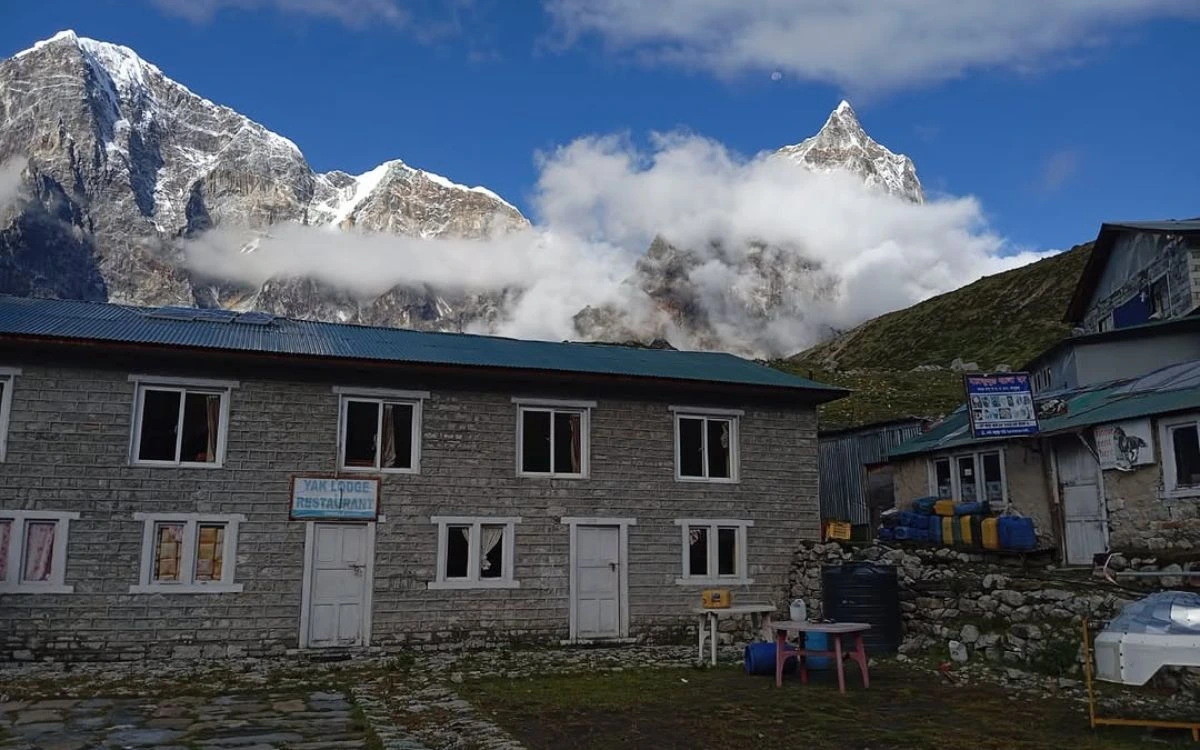
Stone teahouse lodge with snow-capped peaks emerging from monsoon clouds in Nepal
However, once you push past the mountain gates into the trans-Himalayan zones, the script flips entirely. In the rain-shadow regions, daytime temperatures sit comfortably between 15°C and 25°C—the absolute sweet spot for trekking. Mornings are frequently crisp and clear, unveiling spectacular, crowd-free views of snow-capped massifs before dramatic, ethereal cloud formations roll through in the afternoon.
The rain doesn't ruin the experience; it rejuvenates it. The valleys turn an impossibly vibrant green, waterfalls roar at maximum capacity, and local mountain communities are alive with summer agricultural life and vibrant August festivals like Janai Purnima and Teej festivals.
The Best Rain-Shadow Treks in Nepal (August Favorites)
If you want to experience the absolute best treks in Nepal in August, you need to head north of the main Himalayan crest. These hidden regions are known as rain shadow treks in Nepal, where the high mountains completely block out the monsoon rains, offering a dry, desert-like climate that is perfect for late-summer hiking.
Here are the top three trans-Himalayan routes that thrive in August:
Upper Mustang Trek in August
Permit Requirement: Restricted Area Permit (RAP) required.
Best For: Ancient Tibetan culture, forbidden cave systems, and dramatic desert landscapes.
The Upper Mustang trek in August is arguably the premier monsoon trek in the Himalayas. Because it sits directly behind the Annapurna and Dhaulagiri massifs, this ancient kingdom receives almost zero rainfall during the summer. While lower Nepal experiences heavy downpours, Upper Mustang remains dry, sunny, and characterized by striking wind-sculpted red cliffs and white-washed mud-brick villages. Trekking here in August allows you to witness local farmers harvesting barley fields under clear blue skies, all without the biting wind and cold temperatures of the autumn and winter months.
Permit Requirement: Restricted Area Permit (RAP) required.
Best For: Unmatched isolation, deep blue alpine lakes, and raw wilderness.
For adventurers looking to completely disconnect, the Upper Dolpo trek August itinerary offers a rare glimpse into a timeless, untouched world. Dolpo is a vast, high-altitude rain-shadow desert that shares a border with Tibet. In August, the trails are blissfully quiet, and the weather is pleasantly warm during the day. The crown jewel of this trek is Phoksundo Lake—a deep, impossibly turquoise alpine lake that looks even more striking against the surrounding arid, sun-bleached mountains. Because this route is so remote, traveling during the summer means you can cross the high passes safely without dealing with heavy winter snow blockages.
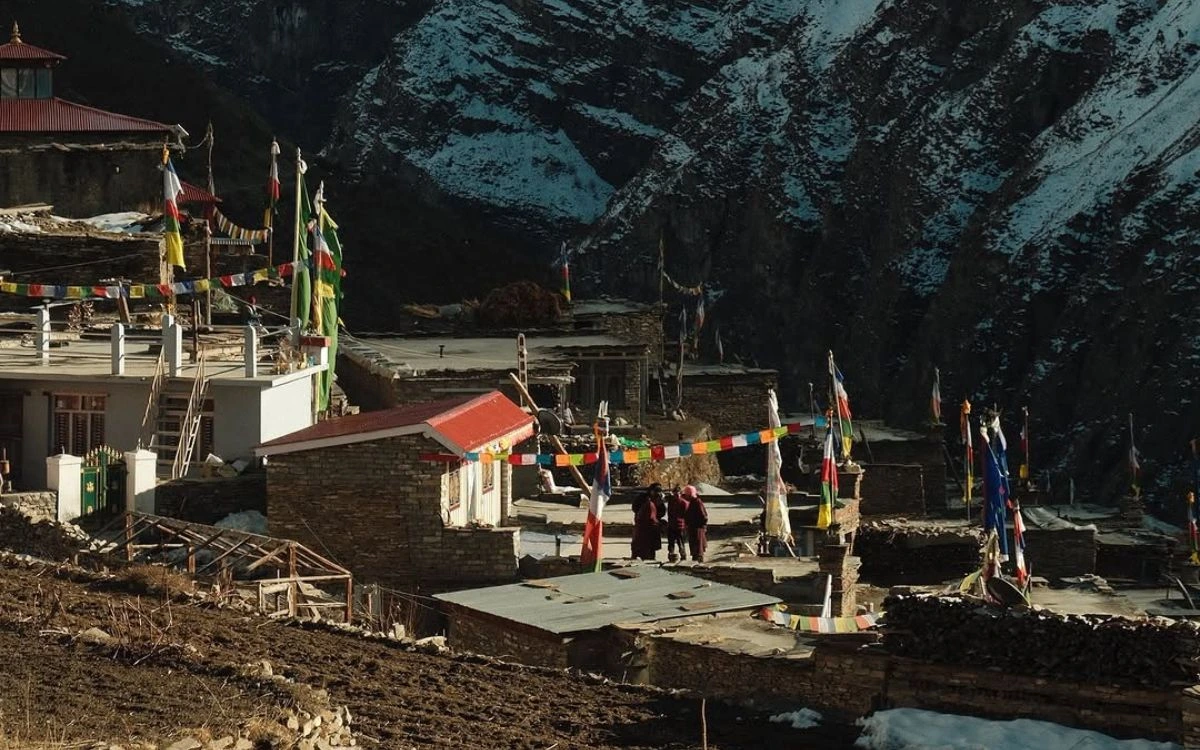
Prayer flags and stone village in Nar Phu Valley during a Nepal trek in August
Permit Requirement: Restricted Area Permit (RAP) required.
Best For: Off-the-beaten-path mountain culture and exploring a hidden medieval valley.
The Nar Phu Valley trek August route is a spectacular hidden gem nestled between the Annapurna and Manaslu regions. Tucked away in a pristine rain shadow, the medieval villages of Nar and Phu remain dry and highly accessible throughout the peak monsoon season. The trek features deep river gorges, ancient Buddhist monasteries, and traditional stone architecture that feels entirely locked in the past. Pushing through this loop in August allows you to experience the vibrant, raw lifestyle of the local community during their peak summer grazing season, right before you connect back to the classic Annapurna Circuit route.
While the remote rain-shadow valleys offer a dry sanctuary, many trekkers still dream of standing before the world's highest peaks on Nepal's classic routes. You can absolutely tackle these iconic trails late in the summer, but you have to go in prepared for a completely different environment.
Here is how two of Nepal's most famous itineraries transform during the monsoon season.
Annapurna Circuit in August
The Annapurna Circuit trek in August is a tale of two entirely different climates. The first few days of the trek, which wind through the lower subtropical valleys of Lamjung and Mustang, are undeniably wet, humid, and muddy. You will encounter slippery paths and plenty of leeches.
Key Route Transition:Trekking the Annapurna Circuit in August offers an incredible environmental shift. You will start your journey traversing the humid, lushly green lowlands where heavy monsoon rains and muddy trails are common, before crossing the high-altitude wall of Thorong La Pass at 5,416 meters to emerge into the arid, sun-bleached rain-shadow regions of Manang and Muktinath, where the skies stay beautifully dry.
However, once you trek past Chame and enter the upper Manang valley, the script flips completely. You pass through the mountain barrier into a beautiful alpine rain shadow.
The Big Reward: Crossing the legendary Thorong La Pass (5,416m)in August means you get to experience the high-altitude trails during their warmest and greenest months, with lush high-pasture flora in full bloom.
The Strategy: Plan for a flexible itinerary during the first 3 days of travel to account for slow road transport or muddy trail detours before you hit the dry mountain zones.
Everest Base Camp Trek August
Attempting the Everest Base Camp trek in the August itinerary is the ultimate exercise in patience. Still, it rewards you with a side of the Khumbu region that very few tourists ever get to see. The primary hurdle for a summer Everest trek isn't actually the trail itself—it is getting there. Flights between Kathmandu (or Manthali) and the high-altitude airport in Lukla are notorious for weather-related cancellations and delays due to low monsoon clouds.
The Reality Check: You must be prepared for flights to be grounded for days at a time, or budget extra funds for an emergency helicopter transfer if timelines get tight. On the trail, the lower sections below Namche Bazaar will be damp and shrouded in mist.
The Hidden Perks: Once you push past the tree line toward Dingboche and Gorak Shep, the rain tapers off significantly. The biggest payoff? The world-famous EBC trail is blissfully quiet. You will have legendary viewpoints like Kala Patthar almost entirely to yourself, and tea houses will welcome you with open arms, premium rooms, and deeply personalized hospitality that disappears during the frantic autumn rush.
Essential Nepal Trekking Packing List (August Edition)
Trekking during the monsoon season doesn't require a completely different wardrobe, but it does demand a smart, highly specialized approach to waterproofing. Packing the right technical gear can mean the difference between a miserable, damp trek and a comfortable, breathtaking adventure.
When building your Nepal trekking packing list in August, focus heavily on moisture management. The golden rule of monsoon trekking is simple: Assume your backpack will get wet, and protect the inside accordingly.
To help you prepare efficiently, use this structured gear matrix designed for late-summer trail conditions. It highlights the non-negotiables you need to pack alongside your standard trekking layers to enjoy the best treks in Nepal in August:
Must-Have Item
Why It's Crucial for August
Pro-Tip for Trekkers
Gore-Tex Shell Jacket & Pants
Essential for heavy downpours at lower elevations and windy high passes.
Look for pit-zips in your jacket to dump heat during warm, humid lowland walks.
Waterproof Pack Cover & Dry Bags
Keeps your dry clothes, electronics, and sleeping bag completely bone-dry.
Line the inside of your entire backpack with a heavy-duty trash bag before packing.
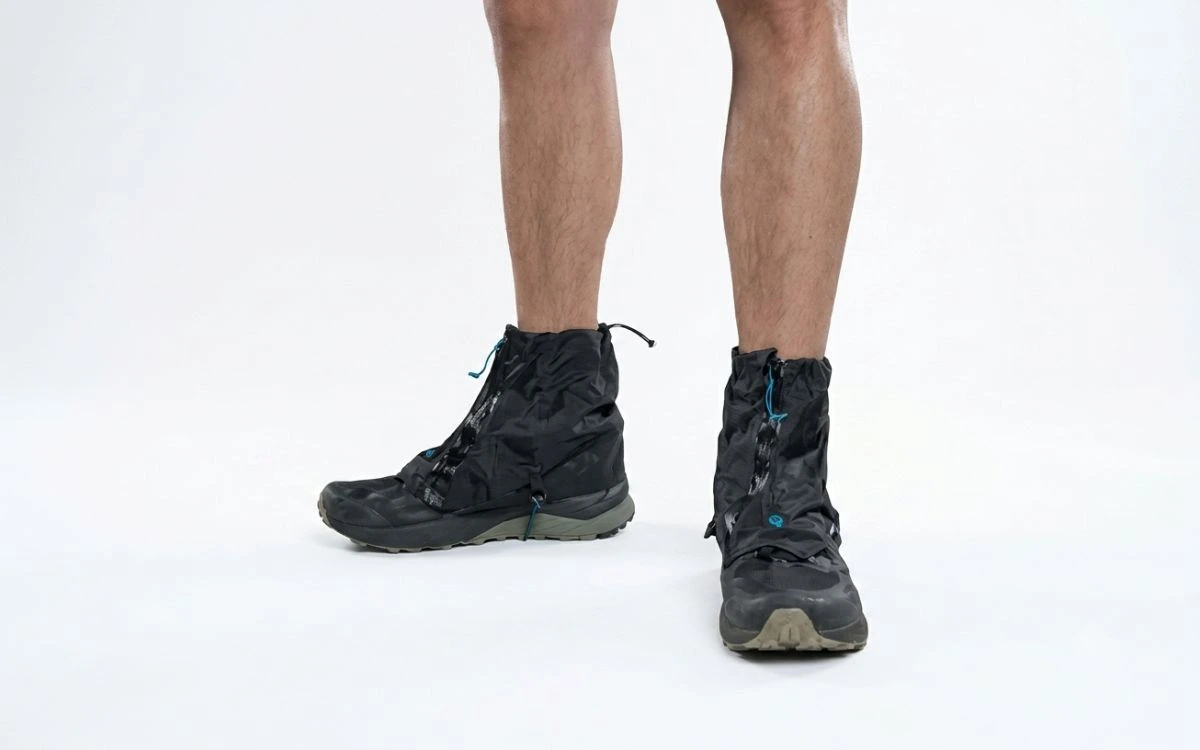
Gaiters & Insect Repellent
Your best defense against the infamous, low-altitude monsoon leeches.
Wrap gaiters tightly over your boots and apply high-DEET spray or carry a small pouch of salt.
Sturdy Trekking Boots with Deep Grip
Muddy, slippery trails require top-tier traction to prevent slips.
Ensure your boots are thoroughly treated with a fresh layer of waterproof spray before leaving.
Quick-Dry Microfiber Towels
Standard cotton towels will not dry in the humid mountain air.
Hang your microfiber towel on the outside of your pack during dry morning stretches.
The Footwear Rule:Leave the porous trail-running shoes at home for an August trek. Slippery stone steps, muddy single-tracks, and shallow stream crossings demand waterproof hiking boots with deep, reliable rubber lugs (like Vibram soles) to ensure your ankles stay supported on unpredictable terrain.
Pro Tips for Safe Monsoon Trekking
Trekking during the monsoon season doesn't mean compromising on safety—it means outsmarting the weather. While an autumn trek relies on predictable patterns, late-summer trekking requires a sound strategy.
By applying these critical tactical adjustments, you can safely navigate the rain patterns and ensure a seamless Himalayan experience.
The 6:00 AM Trail Rule: Beat the Afternoon Storms
Monsoon rain showers in the Himalayas are highly predictable. The vast majority of heavy downpours build up due to daytime evaporation and break late in the afternoon or evening.
To capitalize on this pattern, adopt the early bird strategy:
The Routine:Wake up at 5:00 AM, hit the trail by 6:00 AM, and aim to reach your next tea house by 1:00 PM or 2:00 PM.
The Reward:You will enjoy crystal-clear morning skies, low humidity, and dry roads, getting securely under a roof before dark clouds and rain wash across the valleys.
The Monsoon Daily Rain Cycle:To outsmart the weather, plan your hiking days around this highly predictable afternoon rain cycle. Start your trek by 6:00 AM to take full advantage of a clear, dry morning window. As clouds build and humidity levels rise through midday, you should aim to arrive at your designated tea house by 2:00 PM, putting you safely indoors before the high risk of heavy afternoon and evening downpours sets in.
Extra informative tips for the Monsoon trek in Nepal
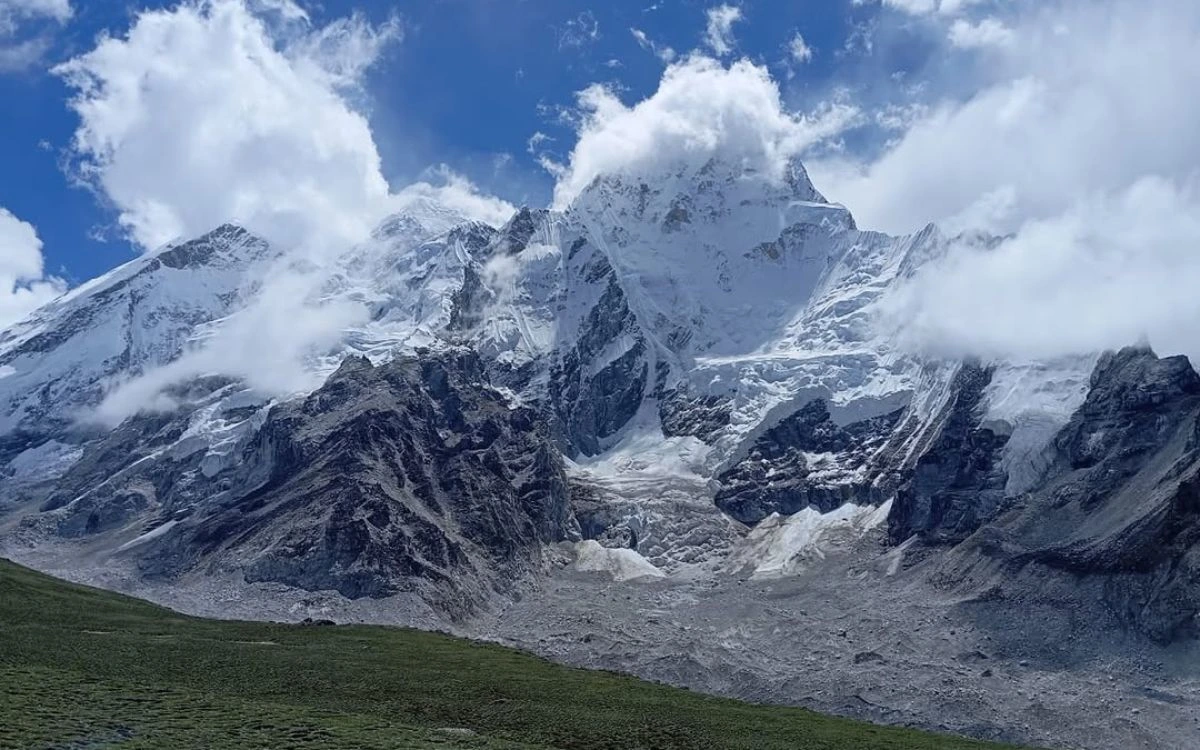
Snow-covered Himalayan peaks wrapped in monsoon clouds during August trekking in Nepal
Build in 2 to 3 Buffer Days
Weather delays are the single biggest variable when trekking in Nepal in August. Heavy cloud cover can ground domestic flights to high-altitude mountain strips like Lukla or Jomsom for days at a time. Down in the lowlands, monsoon rains can occasionally cause mudslides that block key mountain highways.
Never book your international flight home for the day after your trek ends. Always build 2 to 3 cushion days into your travel schedule. If your itinerary goes perfectly smoothly, you can use those extra days to explore the vibrant, historic streets of Kathmandu, shop for local handicrafts, or indulge in the thriving café culture of Pokhara.
Hiring a Licensed Guide is Mandatory (2027 Regulations)
Under the current 2027 regulations enforced by the Nepal Tourism Board, solo independent trekking is legally banned across all of Nepal's national parks, conservation areas, and restricted zones. All foreign trekkers are legally required to hire a government-licensed guide registered through an authorized agency.
2027 Regulatory Insight:The old freelance model is no longer recognized at park checkpoints, and independent paper TIMS cards have been entirely replaced by a centralized digital tracking system. Your agency will manage your digital permits on your behalf.
Beyond legal compliance, having a certified professional guide by your side during the monsoon is an absolute game-changer. Trails can change rapidly overnight due to rainfall, and a local guide possesses the real-time knowledge required to identify safe trail diversions, navigate unstable terrain, monitor your health for altitude sickness, and negotiate premium teahouse accommodations on quiet paths.
FAQs
Are there leeches on Nepal treks in August?
Yes, leeches are common during the monsoon season, but only at lower elevations (typically below 2,500 meters) where the trails are humid and densely forested. Once you climb into the higher alpine zones and the dry rain-shadow regions like Upper Mustang or Upper Dolpo, leeches disappear completely.
The Defense: To protect yourself in the lowlands, wear tall socks, pull your ankle gaiters tight, and carry a small pouch of salt or a high-DEET insect repellent to apply if any get onto your boots.
Can you see mountain views during the monsoon?
Yes! While afternoon skies are usually blanketed by thick monsoon clouds, the early mornings are famous for being crisp, clear, and incredibly sharp.
Because the summer rain washes all the dust and haze out of the atmosphere, morning visibility in August offers some of the most vibrant, pristine mountain photography of the year. For uninterrupted, all-day mountain views, sticking to rain-shadow trails ensures you stay behind the cloud barrier entirely.
Is it safe to trek independently in August?
No, and under the current 2027 Nepal trekking regulations, true solo trekking without a guide is legally banned across all of Nepal's national parks, conservation areas, and restricted zones.
The traditional standalone paper TIMS card has been completely phased out and replaced by a digital tracking system (e-TIMS) managed exclusively by authorized agencies. To hit the trail legally and safely, you must book your route through a registered agency that provides a certified, government-licensed guide. Note that a historic March 2026 update now allows a single solo traveler to secure Restricted Area Permits (RAP) without needing a second trekking partner—provided they are accompanied by a licensed guide.
Embrace the Monsoon Magic
Trekking in Nepal in August is all about shifting your perspective. By choosing trans-Himalayan rain-shadow trails like Upper Mustang or Upper Dolpo, you trade peak-season tourist crowds for empty paths, lush valleys, and dust-free morning views. With the right waterproof gear, an early daily start, and a flexible schedule, an August monsoon trek is a safe, deeply rewarding, and unforgettable adventure.
Plan Your August Adventure with Himalayan Recreation!
Ready to experience a unique, crowd-free side of the Himalayas? Let Himalayan Recreation Treks & Expedition handle the logistics. With over 20 years of local guiding experience and a 99% trek success rate, our staff handles all the intricate monsoon planning, safety standards, and mandatory 2027 digital permission requirements for you.
Whether you want to explore the desert landscapes of Upper Mustang or experience the quiet trails of the Annapurna Circuit, our certified, government-licensed local guides will ensure your journey is seamless and secure.


-2.webp)


 based on 3 reviews






-6.webp)
-1.webp)
-1.webp)