A proper packing list for the Kanchenjunga Trek ensures you are safe, warm, and enjoy your trek through Nepal's most remote region. If you don't pack properly, you risk the chance of experiencing the adverse effects of cold weather and a lack of basic facilities while trekking for long hours without being prepared with adequate gear. As the Kanchenjunga Trek or Kanchenjunga Circuit Trek takes you around Mount Kanchenjunga, which is the 3rd highest mountain at 8586 meters (28008 ft.), it typically lasts between 20 and 25 days, reaching altitudes above 5000 meters (16400 ft.) while visiting Kanchenjunga Base Camp areas.
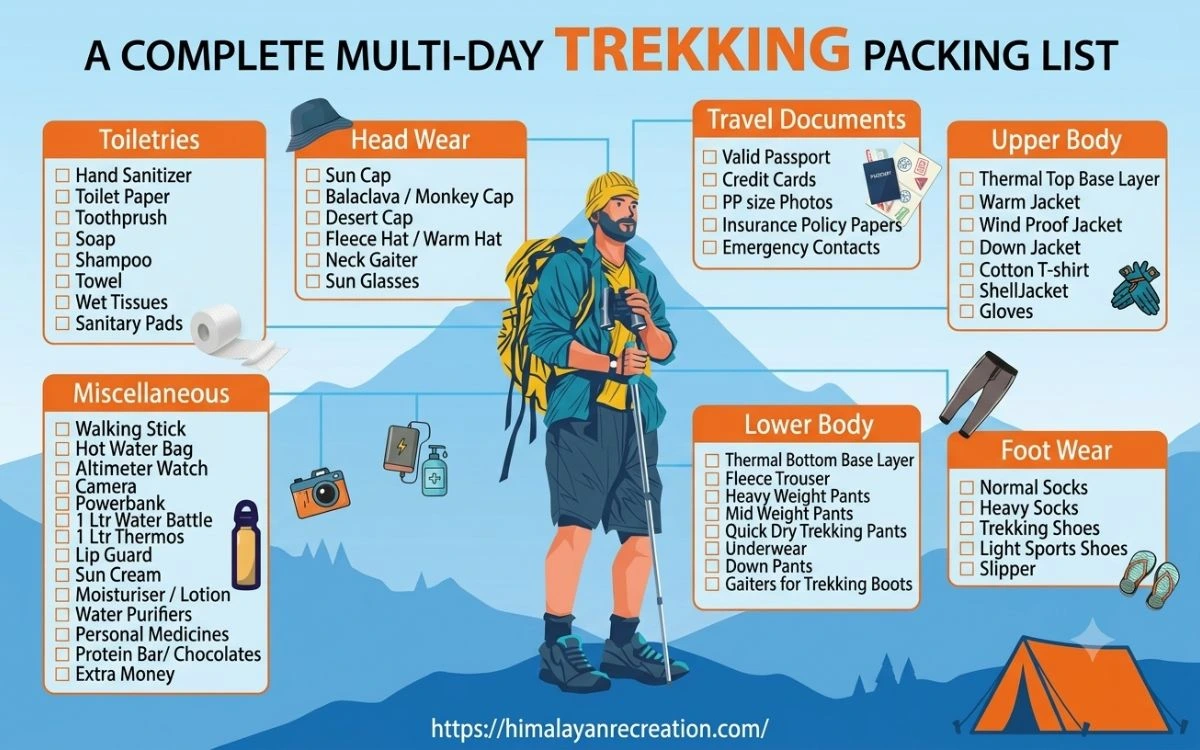
Infographic of a complete multi-day trekking packing list for the Kanchenjunga trek
Given that the Kanchenjunga Trek has an extended duration, higher elevations, and long stretches of isolated trails, it is important to be more diligent in your preparation than you would be on the more popular routes like the Everest or Annapurna Trek. Further, because teahouses along the Kanchenjunga Trek are minimal, weather patterns change rapidly, and there are very few shops for resupplies, you must use a complete packing list for the Kanchenjunga Trek.
Packing for the Kanchenjunga Trek should include clothing for both cold and hot conditions, proper trekking equipment and accessories, enough personal items, and safety equipment. The focus of what to pack for the Kanchenjunga Circuit Trek or what to pack for the Kanchenjunga Base Camp Trekshould always be on comfort, warmth, durability, and reliability. This blog will help you prepare to be confident and trek correctly by detailing all of the packing essentials for the Kanchenjunga Trek.
Best Time for Kanchenjunga Trek
The timing of your trek will affect how you pack for your trek; knowing when is the right time to do your Kanchenjunga trek is very important. The weather in the Kanchenjunga region has a large impact on what types of clothing and gear you will need and how comfortable you will be overall. Knowing the seasonal temperature will allow you to pack correctly for your Kanchenjunga trek.
In general, the Kanchenjunga Trek has two peak trekking seasons, namely Spring (March-May) and Autumn (September-November)
In Spring (March to May), the weather is stable, and the environment presents a beautiful colour and landscape. Generally, the weather at daytime is 10-15 degrees Celsius (°C) for lower elevations and below 0°C at nighttime in higher elevations. It is imperative to continue bringing warm clothing and insulating items for your trek.
In Autumn (September to November), clear skies, dry trail conditions, and good weather conditions combine to make Autumn the most popular time for trekking to Kanchenjunga. In the daytime, temperatures are usually 10-12 degrees Celsius (°C) but go to about -5 and below for nighttime at higher elevations. The proper clothing and gear for cold-weather trekking are mandatory if you are planning on taking the Kanchenjunga Trek.
Can You Buy or Rent Trekking Gear in Kathmandu for the Kanchenjunga Trek?
There are plenty of places to buy and rent trekking gear for the Kanchenjunga Trek in Kathmandu; you will not need to bring everything from your home country. The majority of the trekking shops in Kathmandu are located in Thamel, which is where you will find most of the trekkers.
Almost anything you will need for your journey to Kanchenjunga can be found in Kathmandu, such as jackets, sleeping bags, backpacks, trekking poles, and boots. In Kathmandu, you will also come across some shops that offer rental equipment; this is a good option if you want to save money or if you do not wish to carry large pieces of equipment on your flight.
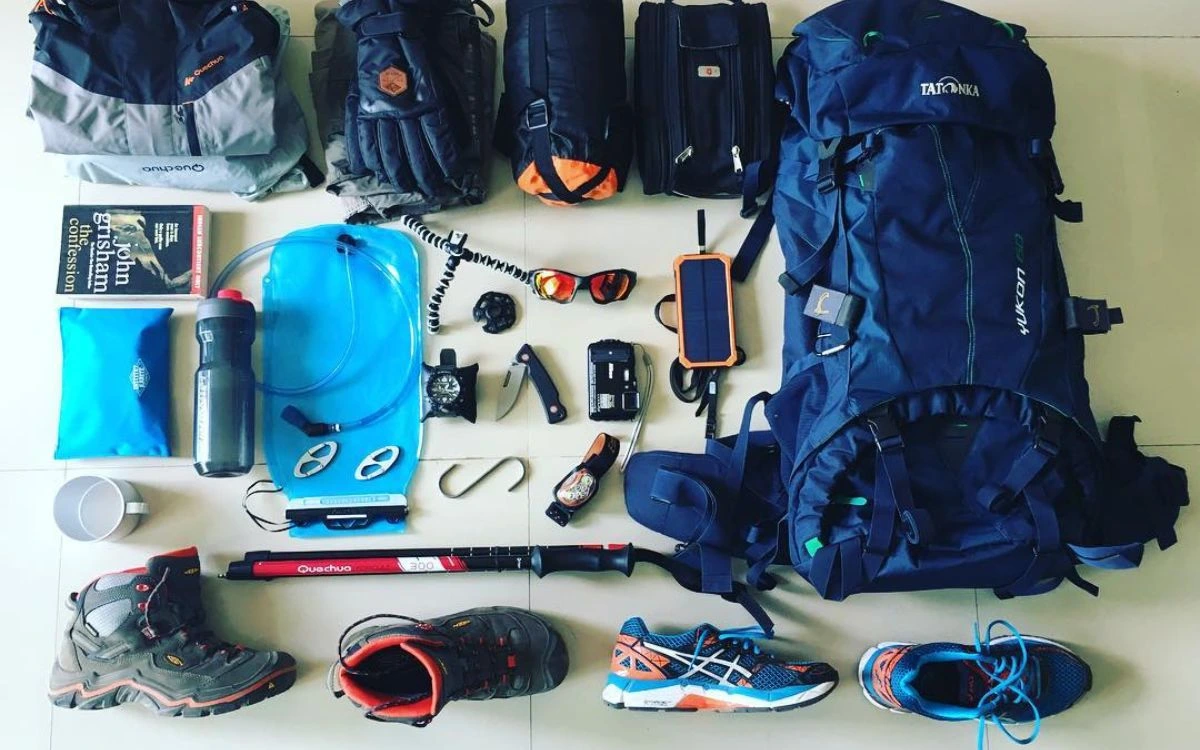
Trekking gear laid out including backpack, boots, and hydration bladder for the Kanchenjunga trek
The prices for trekking equipment vary greatly according to the quality and brand of the equipment, and whether or not you are renting or purchasing the equipment. You will find both international and local brands of trekking gear in Kathmandu; examples of popular brands that are available include Columbia, Mountain Hardwear, and many other popular outdoor companies. Some good Nepali brands have a reputation for producing high-quality equipment, such as Everest Outfit, Dolpo Gear,s and Sonam Gears; the prices for these brands are typically lower than those of the international brands.
Essential Packing List for Kanchenjunga Circuit Trek
Know about the essential trekking packing lists, like documents, and Money for the Kanchenjunga Trek
Necessary documents
A valid passport with at least six months' validity remaining.
A valid tourist visa for Nepal.
Passport-sized photos.
Travel insurance that covers the cost of high-altitude trekking and emergency evacuation, as well as being valid for travel above 6,000 m (20,000 ft).
Permits Required for Trekking in the Kanchenjunga Region
A Restricted Area Permit (RAP): required for the Tapethok and Yamphuding VDC's, with a cost in the range of USD 10-20 per person per week, and it must be arranged through a registered trekking agency.
A Kanchenjunga Conservation Area Project (KCAP) permit costs around NPR 2,000–3,000.
Note: For permits, you will need to have a minimum of two trekkers and a licensed guide who will accompany you during the trek.
Money and Currency
Currency: Nepalese Rupees (NPR) are required for daily expenses on the trail.
Daily Budget: Plan for USD 25–35 per person per day for food and lodging.
Cash: Carry enough cash from Kathmandu or Birtamode, as ATMs are unavailable along the trek.
Travel insurance for the Kanchenjunga trek is an important consideration for anyone planning to trek in this region. As this region has very limited accessibility due to its remote location and the high elevation where the trail takes you, the risk of injury, sickness, or needing to evacuate requires coverage in case of unfortunate events.
Before buying travel insurance, ensure that you find providers that offer coverage for high-altitude trekking, emergency medical evacuation, helicopter rescue,e and cancellation of your trip due to one of these reasons. The provider should also include lost luggage and personal possessions coverage.
Some excellent travel insurance providers include: Allianz Care, World Nomads, Cover More, Clements Worldwide, World Trips, Global Rescue, Fast Cover (for Australians and New Zealanders), True Traveller, Trail Finders, IM Global, and ASC 360 Insurance.
Packing Clothing for Kanchenjunga Trek
Upper Body
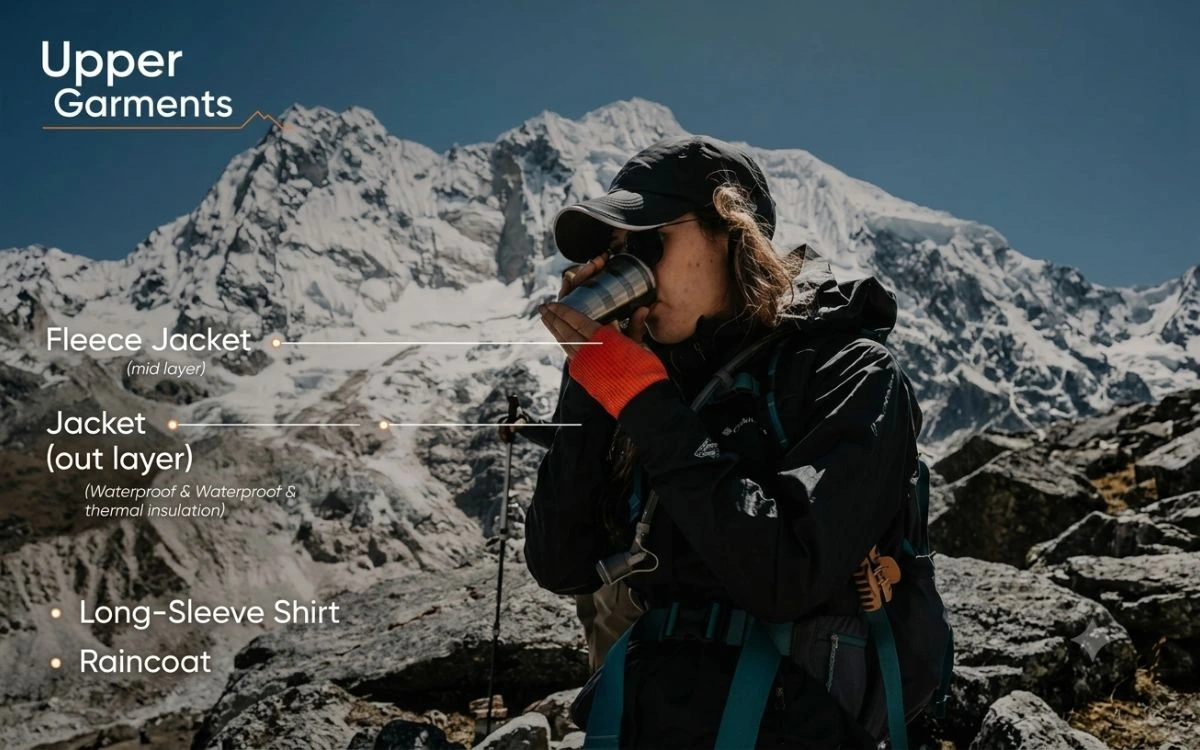
Trekker in fleece jacket and waterproof outer layer drinking tea against snow-capped Kanchenjunga peaks
Base layer tops (thermal/quick-dry): 2–3 pieces – moisture-wicking, lightweight.
Fleece jacket or mid-layer: 1–2 pieces – warm and breathable.
Down or insulated jacket: 1 piece – lightweight, compressible, warm for high-altitude nights.
Waterproof/windproof jacket: 1 piece – breathable, durable, with hood.
T-shirts (quick-dry): 2–3 pieces – synthetic or merino wool.
Thermal leggings: 1–2 pairs – for cold nights or high altitudes.
Waterproof pants: 1 pair – lightweight and breathable.
Pro Tip: Make sure to use synthetic, merino wool, or quick-dry materials instead of cotton clothing when doing a trek. Cotton clothing absorbs moisture very quickly and takes a long time to dry. Therefore, wet cotton will keep you cool and not very comfortable on your trek.
Packing Footwear for Kanchenjunga Trek
Durable waterproof trekking footwear with ankle support is a must for the Kanchenjunga Trek. Brands such as Salomon Quest 4D GTX, Salomon X Ultra, Merrell Moab, La Sportiva TX Series, and Scarpa Kailash are all popular; however, you will also want to break them in before the trek to help prevent blisters. Lightweight running shoes are ideal for the easier sections of the trail. You might also consider bringing something soft and warm to wear around the tea houses.
Your packing list should include three or four pairs of trekking socks made from synthetic or wool, plus one or two pairs of thermal socks for the colder (high) part of the trek. A good pair of gaiters will protect your pants against snow and mud, plus a set of crampons or micro-spikes will help keep you from falling on the ice.
Pro Tip: Keep your feet dry and comfortable. Change into dry socks whenever possible, air your feet during breaks, and use foot powder or Vaseline to reduce friction. Let your boots dry at the tea house, but avoid direct heat. Avoid cotton socks as they hold moisture and make your feet cold.
Trekking map / GPS / guidebook: For navigation and reference
First aid kit: Include personal medication, blister care, painkillers, and antiseptic
Toiletries: Biodegradable soap, toothbrush, toothpaste, quick-dry towel, toilet paper
Multi-tool / knife: Compact and lightweight
Camera/phone with power bank: Optional but useful
Dry bags / waterproof stuff sacks: To keep clothing and electronics dry
Snacks/energy bars: For long trekking days
Accessories for Kanchenjunga Trek
Hat / Cap: For sun protection during the day
Buff / Neck gaiter: For warmth, dust, and wind protection
Gloves: Lightweight for daytime and warm, insulated gloves for high altitudes
Sunscreen: SPF 30+ to protect against strong mountain sun
Lip balm: With SPF protection
Sunglasses: UV protection, preferably glacier sunglasses for snowy sections
Watch / Altimeter: Optional, useful for tracking time and altitude
Dry bags / Waterproof pouches: Protect electronics, documents, and clothing from rain or snow
First Aid Essentials for Kanchenjunga Trek
Personal prescription medicines with copies of prescriptions
Diamox (Acetazolamide) for altitude sickness prevention and treatment (use only as advised by a doctor)
Pain relief tablets for headaches, muscle pain, or fever
Blister treatment,t such as blister pads, moleskin, or tape
Antiseptic cream or wipes for cuts and wounds
Bandages, gauze pads, and adhesive tape
Anti-diarrhoea medicine and oral rehydration salts
Cold and flu medicine
Muscle spray or pain relief gel
A thermometer to monitor body temperature
Tweezers and small scissors
Insect bite or allergy relief medicine
Optional Items for Kanchenjunga Trek
Silk liner / Sleeping Liner: For added warmth and hygiene while sleeping in tea houses.
Umbrella for Trekking: Beneficial in protecting against rainy weather.
Hand/Toe Warmers: These items will keep you warm on cold nights or when trekking at high altitudes.
Journal/Notebook with Pen: To log all your trekking experiences.
Entertainment: Bring along a small book, e-reader, or deck of playing cards to pass the time during the evenings.
Camera Tripod: A great accessory for those who love taking pictures!
Small Sewing Kit: For minor clothing/gear repairs.
Lightweight Binoculars: To help you see wildlife or mountains from a distance.
Extra Zip-Lock Bags: Will assist you in keeping your trash organised and your belongings together.
Energy Gels/Electrolytes: If planned for all-day trekking.
Useful Tip: Pack any options only when you can comfortably bear the extra weight. Always place priority on essentials first and then add options based on your requirements, area of the trek, and season.
Packing Tips for the Kanchenjunga Trek
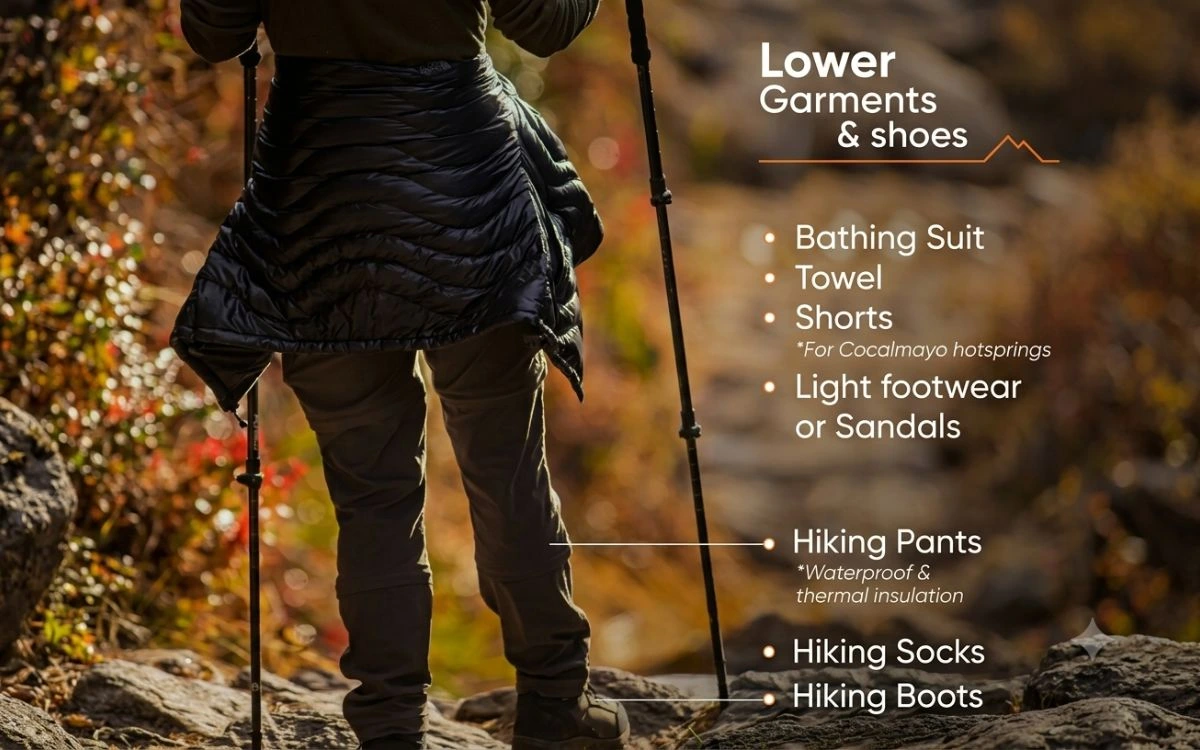
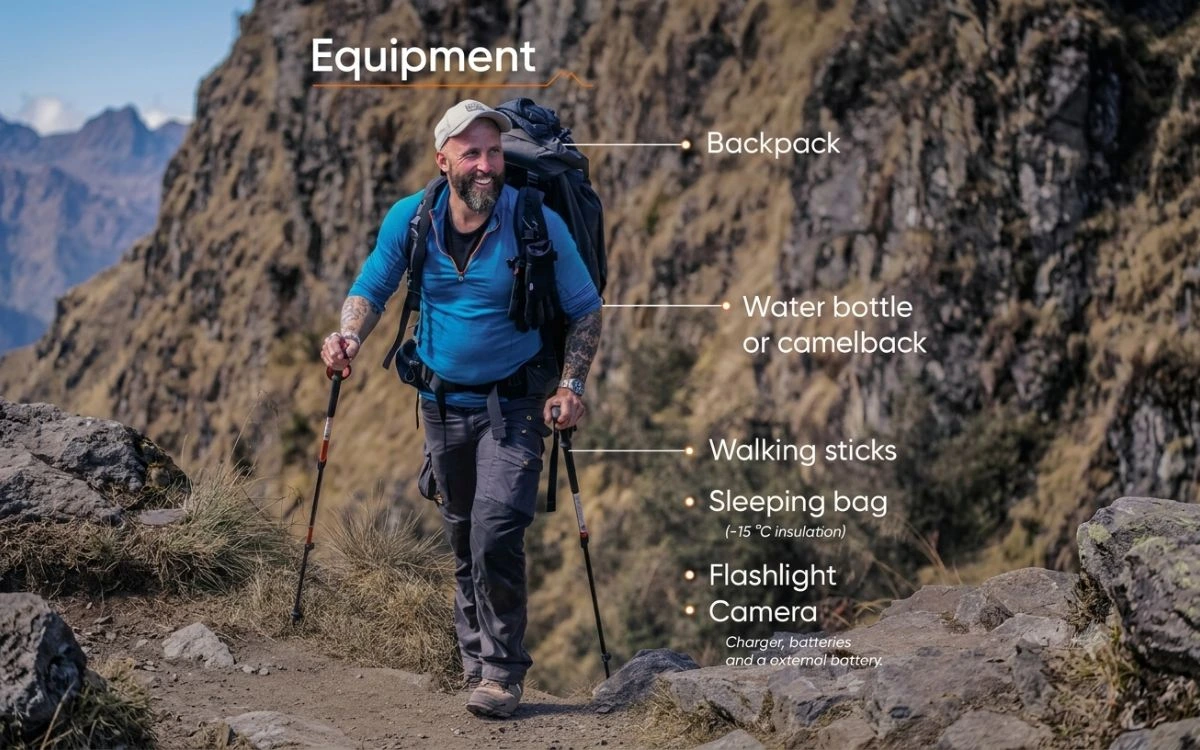
Trekker with backpack and walking sticks showing essential equipment for the Kanchenjunga trek
Carry only the essentials in a lightweight pack. This allows for much easier walking and travelling on long days of trekking.
Layering on top of your body enhances your climate adaptation to changing weather.
Avoid using cotton as an outer layer of clothing - rather use synthetic or wool materials that dry quickly and still insulate when wet.
Break in your boots before trekking to avoid sores or pain while walking.
Store your important documents, currency, and electronics in a waterproof pouch.
Either take enough cash from Kathmandu or Birtamode with you, as an ATM is not available on this route.
Bring along a sleeping bag appropriate for cold weather.
You should always have at least one dry outfit available for evening use and while sleeping.
Use dry bags or packing containers to keep your belongings organized for easy organization. Take good care of your feet: change socks as frequently as possible into a fresh pair for daily hygiene.
You should have some personal medications/first-aid kit available unobtrusively.
Do not overpack luxury items; it's more important to prioritize comfort and safety than to pack items used for recreation.
Double-check your packing list before leaving to ensure you have not forgotten anything essential.
Things You Do Not Need to Carry on the Kanchenjunga Trek
Several sets of clothing that are not being used
Cotton clothing that remains damp and makes the wearer cold
A large number of pairs of shoes or sandals
Full-sized personal care products (including toiletries) and full-size cosmetics
Jewellery or expensive and valuable items
Bulk entertainment items such as books that are hardcover, bulky, and weighty
Surplus kitchenware and supplies of food goods
Large electronic items such as personal computers and audio equipment
Multiple camera lenses, unless you are a professional photographer
An excess of cash beyond budgeted amounts
Luxury items are not required, which adds extra weight to the backpack
Frequently Asked Questions
How heavy should my backpack be for the Kanchenjunga trek?
Your pack should be 10-14 kg with all the necessary items you need; if you get a porter, carry a light day bag (5-6 kg), which can include items such as water, food, documents, and your camera.
Can I do the Kanchenjunga trek without a porter?
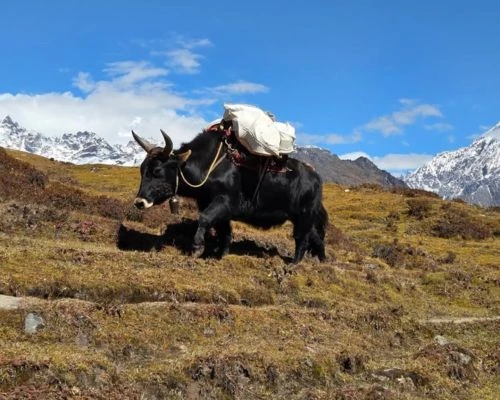
If you are an experienced and fit traveler, you may choose to trek without a porter; however, it is recommended to hire one due to the length of time spent on the hike and the distant nature of the trail. A guide will allow you to enjoy your trekking experience more comfortably without the added stress of carrying your own body weight on your back.
Are charging facilities available along the Kanchenjunga trail?
Charging facilities are few and far between and usually at only a few tea houses. If you do not have any electrical charging facilities available, it is advisable to bring a backup power supply (power bank) and a solar power charger with you to ensure your electronic devices remain charged throughout the duration of your trek.
Is laundry service available along the Kanchenjunga trail?
Laundry services are rare or unavailable along the Kanchenjunga trail. It is best to pack quick-dry clothing so you can wash and dry items yourself when the weather permits.
Do I need special winter gear for trekking in the Kanchenjunga region?
Yes, winter trekking requires added insulation, with a heavier sleeping bag being recommended along with a thick down jacket, insulated gloves, and increased protection from snow and areas of extreme cold.
Can beginners do the Kanchenjunga trek?
The Kanchenjunga Trek is not suitable for beginner trekkers because it is not an easy trek and requires previous high-altitude trekking experience. Beginner trekkers should adequately prepare their bodies for a trek of this nature, and they should also be accompanied by an experienced licensed guide.
Can I trek solo in the Kanchenjunga region?
Solo trekking in the Kanchenjunga region is not allowed; you must trek with a minimum of one other person and with a licensed guide, as this is a restricted area.
The initial step in ensuring a safe and successful trek on the Kanchenjunga Trek is to prepare a complete packing list. As this trek is located in one of Nepal's most remote and highest altitude areas, the facilities available are very limited, and the weather can change rapidly. Having the proper gear, footwear, clothing, permits, safety essentials, etc., will allow you to remain warm, comfortable, and confident while trekking.
Packing correctly is especially important since the Kanchenjunga Circuit Trek typically takes 20 to 25 days and reaches over 5,000 meters in elevation. The meters complete Kanchenjunga Packing List will help you pack all of the necessary items for your trek and not overpack. Each item, from sturdy footwear to permits, medical supplies, etc., contributes to your experience while on the trek.
Follow this complete Kanchenjunga trek packing list and the listed recommendations to enable you to concentrate on enjoying the beautiful scenery of Nepal and experiencing its culture and wilderness. If you need assistance with your planning, gear, and permits, feel free to contact Himalayan Recreation.


-3.webp)



-6.webp)
-1.webp)
-1.webp)