Are you planning to trek in the Himalayas in 2026? One important aspect of any trekking trip into ecologically sensitive and regulated areas of Nepal is that all trekkers obtain the correct trekking permits in Nepal before entering these regions. Having organized many successful treks through various Nepalese terrains over the past 15 years, we know that proper documentation not only guarantees compliance with the law but also provides funding for the preservation of the environment, helps support the people living in these remote areas, and maintains the infrastructures that protect trekkers in emergencies. From the Everest Base Camp Trek to less-frequented trails like Manaslu and Langtang Valley, every trekker will need one or more permits, and the process for applying for the appropriate permits, as well as the cost of the permits, may be confusing for first-time visitors to Nepal.
This guide has been created using our 15+ years of first-hand knowledge and experience with the Nepal Tourism Ministry; therefore, all information regarding the types of permits, their costs, the application process, and other issues associated with obtaining the necessary permits in 2026 will be current and complete. Some of the major changes in the regulations for obtaining permits in 2026 include the abandonment of the TIMS card and new requirements to have a licensed guide with a valid government-issued license.
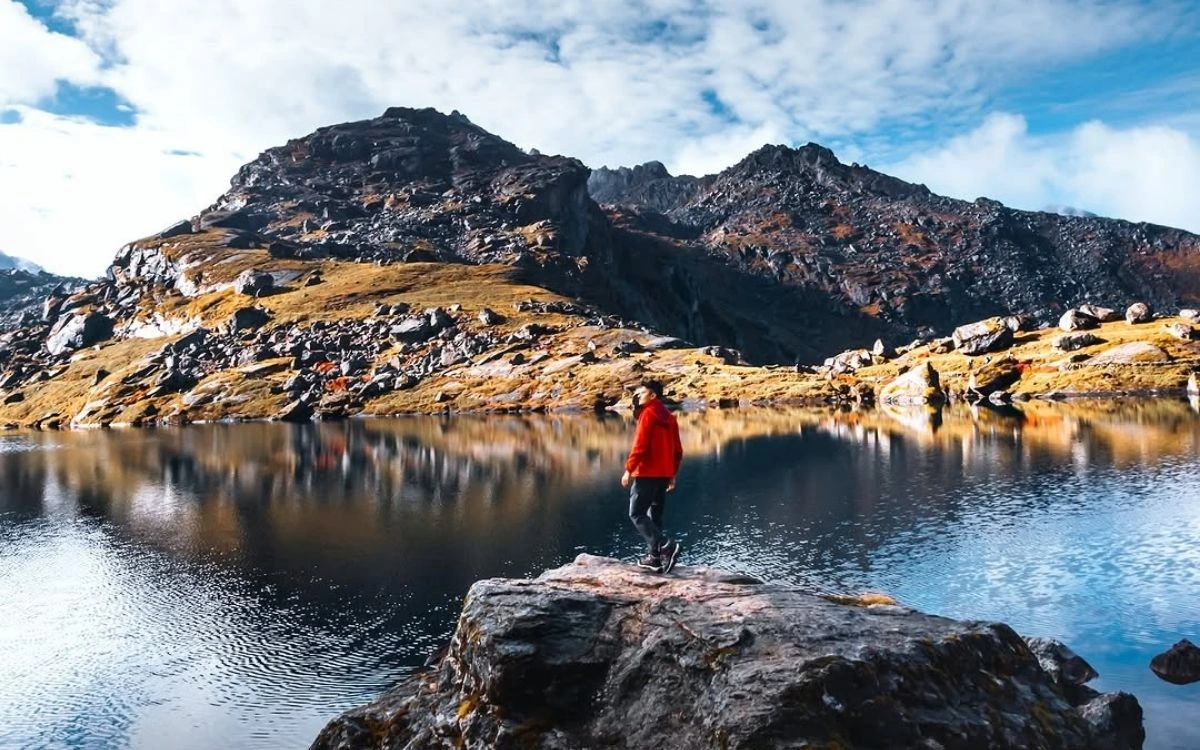
Hiker standing on rock beside mountain lake with reflected peaks
What Are Trekking Permits and Why Do They Matter
In Nepal, trekking permits are the official legal documents that are provided by the government and conservation agencies for authorized access to specific mountain areas. For several important reasons, these trekking permits are required:
To generate income to help support the protection and preservation of the fragile alpine environments;
To provide varying levels of support for the development of local communities in the mountains;
To maintain records on the safety of trekkers to provide timely medical assistance to them in case of a mountain-related emergency.
The positive impact of permit fees on the rebuilding of suspension bridges and the funding of health posts in remote villages has shown us firsthand that the trekking permit system is not a bureaucratic obstacle but rather an important mechanism for developing sustainable tourism in Nepal.
Critical 2026 Update: TIMS Discontinued, Guides Now Mandatory
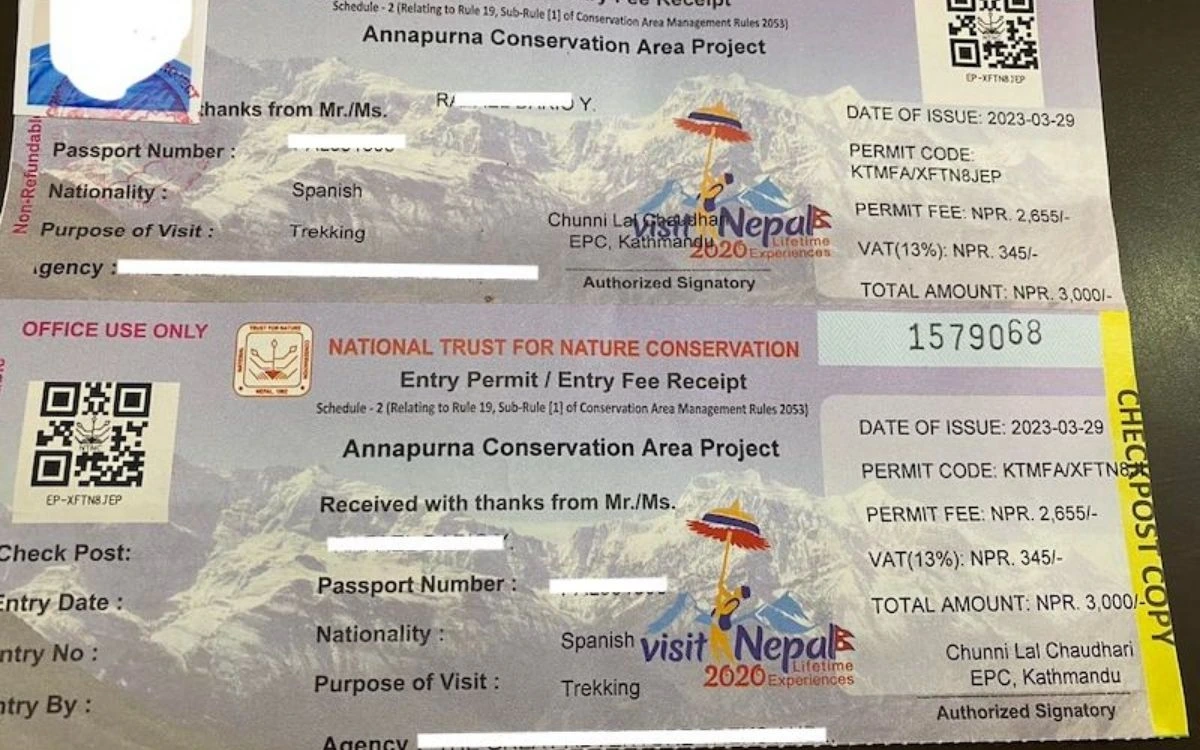
Close-up of Annapurna Conservation Area Project permit showing fee receipt and details
An important change in the regulations regarding trekking in Nepal is that the TIMS card (Trekkers’ Information Management System) is no longer required anywhere in Nepal. Now, however, the government of Nepal will require that all trekking routes, including those that were traditionally independent and relied solely on local porters (such as the Everest Base Camp Trek and Poon Hill), will have to have licensed guides assigned to them. This change was put into place as part of a larger effort to improve safety for trekkers while also providing opportunities for more jobs for the local people.
Solo trekking is now banned throughout Nepal. As registered operators, we are fully adapting our services to meet these new regulations and provide qualified guides for every trek we operate.
The ACAP Permit Nepal is for the largest protected area in Nepal (7,629 sq km). Based on guiding many groups through this region, we have seen that permit revenues are used to improve trail conditions directly, as well as contribute to the ongoing protection of wildlife programs and other wildlife conservation initiatives.
Cost: NPR 3,000 (USD 22) for foreigners | NPR 1,000 for SAARC nationals
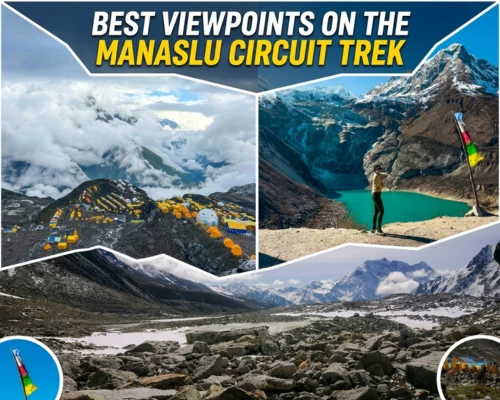
MCAP (Manaslu Conservation Area Permit)
Essential for: Manaslu Circuit Trek
The MCAP permit from Nepal safeguards the area adjacent to Mount Manaslu, the eighth-highest mountain in the world. The area surrounding Mount Manaslu is labelled as a restricted area and as such requires both MCAP and restricted area permits, since it is located so close to the Tibetan border.
Professional insight: These premium fees intentionally limit visitor numbers, preserving authentic Tibetan Buddhist culture and pristine environments we've witnessed remain largely unchanged over decades.
Regional Permit Requirements: Popular Trekking Areas
The third-highest mountain in the world, it has two unique base camp routes, like the Kanchenjunga north base camp trek and the Kanchenjunga south base camp trek. Both base camp routes require a Kanchenjunga Conservation Area Permit (2,000 NPR) and a Restricted Area Permit (USD 20 weekly) to access. The eastern part of Nepal, bordering Sikkim, is largely untouched by tourism, and its environment is home to extensive amounts of biodiversity.
Nar Phu Valley
Located behind the Annapurna massif, the Nar Phu Valley is a hidden valley. To access the valley, visitors must obtain both an Annapurna Conservation Area Permit (3,000 NPR) and a Special Restricted Area Permit (USD 100 during peak season; USD 75 in other seasons). Because of the restricted area permit process, it has retained much of its ancient Tibetan Culture and stunning landscape. The trek offers a unique insight into the traditional way of life in the Himalayas and offers a glimpse of what traditional Nepalese snowscapes look like before heavy tourist exploitation.
Must be processed in Kathmandu through registered agencies
Not available for individual application
Required Documentation
Based on processing thousands of permits, ensure you have:
Valid passport (6+ months validity)
Two passport-size photos
Completed application form
Travel insurance details (for restricted areas)
Processing Timeline
Conservation permits: Same-day to 24 hours
Restricted permits: 2-5 working days
Peak season recommendation: Apply 7-10 days before departure
Our operations team suggests that you take advantage of booking a trek through an established agency rather than trying to obtain your trekking permit online in Nepal. The benefit of using an established trekking agency is that they will assist you with your trekking permit application and the associated paperwork, so you can focus on preparing for your trekking experience.
Updated Trekking Regulations You Must Follow
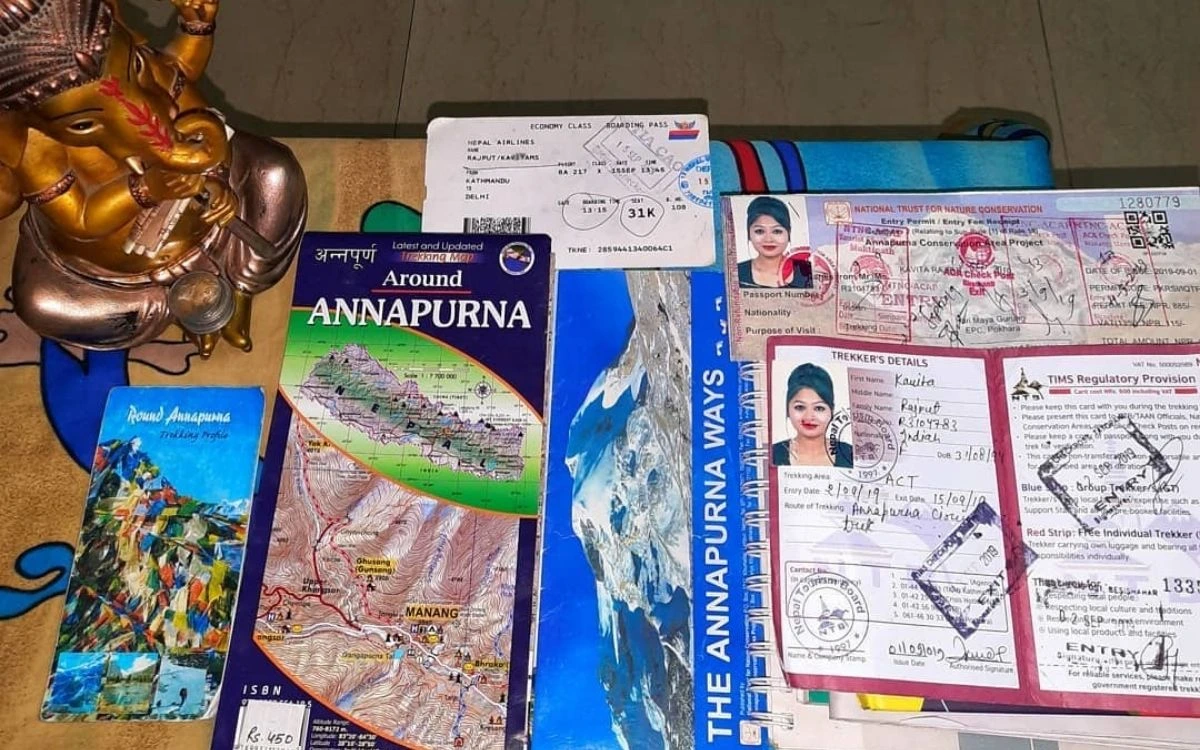
Nepal trekking permits, guidebook, and documents arranged on table with decorative statue
Our guides strictly enforce these Nepal trekking rules and permits to ensure compliance:
Licensed guides are mandatory for all treks (no exceptions)
Carry permits at all times; present at checkpoints
Stay on designated trails
Follow Leave No Trace waste management
Respect local customs and religious sites
Register at police checkpoints in border regions
Violation consequences: We've witnessed penalties ranging from fines to trek termination. Our perfect compliance record stems from thorough client briefings and experienced guide leadership.
Expert Tips: Avoiding Common Permit Mistakes
From 15+ years of operating in Nepal, these errors cause most permit problems:
Applying last-minute during peak season
Assuming TIMS cards are still needed (discontinued 2026)
Attempting to trek without guides (now illegal)
Not carrying permit photocopies as backup
Using unregistered agencies for restricted areas
Forgetting to check seasonal fee variations
Our solution: Comprehensive pre-trek documentation review and backup copies stored digitally and physically.
Why Professional Permit Handling Matters
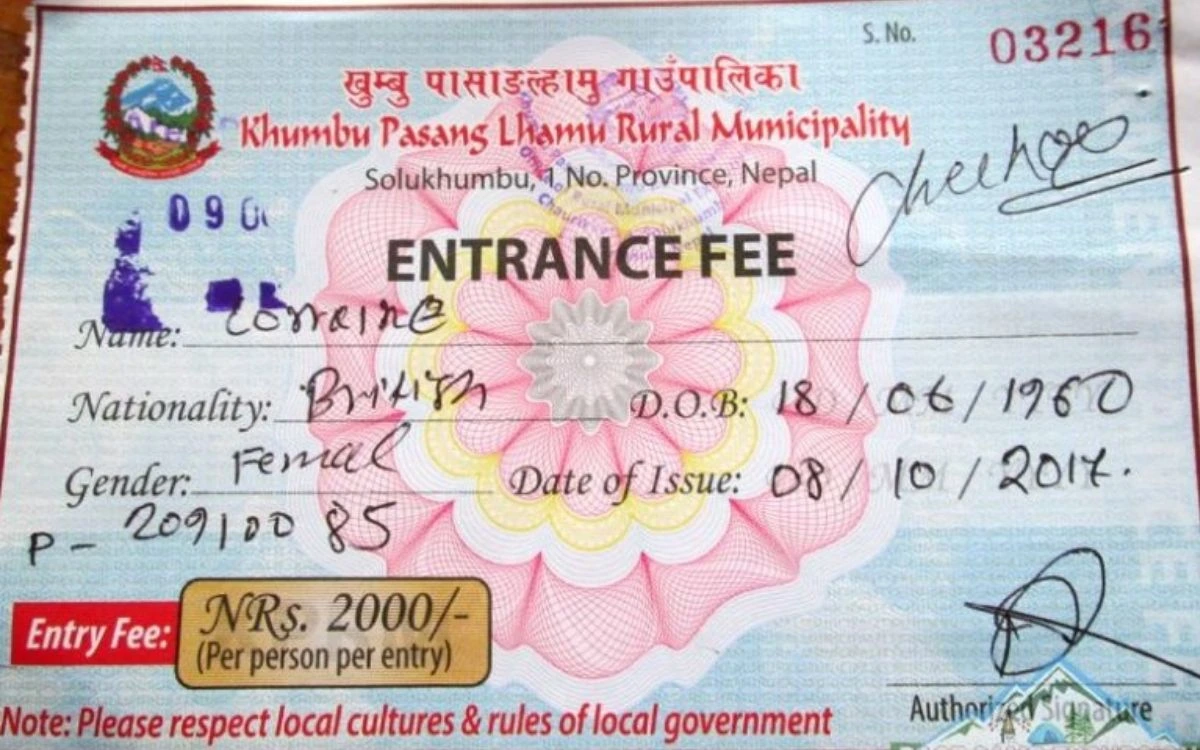
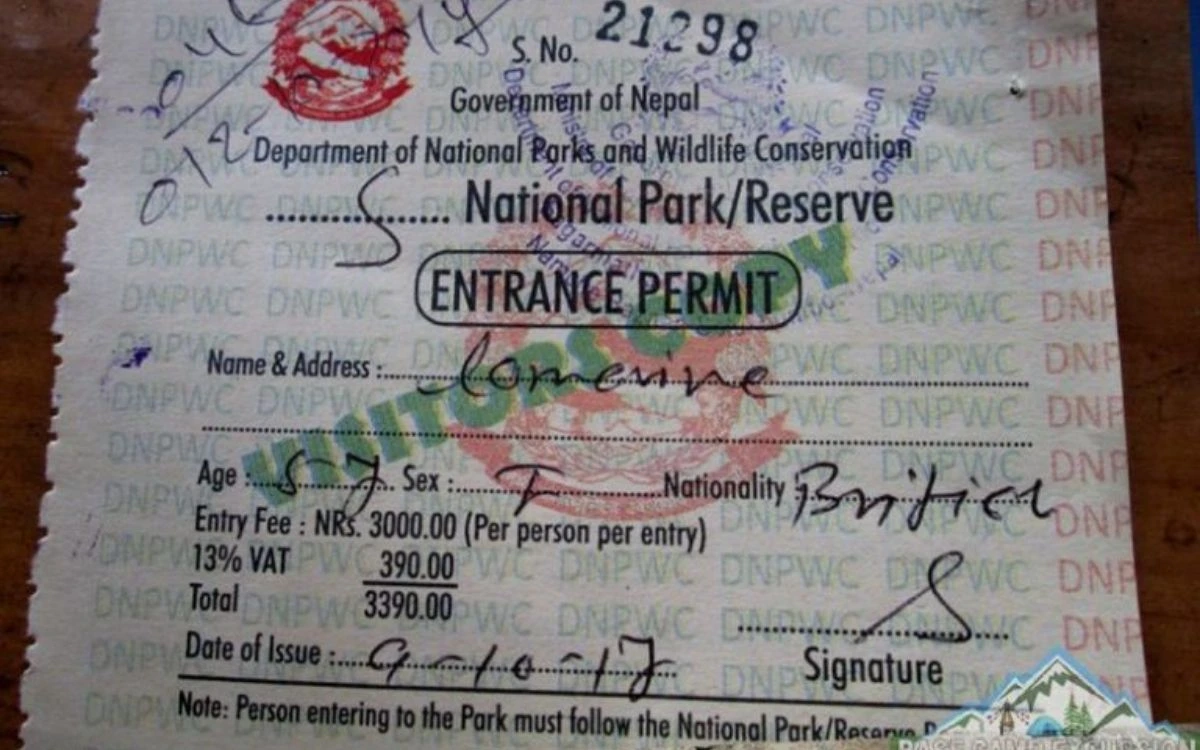
National Park entrance permit from Department of National Parks and Wildlife Conservation
Having processed permits for the international trekking community from over 50 countries, we understand how incorrect or inadequate documentation can impact the whole experience. Our staff works closely with the officials at the Nepal Tourism Board, providing up-to-date information on the requirements and processing of permits and any changes in regulations.
Regulations regarding trekking in Nepal have gone through substantial changes, with 2026 bringing significant regulatory changes. The regulatory updates demonstrate Nepal's efforts to promote sustainable tourism while providing opportunities for economic development and protecting the environment and culture.
FAQs
Can I get permits at Kathmandu airport?
No. To obtain a trekking permit, you must get an office application or make agency arrangements before arriving in Kathmandu or Pokhara.
Are Trekking Permits Refundable?
No. Once issued, you cannot receive a refund for a conservation permit. Therefore, plan well beforehand and look into obtaining travel insurance that covers trip cancellation due to unforeseen circumstances.
Will Children Require Trekking Permits?
As an under-10-year-old, you will receive a conservation permit at no cost when you register; however, all under-10s must be registered for a restricted area permit.
If I lose my trekking permit during my trek, what should be done?
You should contact your guide right away if you lose your permit during your trek. They carry backup photocopies and can work with authorities to replace lost permits. If a permit is lost, very few problems arise resulting from valid documentation being in place.
How Long Will My Trekking Permit Be Valid For?
The validity of the conservation permits will be for the entire trekking season, while the restricted area permits will provide specified dates of use based on the itinerary.
Conclusion
Trekking permits in Nepal are a way of protecting the environment, including the Himalayas, while providing legal compliance. In 2026, TIMS will no longer be required; however, travellers will continue to use a government-approved guide for supporting their trip to Nepal. The growing number of ways to visit the Himalayas has changed how Nepal supports sustainable mountain tourism.
Therefore, if you intend to hike the Manaslu Circuit Trek or the Annapurna Circuit, it is important to know that you need your trekking permits to be supported by a trained professional guide. Reach out to Himalayan Recreation, and we will manage all the necessary trekking permits and ensure compliance with all government regulations. You can enjoy your adventure while we help you prepare for it by contacting us today.


-4.webp)



-6.webp)
-6.webp)