Is the Annapurna Circuit Trek Safe? This is probably the first question most people ask just before they put on their boots and head out on an adventure. The Annapurna Circuit is considered one of the most popular trekking destinations in the world, taking you around the Annapurna Massif with breathtaking scenery, through remote villages in the Himalayas, and over numerous high mountain passes. You must understand your safety during your Annapurna Circuit Trek before setting out on your adventure.
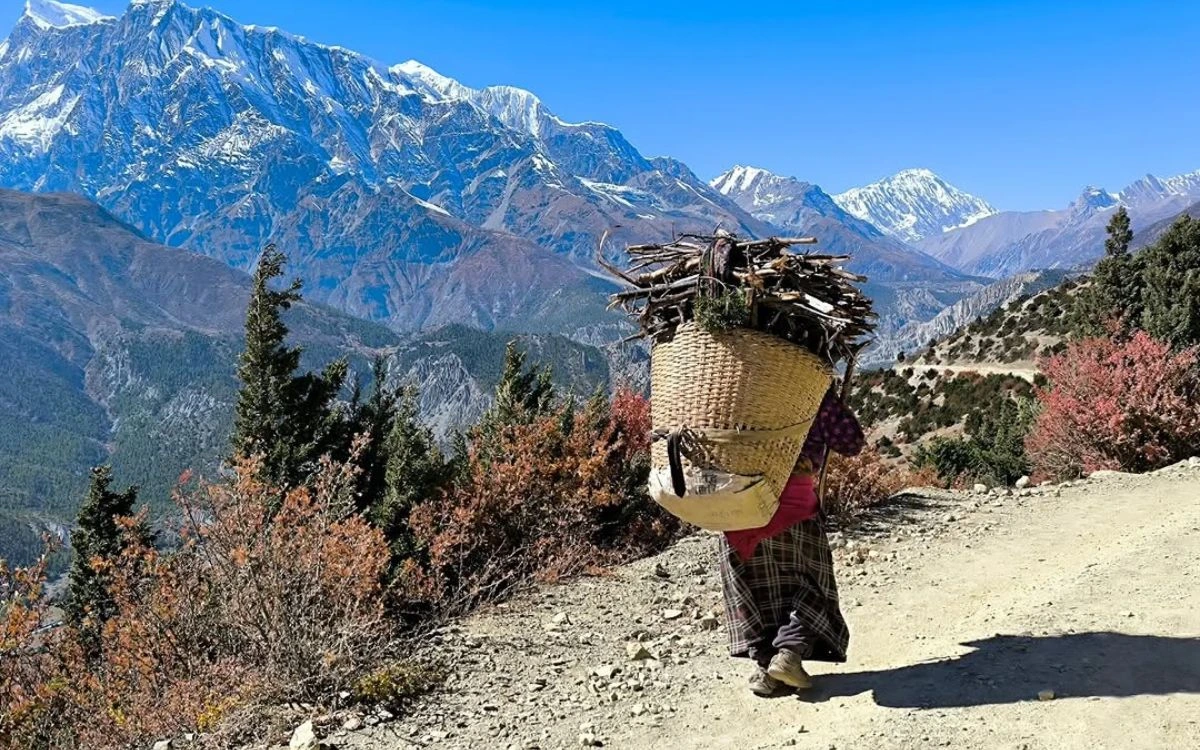
A local woman carrying a heavy doko basket of firewood on a trail with the Annapurna range behind
This guide will explain everything you need to know about the various safety concerns with trekking the Annapurna Circuit, including summit challenges, trail conditions, safety precautions, and more. If you’re considering a trek to Nepal, the Annapura Circuit should be at the top of your list, as long as you are properly prepared to handle the demands and challenges of this region.
Overview of Annapurna Circuit Trek Safety
Why Safety Is a Common Concern for Trekkers
Many trekkers have questions regarding whether or not the Annapurna Circuit is dangerous before starting their trek. Thorong La Pass is at 5416 meters; the trek goes through remote places that have very few medical facilities, and you will spend long, hard days walking on rough terrain. Because of these factors, many trekkers ask about the risk of trekking the Annapurna Circuit. However, many thousands of people do this trek each year and do not have any serious problems. Provided you are prepared for a trek, anyone who is fit enough and informed can do this route.
Current Safety Conditions in 2026
In the year 2026, trekking conditions will be better than they've ever been in the Annapurna region of Nepal (ACAP is an example of this). The ACAP project maintains trails and has established trekking log systems, which allow them to monitor trekker safety. Local governments are also closely watching the welfare of trekkers in the Annapurna area. Many areas have helicopters available to perform emergency rescues, and there has been a noticeable improvement in the communication tools used by teahouses along the route. Therefore, as long as trekkers are following established guidelines, the Annapurna region will continue to be a safe environment in which to trek.
Is Annapurna Circuit Trek Safe for Beginners and First-Time Trekkers?
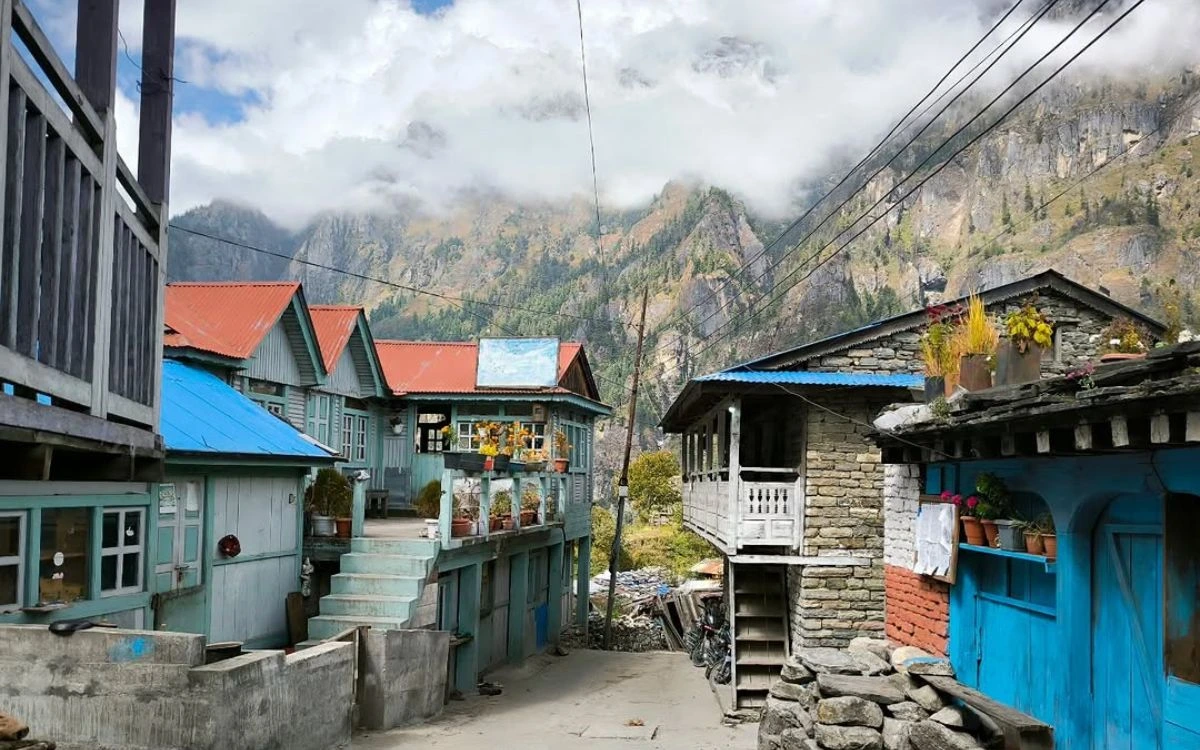
A quiet village street with colorful teahouses and stone buildings on the Annapurna Circuit trek
Safety Compared to Other Treks in Nepal
The Annapurna Circuit is a longer and more difficult trekking experience than the ABC trek in terms of distance and physical exertion. Despite being two of the most frequented and best supported trekking routes, many first-time trekkers partake in the ABC and EBC treks each season as they provide similar challenges at comparable elevations. Other trekking options in Nepal include the Langtang Trek and the Manaslu Circuit (with varying levels of difficulty), which are also extremely popular. Those interested in a rainshadow trekking adventure should consider the Upper Mustang Trek. As with all trekking routes, preparation is essential in addition to having previous experiences to base your trip on.
Key Challenges Beginners Should Know
Annapurna Circuit Trek's difficulty for first-time trekkers lies not only in technical climbing skills, but also in altitude, distance, and weather conditions. It covers approximately 160-230 km (variable depending on chosen route), and takes 12-21 days to complete, depending on the chosen route. Beginners who focus on improving cardiovascular fitness before attempting to trek can safely complete the circuit; they should also be provided with sufficient acclimatization time (at least 2 days at Annapurna Base Camp) in order to adapt successfully to the increased altitude and extreme weather conditions associated with this area. Having an experienced guide accompany beginner trekkers will significantly increase safety while hiking at elevation levels associated with Annapurna.
Major Risks on the Annapurna Circuit Trek
Altitude Sickness and Prevention
The risk of altitude sickness is the number hazard on the Annapurna Circuit trek while hiking above 3000 meters or 10,000 feet can be extremely dangerous for trekkers due to low levels of oxygen which can lead to acute mountain sickness (AMS) and even progress to high altitude pulmonary edema (HAPE) or high altitude cerebral edema (HACE) Cases that suffer from altitude sickness may experience headaches and nausea, as well as dizziness and difficulty breathing. The basic principle is as follows: Take your time, drink enough fluids, and do not ignore your body's signals. Most trekkers carry some form of Diamox (acetazolamide) as a precautionary measure, so it is always best to speak to a physician before doing so.
Weather and Temperature Challenges
The weather on the Annapurna Circuit changes rapidly, especially near Thorong La Pass. Temperatures can drop well below freezing at higher elevations overnight. Sudden snowstorms can close the pass and strand trekkers for days. Checking weather forecasts daily and setting out for the pass before sunrise are critical Annapurna Circuit safety tips that experienced guides always follow.
Trail Conditions and Landslides
Monsoon season brings heavy rainfall that triggers landslides and washes out sections of the trail. The stretch from Jagat to Dharapani is especially susceptible. Trail damage can make the route genuinely hazardous during and immediately after the monsoon. Always check trail conditions with local teahouse owners and your guide before proceeding through exposed sections.
Crossing Thorong La Pass Safely
Thorong La Pass safety is a major topic for every trekker on the circuit. At 5,416 meters, it is the highest point on the route. Trekkers must acclimatize properly at Manang (3,500 m) for at least two nights before attempting the crossing. Start the crossing no later than 4:00 AM to avoid afternoon winds and whiteout conditions. Never attempt the pass if you are showing symptoms of altitude sickness or if the weather looks threatening.
Health Issues and Limited Medical Facilities
Medical facilities beyond Manang are extremely limited. The Himalayan Rescue Association (HRA) operates an aid post at Manang where trekkers can receive altitude consultations. Beyond this point, evacuation by helicopter is the only option for serious emergencies. Carry a comprehensive first aid kit, know the signs of AMS, and always purchase robust travel insurance that covers helicopter evacuation before departing.
Annapurna Circuit Trek Difficulty and Its Impact on Safety
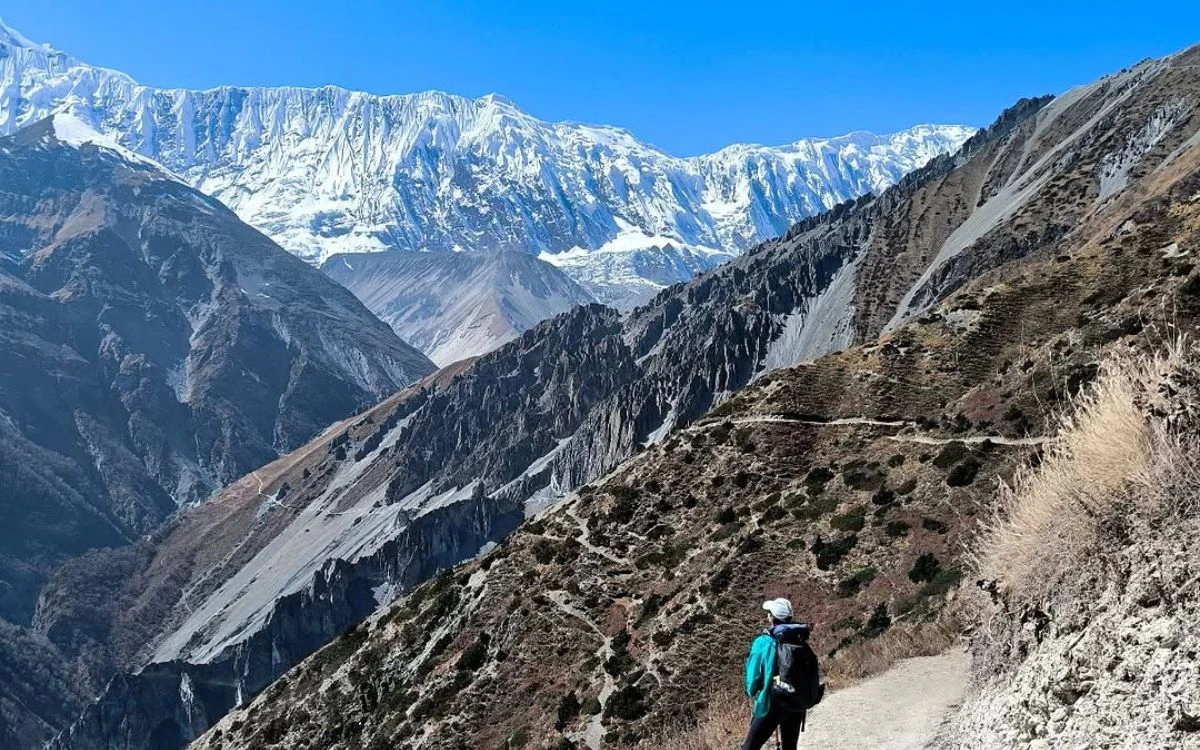
A solo trekker on a narrow high-altitude trail with a dramatic Annapurna valley and snow-covered peaks
Physical Fitness Requirements
The Annapurna Circuit trek's difficulty demands a solid aerobic base. Trekkers should train for at least 8–12 weeks before departure, focusing on cardiovascular endurance, leg strength, and long-distance walking with a loaded pack. Day hikes of 15–20 km are excellent preparation. Being physically fit not only improves your experience but also directly reduces your risk of injury and altitude-related illness.
Trek Duration and Daily Walking Hours
Each day on the circuit involves 5–8 hours of walking, sometimes over steep and uneven terrain. Fatigue increases accident risk, especially on loose rocky sections. Building in rest days — particularly at Manang — gives your body time to acclimatize and recover. Never push past your limits to keep pace with others; listen to your body throughout the journey.
Annapurna Circuit Death Rate – Should You Be Worried?
Real Statistics and Misconceptions
The Annapurna Circuit death rate is often misunderstood. Statistically, the Annapurna region sees a small number of trekking-related fatalities each year relative to the tens of thousands who trek there. According to Nepal's tourism authorities, most deaths are preventable and result from ignoring altitude sickness symptoms or making poor decisions in bad weather. The overall risk of a fatal incident for a prepared trekker is very low.
Common Causes of Accidents
The most common causes of accidents on the Annapurna Circuit include ignoring AMS symptoms and continuing to ascend, attempting Thorong La Pass in poor weather, slipping on icy or wet trails, and dehydration. Trekking alone without a guide also increases vulnerability. Awareness of these risks and disciplined decision-making are your best defenses.
Essential Safety Tips for Annapurna Circuit Trek
Acclimatization Strategies
Follow the "climb high, sleep low" principle whenever possible. Spend at least two nights in Manang before crossing Thorong La Pass. Take acclimatization hikes to Ice Lake or Gangapurna Lake during your rest days in Manang. These short hikes help your body adjust to the altitude while keeping you active.
Hiring a Guide or Porter
Hiring a licensed local guide is one of the smartest Annapurna Circuit safety tips you can follow. A knowledgeable guide knows the trail, weather patterns, and local teahouses. They can recognize AMS symptoms early and make critical evacuation decisions. Porters reduce your load, which decreases fatigue and lowers your accident risk on steep descents.
Packing the Right Gear
Pack layers for cold and warm weather, sturdy waterproof trekking boots, trekking poles for steep descents, a warm sleeping bag rated to at least -10°C, and a quality headlamp for early morning starts. Carry water purification tablets or a filter, sunscreen (UV radiation intensifies at altitude), and a personal first aid kit. Do not cut corners on gear — it directly impacts your safety.
Travel Insurance and Emergency Planning
Always secure comprehensive travel insurance for Annapurna Circuit travel advice compliance. Your policy must explicitly cover high-altitude trekking above 5,000 meters and emergency helicopter evacuation. Register your trek with your country's embassy and share your itinerary with someone at home. Download offline maps and carry a paper backup. Save the Nepal emergency number (100) and helicopter rescue contacts before you leave Kathmandu.
Nepal Trekking Safety Guidelines for 2026
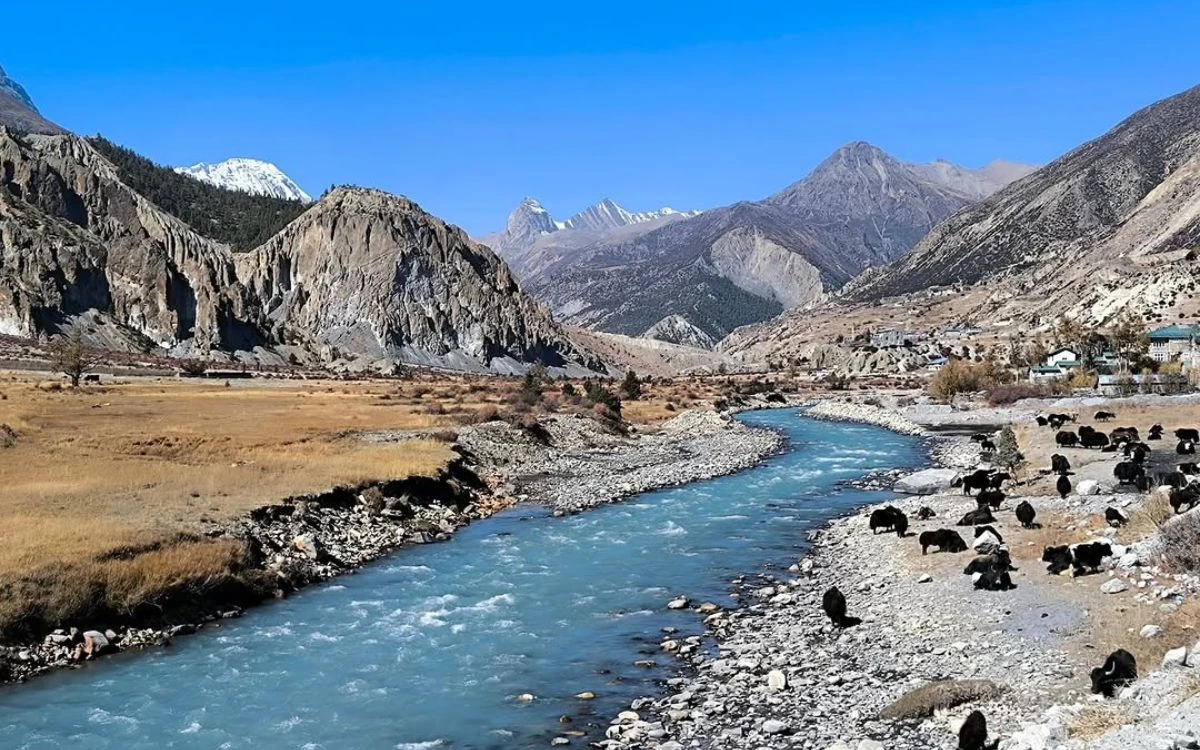
A herd of yaks grazing beside a turquoise glacial river in the arid Manang valley on the Annapurna Circuit
Permits and Regulations
For Nepal trekking safety compliance in 2026, trekkers must carry two permits: the Annapurna Conservation Area Permit (ACAP) and the TIMS (Trekkers' Information Management System) card. These are available in Kathmandu or Pokhara. Checkpoints throughout the route verify permits and track trekker locations, adding a layer of security. Always carry originals, not photocopies.
Communication and Connectivity on the Trail
Mobile connectivity varies along the route. Ncell and Nepal Telecom provide coverage in most major villages, but signals disappear in remote sections. Purchase a local SIM card in Kathmandu. Many teahouses offer Wi-Fi for a small fee. Satellite communicators like Garmin inReach are recommended for solo trekkers and groups venturing into less-traveled sections of the trail.
Best Time to Trek for Maximum Safety
Seasonal Safety Comparison
The safest seasons for the Annapurna Circuit are pre-monsoon spring (March to May) and post-monsoon autumn (September to November). During these windows, the weather is stable, the skies are clear, and Thorong La Pass is reliably accessible. Autumn is considered the peak season, with the most settled weather and the best mountain views. Spring offers beautiful rhododendron blooms and slightly fewer crowds.
Months to Avoid
Avoid the monsoon months of June through August if possible. Heavy rainfall creates hazardous trail conditions, frequent landslides, and poor visibility. Winter (December to February) is also challenging — Thorong La Pass can be buried in snow and extremely cold, making the crossing very risky. Experienced trekkers with proper gear can attempt the circuit in winter, but beginners should stick to the main seasons.
Annapurna Circuit Travel Advice for First-Time Trekkers
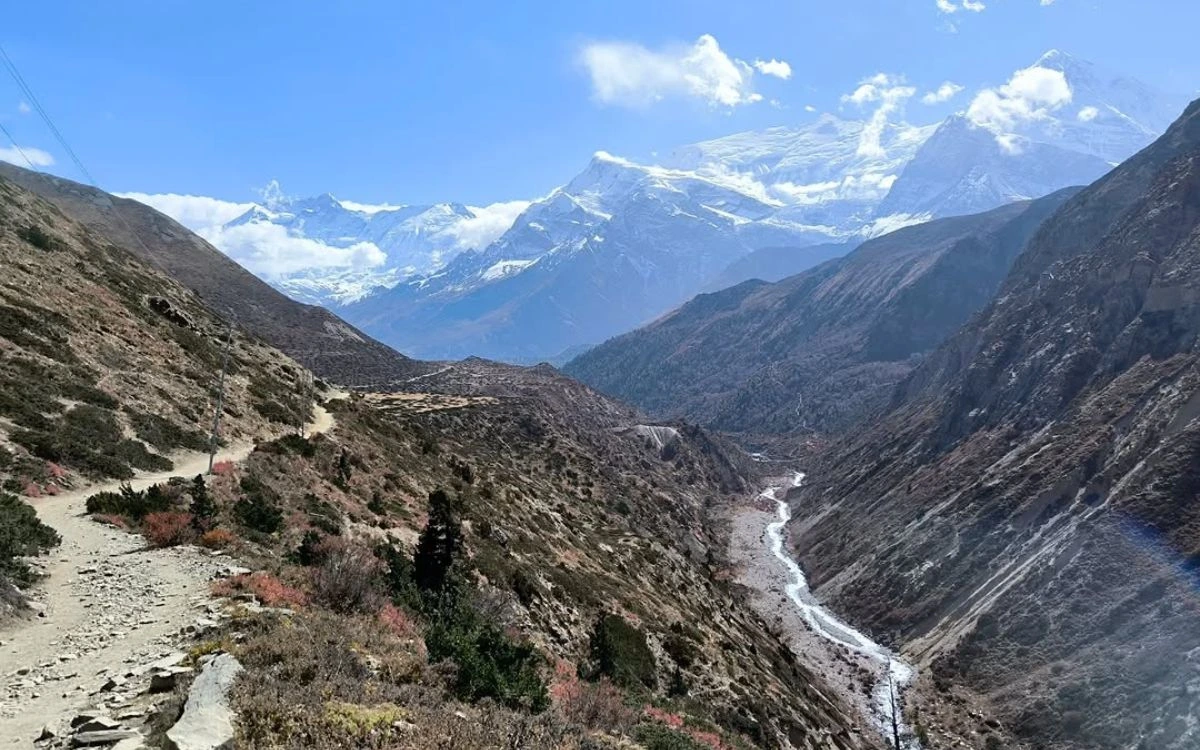
A winding Annapurna Circuit trail overlooking a deep river gorge with snow-capped Annapurna peaks ahead
Planning and Preparation Tips
Start planning at least three to four months. Book teahouses ahead during peak season, arrange your permits, and complete a medical check-up that includes a cardiac evaluation. Discuss altitude medication options with your doctor. Invest in quality gear and test your boots on local hikes before the trip. Read recent trip reports from other trekkers to understand current Annapurna Circuit trek preparation requirements.
Cultural Awareness and Local Support
The Annapurna region is home to Gurung and Thakali communities with rich cultural traditions. Respect local customs, dress modestly in villages and monasteries, and ask permission before photographing people. Supporting local teahouses and hiring local guides and porters directly benefits the communities along the route. This cultural sensitivity also creates goodwill that can be invaluable if you need local assistance in an emergency.
FAQs About Annapurna Circuit Trek Safety
Is the Annapurna Circuit dangerous?
The Annapurna Circuit is not inherently dangerous, but it does carry real risks — particularly altitude sickness and adverse weather near Thorong La Pass. Trekkers who acclimatize properly, hire a guide, and respect weather conditions complete the trek safely every year.
Is the Annapurna Circuit trek safe for beginners?
Yes, the circuit is safe for beginners who are physically fit, well-prepared, and willing to hire an experienced guide. The key is building fitness beforehand and never rushing the acclimatization process.
What is the death rate on the Annapurna Circuit trek?
The Annapurna circuit death rate is very low relative to the number of annual trekkers. Most fatalities involve altitude sickness that was ignored, accidents in poor weather, or solo trekkers in remote sections. Prepared trekkers face minimal risk.
How risky is Thorong La Pass?
Thorong La Pass at 5,416 meters is the most challenging section of the trek. The crossing is safe for well-acclimatized trekkers who start early and monitor the weather. Attempting it while experiencing AMS symptoms or in a storm is extremely dangerous.
What is the biggest danger on the trek?
Altitude sickness is the greatest danger on the Annapurna Circuit. AMS, if ignored, can escalate to life-threatening HAPE or HACE. Recognizing symptoms early and descending immediately when they appear is the most important safety principle on the entire route.
Can you do the Annapurna Circuit without a guide safely?
Experienced trekkers with prior high-altitude experience can complete the circuit without a guide, but it is not recommended for beginners or solo travelers. A licensed guide greatly improves your safety, provides local knowledge, and can make critical decisions in emergencies.
Conclusion
The Annapurna Circuit trek is safe when you approach it with the right preparation, attitude, and respect for the mountain environment. The trek is not for the completely unfit or unprepared, but it does not require elite athletic ability either. Thousands of trekkers from all walks of life complete it safely every year. Understand the Annapurna Circuit trek risks, acclimatize properly, hire a licensed guide, pack appropriate gear, and secure comprehensive travel insurance. With these measures in place, the Annapurna Circuit offers one of the most breathtaking and rewarding adventures on Earth.
Ready to take on the Annapurna Circuit? Plan your dream trek with Himalayan Recreation Treks and Expedition — your trusted partner for safe, unforgettable Himalayan adventures.


.webp)



-1.webp)
-1.webp)
-1.webp)