Traveling to Nepal in 2026 is completely safe. Nepal is one of the most fascinating and safest places in Asia. Many people visit Nepal each year to admire the ancient temples of the country, visit the numerous cultural festivals, and view the stunning mountain scenery. No matter if you are visiting to trek in the Nepali mountains, learn about the people of the Kathmandu Valley, or see the animals of Chitwan National Park, you will have many once-in-a-lifetime opportunities during your trip to Nepal. However, like with all travel destinations, there are unique challenges associated with traveling to Nepal. Preparing for your trip will be easier and more secure if you understand the present travel safety conditions, health risks, available modes of transportation, and customs of the country. To help you prepare for an enjoyable and safe trip to Nepal in 2026, this guide provides all the information you need to know about traveling safely in Nepal.
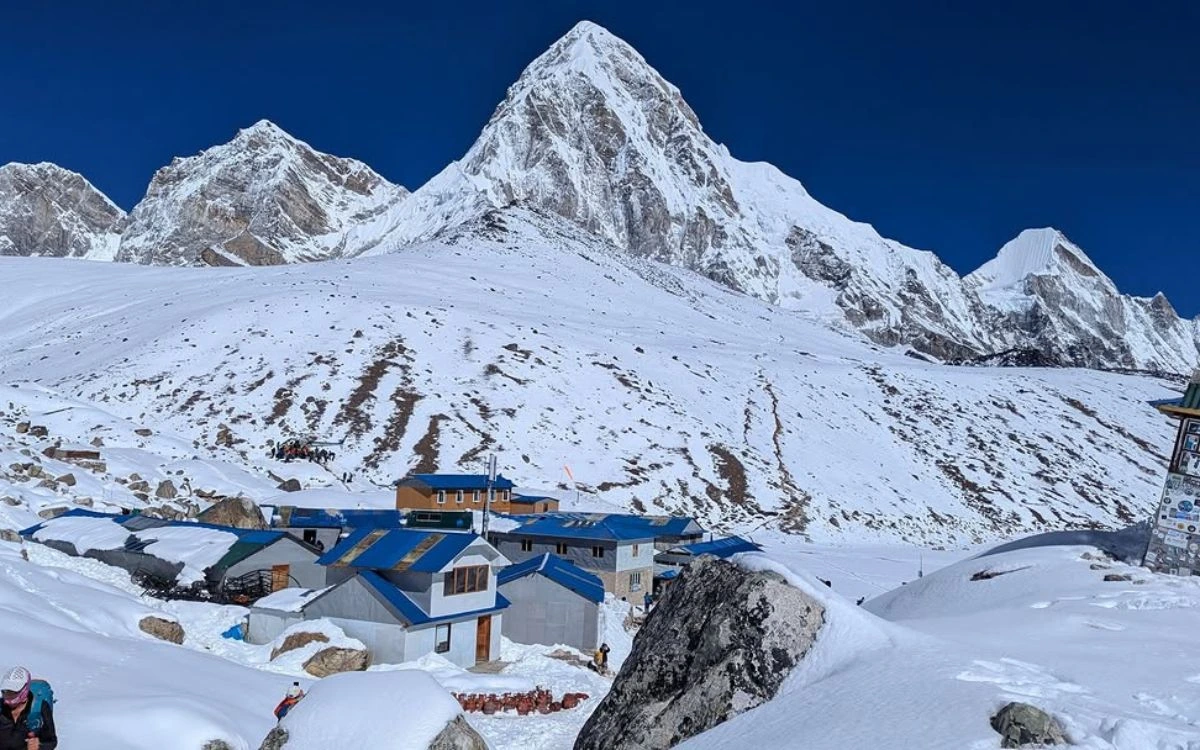
Snow-covered mountain lodges with blue roofs beneath towering Himalayan peaks
In this blog, we cover all things related to safety and security while traveling in Nepal as a tourist visiting in 2026. The topics we include in this blog are: current safety level of the area where you will be traveling; crime levels and ways to help protect yourself from common scams targeting tourists in Kathmandu; safety of Nepal for international tourists; trekking security for all Nepal trekking content, including altitude sickness; trail conditions and regulations, including if you need permits to trek; safety record of professional licensed mountain guides for treks; travel health risks associated with travel in Nepal, including vaccinations, food/water safety, and access to adequate medical care; guidelines for traveling in and around Nepal, with particular emphasis on safety of transportation while in Nepal; risks associated with natural disasters (earthquakes/landslides/monsoons) in Nepal, and safety comments for single and/or female travelers; and lastly, travel insurance tips and a checklist of things to take with you, upon your arrival in Nepal.
Nepal may not be merely a place to visit; it can be a true journey in one’s own life. At the point of the tallest mountain on earth, or wandering through a 2000-year-old temple square, will give every seasoned traveller satisfaction if you come prepared. Is it safe for foreign travellers visiting Nepal? Yes, but only if you know how to go about this. Keep reading to gain insight and make your travel plans accordingly, and prepare yourself for one of the most amazing adventures of all time.
Current Travel Situation in Nepal (2026 Update)
Nepal's tourism industry has bounced back strongly in recent years, and 2026 looks set to be another active year for international visitors. The country remains politically stable, and the Nepal Tourism Board continues to work on improving infrastructure and tourist services. Nepal travel restrictions 2026 are minimal — most nationalities can get a tourist visa on arrival at Tribhuvan International Airport in Kathmandu. The country welcomes travelers from around the world, and the overall security situation is calm. Foreign embassies generally categorize Nepal as a destination requiring normal travel precautions, not elevated risk. If you have been wondering whether it is safe to visit Nepal this year, the current travel situation gives you plenty of reasons to feel confident.
Crime and Tourist Safety in Nepal
Common Scams and Petty Theft
Nepal is not a high-crime country, but tourists can encounter petty theft and common travel scams, especially in busy areas like Thamel in Kathmandu, Lakeside in Pokhara, and crowded bus stations. Pickpocketing can happen in markets and tourist sites, so keep your valuables secure and use a money belt when traveling in crowded spaces. Be cautious of trekking agency scams where operators promise services they cannot deliver. Always book through licensed, reputable agencies and get your agreement in writing. Taxi overcharging is common — agree on a fare before you get in or use app-based ride services where available. Safety in Nepal for travelers improves significantly when you stay alert and do your research before booking anything.
Safe Areas for Tourists
Most tourist areas in Nepal are safe and well-frequented. Thamel, Patan, and Bhaktapur in the Kathmandu Valley see thousands of visitors daily and are generally secure. Pokhara is widely regarded as one of the friendliest and safest cities in Nepal. Popular trekking regions such as the Annapurna Conservation Area, Everest Base Camp route, and Langtang Valley all have established infrastructure and local communities that depend on tourism, making them safe for visitors who follow proper trekking protocols.
Is Kathmandu Safe for Tourists?
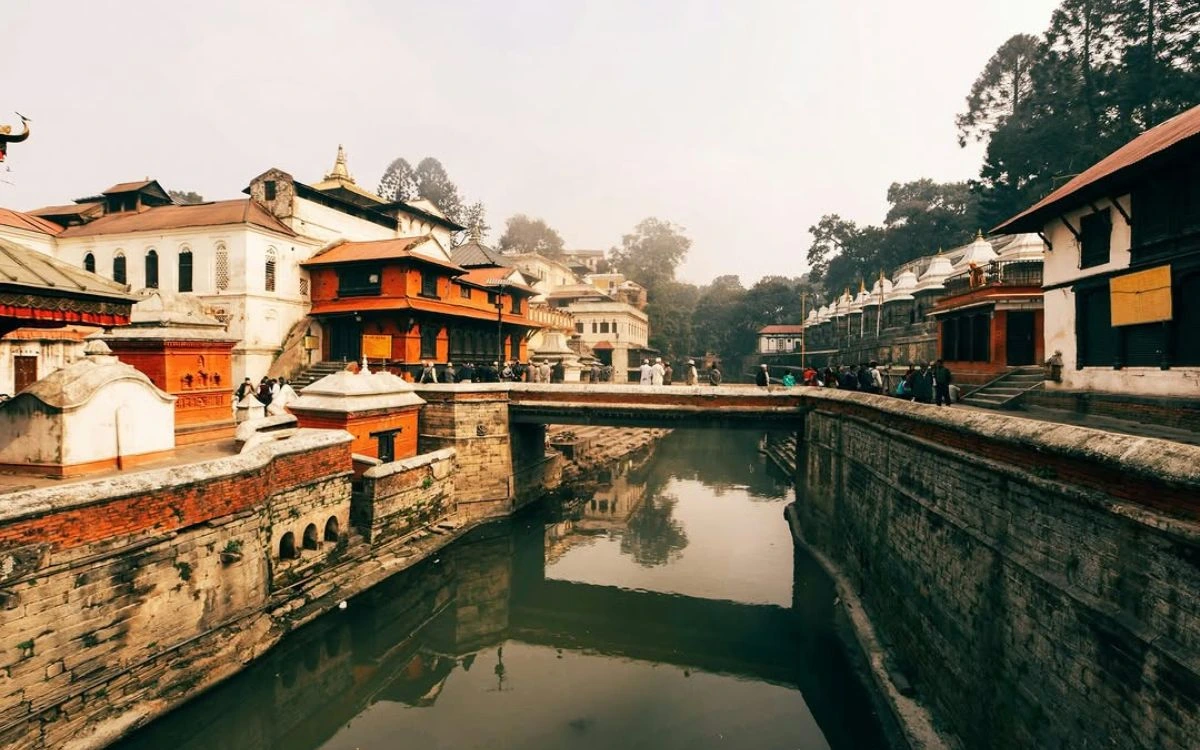
Pashupatinath Temple complex with traditional architecture reflected in sacred river - Bagmati
Safety in Major Cities
Is Kathmandu safe for tourists? Yes, Kathmandu is generally safe for travelers. Violent crime against tourists is rare. The biggest concerns in the city are traffic accidents, air pollution, and petty crime. Kathmandu's streets can be chaotic, so cross roads carefully and stay aware of motorcycles and vehicles. The Thamel district is tourist-friendly and well-lit at night, but it is wise to avoid poorly lit alleys after dark. Bhaktapur and Patan are quieter alternatives to the main city hub and are considered very safe for wandering during the day.
Night Travel Tips
After dark, stick to well-populated and well-lit areas. Take a licensed taxi or a ride-hailing app rather than walking long distances alone at night. Avoid displaying expensive camera equipment or jewelry in public. If you are staying outside the tourist hubs, inform your accommodation about your return time, especially after evening activities.
Trekking Safety in Nepal
Altitude Sickness Risks
One of the biggest health challenges in Nepal trekking safety is altitude sickness, also known as Acute Mountain Sickness (AMS). Routes like the Everest Base Camp Trek (EBC Trek) take you above 5,000 meters, where the air contains significantly less oxygen. Symptoms include headaches, nausea, fatigue, and dizziness. The golden guideline is to advance slowly and adhere to the "climb high, sleep low" philosophy. Consider taking Diamox (acetazolamide) after consulting your doctor, and never push through serious AMS symptoms. Proper acclimatization, rest days are built into well-designed itineraries for high-altitude routes.
Weather and Trail Conditions
Nepal experiences distinct trekking seasons. The best times are pre-monsoon (March to May) and post-monsoon (September to November). During the monsoon season (June to August), trails become slippery, leeches appear on lower routes, and landslides increase the risk on mountain paths. The Annapurna Base Camp Trek (ABC Trek), one of Nepal's most popular routes, crosses varied terrain and is best attempted during the dry season. Winter trekking is possible on lower-altitude trails like the Poon Hill Trek, but high passes may be snowbound and dangerous from December to February.
Importance of Guides and Permits
All trekkers in Nepal are now required to hire a licensed guide for most trekking areas. This rule, introduced to improve safety and support local employment, means you will have experienced guidance on the trail. Guides can help you navigate remote paths, communicate with locals, and respond to emergencies. You will also need trekking permits — a TIMS (Trekkers' Information Management System) card and area-specific permits depending on your route. For the Manaslu Circuit Trek, which passes through a restricted area and crosses the Larkya La Pass at 5,160 meters, a special permit and licensed guide are mandatory. Securing the correct permits is an important part of responsible and safe trekking in Nepal.
Health and Medical Safety for Travelers
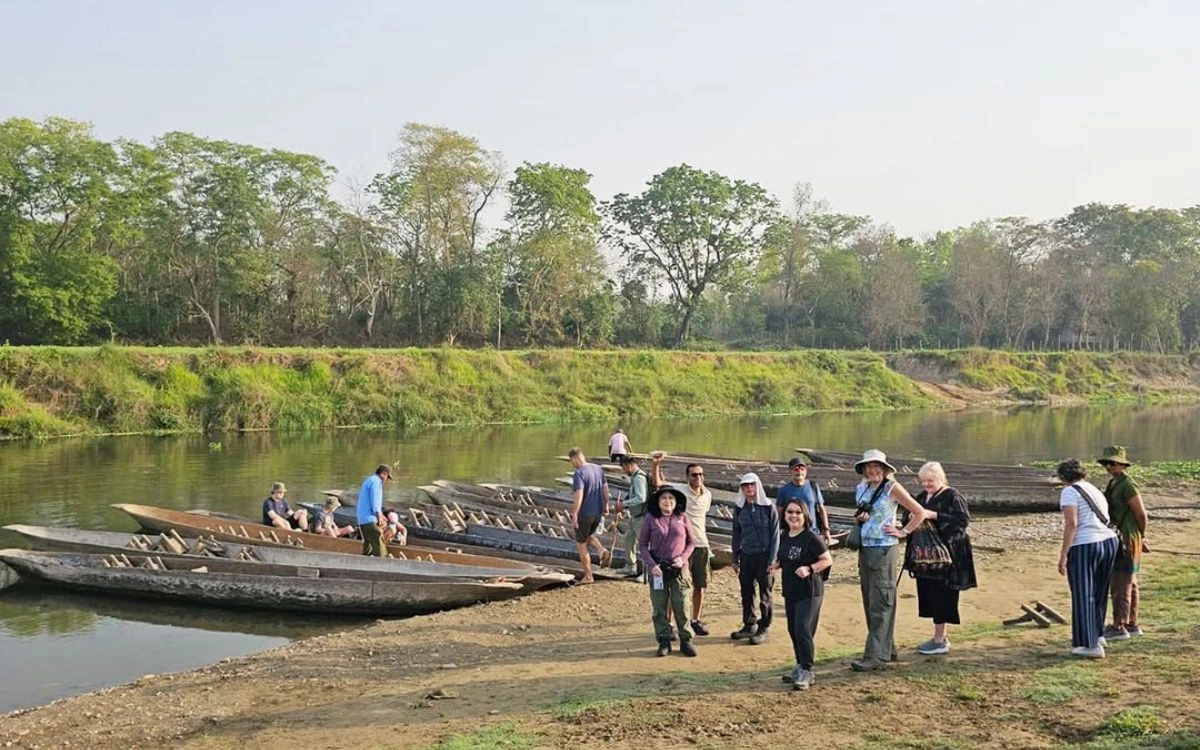
Tourist group with guide standing by traditional wooden canoes on jungle riverbank
Required Vaccinations and Precautions
Health risks in Nepal travel are manageable with proper preparation. Before you travel, consult a travel health clinic about recommended vaccinations, which typically include Hepatitis A and B, Typhoid, Tetanus, Meningitis, and Rabies (especially if you plan on spending time in rural areas or handling animals). Malaria prophylaxis may be recommended if you visit the Terai lowlands, including areas near Chitwan National Park.
Food, Water, and Hygiene Tips
Stomach issues are common among travelers in Nepal. Drink only bottled or boiled water and avoid ice in drinks from street vendors. Stick to hot, freshly cooked meals where possible, and wash your hands frequently. Nepal's food scene is delicious — dal bhat, momos, and thukpa are must-tries — just be selective about where you eat. Well-reviewed restaurants in tourist areas follow much better hygiene standards than roadside stalls.
Access to Hospitals and Clinics
Kathmandu has several good hospitals and clinics that cater to international visitors, including CIWEC Hospital and Norvic International. In trekking regions, basic health posts exist in larger villages, but serious medical emergencies may require evacuation by helicopter. This is precisely why travel insurance for Nepal trips — including emergency evacuation coverage — is not optional; it is essential.
Transport Safety in Nepal
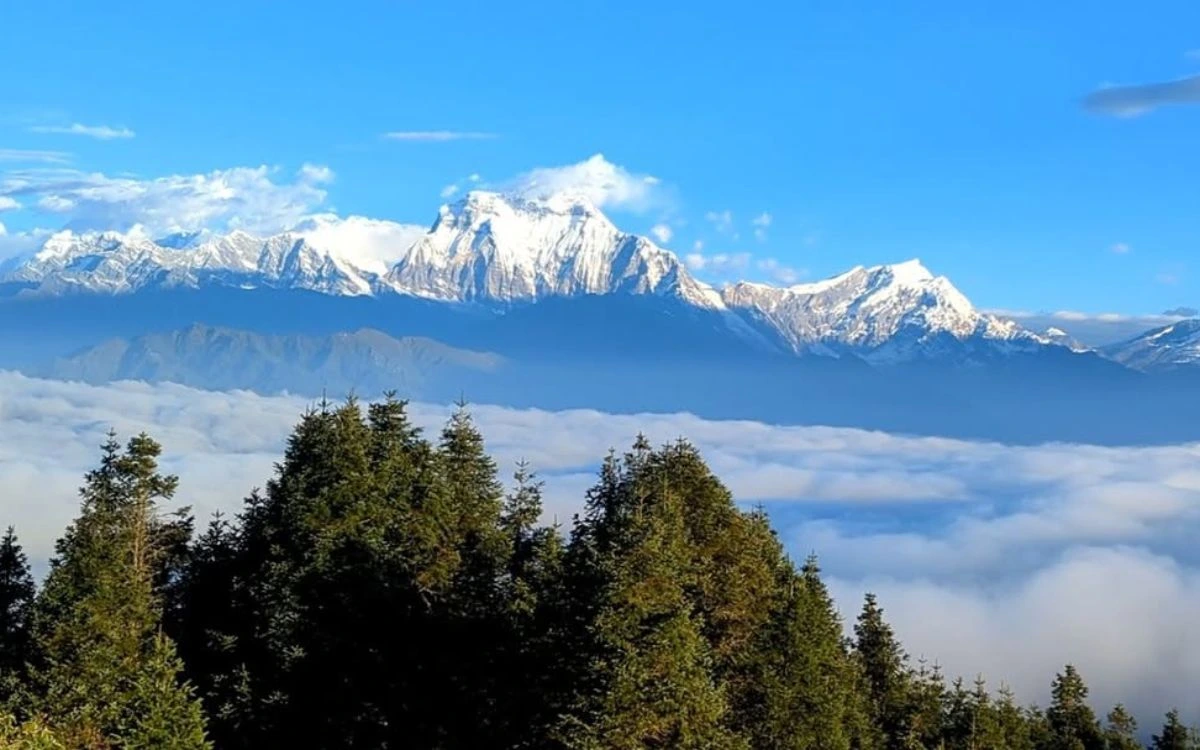
Dhaulagiri mountain range rising above sea of clouds with pine forest foreground
Road Travel Risks
Road travel is one of the most genuine safety concerns for tourists in Nepal. Mountain roads are narrow, winding, and often unpaved. Bus accidents occur more frequently than in many other countries, particularly on routes connecting Kathmandu to Pokhara, Chitwan, and border towns. Night bus travel on mountain roads is best avoided. If you take a local bus, choose a reputable company and try to sit near the front away from the rear doors.
Domestic Flights and Delays
Domestic flights in Nepal are scenic but can be challenging. Airlines like Buddha Air and Yeti Airlines serve routes to mountain airstrips,s including Lukla — the gateway to the Everest region. Lukla Airport is known for difficult weather conditions and short runways. Flights are frequently delayed or canceled due to clouds and wind, so build extra buffer days into your itinerary, especially if you have an international flight to catch. Choose morning flights when conditions are typically calmer.
Safe Ways to Get Around
For inter-city travel, tourist buses are a much safer and more comfortable choice than local public buses. Private jeeps and taxis offer the most flexibility and safety. In Kathmandu, services like InDriver and Pathao are available for convenient, fare-transparent rides. For longer distances, domestic flights save time and avoid the most dangerous road sections.
Natural Disasters and Environmental Risks
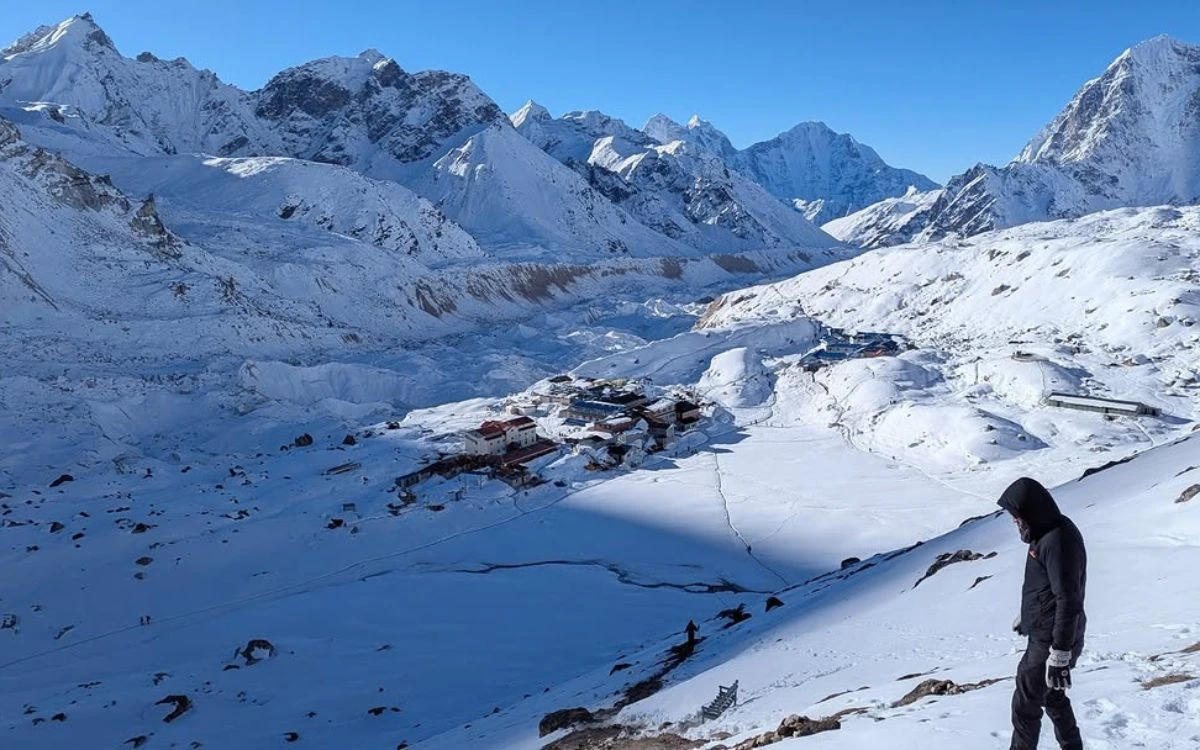
Solo trekker overlooking snow-covered mountain village in winter valley
Earthquakes and Landslides
Nepal sits in an active seismic zone and experienced a devastating earthquake in 2015. While major earthquakes are unpredictable, Nepal has been rebuilding and strengthening its infrastructure since then. Most hotels and guesthouses in tourist areas now meet improved building standards. Landslides pose a seasonal risk, especially during and after monsoon rains. Trails like the Langtang Valley Trek pass through areas that were heavily impacted by the 2015 earthquake, though the trail has been restored and is again a popular and beautiful route. If you trek during or just after the monsoon, check trail conditions with local authorities before setting out.
Monsoon Travel Safety
Traveling during the monsoon (June–August) is possible but requires extra caution. Flash floods can affect low-lying trekking trails and river crossings. If you do visit during this season, stick to lower-altitude cultural tours in the Kathmandu Valley, which remain enjoyable despite rain. The Khumbu region near Everest sees less rainfall than other parts of Nepal and remains accessible, though cloud cover often obscures mountain views.
Is Nepal Safe for Solo and Female Travelers?
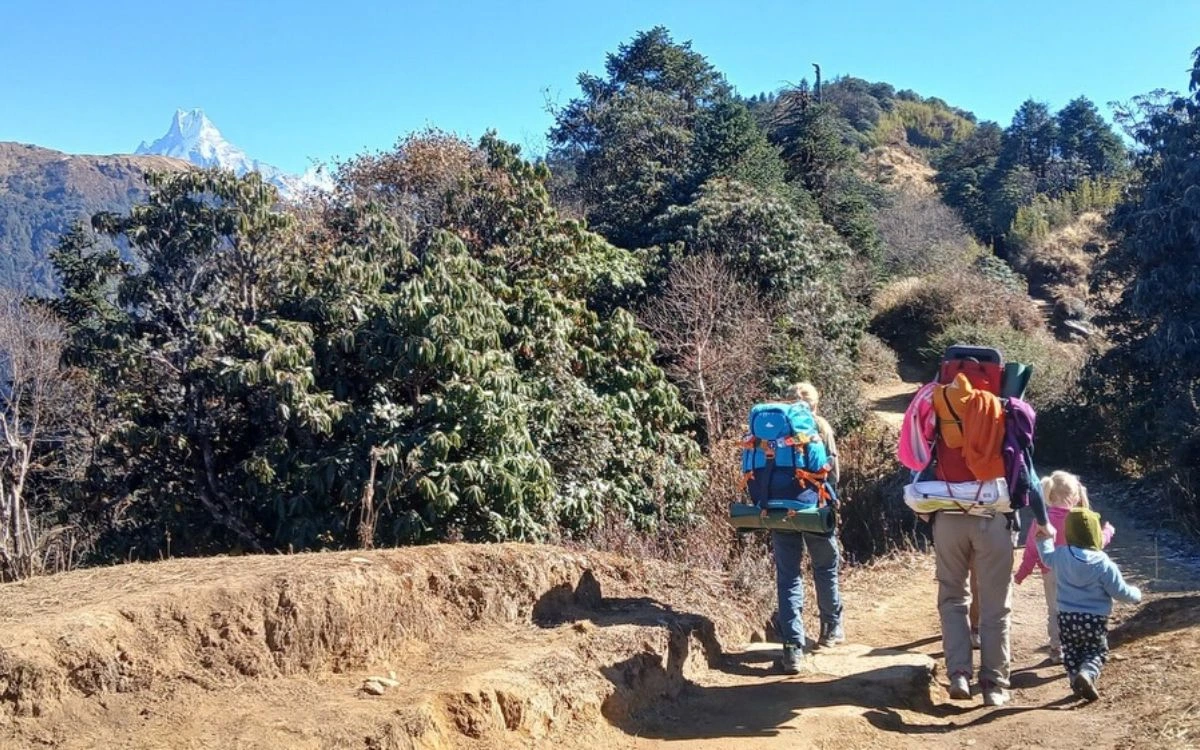
Family with young child trekking on mountain trail with snow peak in distance
Cultural Norms and Etiquette
Is solo travel possible in Nepal? Absolutely. Nepal is one of the more solo-travel-friendly destinations in South Asia. The country has a well-developed backpacker infrastructure, especially along popular trekking corridors. Female travelers generally report feeling safe in Nepal, particularly in tourist areas and on established trekking routes. Nepali culture is broadly respectful toward women, though solo female travelers should exercise the same common-sense cautions they would anywhere — avoid isolated areas alone after dark, be mindful of culturally conservative dress codes (especially when visiting temples and monasteries), and trust your instincts. Wearing modest clothing covering shoulders and knees shows cultural respect and tends to reduce unwanted attention.
Practical Safety Tips for Solo Travelers
Join a guided group for your first trek rather than going fully independent. Share your trekking itinerary with someone trustworthy. Stay in tea houses rather than camping alone in remote areas. Keep emergency contact numbers — including your country's embassy, your guide's phone number, and your insurance company — saved on your phone and written on paper as backup.
Travel Insurance and Emergency Planning
Getting travel insurance for your Nepal trip is one of the single most important steps you can take. Nepal's remote terrain means that a medical emergency during a trek can quickly become extremely costly. A helicopter evacuation from the Everest region can cost tens of thousands of dollars — without insurance. Make sure your policy specifically covers high-altitude trekking (above 4,000 meters or 5,000 meters, depending on your route), emergency medical evacuation, trip cancellations, and lost or stolen belongings. Register your trip with your home country's embassy or consular service in Nepal so they can assist in an emergency. Save the contact details of the Himalayan Rescue Association (HRA), which operates aid posts in the Everest and Annapurna regions.
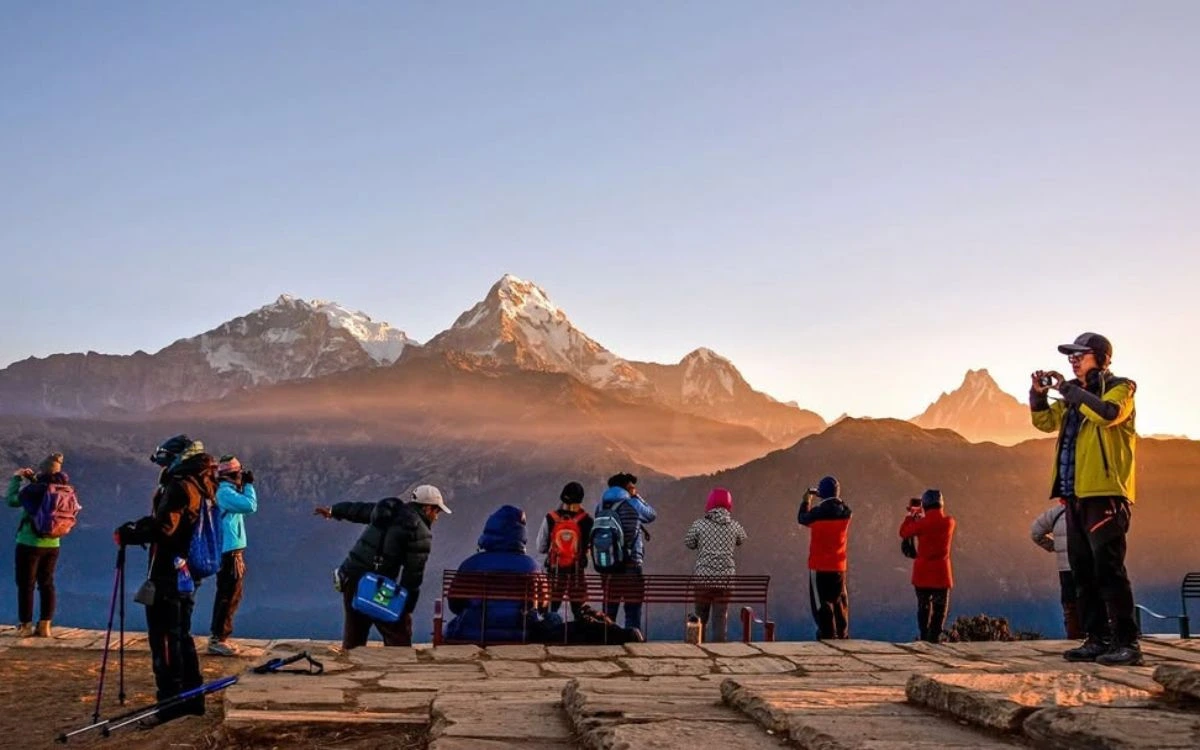
Tourists photographing Annapurna peaks at sunrise from Poon Hill viewpoint
Essential Safety Tips for Traveling in Nepal
Always save a duplicate of your passport, visa, and travel insurance paperwork.
Hire a licensed, certified guide for all trekking activities.
Obtain all required trekking permits before setting out — never trek without them.
Acclimatize properly on high-altitude routes and never ignore symptoms of altitude sickness.
Only drink bottled or purified water during your journey.
Avoid night travel on mountain roads and book reputable tourist bus services.
Book flights and accommodation through trusted, registered operators.
Respect cultural sites — remove shoes before entering temples and dress modestly.
Keep emergency contacts and your insurance hotline saved and accessible at all times.
Check weather forecasts and trail conditions before starting any trek.
FAQs About Travel Safety in Nepal
Is Nepal safe for tourists in 2026?
Yes, Nepal is generally safe for tourists in 2026. Violent crime against visitors is rare, and the country has a well-developed tourism infrastructure. Standard travel precautions apply.
Do I need travel insurance for Nepal?
Absolutely. Travel insurance with emergency medical evacuation cover is essential, especially if you plan to trek at high altitude. Evacuation costs without insurance can be enormous.
Is solo travel possible in Nepal?
Yes, Nepal is one of the most accessible solo travel destinations in Asia. However, solo trekkers should always hire a licensed guide and share their itinerary with a trusted contact.
When is the safest time to visit Nepal?
The safest and most popular times to visit are spring (March–May) and autumn (September–November), when the weather is stable, trails are clear, and mountain views are at their best.
What are the main health risks in Nepal?
The main health risks include altitude sickness on high-altitude treks, stomach illnesses from food or water, and mosquito-borne diseases like malaria in lowland areas. Vaccinations and travel health consultations before departure are strongly recommended.
Conclusion
Nepal is a safe, welcoming, and deeply rewarding destination for travelers in 2026. With the right preparation — a solid travel insurance policy, proper acclimatization, licensed guides, and an awareness of local conditions — your trip to this extraordinary Himalayan country can be everything you dream of. From the vibrant streets of Kathmandu to the breathtaking trails of the Everest Base Camp Trek and the Annapurna Base Camp Trek, Nepal offers adventures that stay with you for a lifetime. Whether you are a solo backpacker, a couple on a cultural journey, or a group of trekking enthusiasts, Nepal's warmth and natural beauty make every risk worth managing carefully and confidently.
Ready to explore the Himalayas safely and unforgettably? Plan your dream adventure today with us — your trusted partner for safe, guided, and expertly organized treks across Nepal.


.webp)



-1.webp)
-1.webp)
-1.webp)