You really shouldn't go trekking in Nepal in July unless you are one of those people who are ok with the rain. But if you do know where to go and what to avoid, it can be one of the most amazing mountain experiences of your life. The monsoon season gives you beautiful green valleys, rivers that roar, wildflowers at their best, and refreshingly uncrowded trails. If you have been thinking about whether it is possible to trek in Nepal in July, then the quick reply is yes - with the right route, the right gear, and the right frame of mind.
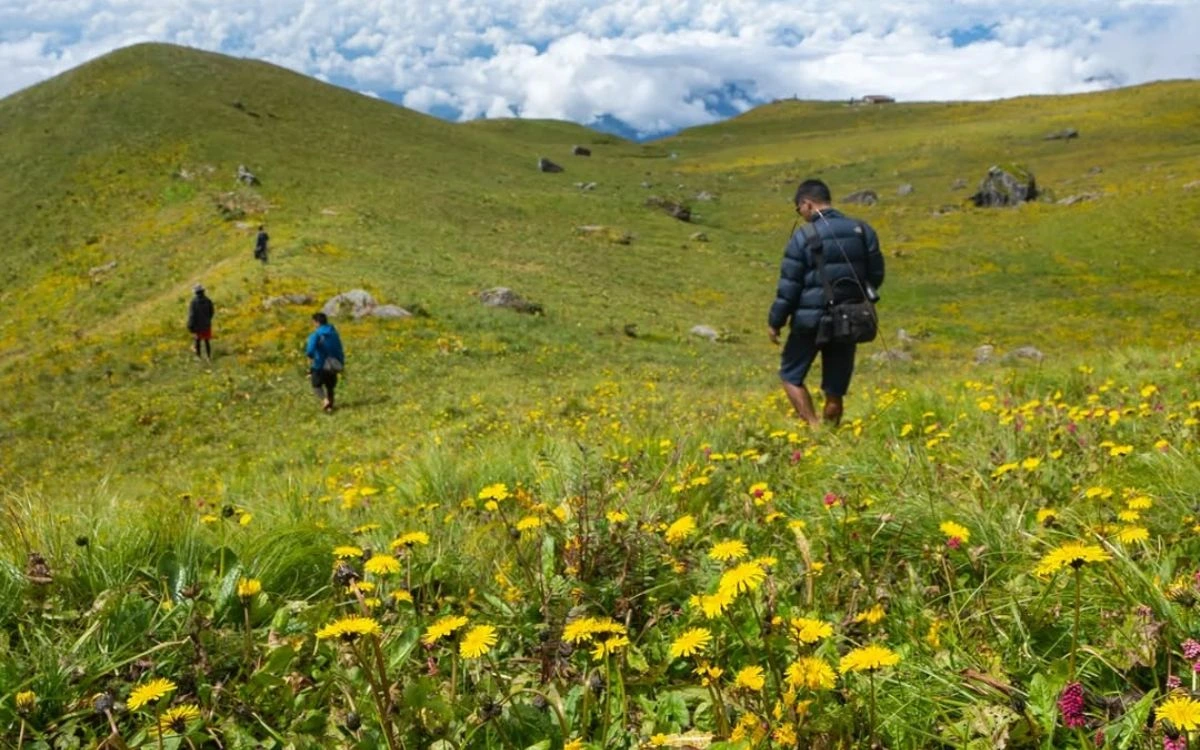
Trekkers hiking across a lush alpine meadow covered in yellow wildflowers in July
This blog gives all the info that you need to organize a safe and smart monsoon trek in Nepal, like the best routes that are not too wet, what kind of weather you can expect, what to pack, how much, and which trekking regions you should stay away from during July.
Can you trek in Nepal in July?
Yes, one can hike in Nepal during the monsoon period. July is in the middle of Nepal's monsoon season, which lasts from June to September. Heavy rains cover most parts of the country, though not all of it. The northern rain-shadow areas - the Himalayas shelter these areas from the rain - get very little rain in July, which makes them the best time to go trekking. The regions that get the most monsoon rain include the outskirts of Everest and Annapurna, Langtang, and the lower-elevation trails in eastern Nepal. In these areas, the environment is very humid, the paths become slippery, and there is also a danger of landslides. Yet, experienced trekkers, if careful in their route selection, can still have a wonderful trekking season in Nepal in July.
Weather in Nepal in July for Trekking
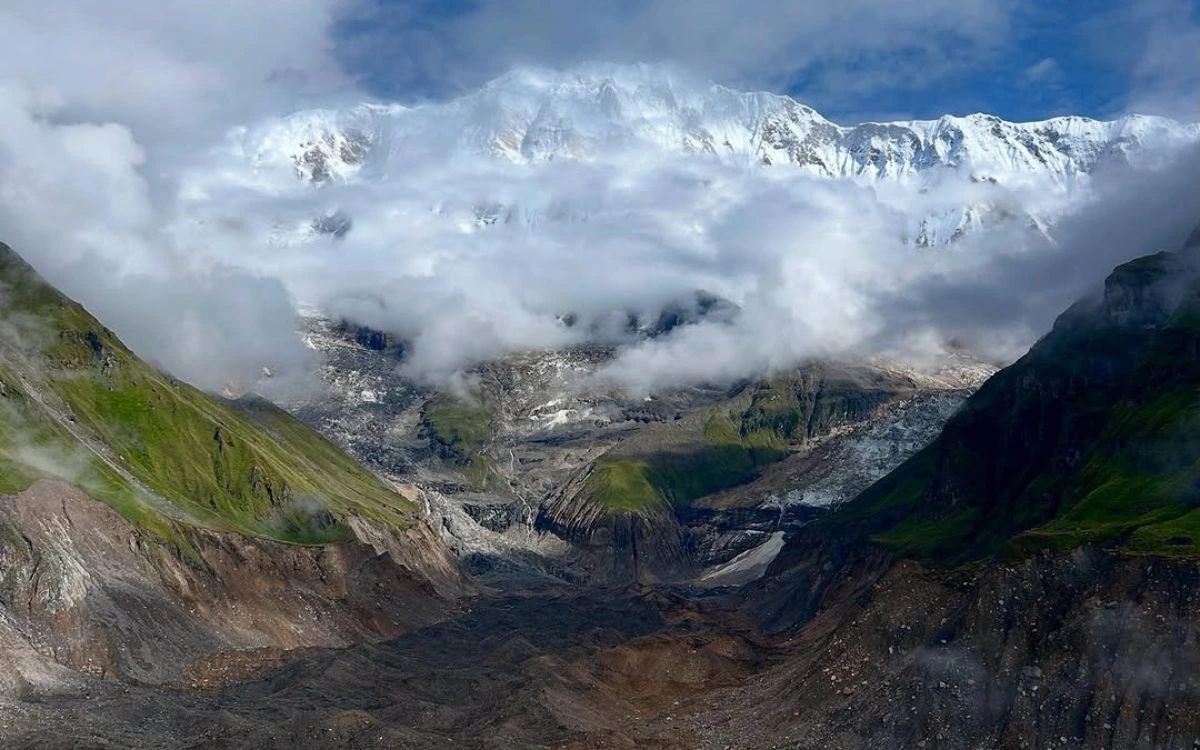
Snow-capped Himalayan peak partially wrapped in monsoon clouds above a glacial valley
The weather in Nepal in July differs greatly depending on the region and altitude. In the lower valleys and famous trekking areas like Lukla and Pokhara, the temperature during the day might range from 20°C to 28°C with quite high humidity, and it often rains. Going up in the mountains, it gets colder — the temperature can go down to about 5°C at night, even on the highest passes. Places like Upper Mustang and the Dolpo region, which are in the rain shadow of the Himalayas, will be dry and sunny during the whole of July with temperatures ranging from 10°C to 25°C, which is almost ideal for trekking. Due to the cloud cover, mountain visibility is quite bad on the southern slopes, but the dry northern landscapes offer clear skies and spectacular views.
Pros and Cons of Nepal Trekking in July
Advantages of monsoon trekking:
Fewer crowds on trails and in tea houses
Lower costs — accommodation and permits are cheaper in the off-season
Vibrant landscapes with lush greenery, waterfalls, and wildflowers
Unique photography opportunities — dramatic skies and blooming rhododendron forests
Rain-shadow regions like Upper Mustang are at their best in July
Challenges trekkers should prepare for:
Slippery trails and leeches below 3,000m
Risk of landslides and road blockages on low-altitude routes
Cloud cover is limiting Himalayan views on most south-facing trails
Flight cancellations at mountain airstrips during heavy storms
Limited trail options for beginner trekkers
Best Rain-Shadow Treks in Nepal for July
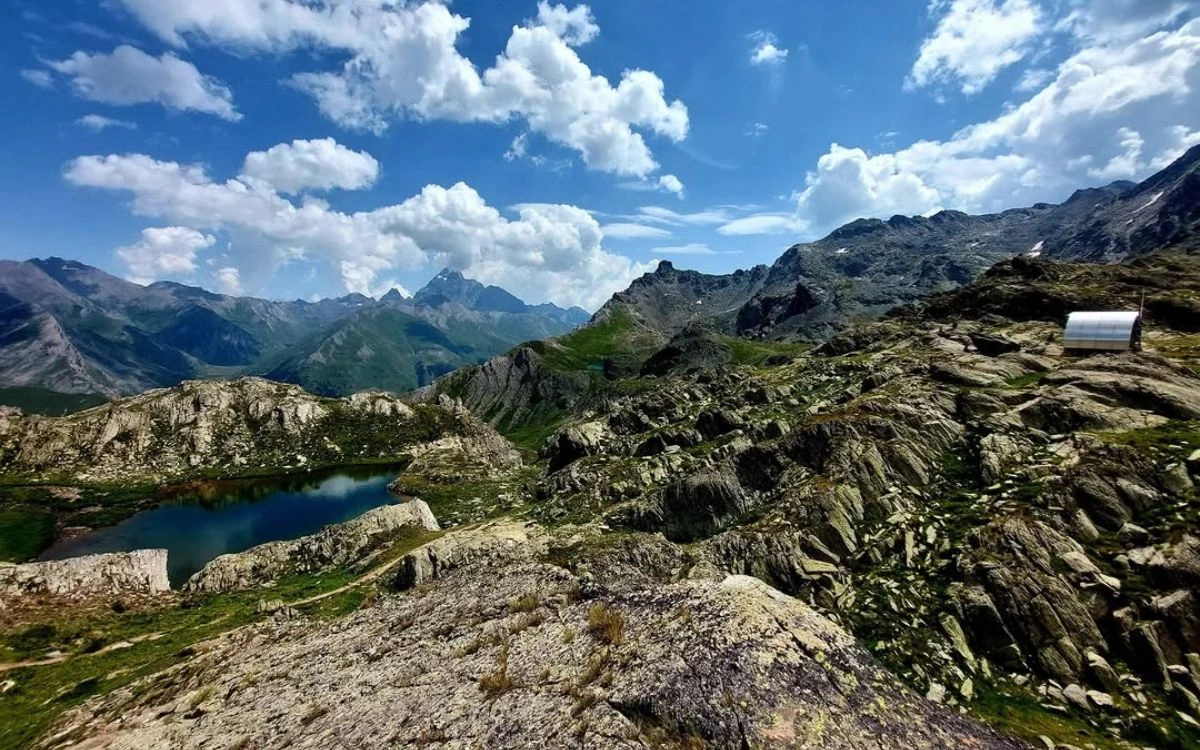
Rocky high-altitude terrain with a small mountain lake and jagged peaks under a summer sky
The best treks in Nepal in July are mostly located in the trans-Himalayan rain-shadow zones. These trails are north of the main Himalayan range, and this way gets very little rainfall, which means they are stable even during the monsoon peak.
The Upper Mustang Trek is the main one for trekking in July in Nepal. This restricted area is like a high-altitude Tibetan plateau from where the monsoon clouds can't reach. Besides the ancient walled city of Lo Manthang, there are ruined monasteries and wind-carved red cliffs, which make this one of the most culturally rich treks in the Himalayas. The best thing is that in July, you hardly come across other trekkers on the trail.
The Manaslu Circuit Trek is also a good choice. The peaks of this trek, mostly from Samagaon to the Larkya La Pass, are located in the rain-shadow zone. The lower parts may be wet, but plenty of well-prepared hikers manage the entire circuit in July.
The Dolpo area — Lower and Upper — offers, in the same way, isolated and rain-protected trekking opportunities. If you wish to experience the untamed Himalayan nature and the Tibetan Buddhist culture, the Upper Dolpo trek in July will give you a very rare and unforgettable trip.
Popular Treks You Can Still Explore in July
Besides the classic rain-shadow destinations, there are a few famous trekking routes in Nepal that one can consider hiking in July, provided they are experienced and well-prepared.
Annapurna Circuit Trek: High sections of the Annapurna Circuit are mostly protected from the heavy monsoon rainfall, mainly the trail around Manang and above. Fit and experienced trekkers will still be able to cross the famous Thorong La Pass in July. But the lower parts of the Marsyangdi Valley can be really wet.
Annapurna Base Camp (ABC) Trek: Coming to the Annapurna sanctuary will be accessible during July. But one should be prepared for leeches and wet paths at the lower levels. Besides, the base camp will still treat you to a stunning close-up view of the Annapurna massif even under monsoon conditions.
Langtang Valley Trek: Only a couple of days by car from Kathmandu, the Langtang Valley becomes a beautiful, lush green in July. Even though the trail could be slippery and the views of Langtang Lirung are most often hidden by clouds, it is still a short and simple option for those trekkers who wish to have a monsoon experience near the capital.
Everest Base Camp Trek: It is possible, from a technical point of view, but most trekkers won't be advised to do it. The Khumbu region experiences quite heavy rainfall in July, and flights to Lukla, which is the usual connection point, get disrupted quite often. If you still want to go to the Everest region, you need to plan well and have the proper rain gear with you. The higher you go, the less rainfall, but making it there in July definitely takes some patience.
If you don't know which trekking route is the one you want, it will be nice if you could read a detailed guide on trekking in Nepal, as that will help you compare the routes, permits, and difficulty levels all at once.
Places to Avoid Trekking in Nepal During July
Some of the trekking routes at low elevations can be very dangerous in July. The Ghorepani Poon Hill circuit, which is a popular route among tourists because of the sunrise views over Dhaulagiri and Annapurna, will be extremely slippery and could have many leeches due to the monsoon. Even the well-known Everest foothills trails at Solu Khumbu suffer heavily from the rains.
Sections such as Besi Sahar–Dharapani on the Annapurna Circuit, parts of the Rolwaling Valley, and the Tamur River basin in eastern Nepal, which are vulnerable to landslides, should only be attempted if you have the latest local information and a guide who is familiar with the area.
Packing List for Nepal Trekking in July
Packing right makes all the difference during monsoon trekking. Here is what you need:
Waterproof jacket and rain poncho
Waterproof trekking boots with ankle support
Quick-dry trekking pants and moisture-wicking base layers
Pack cover and dry bags for gadgets and papers
Leech socks or salt for low-altitude trails
Trekking poles for muddy, slippery terrain
Sunscreen and sunglasses (rain-shadow areas have intense UV)
Basic first-aid kit including rehydration salts and blister care
Cost of Nepal Trekking in July
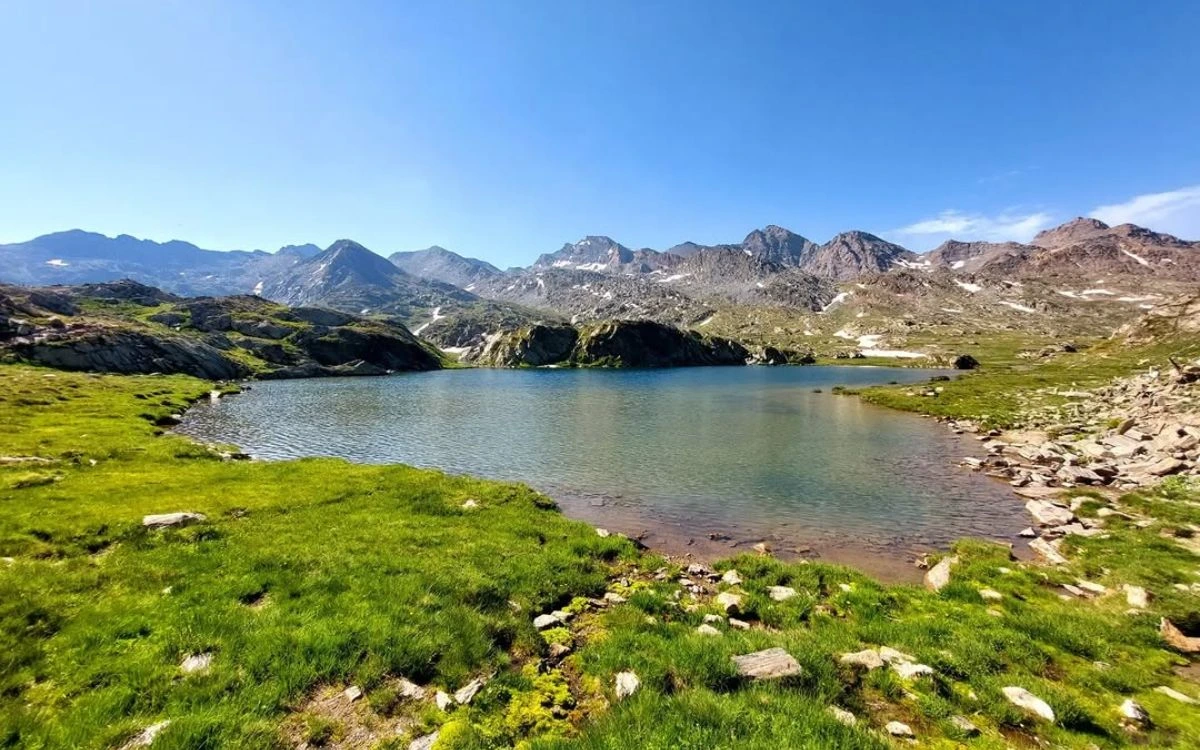
Calm alpine lake surrounded by green grass and rocky mountain ridges on a clear July day
One major benefit of Nepal monsoon trekking is the location. Since July is the main off-season for most trekking agencies, it means you can bargain for better prices on guided trekking packages, save on tea house accommodation, and at times even get permit fees at a reduced rate based on the route.
For a budget trekker doing an independent Langtang or lower Annapurna route in July, $30–$50 per day should be sufficient. A guided Upper Mustang or Dolpo trip will be more expensive due to the restricted area permit. Yet, the overall package price is still lower than the same trip in October. Domestic flights are also a lot cheaper in July, and hotels in Kathmandu usually offer monsoon discounts.
Always hire a licensed guide for July treks — local knowledge of trail conditions is invaluable during the monsoon.
Obtain all required permits before you start: TIMS card, national park entry permits, and restricted area permits for Upper Mustang or Dolpo.
Get comprehensive travel insurance that covers trip cancellations and helicopter evacuation.
Start your daily hike early — afternoons typically bring the heaviest rain and lowest visibility.
Stay flexible with your itinerary — weather can delay flights and force rest days.
Carry enough cash since ATMs are not available on most high-altitude trails.
July Trekking Safety Tips in Nepal
Safety is the top priority when trekking in Nepal during the monsoon. Keep these points in mind throughout your trek:
Avoid crossing swollen rivers or streams — always wait for water levels to drop.
Stay away from cliff sections and active landslide zones, especially after heavy overnight rain.
Monitor weather updates through your guide or local tea house owners.
If flights from mountain airstrips are canceled, plan for road or helicopter alternatives and extra buffer days.
Carry a basic emergency communication device or ensure your guide has a working local SIM.
Nepal Trekking in July vs Other Months
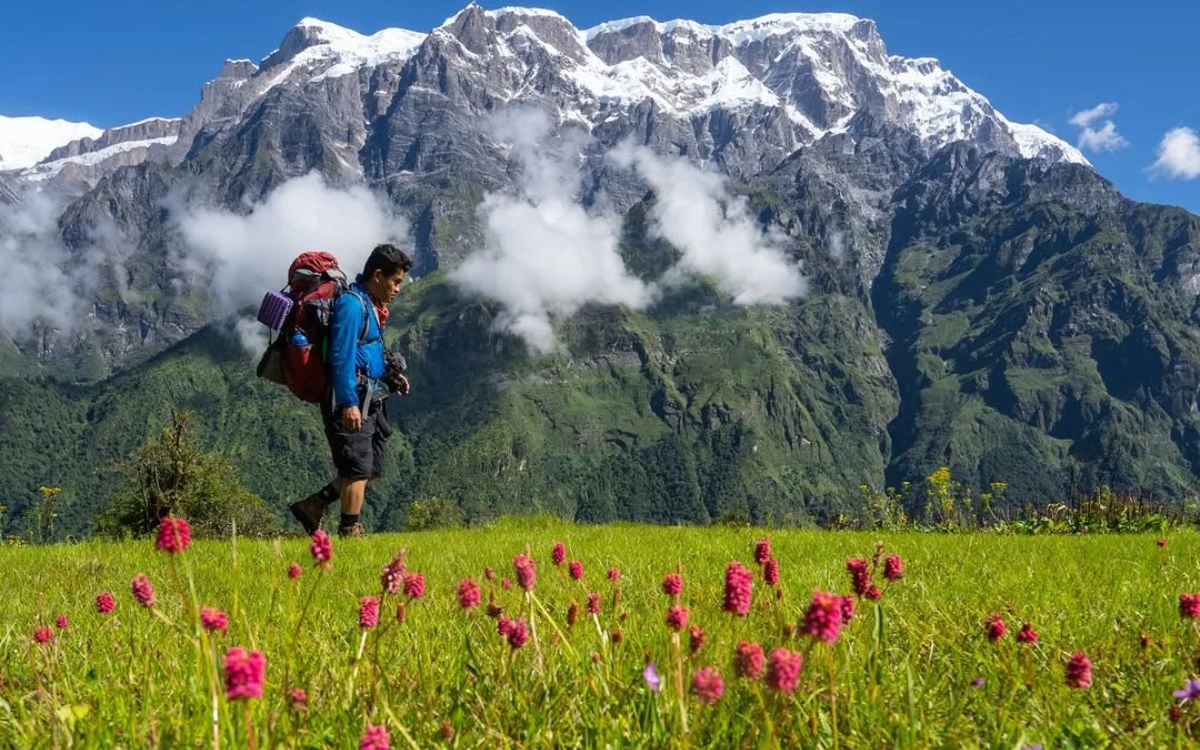
Trekker with a backpack walking through a green meadow with pink wildflowers and a massive snow-capped peak behind
October is generally recognized as the ideal month for trekking in Nepal, as one can enjoy clear skies, stable temperatures, and stunningly visible mountains. So with mountain views, October is the clear winner. Yet, July has its own advantages, such as less crowded places, lush greenery, and much lower expenses.
Being the end of the monsoon season, September is a reasonable transition month combining evolving mountain scenery and affordable trekking. July is the perfect season of monsoon rains, and wild wet, and probably more challenging. Then again,
That means, if you are a photographer on a tight budget or just a lover of trails where you have the environment all to yourself, July in Nepal will surely not disappoint you.
Who Should Trek in Nepal in July?
July trekking in Nepal suits a specific kind of traveler. If you fall into any of these categories, this could be your perfect season:
Experienced trekkers who have already done the classic trails and want something more remote and challenging
Budget travelers who want to maximize their experience for less money
Photographers drawn to dramatic monsoon landscapes, mist-covered ridges, and vibrant flora
Cultural explorers interested in the trans-Himalayan Tibetan heritage of Upper Mustang and Dolpo
• Those with limited vacation windows who don't want to wait for the October peak season
Beginner trekkers can still enjoy July in Nepal, provided they stick to easy, low-risk routes with a guide and do not attempt challenging high passes during the peak monsoon.
FAQs
Is July a good time for trekking in Nepal?
It can be, but you just need to pick the right trekking route. Areas that do not get much rainfall, like Upper Mustang and Dolpo, can be good July destinations. Still, most parts of the country get wet at this time, so you'd better get ready.
What is the best trek in Nepal in July?
Upper Mustang Trek is the best suggestion for July. It is situated in a rain-shadow zone, and besides, it features Tibetan scenes rare in other parts of Nepal. Besides, there are very few tourists here in July.
Does it rain every day in Nepal in July?
In the lowlands and hill region, rain comes pretty often—sometimes even daily, though in the afternoon only. As for the northern trans-Himalayan areas, it is in fact so dry that even July sees hardly any rain.
Is Everest Base Camp possible in July?
Yes, you could do it, but it isn't really a great time to go. Since July is monsoon season, you'll have to deal with wet trails, potential flight cancellations out of Lukla, and not much chance of seeing the mountains through the clouds.
Are tea houses open in July?
Most tea houses are open all year round, so July is no exception. If you are in a rain-shadow area or on a popular route, accommodation is readily available and it is usually much less crowded than in the peak season.
Conclusion
July trekking in Nepal can be a real treat for those who direct their aim, are knowledgeable, and choose the proper path. Monsoon should not be a problem - Actually, it is. It is a barrier. It not only deters the average tourist but also gives the prepared It not only deters the average tourist but also brings the prepared traveler with the It leads the prepared traveler to deserted, beautiful trails. It opens the prepared traveler to deserted trails, beautiful landscapes, and deeply authentic It is these Himalayas that are among the most stunning of the It reveals the prepared traveler to deserted trails, beautiful It is in these mountains that the deepest of the world's most beautiful mountains. Your itinerary could include the ancient walled towns of Upper Mustang, the isolated glaciers of Dolpo, the cultural byways of the Manaslu Circuit, or the serene. In July, you find something very special in all these places
The well-informed trekkers schedule their trip in advance. They pack their rain gear, stay in touch with their guides, and keep their schedules flexible. They plan, travel with experienced guides, pack for the rain, and keep their schedules flexible. That method changes a difficult month of monsoon into a very memorable trek.
Get in touch with Himalayan Recreation Treks and Expedition to schedule your tailored trekking package for July and allow our qualified team to take care of your monsoon trip from beginning to end.


-6.webp)



-1.webp)
-1.webp)
-1.webp)