Adventure travelers looking to trek in Nepal's Himalayas frequently search for "Can I Trek Nepal Without A Guide" on Google. The answer is "Yes, You Can Trek Independently in Nepal" — but the rules for solo trekkers have changed a lot over the years. Since April 2023, the Nepal Tourism Board (NTB) and the Trekking Agencies' Association of Nepal (TAAN) have implemented new regulations requiring many foreign trekkers to use a licensed guide when trekking through national parks and conservation areas. If you want to trek independently in Nepal and are interested in learning how, this blog is for you.
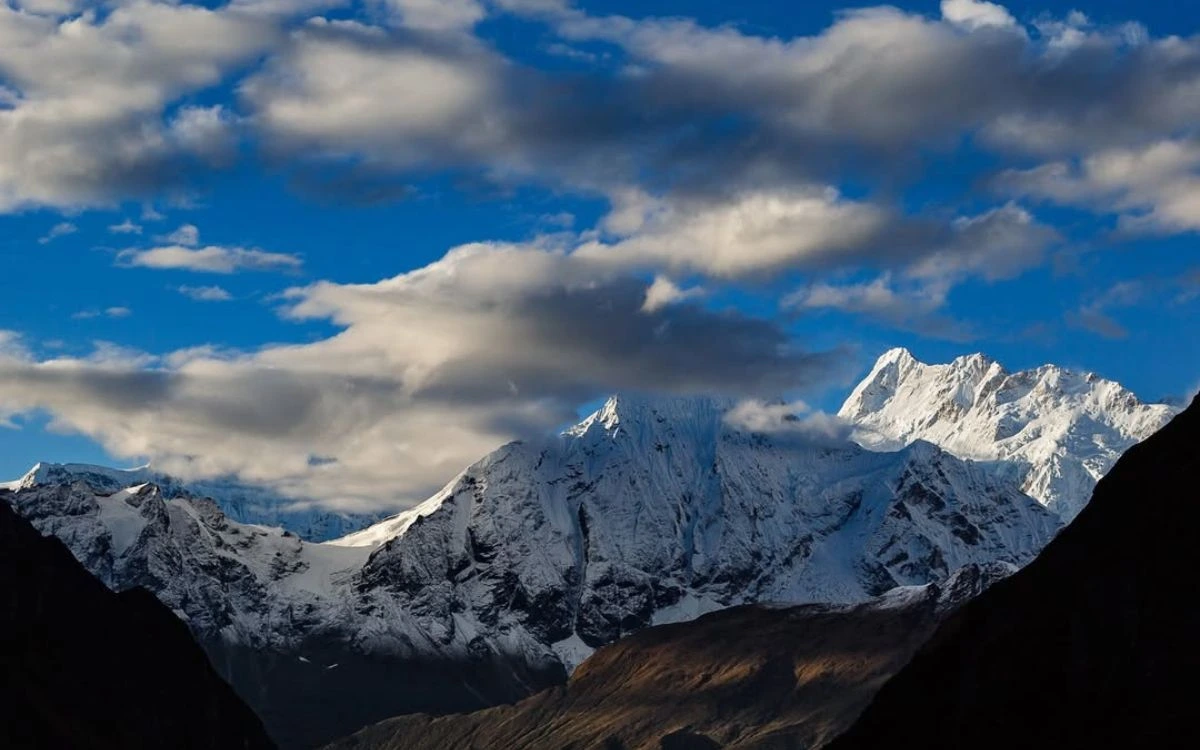
Snow-capped Himalayan peaks under a dramatic cloudy sky
During the last decade, Trekking Trails in Nepal have welcomed hundreds of thousands of visitors each year. From the popular Everest Base Camp Trek to the lush natural beauty found on the trails of the Langtang Valley, Nepal’s Himalaya regions offer something for every type of trekker. Due to recent regulations, it is increasingly vital for anyone planning to trek independently to understand what they can and cannot do. Guests to Nepal who want to trek independently will find everything they need to know — including regulations, permits, trekking routes, costs, safety tips, and more — to help them plan a safe, compliant trek that will be remembered for years to come.
Why Independent Trekking in Nepal Is Becoming Popular
More travellers are choosing independent travel to cut costs and enjoy greater flexibility. Self-guided trekking allows you to set your own pace, explore off-the-beaten-path trails, and connect more deeply with the landscape. Many popular routes in Nepal — such as the Ghorepani Poon Hill Trek — have well-marked trails, regular teahouses, and phone connectivity, making them relatively accessible for confident trekkers. Budget trekking in Nepal without a guide also appeals to long-term backpackers who want to stretch their travel funds.
Pros and Cons of Trekking Without a Guide
Before heading out, weigh both sides. On the plus side, you enjoy complete freedom, save money on guide fees, and move at your own schedule. On the downside, you take on more risk — including altitude sickness, getting lost on remote trails, and facing legal complications if you trek in restricted areas without proper documentation. Independent trekking Nepal-style works best when you are well-prepared, choose the right route, and stay within legally permitted zones.
Is Trekking Without a Guide Legal in Nepal in 2026?
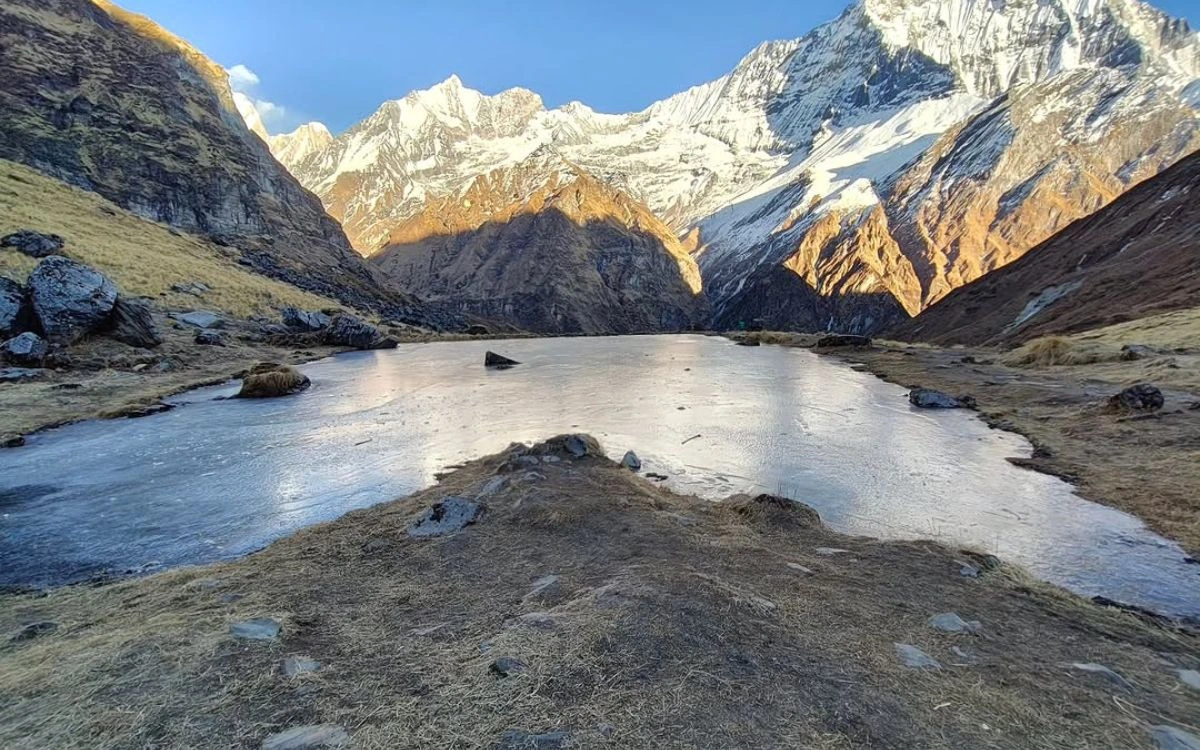
Frozen alpine lake surrounded by snow-covered mountain peaks
This is the most important question for any independent trekker. The short answer is: it depends on where you want to go.
Current Government Regulations for Solo Trekkers
As of April 1, 2023, the Government of Nepal will require all foreign tourists and visitors who wish to hike in the National Parks, Conservation Areas, or Restricted Areas to have a licensed guide accompany them, effective 2026. This regulation applies to nearly all of the major hiking destinations in Nepal. Visitors who hike without a registered guide or who do not follow the designated trekking route on regulated trails may be removed from the trail, fined, and/or blacklisted from obtaining future trekking permits. All trekkers must use a government-registered trekking agency to book their treks.
Restricted Areas Where Guides Are Mandatory
The Annapurna Conservation Area, Sagarmatha National Park (Home to Everest), Langtang National Park, and restricted regions such as Upper Mustang and Dolpa are protected areas that, by law, require a licensed guide. While there are still limited opportunities to trek in Nepal without a Licensed Guide, most notable trekking routes are within these protected areas. Would you like me to continue?
Recent Changes in Nepal Trekking Rules
The 2023 rules have effectively ended independent trekking on Nepal's major trails. The rules were enacted to improve safety for trekkers and create more opportunities for local people (guides and porters) to find work. Solo trekkers are no longer permitted to trek in any regulated trekking area in Nepal. If you are found on the trail without a guide in a restricted/protected area, there can be severe consequences for you.
Permits Required for Independent Trekking in Nepal
TIMS Card — Important 2026 Update
Changes to the Trekkers Information Management System (TIMS) card mean the independent (Green) TIMS card, available directly from NTB for solo trekkers, is no longer available. All trekkers must apply through their registered agency and will receive their TIMS Card at the same time they apply for their permits from the Nepal Tourism Board. Effective 2026, TIMS issues Trekkers only as part of a Registered (with ACAP) Guided Group Tour (no solo trekkers). Therefore, your trekking agency will handle TIMS Documentation for you from this point forward. The Annapurna region no longer requires a TIMS card, effective April 2023, as ACAP already covers the necessary regulations for walking in this area. A Local Entry Permit (LEP) has replaced TIMS in the Everest/Khumbu region. For all other conventional trekking routes, however, a TIMS card issued through your registered agency remains required.
National Park and Conservation Area Permits
In addition to TIMS (where applicable), you need the relevant area permit:
Annapurna Conservation Area Permit (ACAP): NPR 3,000 for foreigners, NPR 1,000 for SAARC nationals
Sagarmatha National Park Permit (Everest region): NPR 3,400 for foreigners, NPR 1,500 for SAARC nationals
Langtang National Park Permit: Similar pricing to Sagarmatha
Restricted Area Permits (Upper Mustang, Dolpa, Nar-Phu, etc.): USD $100–$500 per person,n depending on area and duration
Where and How to Get Trekking Permits in Nepal
You can obtain a permit from the NTB Office, TAAN Office, Pokhara (for Annapurna Trekking) or at any trailhead checkpoint. However, as a registered agency handles your permit (as part of the required guide), it is the safest and easiest option for most trekkers to have their agency handle all documentation.
Best Treks in Nepal You Can Do Without a Guide (With a Registered Agency)
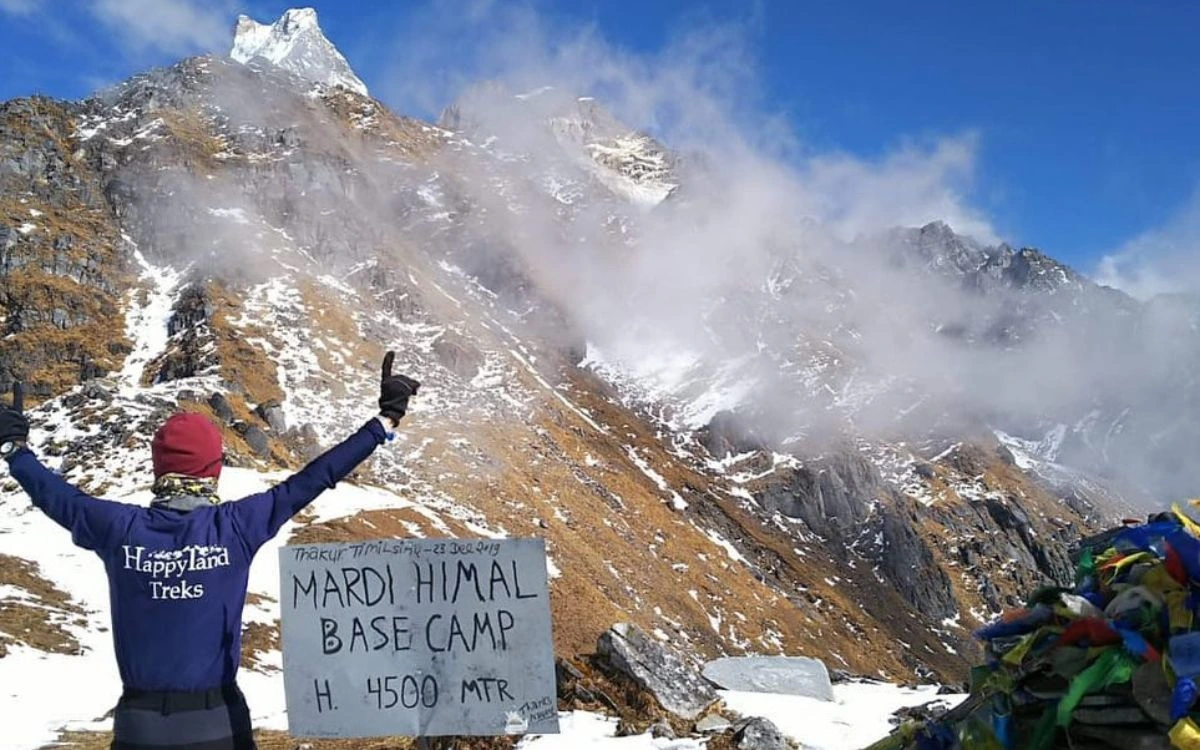
Trekker celebrating at Mardi Himal Base Camp sign at 4500m
True solo trekking is currently restricted in most areas. However, here are some of the most popular treks that you can access when you book with a licensed agency. Additionally, if you want a self-guided experience within a guided experience, these routes offer some of the best infrastructure.
Annapurna Base Camp Trek
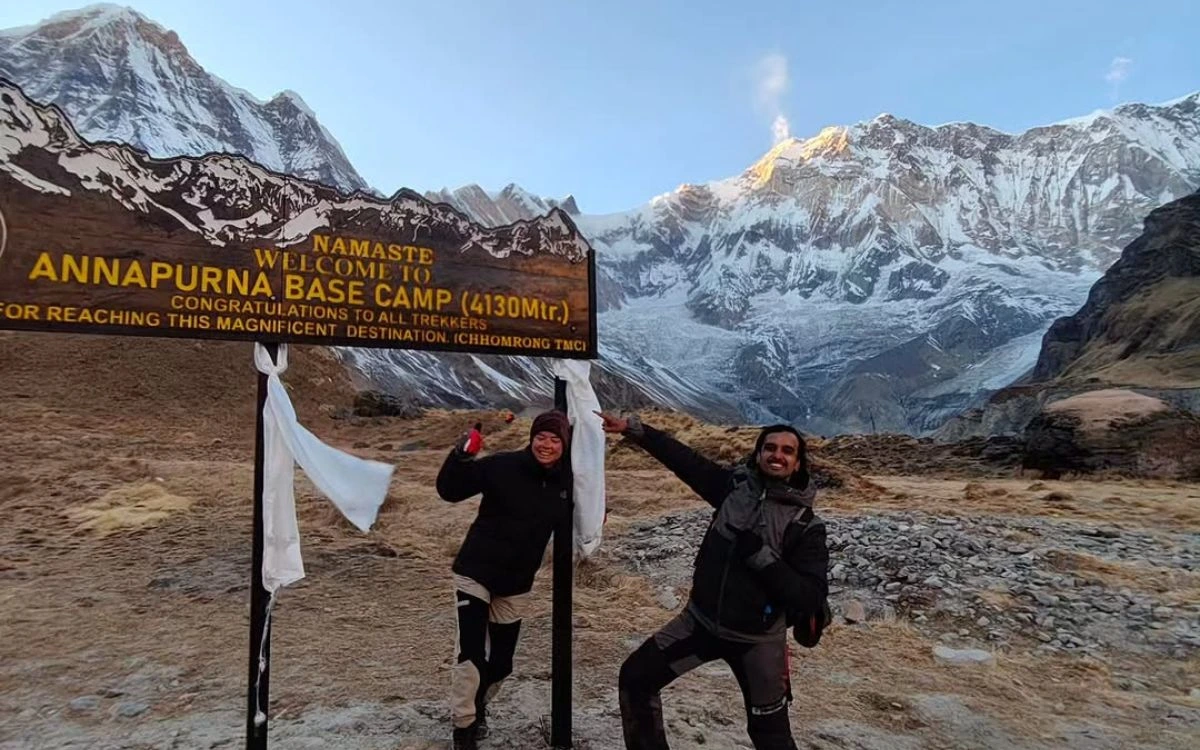
The Annapurna Base Camp Trek is one of Nepal's most famous routes, offering beautiful scenery from terraced farmland to cool rhododendron forests. As you travel through the different elevations of the Annapurna region (between 900m and 4,130m), you will see incredible landscapes of lush terraced fields, beautiful towering mountain ranges, and a stunning amphitheatre of glaciers and snowcapped mountains. The Annapurna Base Camp Trek can be completed in 12-14 days, depending on your pace and fitness level. There are plenty of opportunities to rest at tea houses along the way, which can accommodate most fitness levels because they have marked trails. A registered guide and an ACAP permit are required to hike to Annapurna Base Camp.
Everest Base Camp Trek
The Everest Base Camp Trek is well known worldwide as one of the most famous treks to the 'top of the world.' This incredible 12-14 day hike leads you through the Khumbu Valley (the valley surrounding Mt. Everest) to the Nepalese villages of Namche Bazaar, Tenboche Monastery, and Gorakshep at the base of the world's highest mountain (5,364m). For trekking in the Everest region, you need to have a local entry permit and a guide. There is now a local entry permit system instead of TIMS.
Langtang Valley Trek
The Langtang Valley Trek is one of Nepal's best-kept secrets and hidden treasures, located north of Kathmandu. It is an incredibly scenic area of the Himalayas, with breathtaking views, rich Tamang culture, and a much quieter, less crowded trail than you will find in the Everest or Annapurna areas. It requires a Langtang National Park permit and a guide.
Ghorepani Poon Hill Trek
The Ghorepani Poon Hill Trek is perfect for beginners and short-stay visitors. This 4–5 day trek rewards trekkers with one of the finest sunrise views over the Annapurna and Dhaulagiri ranges. It remains one of the best options for budget trekking in Nepal, even with the guide requirement. An ACAP permit is needed.
Mardi Himal Trek
The Mardi Himal Trek is a hidden gem in the Annapurna region, offering a less-crowded alternative to the ABC trek with equally spectacular views. This 6–7 day route reaches Mardi Himal Base Camp at 4,500m and passes through dense forests and high ridges. It requires an ACAP permit and a licensed guide.
Popular Routes for Solo Trekking in Nepal
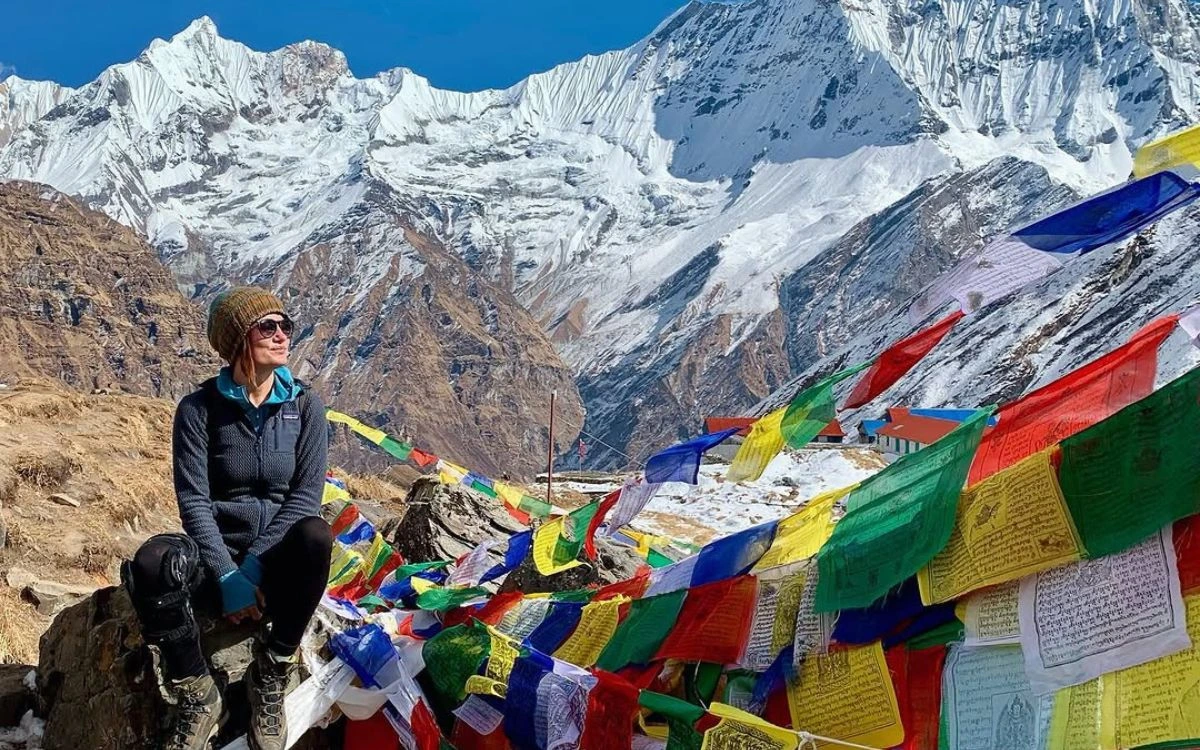
Solo trekker sitting beside colorful prayer flags with Annapurna range behind
Annapurna Trek Without a Guide
Without a guide, you can trek in the Annapurna Region, which includes the Annapurna Circuit. The trails are clearly defined, with many teahouses along the way to provide accommodation. There is a wide variety of terrain in the Annapurna Region. You can trek independently through this part of Nepal; however, as of May 2017, trekkers are required to have a licensed guide. To comply with this new guide requirement and toensure a safe adventure, book through an officially registered agency.
Everest Base Camp Trek Without a Guide
The Everest Base Camp Trek is a popular trekking route for trekkers who prefer to go without a guide to save money and walk at their own pace. The trail infrastructure is very well developed. However, due to altitude safety concerns and due to the new guide regulation being implemented throughout Nepal, you are required by law to hire a certified guide. In addition, your guide will be your only point of contact for assistance if you experience altitude sickness.
Self-Guided Trekking Routes With Good Infrastructure
There are still some independent trekking routes available in Nepal outside protected areas; however, due to restrictions imposed by Nepal's Ministry of Culture, this number is dwindling. Before attempting your trek, ensure to contact either the Nepal Tourist Board or a registered trekking agent for confirmation. Many independent trekkers book with agencies, arrange a guide, and then classify the trip as semi-independent by maintaining their own pace while ensuring compliance with local laws.
Cost of Trekking in Nepal Without a Guide
Average Daily Trekking Expenses
Even without a guide, your daily costs add up. Budget trekkers typically spend USD $25–$50 per day on teahouse accommodation and meals, depending on altitude and season. Higher camps tend to cost more due to supply logistics.
Permit Costs and Accommodation Prices
Permit costs vary by region. ACAP permits cost NPR 3,000 (~USD 23); Sagarmatha National Park permits cost NPR 3,400 (~USD 26), and restricted-area permits range from USD 100 to USD 500. Teahouse accommodation ranges from USD 5–15 per night, and meals cost USD 3–10 each.
Comparing Guided vs. Independent Trekking Costs
A licensed guide typically costs USD $25–$40 per day. A porter costs USD $15–$25 per day. While this adds to your budget, it is now legally required for most routes. Cheap trekking in Nepal without a guide is no longer a realistic option on regulated trails; however, trekking with a local guide still offers excellent value compared to joining a large tour group from abroad.
Safety Tips for Solo Trekking in Nepal
Altitude Sickness Awareness
Acute Mountain Sickness (AMS) is the most serious risk on high-altitude treks. Follow the golden rule: ascend slowly and acclimate properly. Never gain more than 300–500m of sleeping altitude per day above 3,000m. Know the symptoms — headache, nausea, dizziness, fatigue — and descend immediately if they worsen. Your guide is trained to recognise early signs of AMS, HACE, and HAPE.
While most major hiking trails are well marked, weather conditions throughout the mountains can change rapidly. You are advised to bring a good, detailed trail map whenever hiking; alternatively, you could use an offline GPS app (e.g., Gaia GPS or Maps.me). The best time of day to begin your hike is early (before 9 a.m.) to avoid afternoon weather changes. Be sure to tell your teahouse host your planned route each morning.
Communication and Emergency Contacts
When you're in Nepal, it's important to purchase a local SIM card with data so you can communicate in an emergency. Be sure to store the Nepal Police tourist helpline (1144) and your trekking agency's phone number on your mobile device for immediate access if needed. Make sure you carry a portable battery bank at all times, and consider bringing a satellite communicator for remote trails. Lastly, ensure that your travel insurance covers high-altitude treks and emergency evacuations.
Best Time for Solo Trekking in Nepal
Spring Trekking Season (March–May)
Nepal has an active spring trekking season because the trails are lined with blooming rhododendrons, the weather is moderate, and you can usually get great views of the mountains. Spring is a great time to hike either the ABC Trek or the EBC Trek because there are usually too many people on the popular routes during peak spring months.
Autumn Trekking Season (September–November)
Autumn offers the clearest skies and the most stable weather of the year. Visibility is excellent for mountain panoramas, and the post-monsoon trails are lush and freshly washed. October and November are the sweet spot for most Nepal treks, including the Langtang Valley Trek and Mardi Himal Trek.
Generally speaking, trekking is not possible during the monsoon season (from January to August) due to rain, leeches, flooding, and changing trail conditions. Also, during winter (from Dec. to Feb.), it is peaceful but cold and much less crowded, with generally clear skies at lower elevations than at high mountain passes like Thorong La on the Annapurna Circuit, which can be covered in snow in winter.
Sturdy, well-broken-in trekking boots with ankle support
Trekking poles for descents and steep terrain
Sleeping bag rated to at least -10°C for high-altitude camps
Headlamp with spare batteries
Sunscreen (SPF 50+), sunglasses, lip balm — UV is intense at altitude
First aid kit including Diamox (altitude sickness medication, consult a doctor first)
Navigation Tools and Apps
Offline maps: Maps.me, Gaia GPS, or AllTrails
Portable power bank (electricity is limited in remote teahouses)
Waterproof dry bags or pack liner
Important Documents and Insurance
Passport (original), multiple photocopies
All trekking permits (carry physical copies)
Travel insurance policy documents — must cover high-altitude trekking and helicopter evacuation.
Emergency contact list (local and home country)
Advantages and Disadvantages of Trekking Without a Guide
Two trekkers posing at the Annapurna Base Camp welcome sign at 4130m
Freedom and Flexibility
Independent trekking attracts many people because it allows you the freedom to plan every part of your trek independently - when to take a break, what trails to explore, and how long to rest at each stop along the way. Semi-independent trekking is another option. If you hire a guide, you can create your own daily itinerary while still benefiting from some level of guidance from an experienced local.
Budget Benefits
As part of your overall savings, when you do not use a guided tour, you will save daily by choosing low-cost teahouses, cooking your own food, and hiring one person as both a porter and a guide, rather than two.
Risks of Solo Trekking
In Nepal, there are real risks to go hiking alone; the lack of trustworthiness in help in emergencies due to altitude sickness; being lost on some of the more remote trails; language problems in finding help during an emergency; and the possibility of being fined or having your trail removed due to not following the guide requirements. The required guide for hiking in Nepal was established due to these dangers. The mountains in Nepal are equally unforgiving and will not show you mercy.
Responsible Trekking and Local Culture
Respecting Local Communities
Nepal's trekking trails pass through living communities, not just scenic landscapes. Ask permission before photographing locals, dress modestly near religious sites, always walk clockwise around mani walls and stupas, and remove your shoes before entering temples. Learning a few words of Nepali goes a long way.
Environmental Responsibility on Trails
Pack out all your waste. Avoid single-use plastics by carrying a reusable water bottle and purification tablets. Stay on marked trails to protect fragile alpine vegetation. Choose teahouses that use solar power or other sustainable fuel sources instead of firewood. The Himalayas are a UNESCO World Heritage Site and a conservation-listed environment — tread lightly.
Supporting the Local Economy
Hiring a local guide is not just a legal requirement — it is a meaningful contribution to the communities whose livelihoods depend on trekking tourism. Eat at local teahouses, buy local snacks, and tip fairly. When you support the local economy, you help sustain the very communities that make trekking in Nepal the rich, human experience it is.
FAQs
Is solo trekking allowed in Nepal in 2026?
No, solo trekking without a licensed guide is prohibited in all national parks, conservation areas, and restricted zones in Nepal. You will need to book through a government-registered trekking company.
Will I still need a TIMS card in 2026?
The independent (green) TIMS card has been eliminated. Only government-registered local trekking companies will issue TIMS for group treks. TIMS has been replaced with area-specific permits in the Annapurna and Everest regions.
How can I trek on a budget in Nepal?
To save money, book a trek with a registered company and hire a porter-guide (one person performing multiple roles). Choose to stay in budget tea houses, avoid trekking in restricted areas with expensive permits, and trek during the "off" season.
What permits do I need to trek to Everest Base Camp?
You will need to obtain a Sagarmatha National Park Entry Permit and a Khumbu Pasang Lhamu Rural Municipality Entry Permit. You will also be required to have a licensed guide.
When is the best time of year to trek in Nepal?
Spring (March-May) and Autumn (September-November) are the two best times of year to trek in Nepal, as you will be guaranteed stable weather, clear skies, and incredible mountain views.
Conclusion
Nepal trekking without a guide is a dream many independent travellers aspire to, but the rules have evolved. Since April 2023, all foreign trekkers in Nepal's regulated national parks, conservation areas, and restricted zones must trek with a licensed guide booked through a registered agency. The independent TIMS card is no longer available; the Everest region operates on a local permit system, and the Annapurna region no longer requires TIMS. What remains unchanged is the breathtaking beauty of Nepal's trails — from the Annapurna Base Camp Trek and Ghorepani Poon Hill to the legendary Everest Base Camp Trek, the peaceful Langtang Valley Trek, and the hidden Mardi Himal Trek. With a registered guide by your side, you trek safely, legally, and with far deeper insight into the Himalayan world around you. For a safe, guided trek in Nepal, contact us at Himalayan Recreation today to plan your perfect Nepal trek with expert guides and full permit support.


.webp)



-1.webp)
-1.webp)
-1.webp)